We checked the performance and battery life of Nothing's high-end smartphone 'Phone (3),' which has a futuristic design and is equipped with the Snapdragon 8s Gen 4.
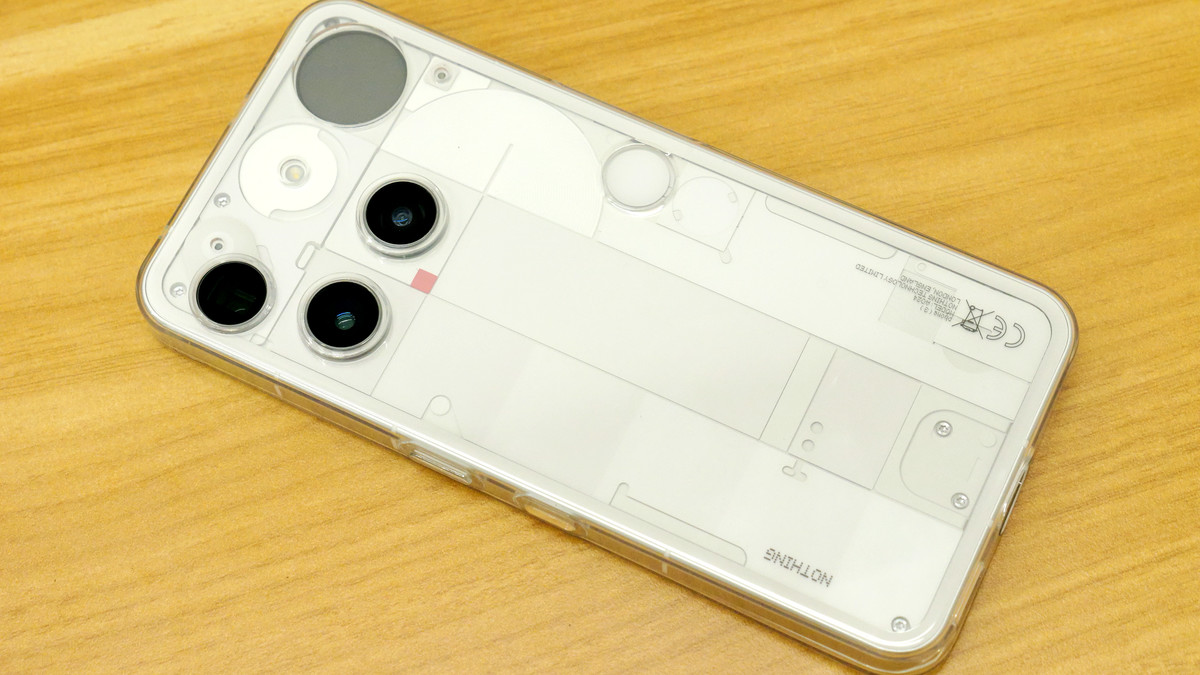
The Nothing Phone (3) , released on August 28, 2025, features a unique back design reminiscent of the near future, but it also features a Snapdragon 8s Gen 4 SoC and 12GB or 16GB of RAM, making it a high-end smartphone. I was able to borrow a physical Nothing Phone (3), so I ran a performance check using a benchmark app and a battery life check to see what the specs were.
Phone (3) | Smartphone | Nothing | JP
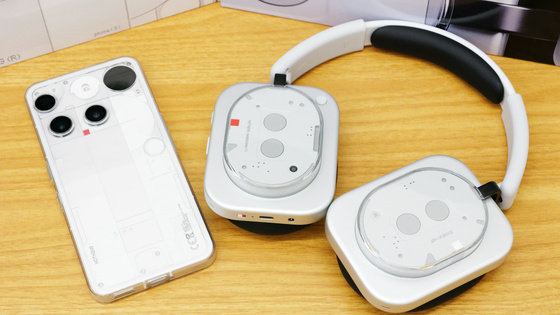
Check out the appearance, size, and weight of Nothing Phone (3) in the article below.
Geometric design and dot LCD create a strong personality Nothing Phone (3) & Headphone (1) Unboxing & Appearance Photo Review - GIGAZINE
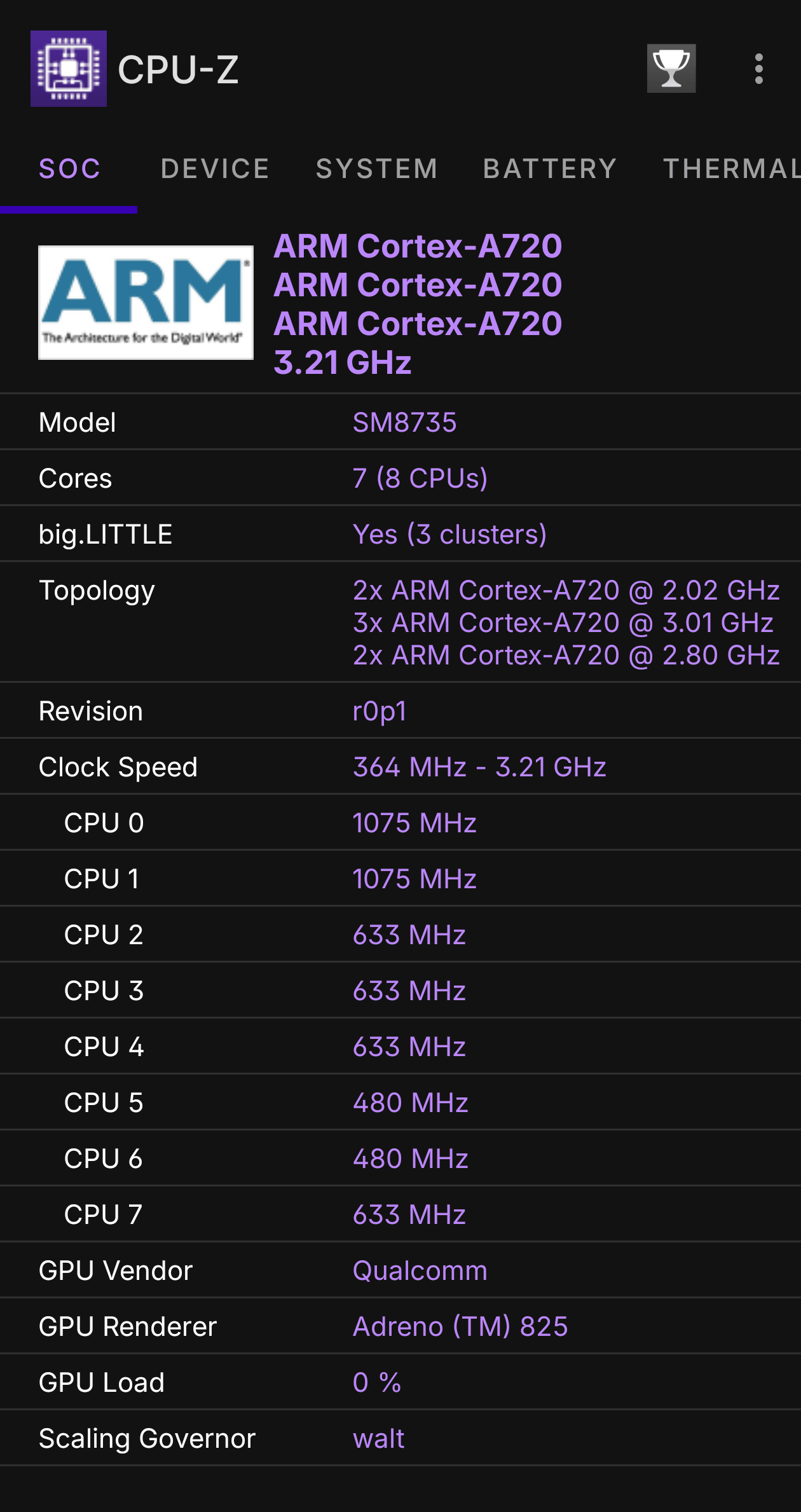
First, let's check the specs with CPU-Z. The SoC is a Snapdragon 8s Gen 4 with an 8-core CPU and an Aderno(TM) 825 GPU.
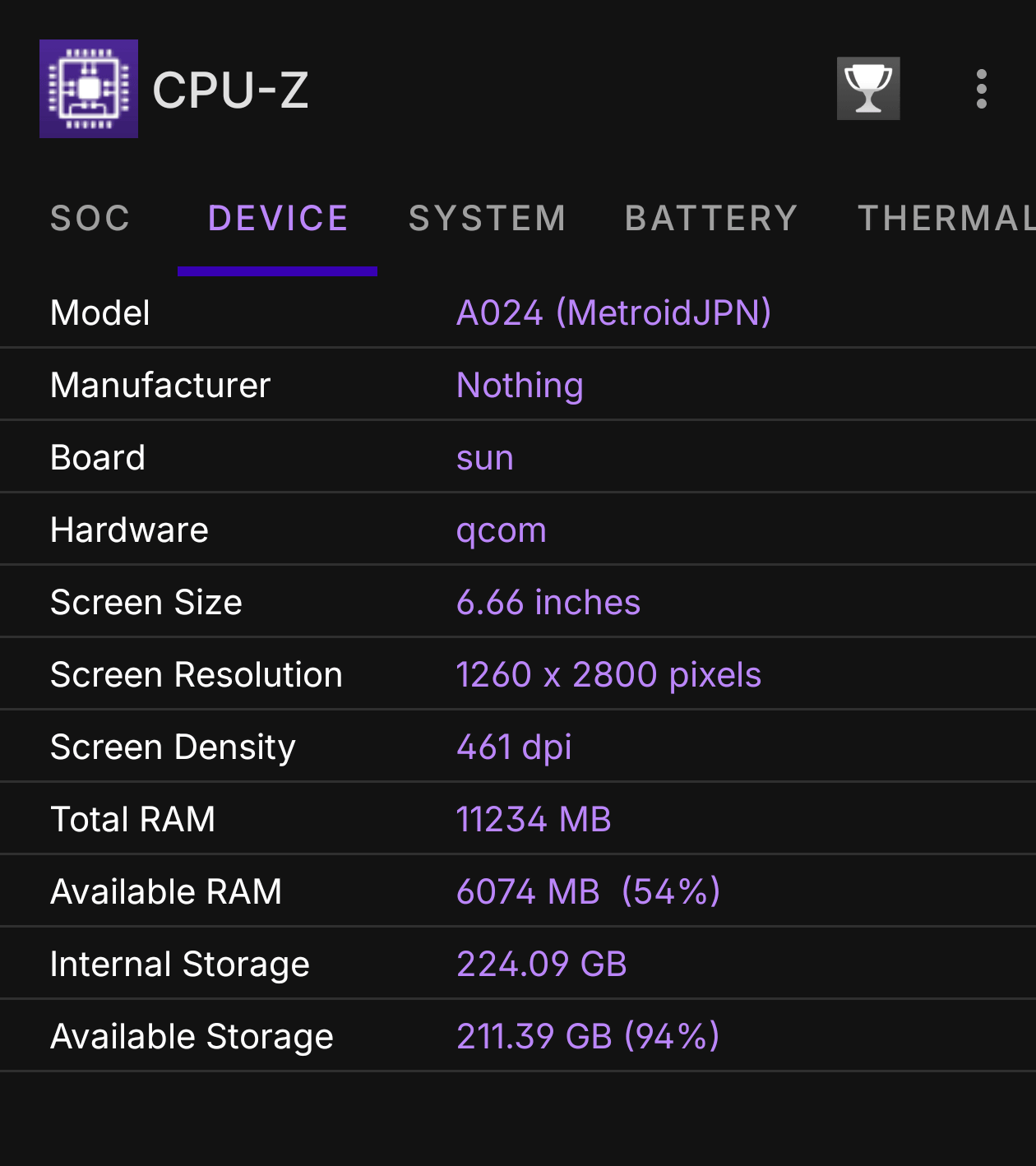
The device's model number is displayed as 'A024.' The screen resolution is 1260 x 2800 pixels, and the screen density is 461 dpi. The model I borrowed this time was equipped with 12 GB of RAM and 256 GB of storage, with a total RAM capacity of 11234 MB and a total storage capacity of 224.09 GB.
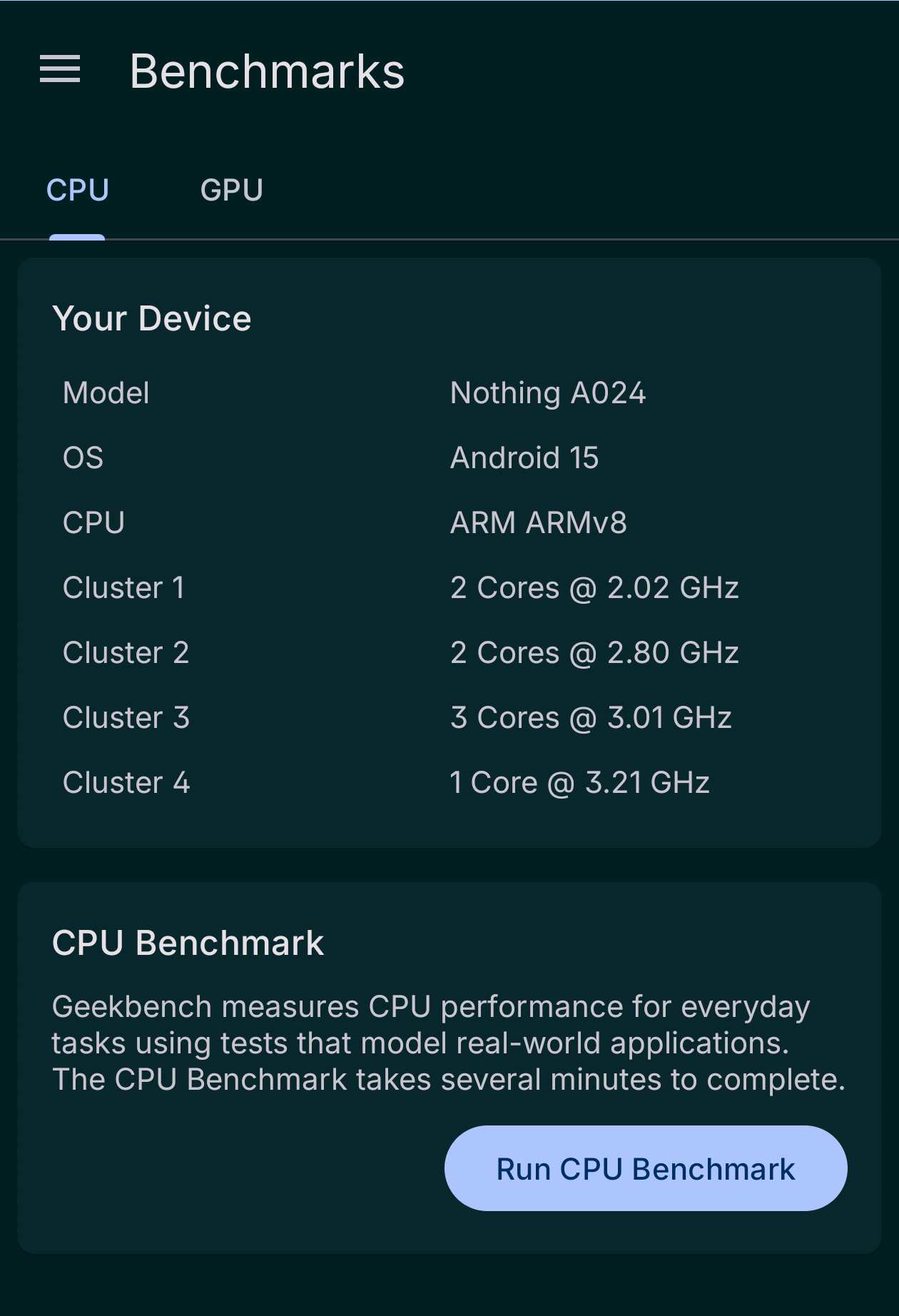
I tested the CPU performance using Geekbench 6.
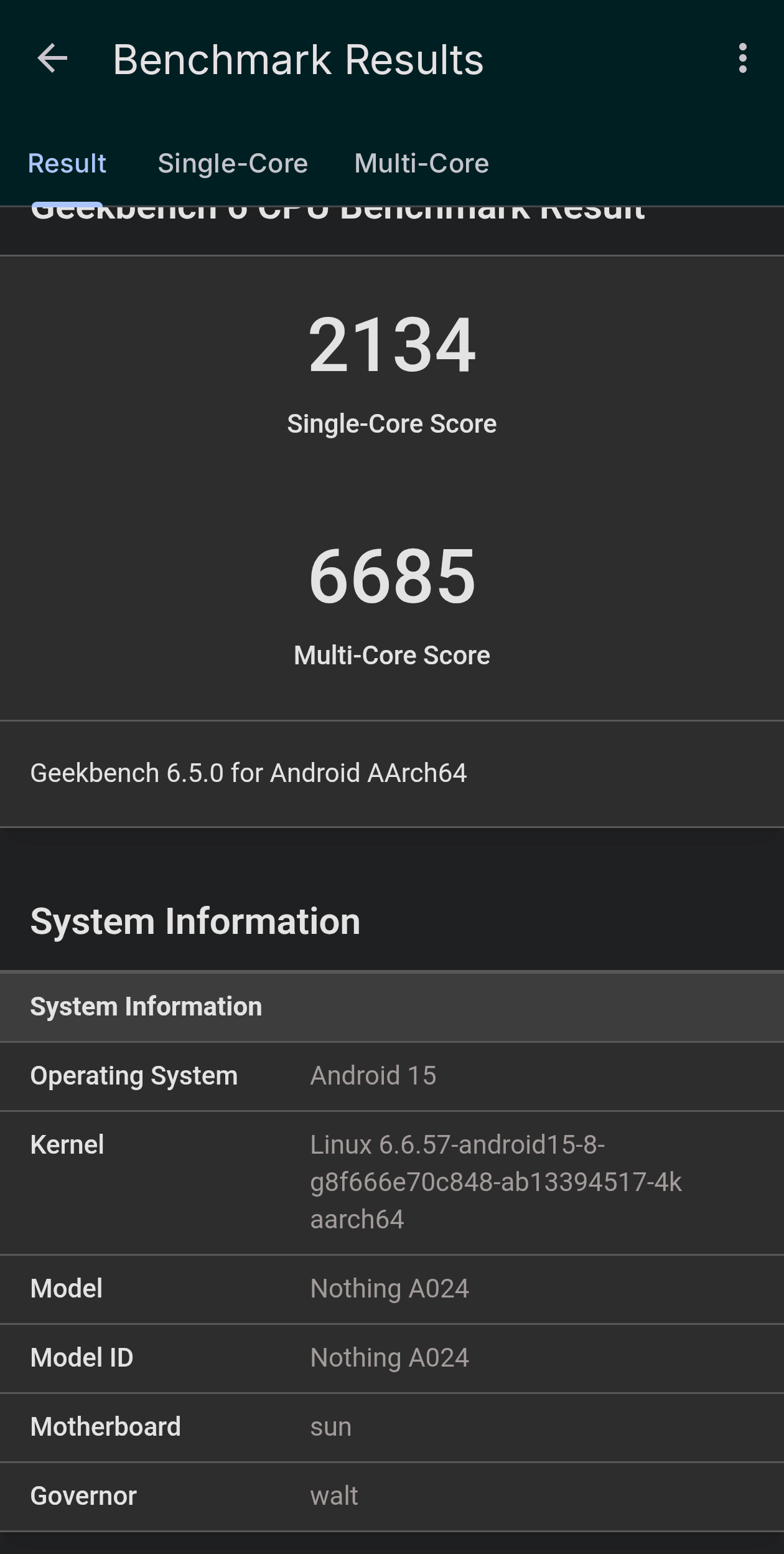
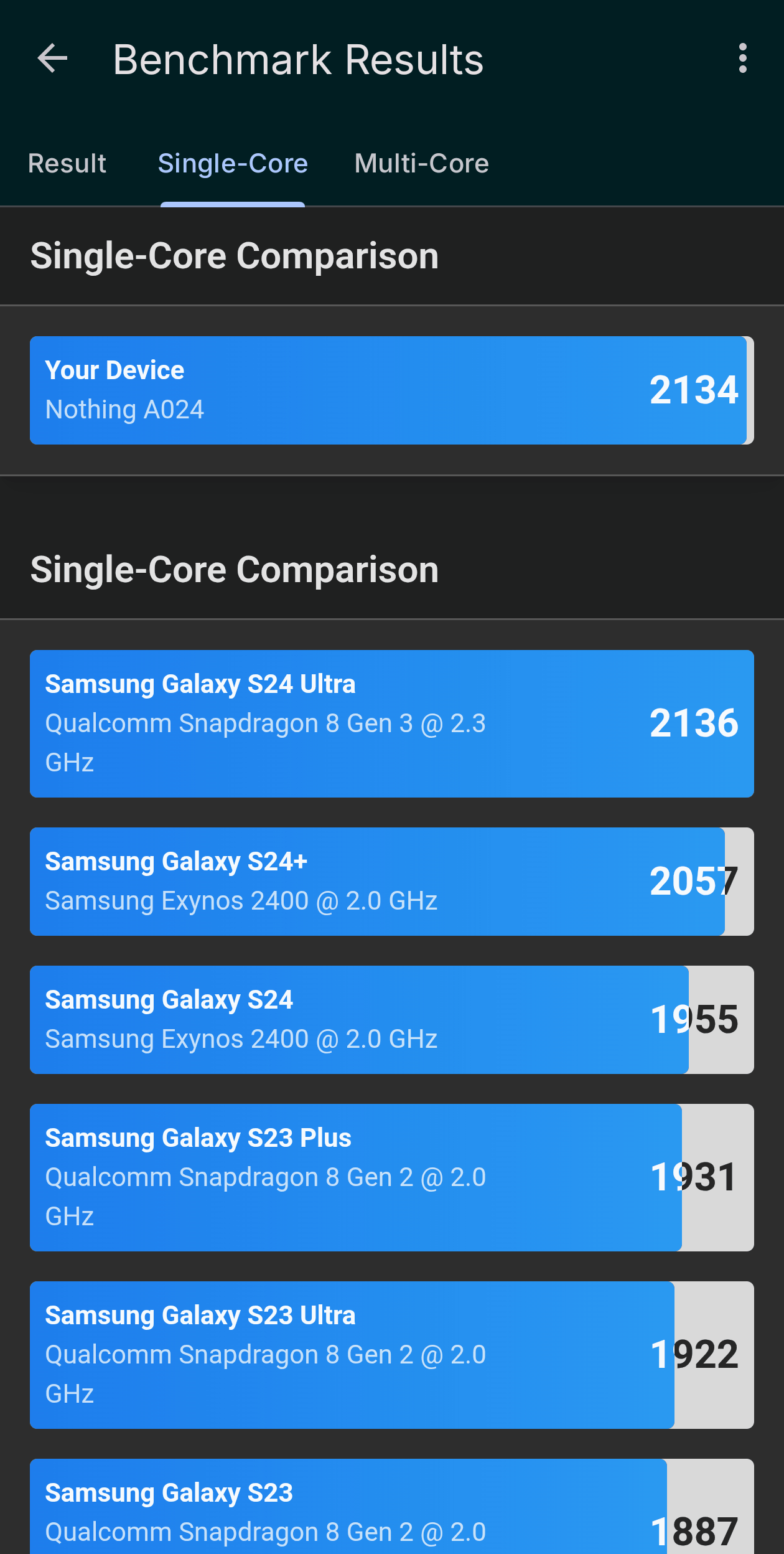
The results are as follows: Performance scores were 2134 for single-core and 6685 for multi-core.
The single-core performance score is roughly the same as
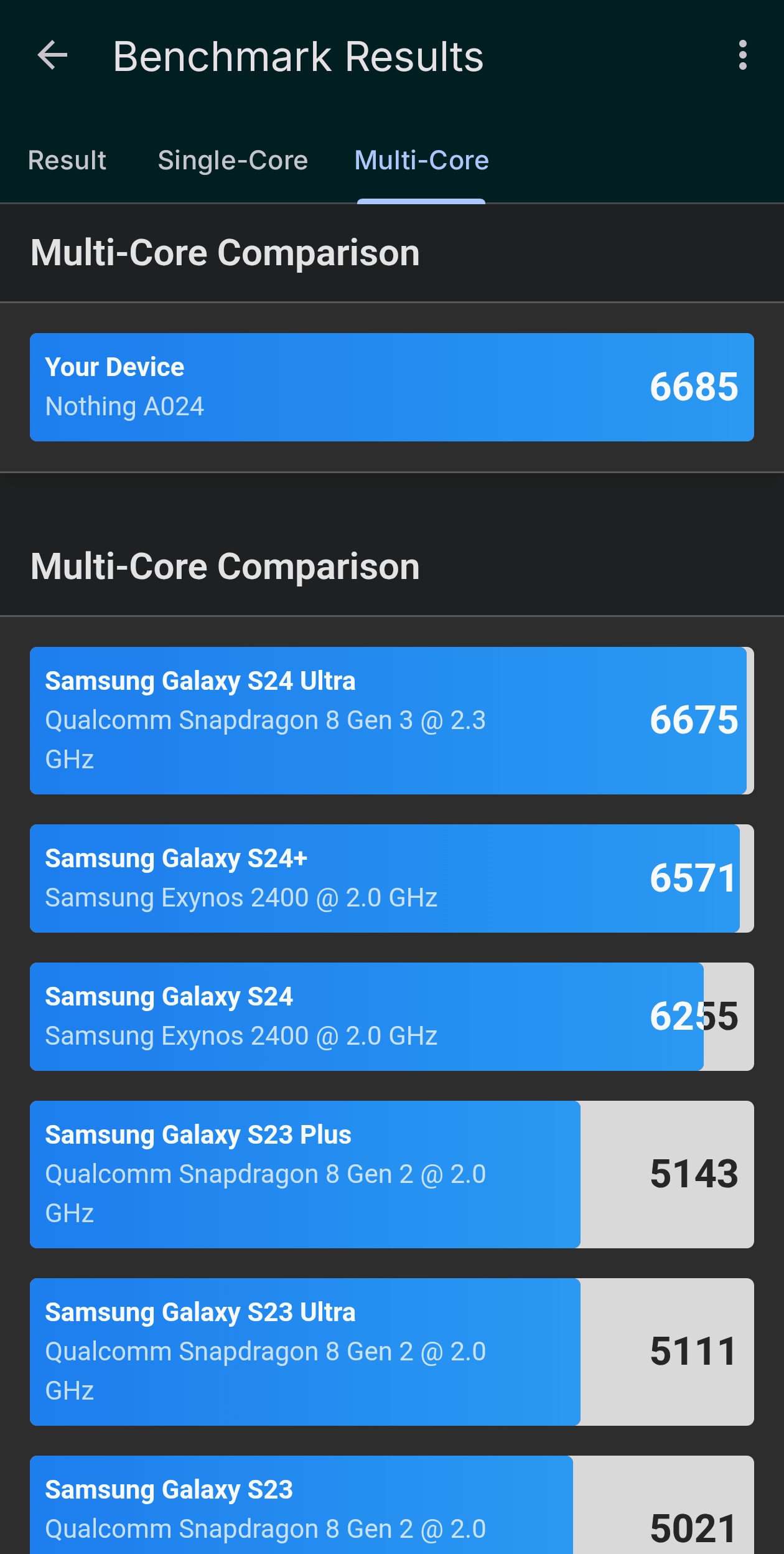
The multi-core performance score is also comparable to that of the Samsung Galaxy S24 Ultra. The SoC itself in the Nothing Phone (3) is supposed to be one generation newer than the Galaxy S24 Ultra, but its performance scores in both single-core and multi-core tests are almost the same as those of the Galaxy S24 Ultra.
Next, we will perform a GPU performance test.
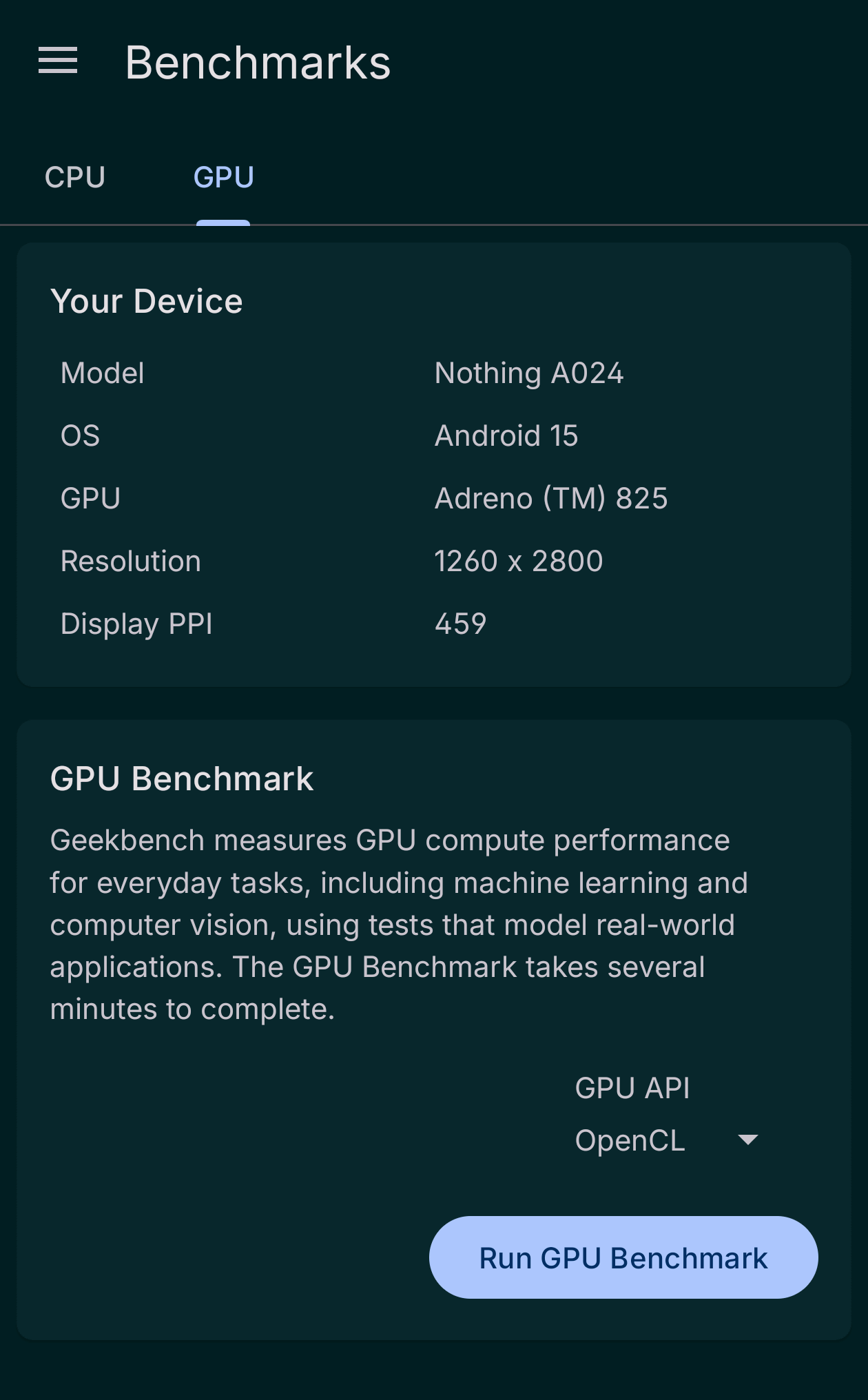
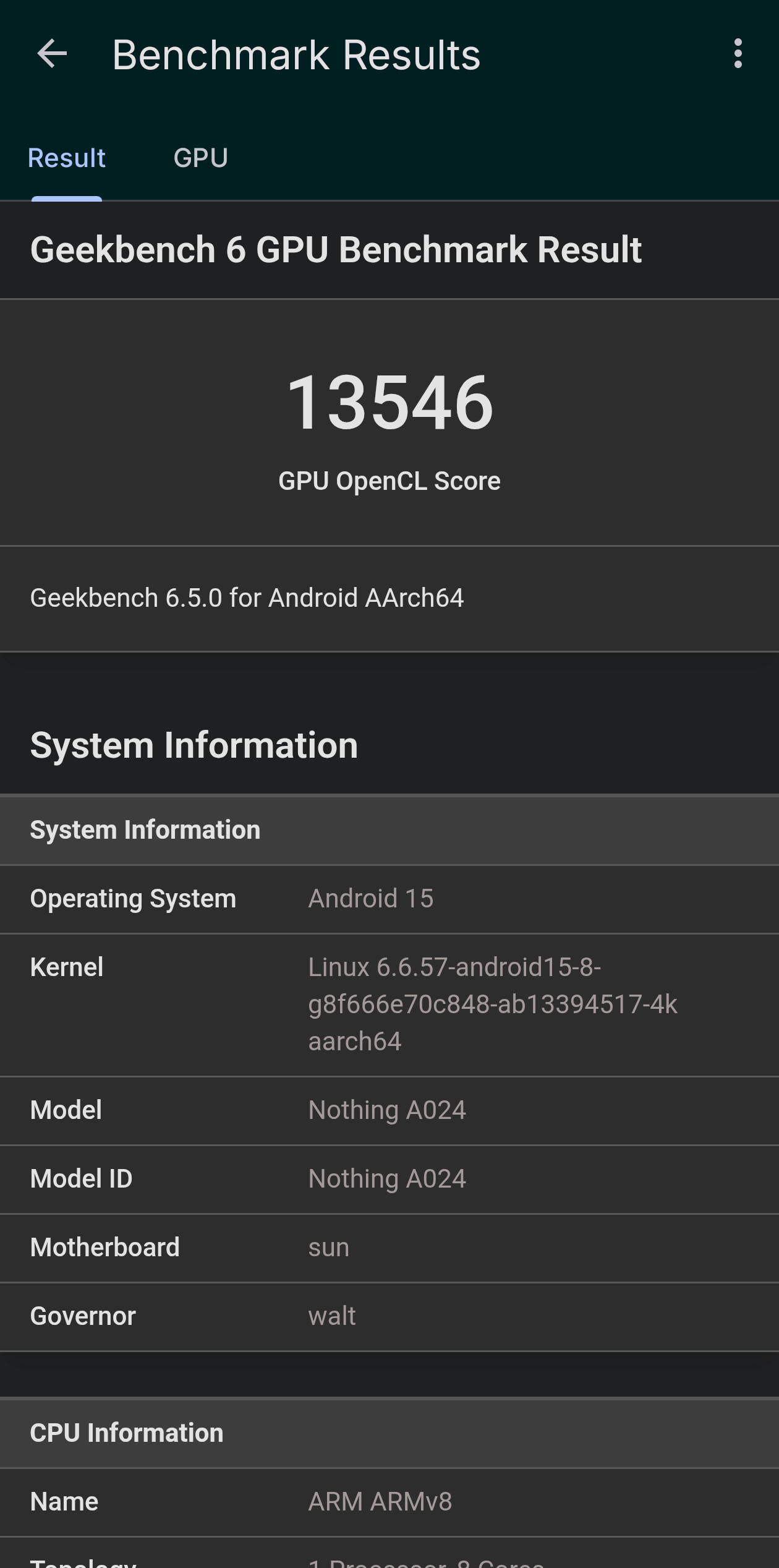
The OpenCL performance score was 13,546.
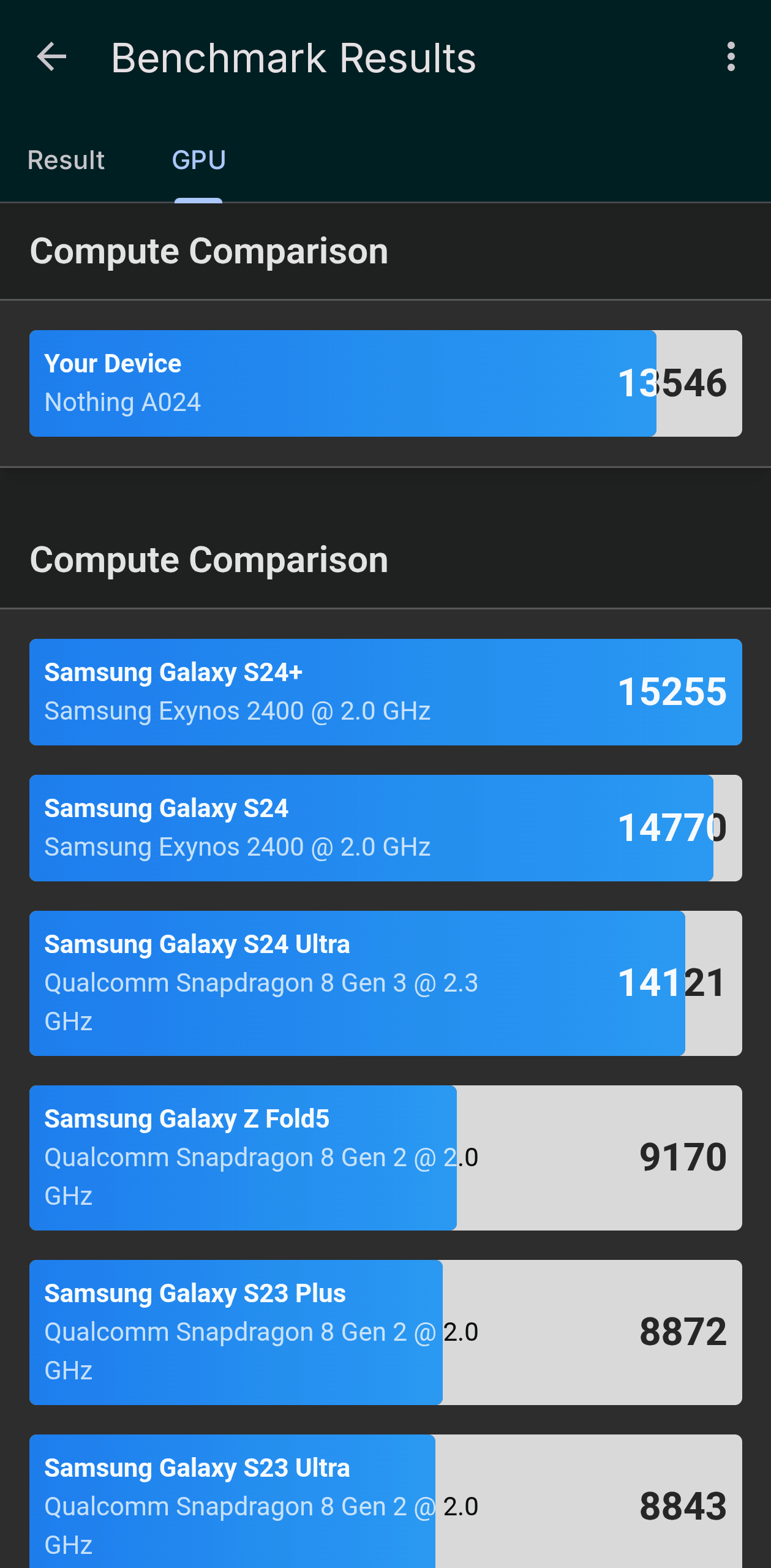
Comparing the scores with other models, it is slightly lower than the Samsung Galaxy S24 Ultra.
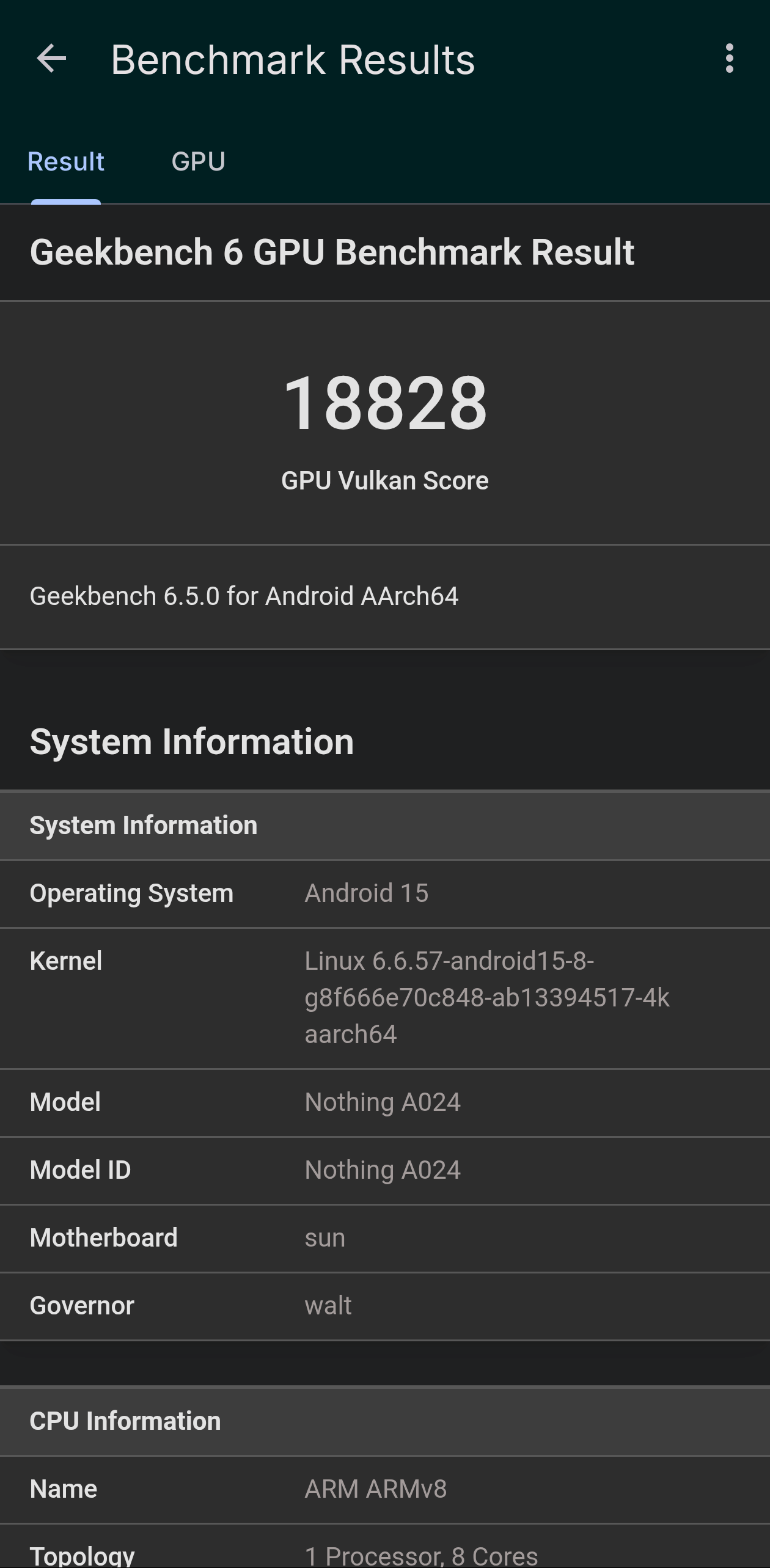
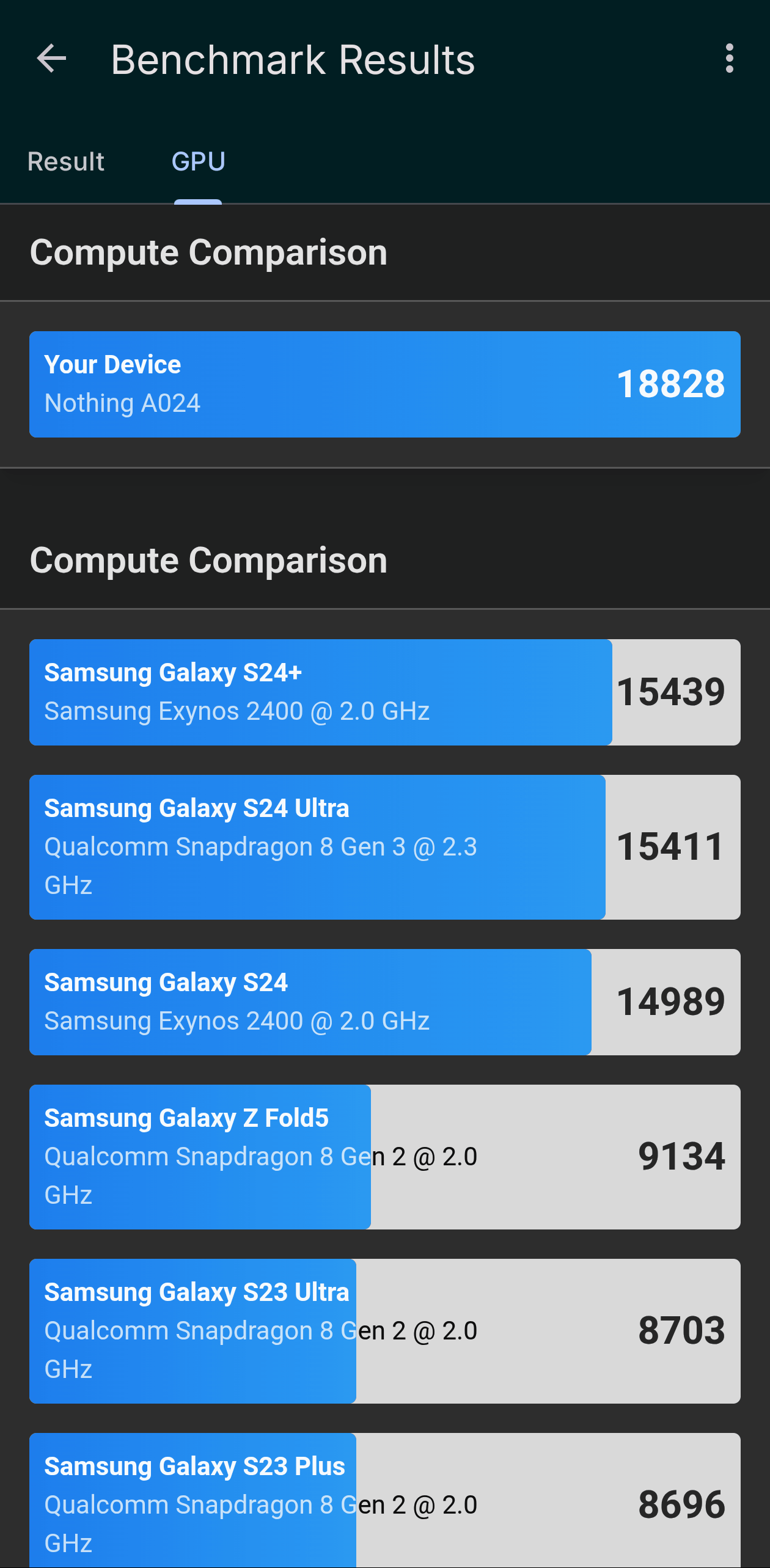
The performance score for Vulkan was 18,828.
This result far surpasses that of the Samsung Galaxy S24+ and Samsung Galaxy S24 Ultra.
I played the action RPG '
Play 'Narushio' on Nothing Phone (3), resolution: very high, maximum frame rate: 60fps - YouTube
I also tried watching a live scene from ' Uma Musume Pretty Derby ' where the 3D models move around enthusiastically. The movements were very smooth and I could watch it without any issues. In the movie below, the sound is a little distorted, but in reality the sound quality is clear and easy to hear, and the volume is sufficient. The bass seems a little lacking, but it's perfectly fine for playing games or watching videos.
I watched the live performance of 'Uma Musume Pretty Derby' on Nothing Phone (3) - YouTube
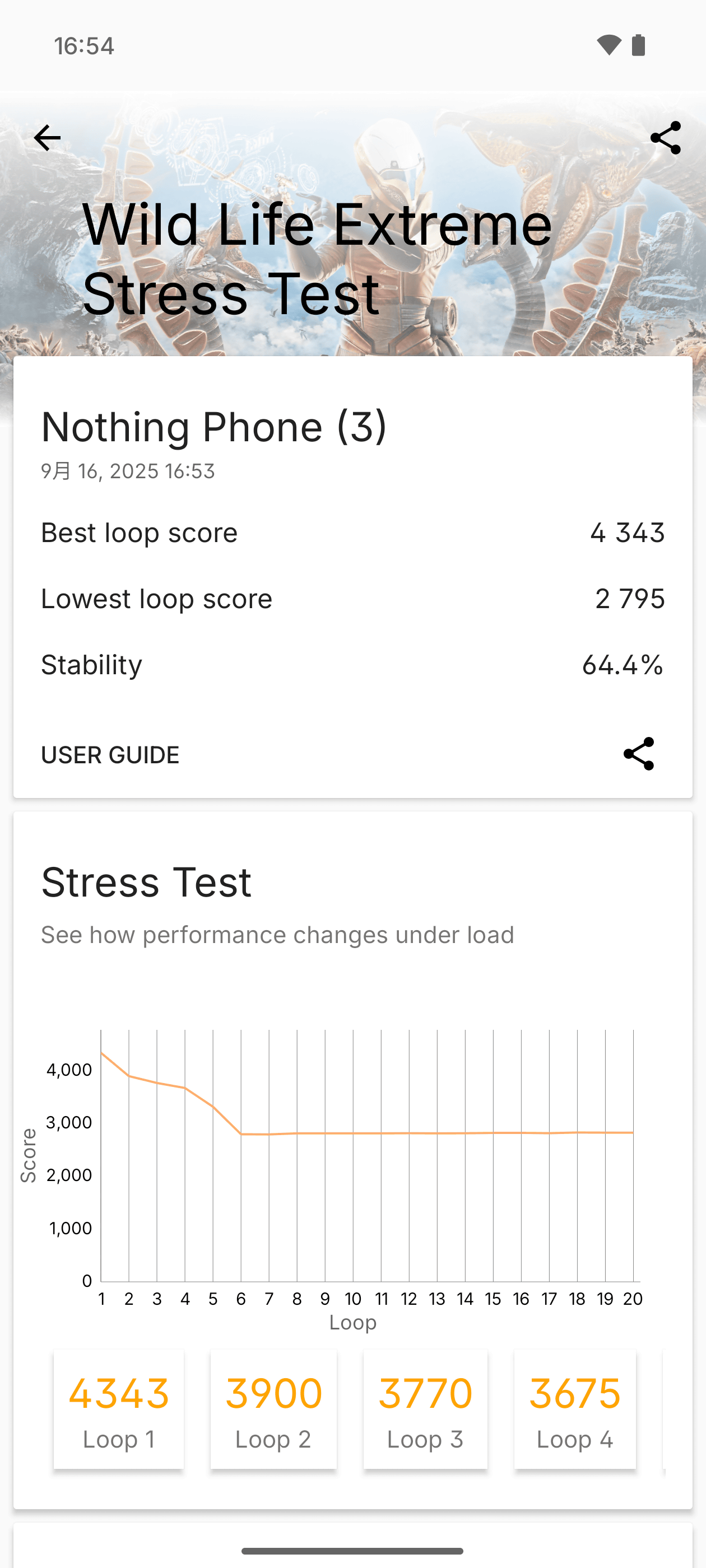
We ran the 'Wild Life Extreme Stress Test' on ' 3DMark - The Gamer's Benchmark ,' which runs the 'Wild Life' benchmark for 20 minutes.
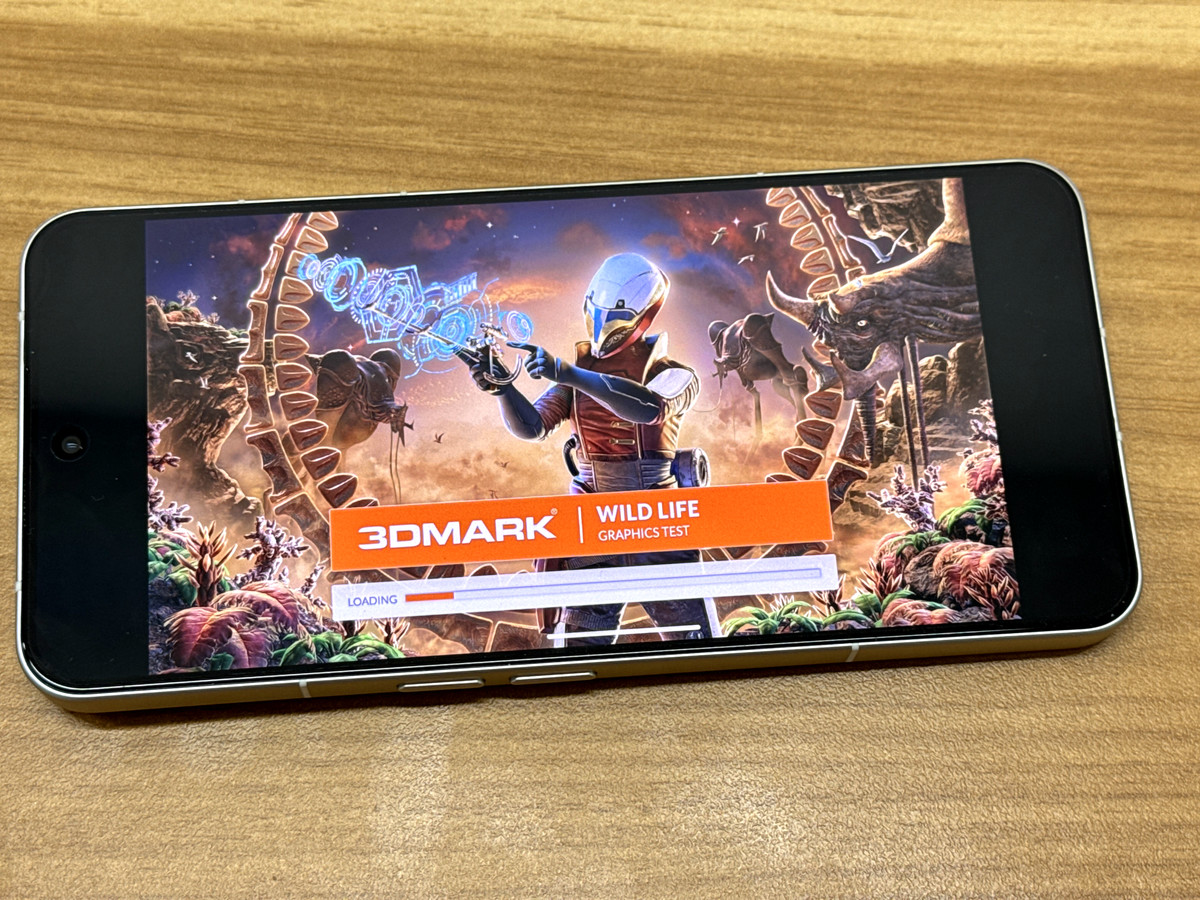
In a room with a room temperature of 25°C, we placed the device on a desk with the screen facing up using
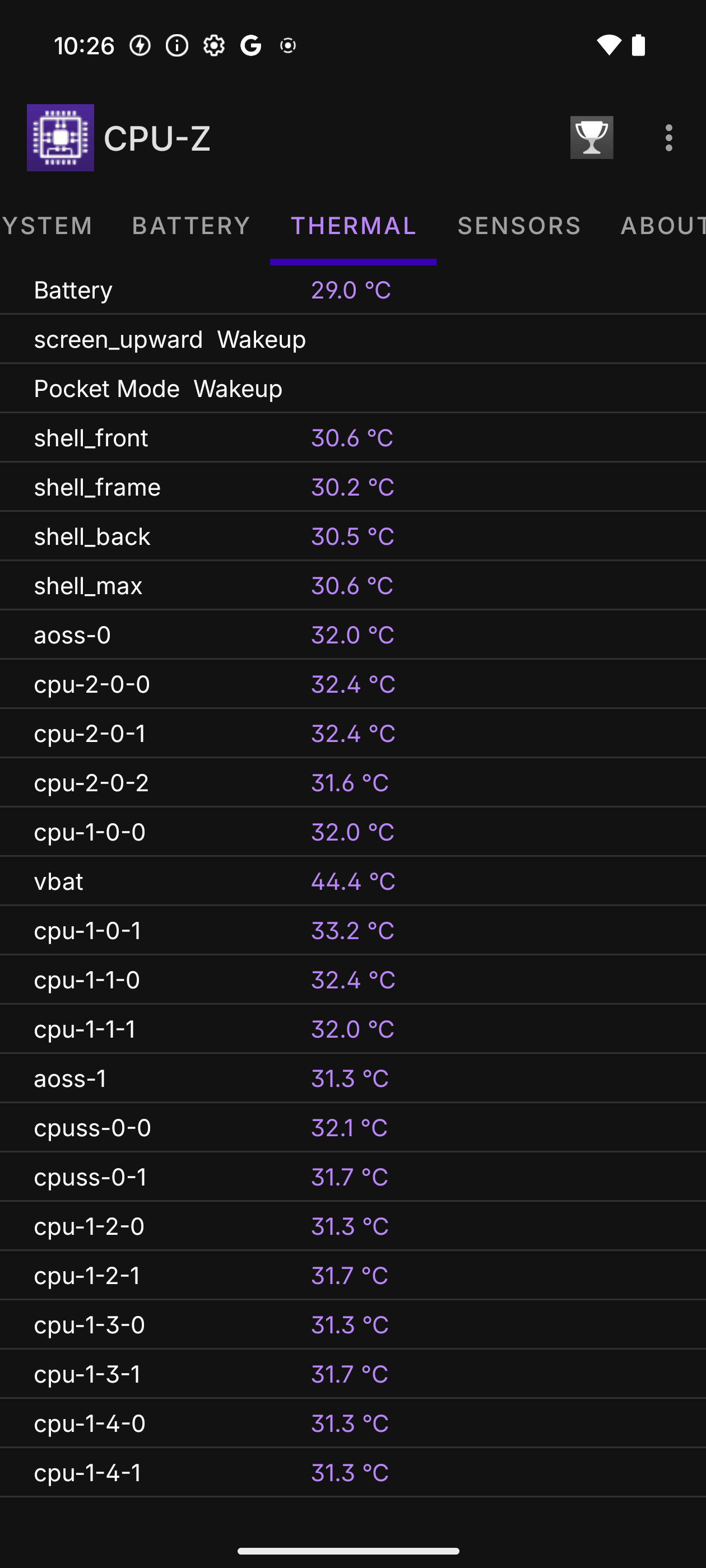
When I checked the internal temperature with CPU-Z, it was around 30 degrees.
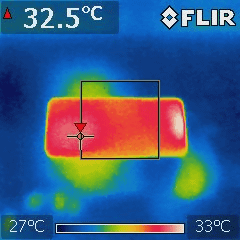
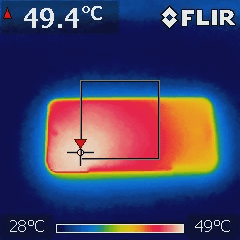
At the end of the 20-minute test, the temperature reached a maximum of 49.4°C. In the image below, the lower left corner of the screen and the upper left corner when held vertically are particularly hot.
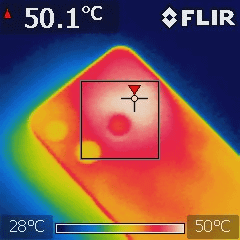
We turned the phone over and measured the temperature from the back. The highest temperature was recorded at 50.1°C, slightly to the right of the rear camera. This is likely where the SoC is located inside. When you actually pick it up, it's clear that it's quite hot, although not so hot that you can't hold it.
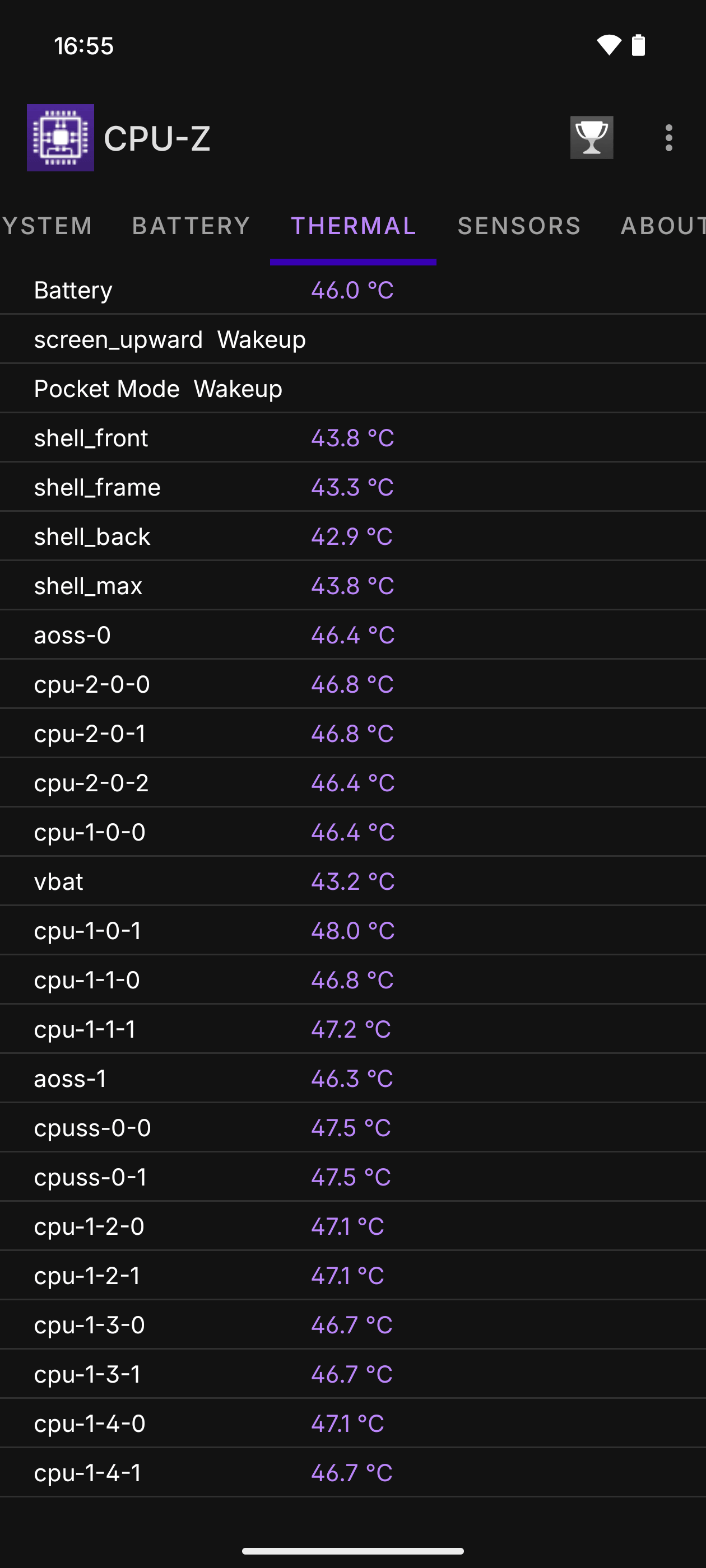
Below is the temperature at the end of the test checked with CPU-Z.
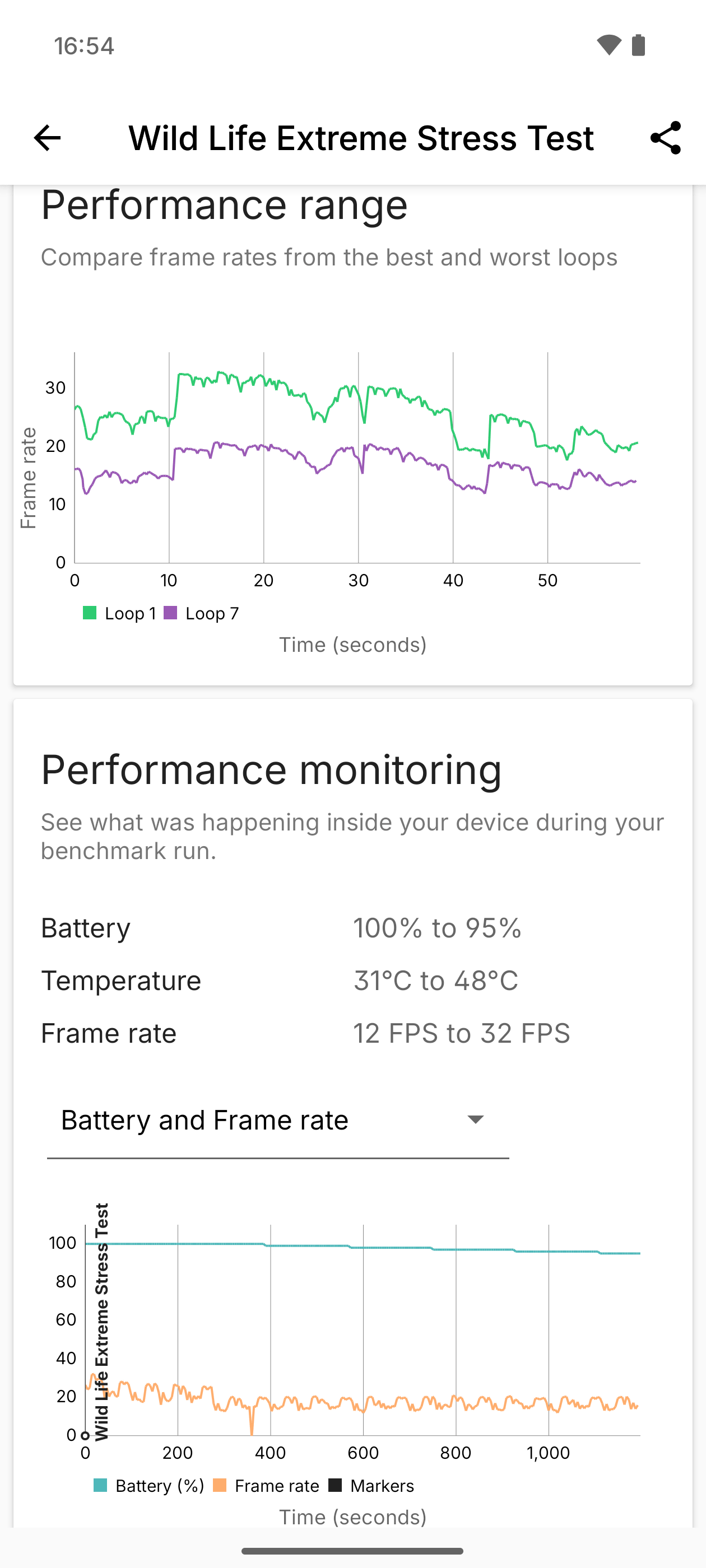
Here's what my Wild Life Extreme Stress Test score looks like. It seems to be staying around 3000 on average.
'Performance monitoring' showing battery and frame rate looks like this. A 20-minute stress test was performed with the battery charged to 100%, and at the end the battery level was 95% and the display frame rate was 12 FPS to 32 FPS.
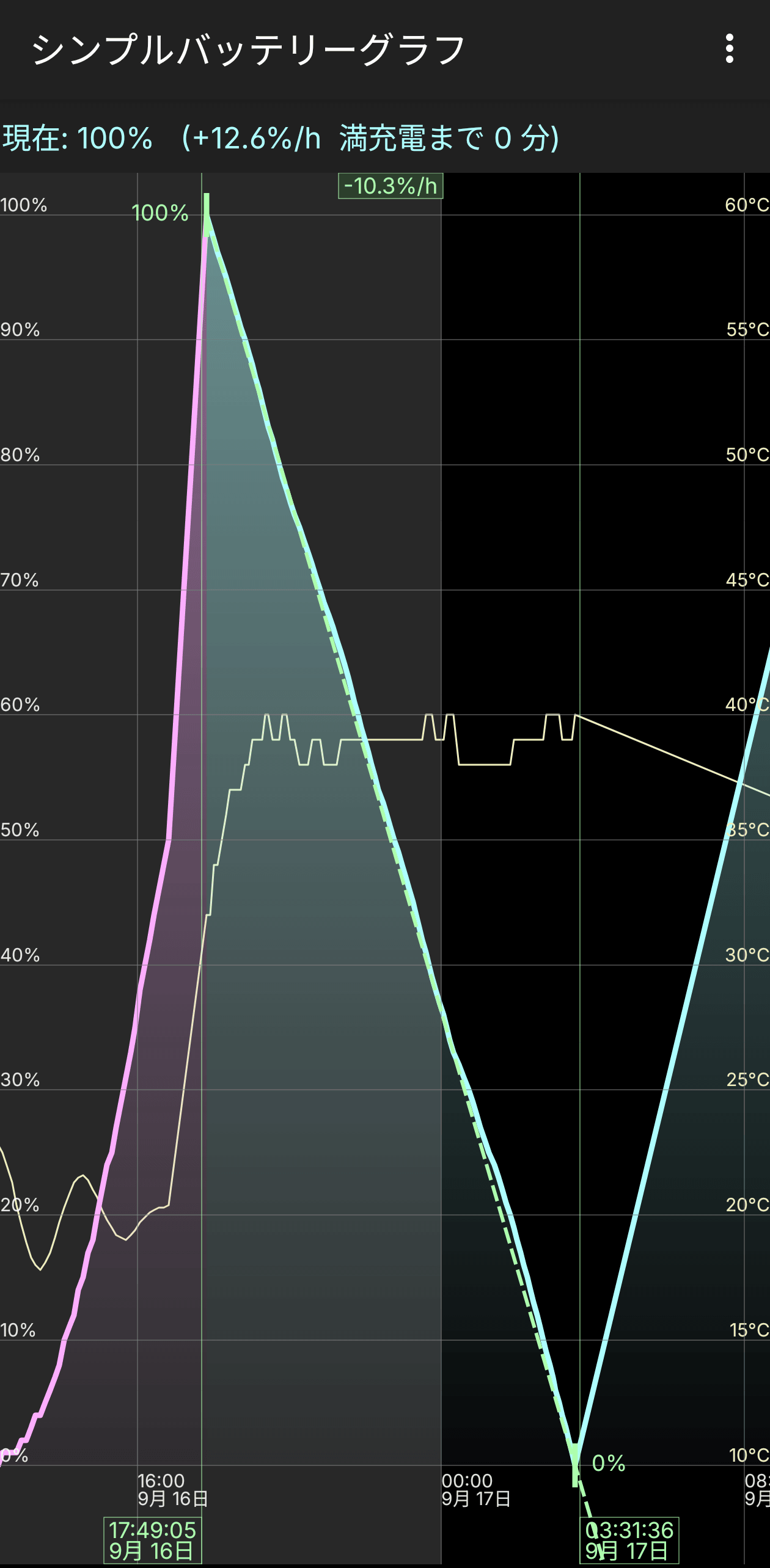
To check the battery life, we played a 4K HDR video on YouTube and recorded it in time-lapse mode, with both screen brightness and volume set to maximum.
The result was that the battery went from 100% to 0% in about 9 hours and 40 minutes. In reality, you can reduce battery consumption a little more by setting the screen brightness and volume appropriately, so if you're just playing videos normally, it should last for nearly half a day. For everyday use, it should be enough for a day.
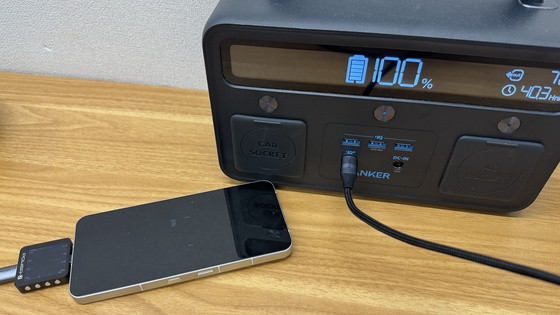
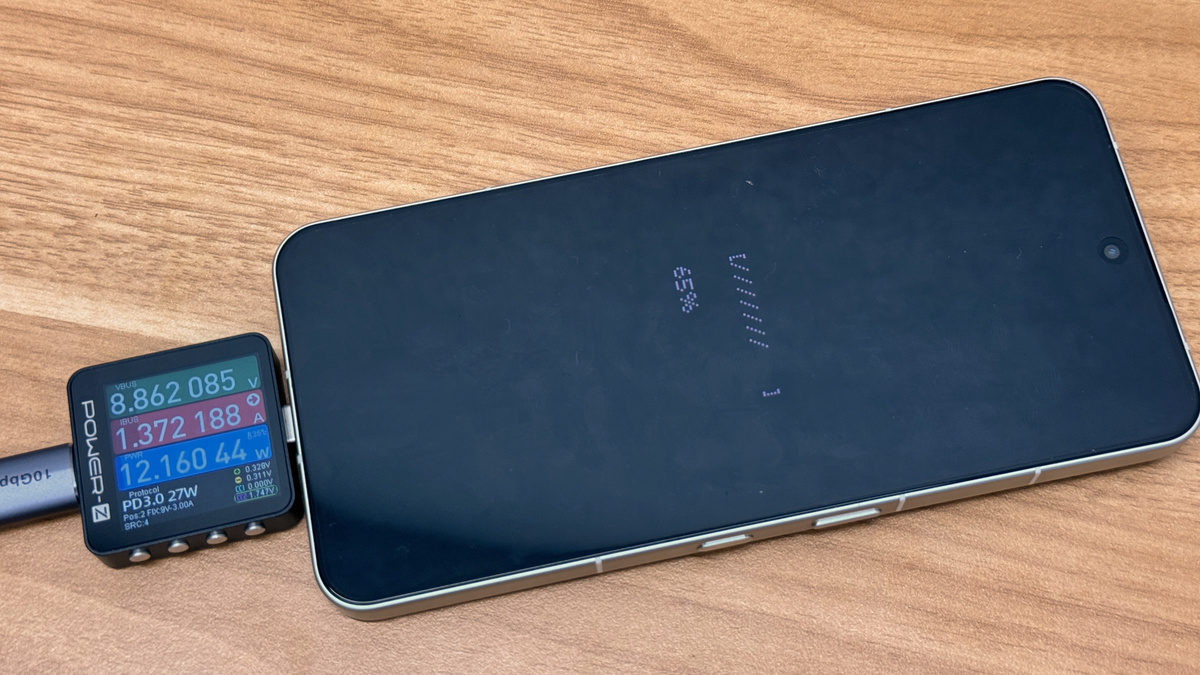
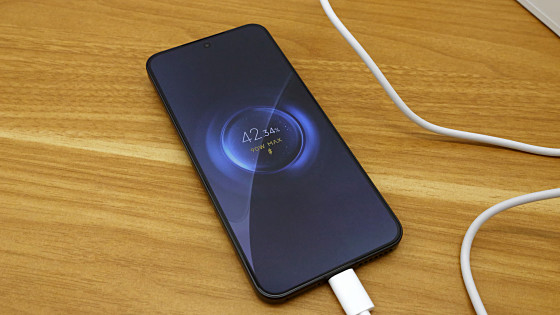
Next, we checked how long it took to charge from 0% to 100%. We connected
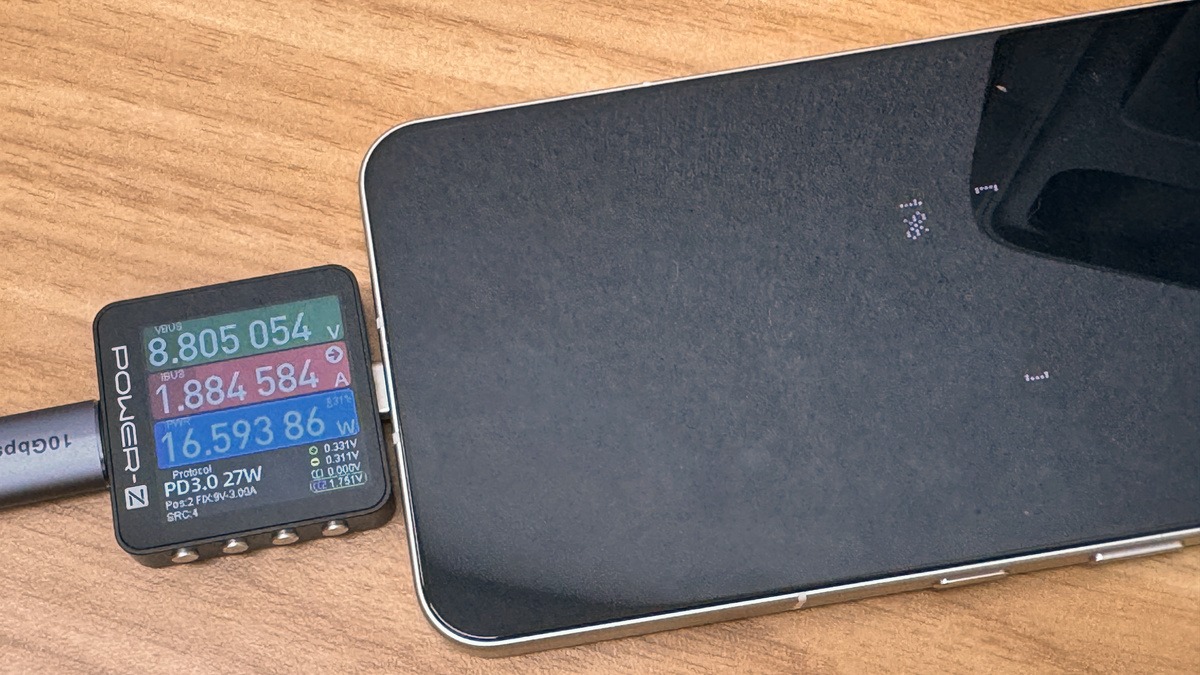
Charging begins. The Power-Z KM003C displays that fast charging is occurring at 27W (9V/3A) via USB PD 3.0. The actual measured power immediately after charging began was approximately 16W.
Just one hour after the start of charging, the battery had recovered to 65%.
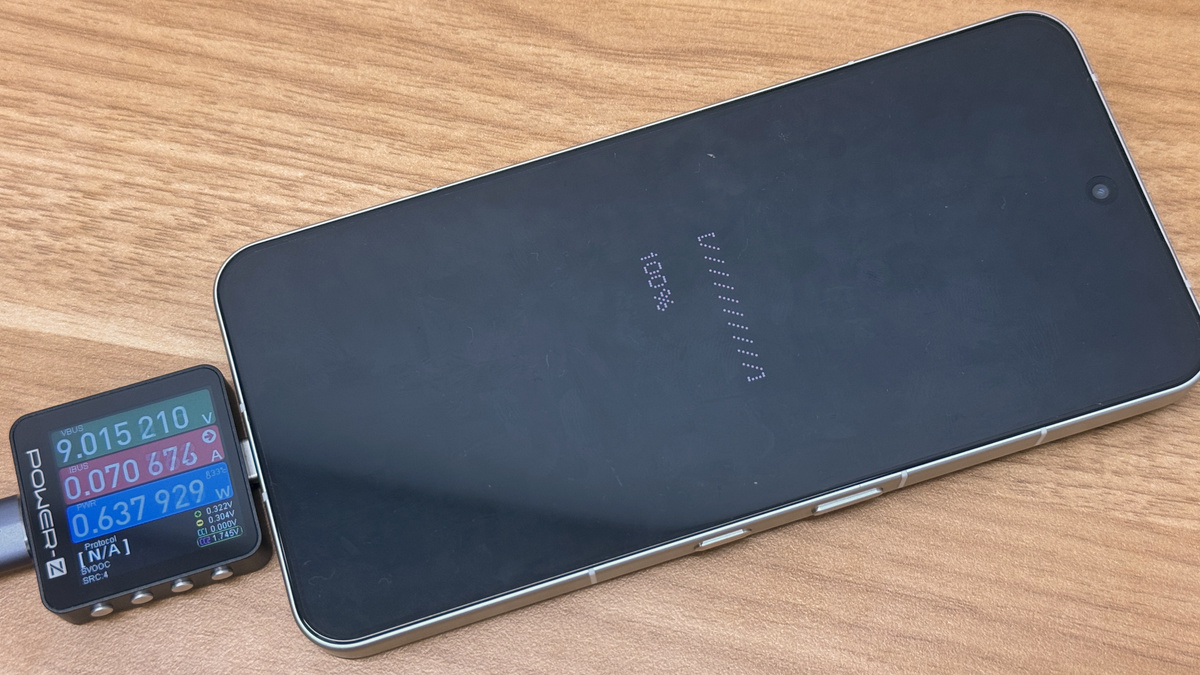
The battery was able to be charged to 100% in about 2 hours.
The price of Nothing Phone (3) is 124,800 yen for the 12GB RAM + 256GB storage model, and 139,800 yen for the 16GB RAM + 512GB storage model. The price of Headphone (1) is 39,800 yen. Both are available in two colors: white and black.
・Continued
A summary of various photos taken with Nothing Phone (3) equipped with a 50-megapixel sensor and four cameras - GIGAZINE
Related Posts:
in Video, Hardware, Smartphone, Review, Posted by log1i_yk