Global warming is progressing 5,000 times faster than the evolution of rice, and it is reaching its heat tolerance limit, casting a dark cloud over the production of 'rice,' which sustains countless lives.
Projected warming will exceed the long-term thermal limits of rice cultivation | Communications Earth & Environment
https://www.nature.com/articles/s43247-025-03108-0
Global warming is accelerating 5,000 times faster than rice can evolve | Live Science
https://www.livescience.com/planet-earth/global-warming-is-accelerating-5-000-times-faster-than-rice-can-evolve
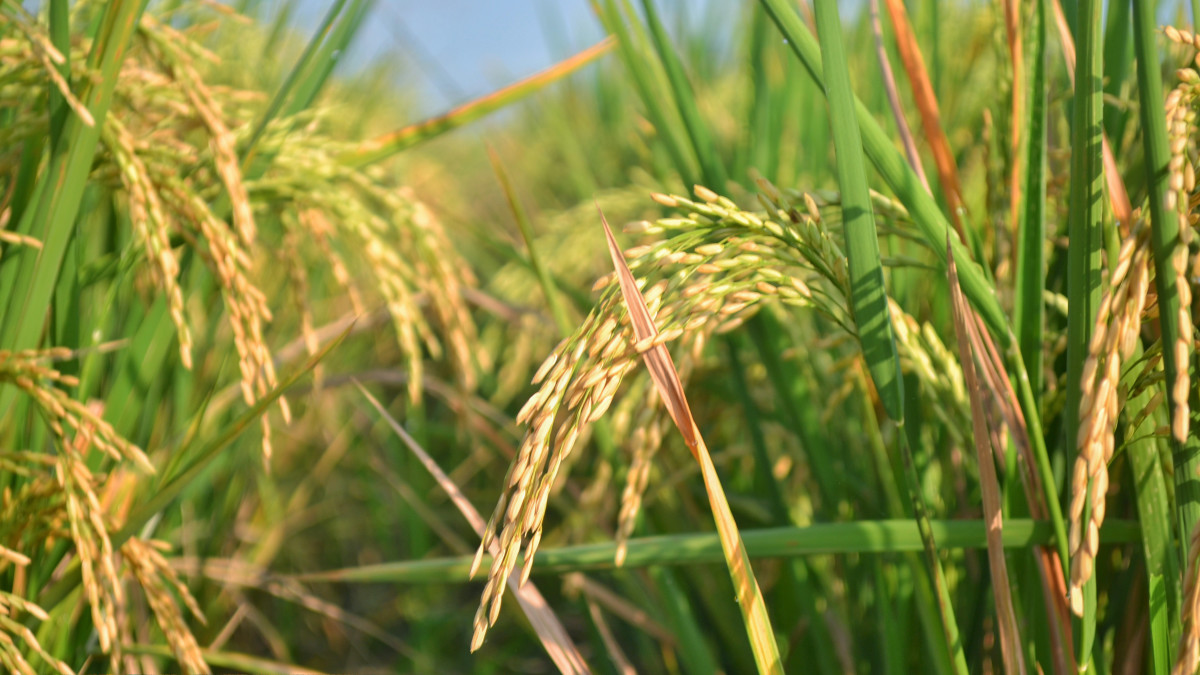
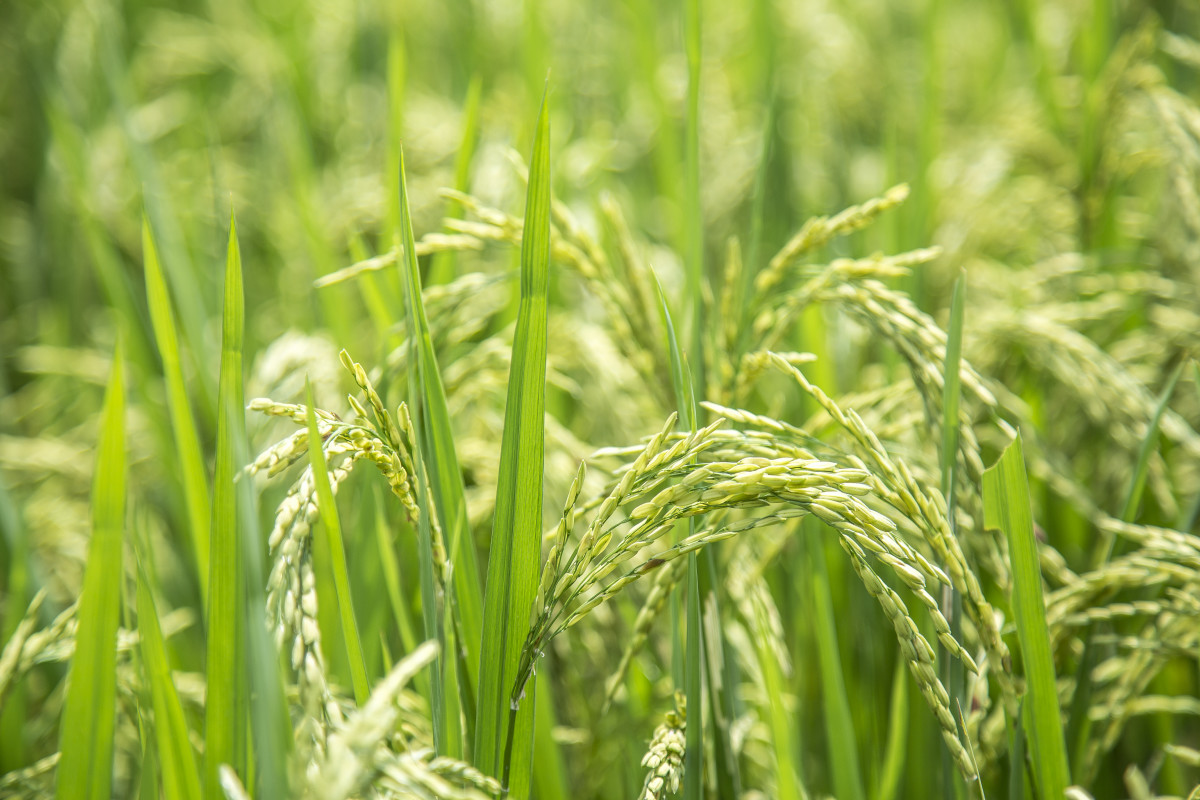
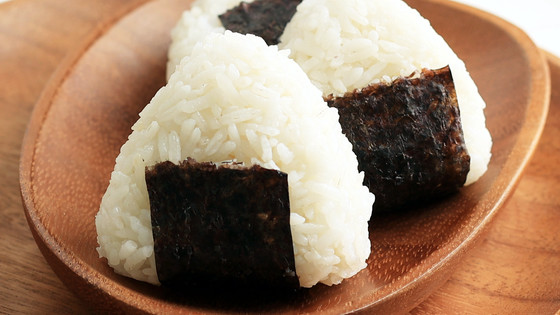
Rice is the grain obtained by removing the outer husk from the rice plant, and it is considered one of the world's three major grains, along with wheat and corn. More than half of the world's population consumes rice as their staple food, but geographically, about 90% of the cultivated area is located in Asia.
However, the predicted rate of global warming far exceeds the rate at which rice has historically adapted to rising temperatures. It is predicted that the temperature increase that will occur by 2070 will be 5,000 times faster than the rate at which most varieties have evolved .
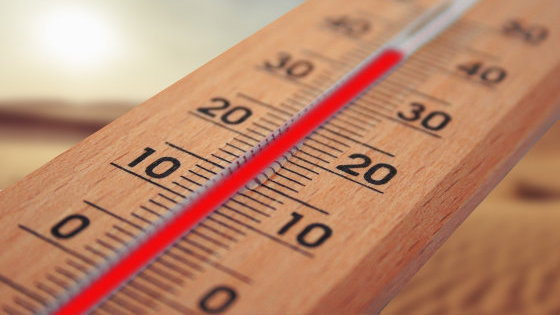
Global warming is already having a serious impact on some rice-growing areas, affecting rice yields. Rice is a crop that prefers high temperatures, but photosynthesis stops at around 40°C, and excessively high temperatures also affect pollen survival and grain growth.
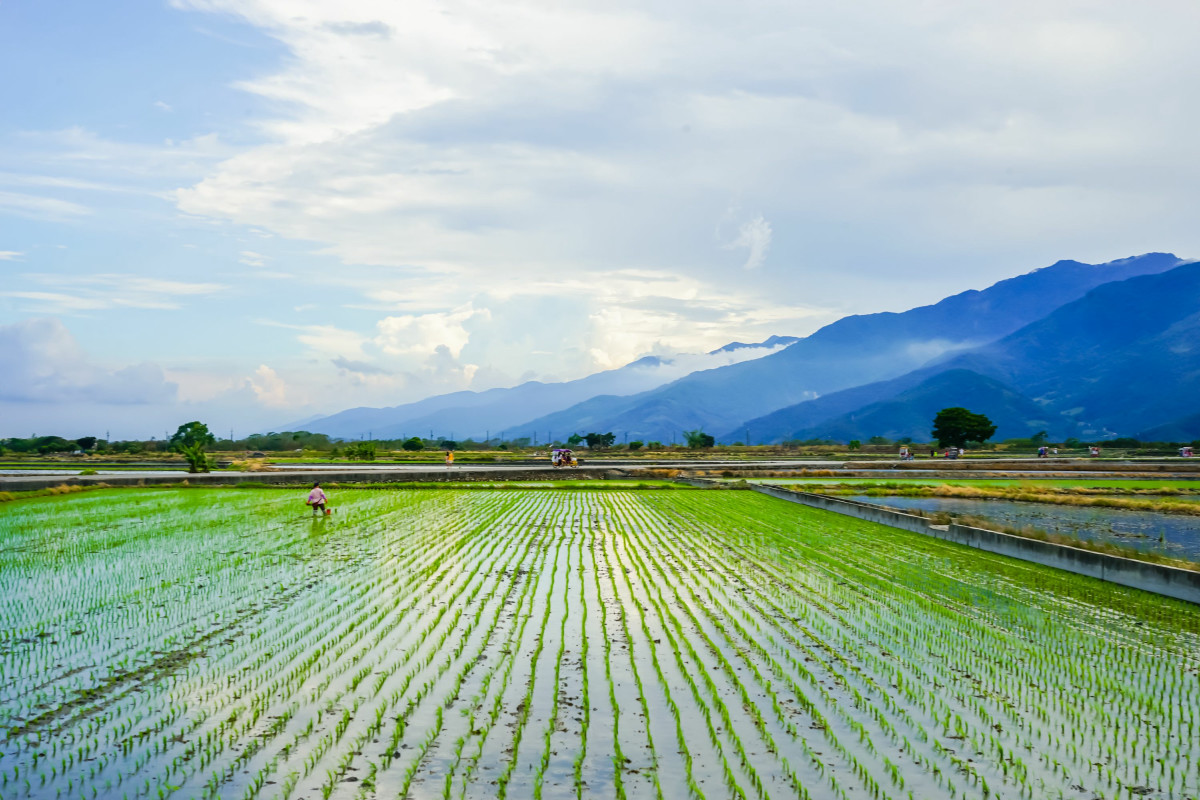
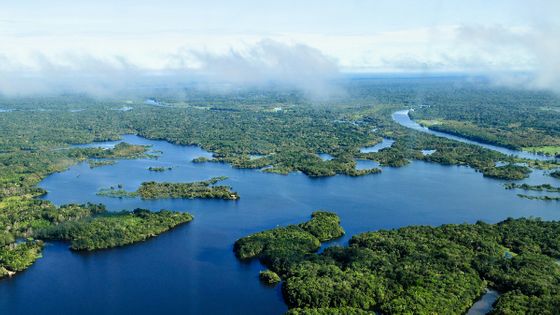
Furthermore, since rice is a crop that requires a large amount of water, the disruption of the rainy and dry season cycle due to climate change is also a problem. In addition, if sea levels rise due to global warming, seawater may seep into rice paddies built in low-lying areas, potentially causing the rice plants to wither and die.
In this study, an anthropologist led by
The research team collected data on past climates from archaeological sites where traces of rice cultivation spanning approximately 1,000 years had been discovered. Analysis of the data revealed that rice cultivation often expanded from warmer regions to colder ones, as humans developed cold-resistant rice varieties through selective breeding.
However, the upper temperature limit for rice cultivation has not changed since rice cultivation began approximately 9,000 years ago. The research team points out that throughout the long history of rice cultivation, rice has rarely flourished in areas where the average annual temperature exceeds 28°C or where the average maximum temperature for the three summer months exceeds 33°C.
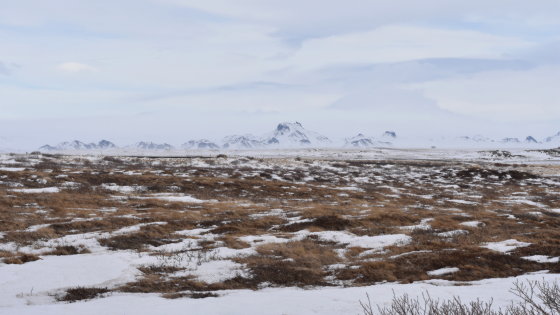
Of course, global warming may cause cold regions unsuitable for rice cultivation at the time of writing to develop warmer climates, potentially making geographical shifts in rice farming possible. However, many rice paddies have been established over centuries and cannot be easily moved.
Furthermore, for farmers and nations that have long relied on rice cultivation as their main source of income, the interruption of rice cultivation would also create economic and food security problems. While it may be possible to maintain global rice production by shifting rice-growing areas, this would not solve the problems of people in South Asia who depend on rice for food and income.
Gauthier stated, 'We do not intend to underestimate the flexibility of human adaptability. However, we must also recognize the fact that human adaptation to rice cultivation is already happening. In some cases, we may be approaching the limits of what we can rationally adapt to in that timeframe.'
Related Posts:



in Free Member, Science, Food, Posted by log1h_ik