PC motherboard sales are expected to fall by more than 25% year-on-year, as consumers are postponing upgrades due to soaring prices for memory, storage, and processors driven by AI.
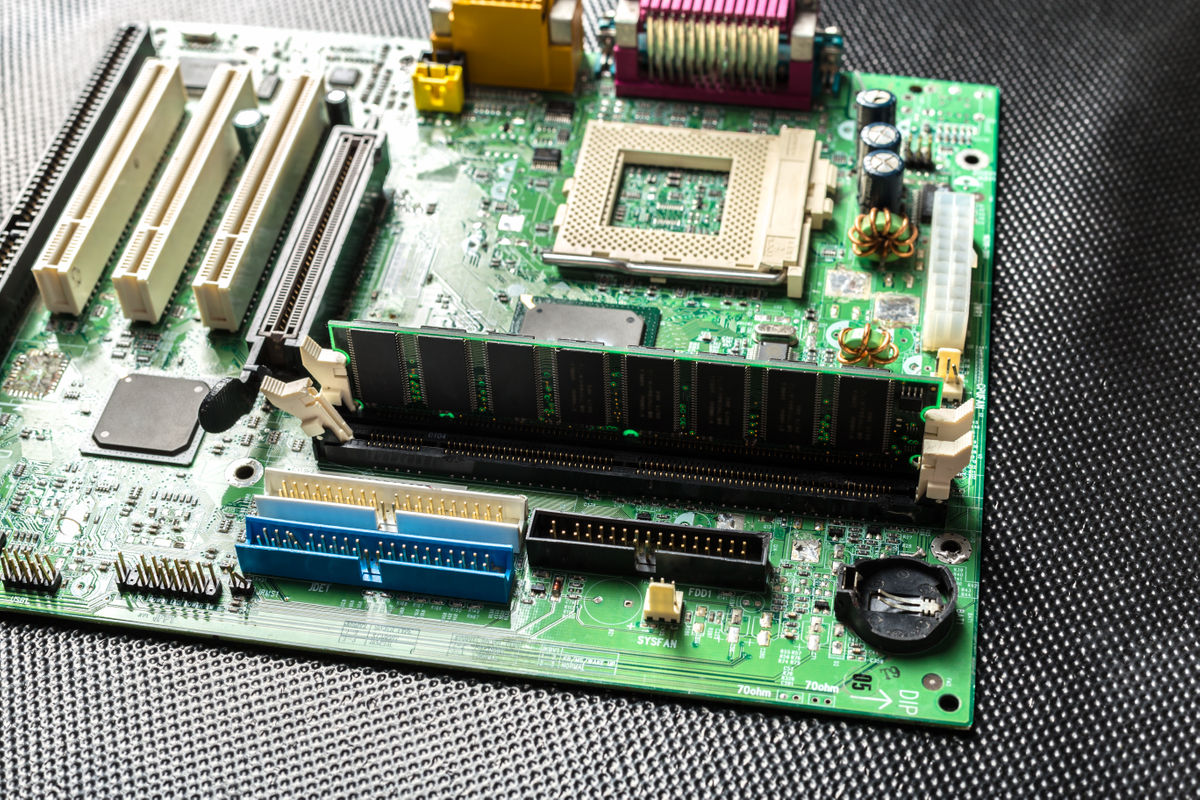
The surge in AI demand has led to massive semiconductor investment in enterprise products, resulting in a drastic decrease in the supply of memory and storage for general consumers—an unusual situation that continues to this day. According to research, the resulting price increases due to the reduced supply have lowered consumer purchasing power, and there are signs of declining sales in the PC market.
(Individual) NVIDIA GPU class slowdown CPU, memory loss PC main board factory output target all lines collapse
Motherboard sales 'collapse' by more than 25% as chipmakers strangle enthusiast PC market to build more AI chips — Asus projected to sell 5 million fewer boards in 2025, Gigabyte, MSI, and ASRock also expected to see reduced sales numbers | Tom's Hardware
https://www.tomshardware.com/pc-components/motherboards/motherboard-sales-collapse-by-more-than-25-percent-as-chipmakers-strangle-enthusiast-pc-market-to-build-more-ai-chips-asus-projected-to-sell-5-million-fewer-boards-in-2025-gigabyte-msi-and-asrock-also-expected-to-see-reduced-sales-numbers
Taiwanese media outlet Digitimes reports that the market is stagnating because consumers with limited funds are postponing PC upgrades and continuing to use their current devices for longer, leading the four major motherboard manufacturers to revise their sales targets downwards.
For example, ASUS sold 15 million motherboards in 2025, but shipments in the first half of 2026 were only slightly over 5 million. The company is expected to struggle to even sell 10 million by the end of the year, which would represent a 33% decrease in sales compared to the previous year.
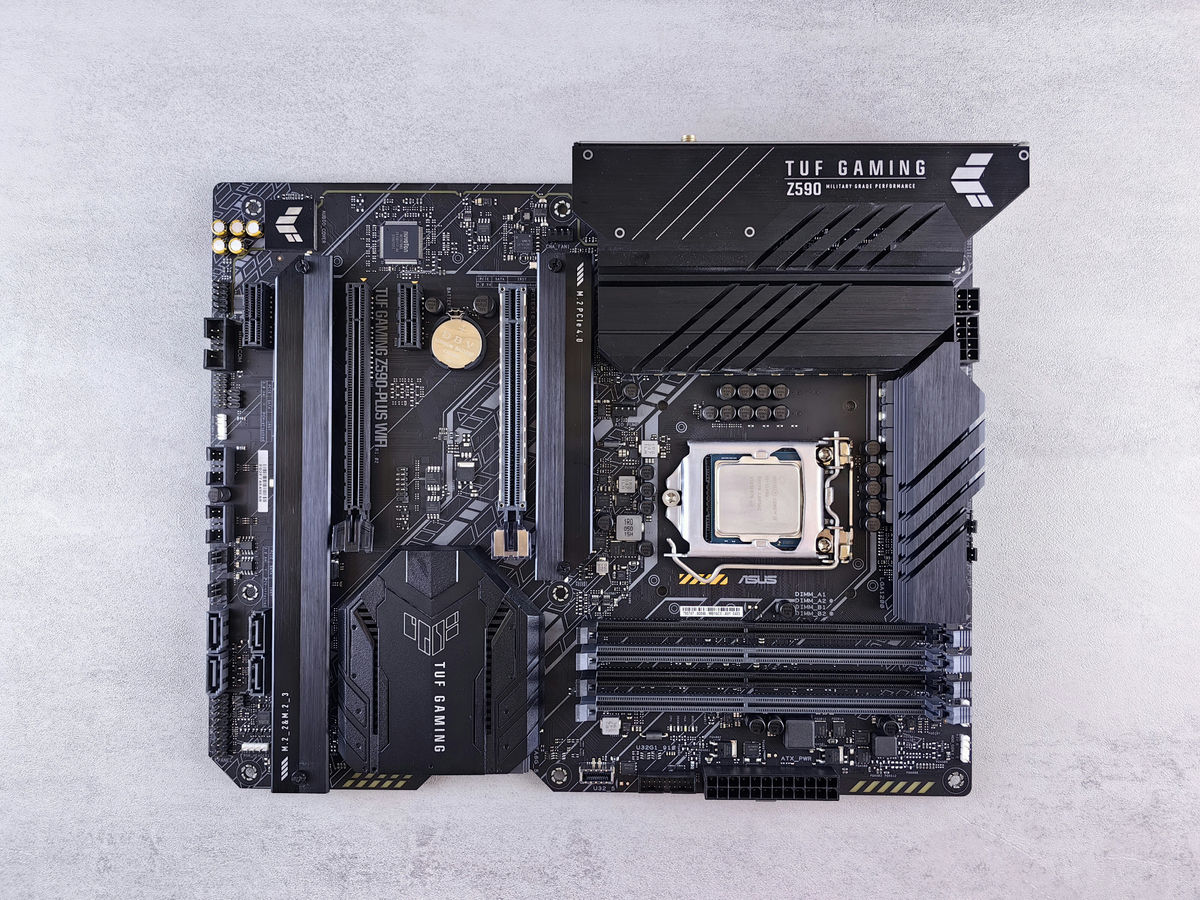
Gigabyte and MSI sold 11.5 million and 11 million motherboards respectively in 2025, but have revised their internal forecasts downwards for 2026, with Gigabyte projecting 9 million units and MSI 8.4 million units. This represents a 22% decrease for the former and a 24% decrease for the latter.
ASRock is expected to be hit the hardest in this situation. The company's shipments are projected to fall by 37%, from 4.3 million units in 2025 to just 2.7 million units by the end of 2026.
Looking at the four major companies as a whole, overall motherboard sales will decrease by 28%.
Digitimes reported, 'This situation is worse than past financial crises or the first year of the COVID-19 pandemic.'
The decline in sales is thought to be due to a combination of factors: a shortage of supply and soaring prices for the two main components, memory and CPU; a slowdown in the update cycle of major GPU manufacturer NVIDIA; and a decline in consumer spending due to overall inflation.
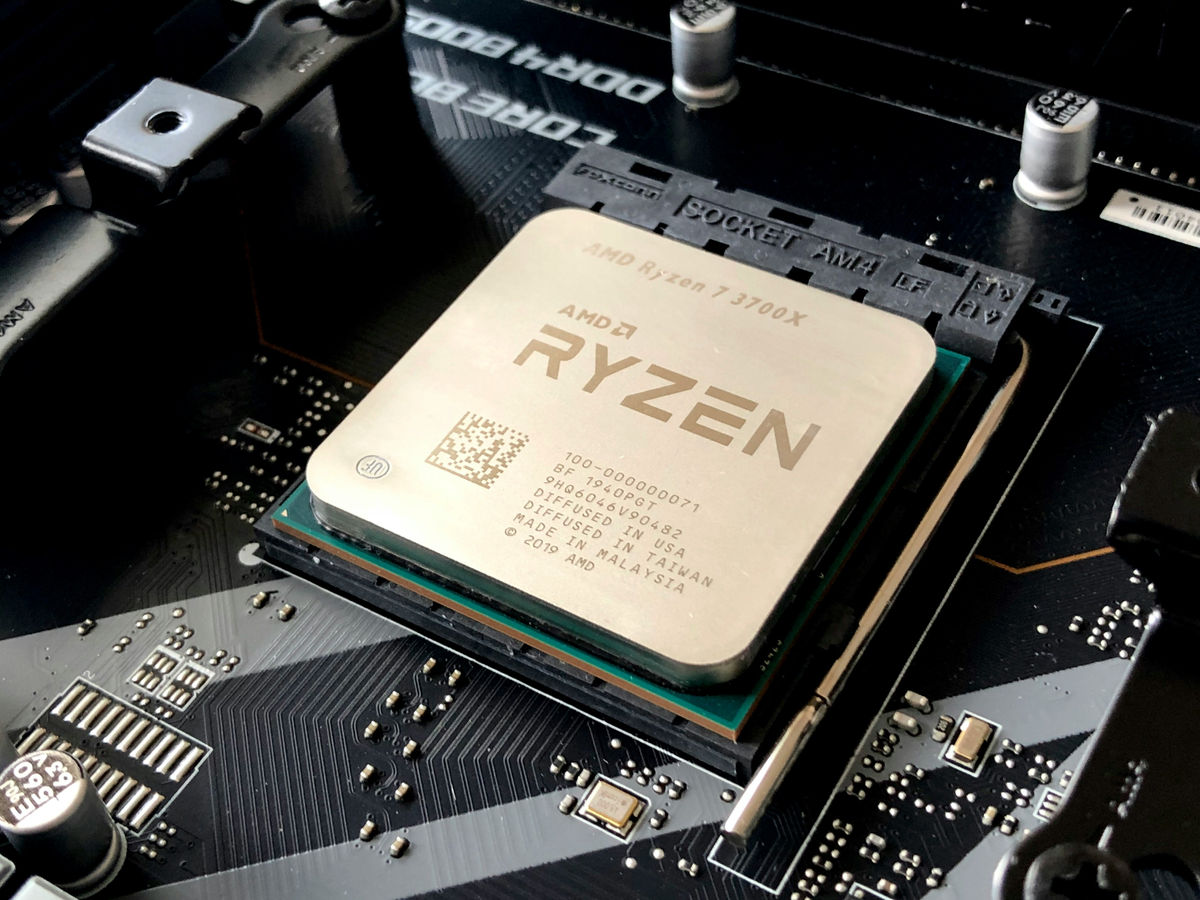
However, despite a decline in sales, these companies are not in dire straits, as they are shifting part of their production towards AI servers. For example, ASUS's server business revenue for 2025 is projected to grow by more than 100% year-on-year, and its server business revenue for the first quarter of 2026 is also expected to increase by approximately 100% compared to the previous quarter.
The semiconductor shortage will have far-reaching consequences, not only for PC products but also for other high-performance electronic devices such as smartphones, which are expected to experience supply shortages.
Global memory supply is expected to only meet 60% of demand by 2027, and memory will account for approximately 40% of the manufacturing cost of low-cost smartphones by mid-2026 - GIGAZINE
Related Posts:




in Hardware, Posted by log1p_kr