Mercedes-Benz plans to bring back physical buttons.
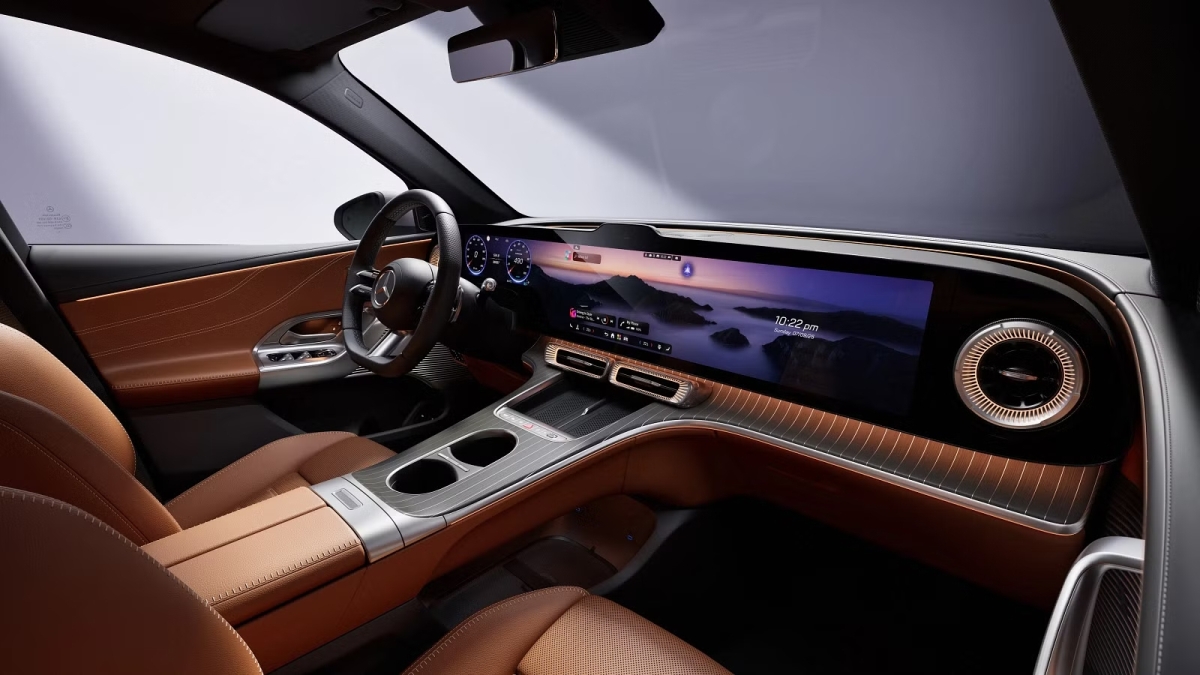
While in-car controls are increasingly being consolidated onto large touchscreens, this presents a problem: frequently used functions like air conditioning and volume control become difficult to operate while driving when they're included in the on-screen menu. Mercedes-Benz has indicated that it will continue to use large screens while also bringing back physical buttons for essential functions that drivers want to operate directly.
Mercedes to reintroduce buttons – but stick with big screens | Autocar
Mercedes-Benz commits to bringing back physical buttons | Drive
https://www.drive.com.au/news/mercedes-benz-commits-to-bringing-back-phycial-buttons/
In an interview with British automotive media outlet Autocar, Matthias Geisen, head of sales at Mercedes-Benz, stated that they will continue to use large touchscreens in future vehicles to showcase their digital capabilities. Geisen explained that connecting with customers requires various functions to work smoothly behind the screen, but added that they plan to provide physical buttons and switches that customers can press without opening the screen for specific functions they want to access immediately.
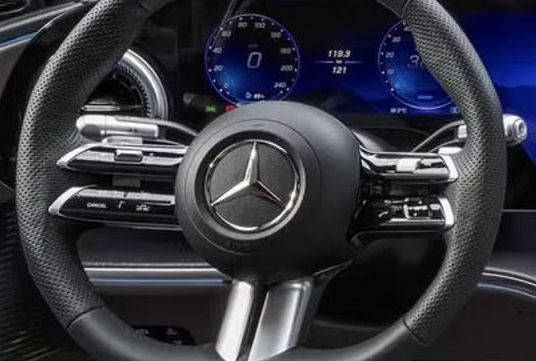
Furthermore, Geisen acknowledged that Mercedes-Benz has changed its approach to physical controls. As a specific example, he cited the return of roller-type controls that are operated by physically rotating them, replacing the touch-sensitive pads on the steering wheel.
According to Geisen, customers have told him that while the idea of reducing physical buttons and consolidating operations onto touchscreens is 'good in theory, it's not practical for them.' Customer surveys have also clearly shown that customers 'like large screens, but want physical controls for certain functions,' leading Mercedes-Benz to opt for a combination of screen and physical controls.
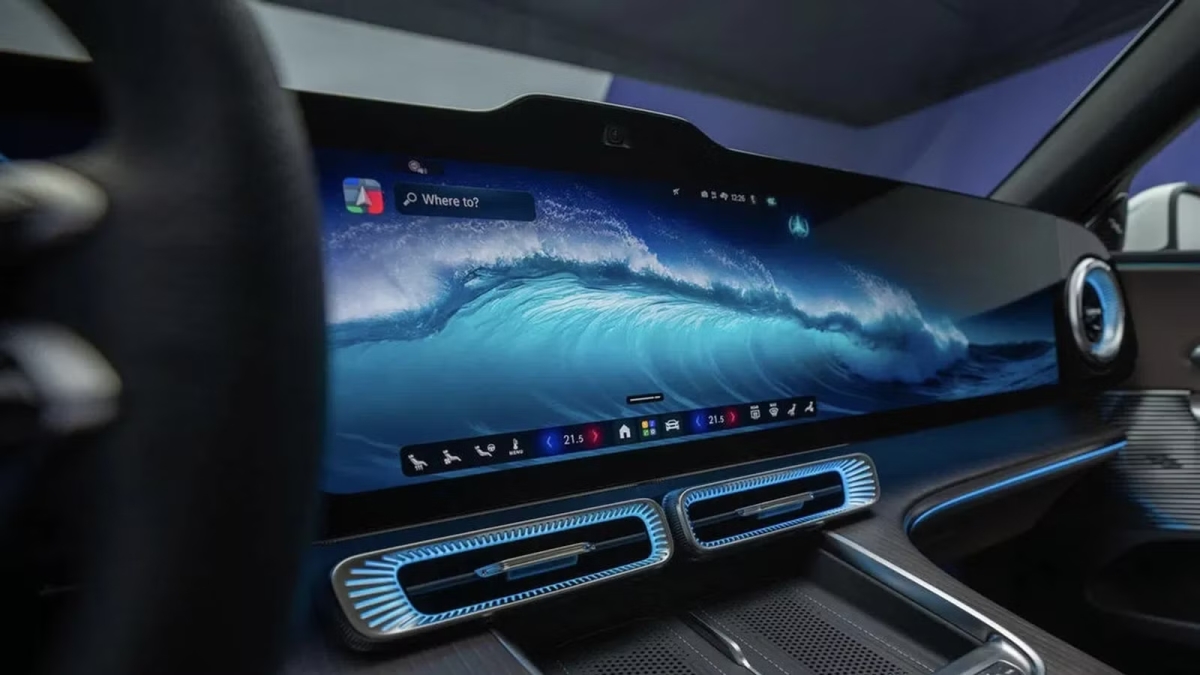
According to Australian automotive media outlet Drive, the upcoming GLC SUV and C-Class will feature a large 39.1-inch MBUX Hyperscreen display that covers almost the entire width of the dashboard.
On the other hand, physical buttons will be placed in front of the dual wireless chargers, and physical buttons and switches will also return to the steering wheel.
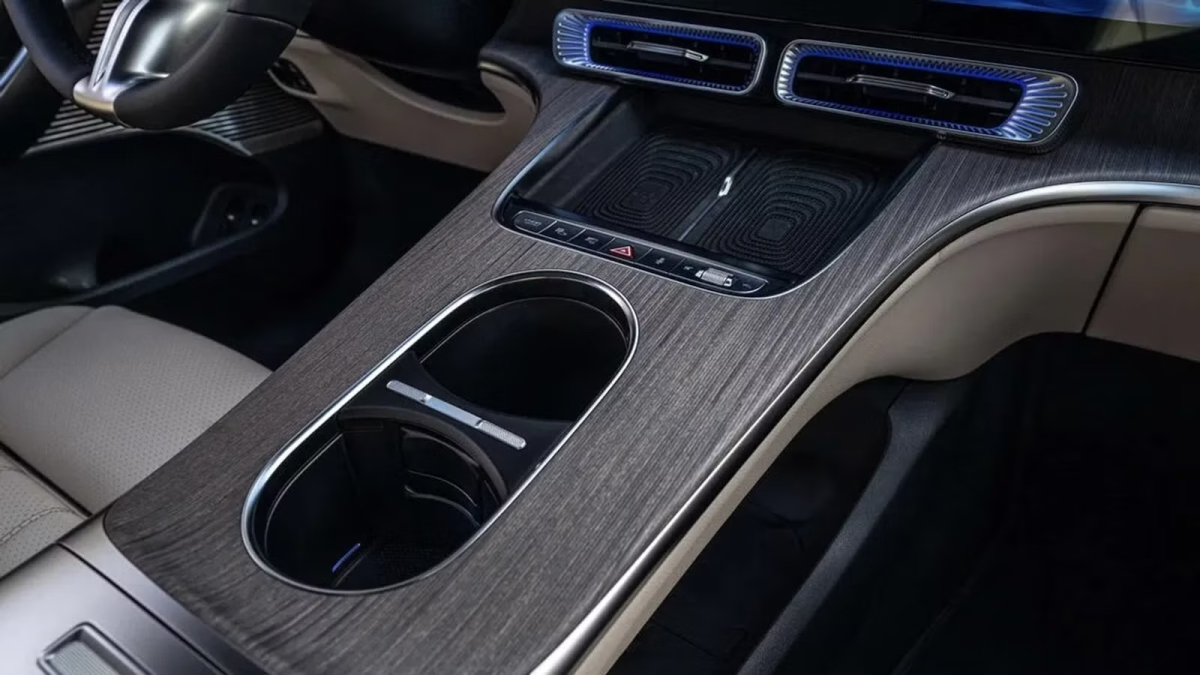
According to Drive, Audi and Volkswagen have chosen to reduce the size of their in-car infotainment screens for navigation, music, and vehicle settings in order to make space for physical buttons. Mercedes-Benz, on the other hand, has opted to maintain its large display size and add physical buttons and switches for necessary functions.
Furthermore, Mercedes-Benz will not only bring back physical buttons but will also introduce a wallpaper function to the infotainment screen of the new C-Class. Geisen says he understands why some manufacturers are opting for more functional touchscreens, but explains that in order to connect with customers, they need to find a way to bring the digital experience of smartphones into the car.
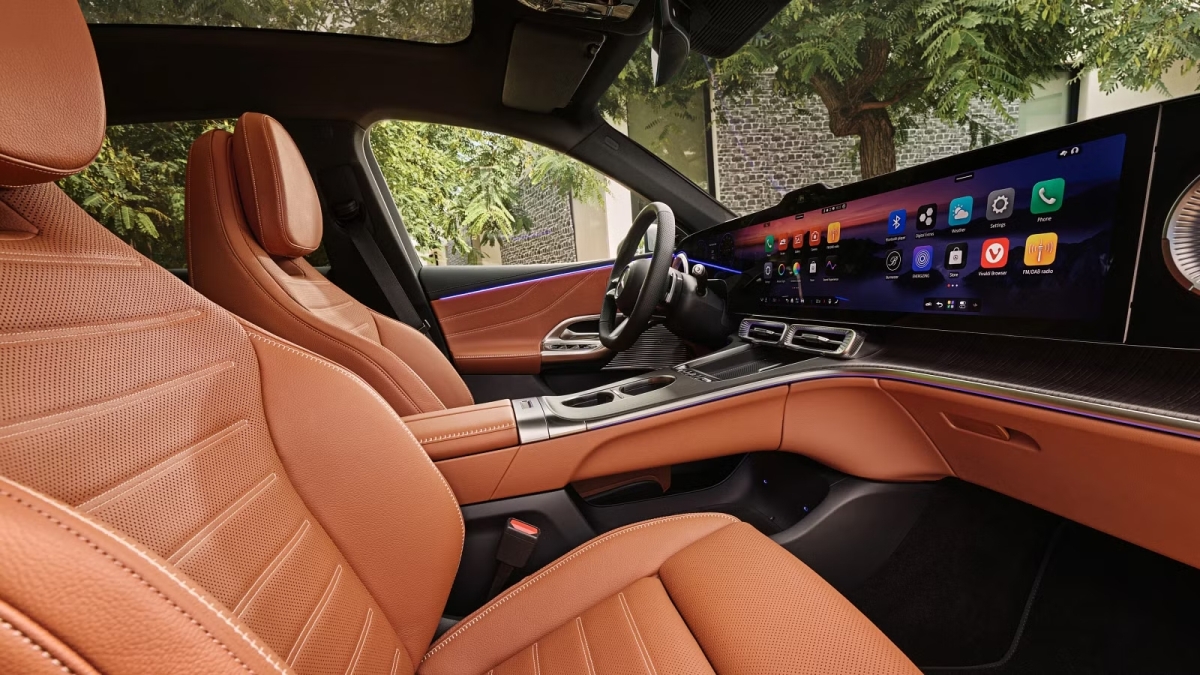
Geisen stated that being able to display wallpapers and photos of children on a seamless, ultra-high-resolution screen approximately one meter in size would allow people to customize their interiors to their liking, not only in terms of hardware but also software.
Related Posts:

in Vehicle, Posted by log1b_ok