The reason why it took four years to make a proper USB cable
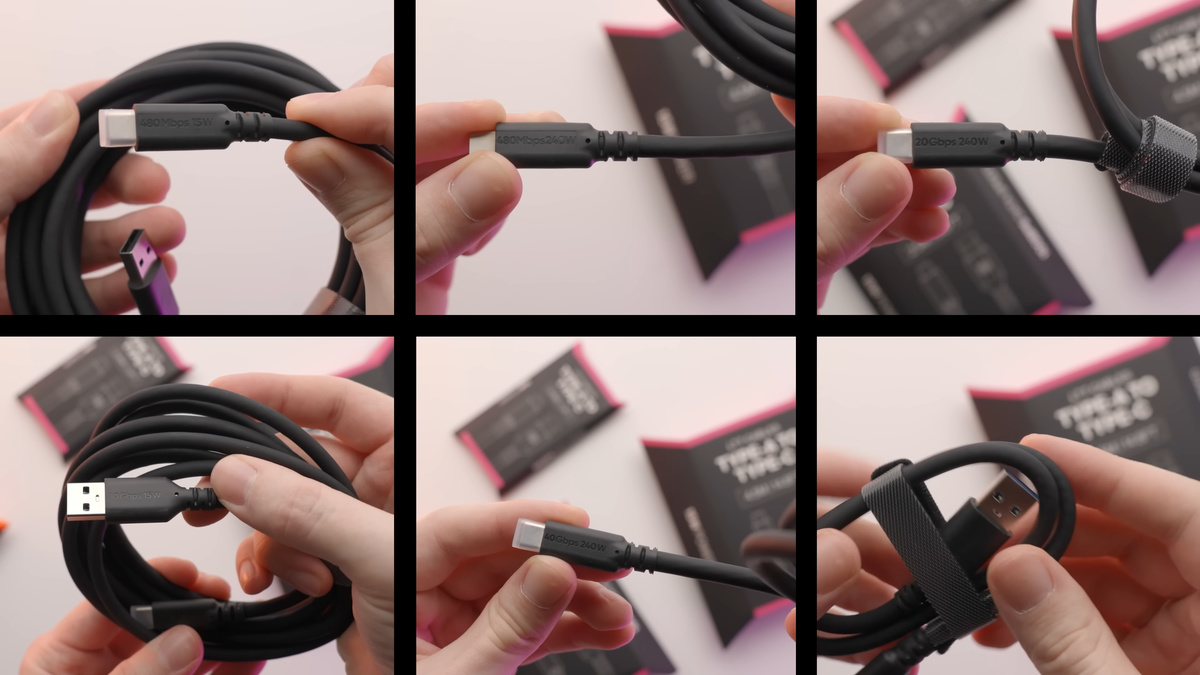
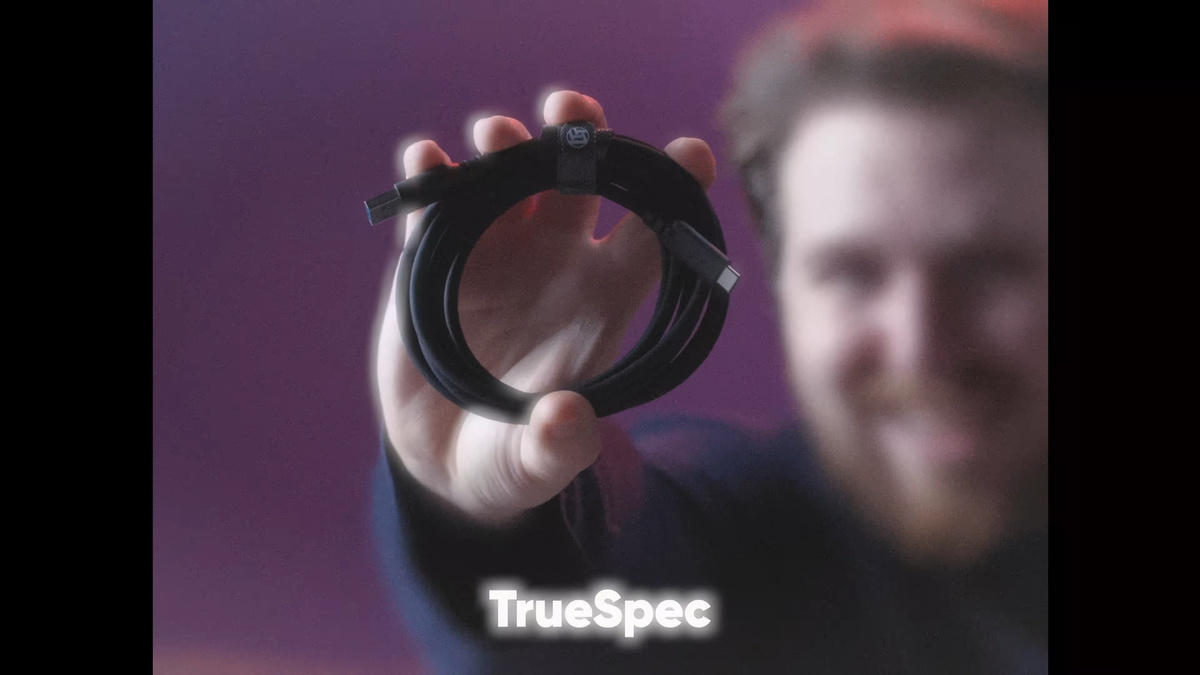
Technology YouTuber Linus Tech Tips has developed and is selling a custom-made USB cable called the 'LTT TrueSpec Cable.' It took him about four years from the start of development to the release of the LTT TrueSpec Cable, and Linus Tech Tips talks about the difficulties he faced in a video.
Linus Tech Tips points out that the cable industry has problems such as unclear labeling, high prices, low durability, and a proliferation of products that do not meet specifications.
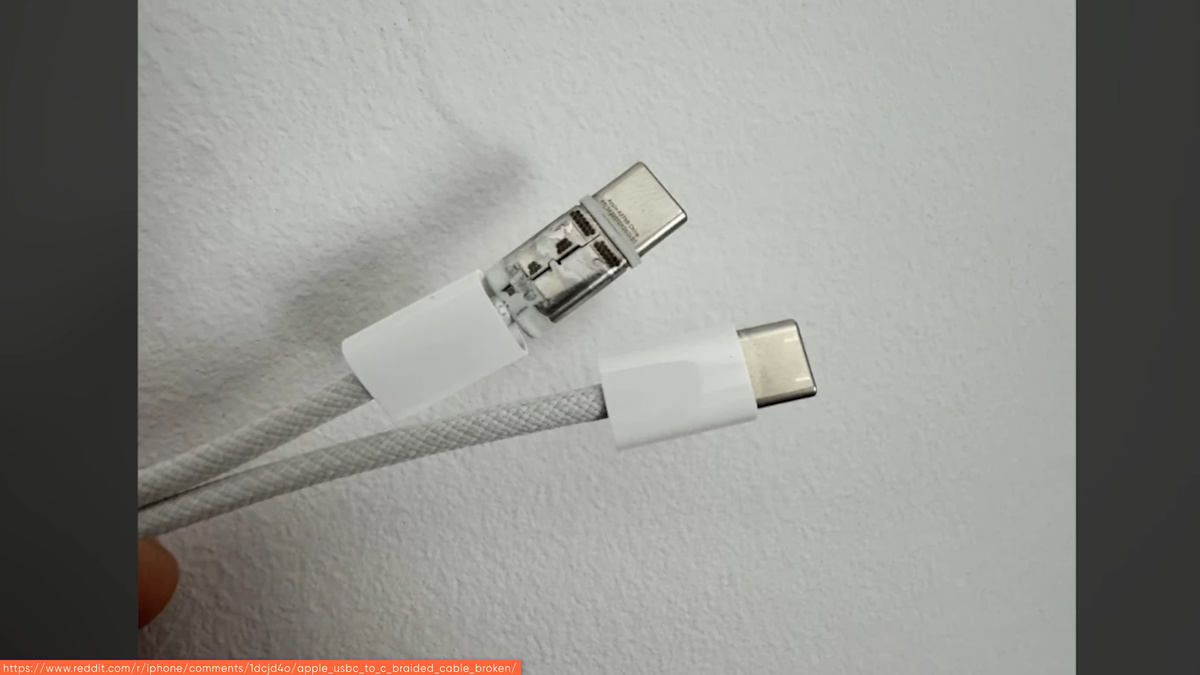
Many people don't have expensive measuring equipment, so they can't spot faulty cables and tend to assume that equipment malfunctions are due to problems with the main unit. That's why Linus Tech Tips set out to create the 'LTT TrueSpec Cable' that would function according to specifications.
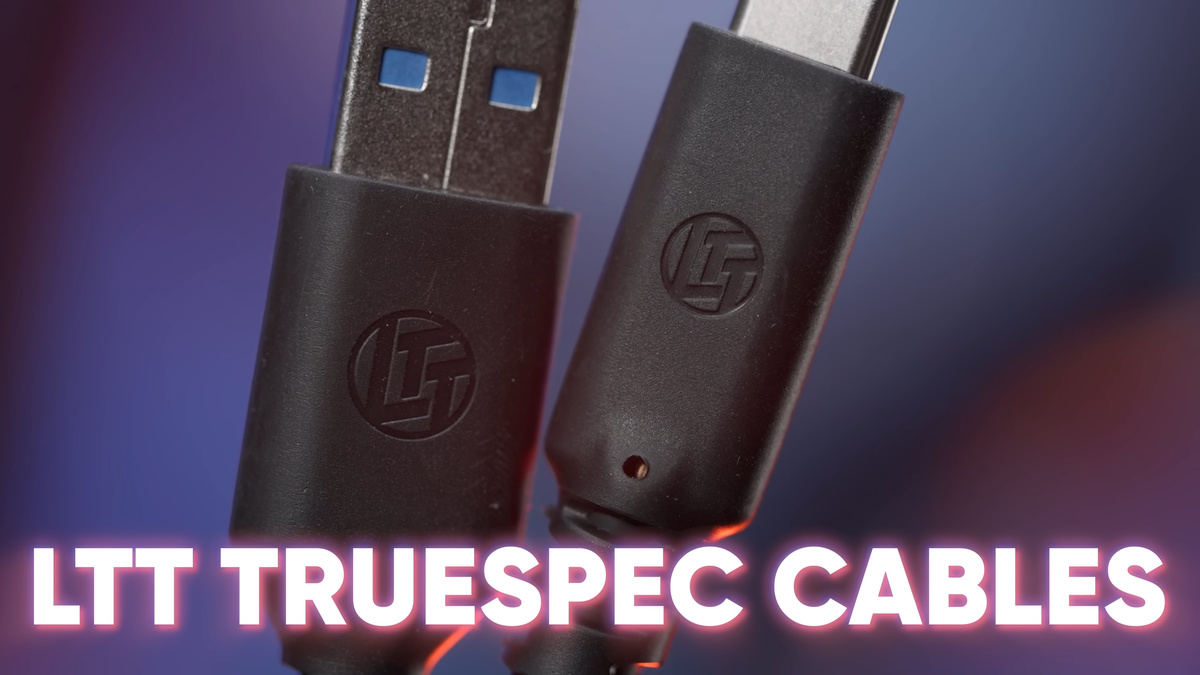
Apparently, the first year was spent simply putting the development project on hold because they were busy with other product development, but the following year was spent searching for a manufacturing partner.
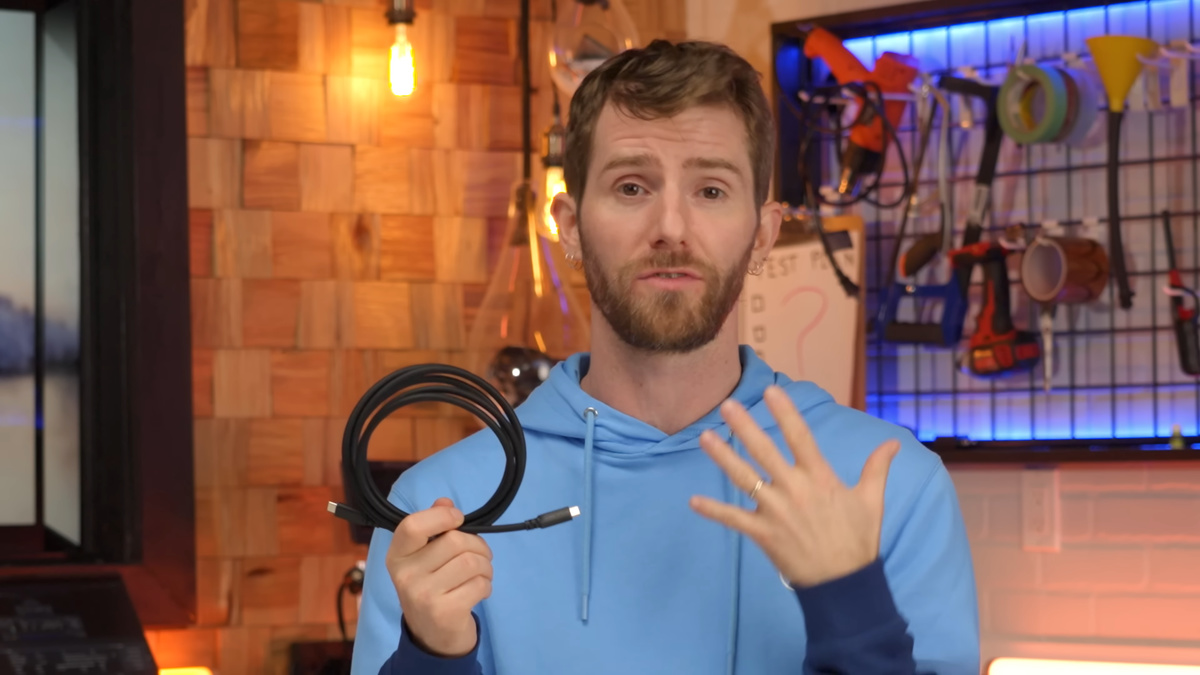
Linus Tech Tips contacted more than 30 companies and evaluated hundreds of samples, but found it difficult to find a factory that could consistently pass the basic signal quality tests.

Linus Tech Tips also states that 'even if a cable appears to work, it may actually be underperforming.' A cable that fails tests might still work when connected to a PC because USB has a mechanism to detect errors and retransmit; however, even if it appears normal on the surface, communication may actually be disrupted.
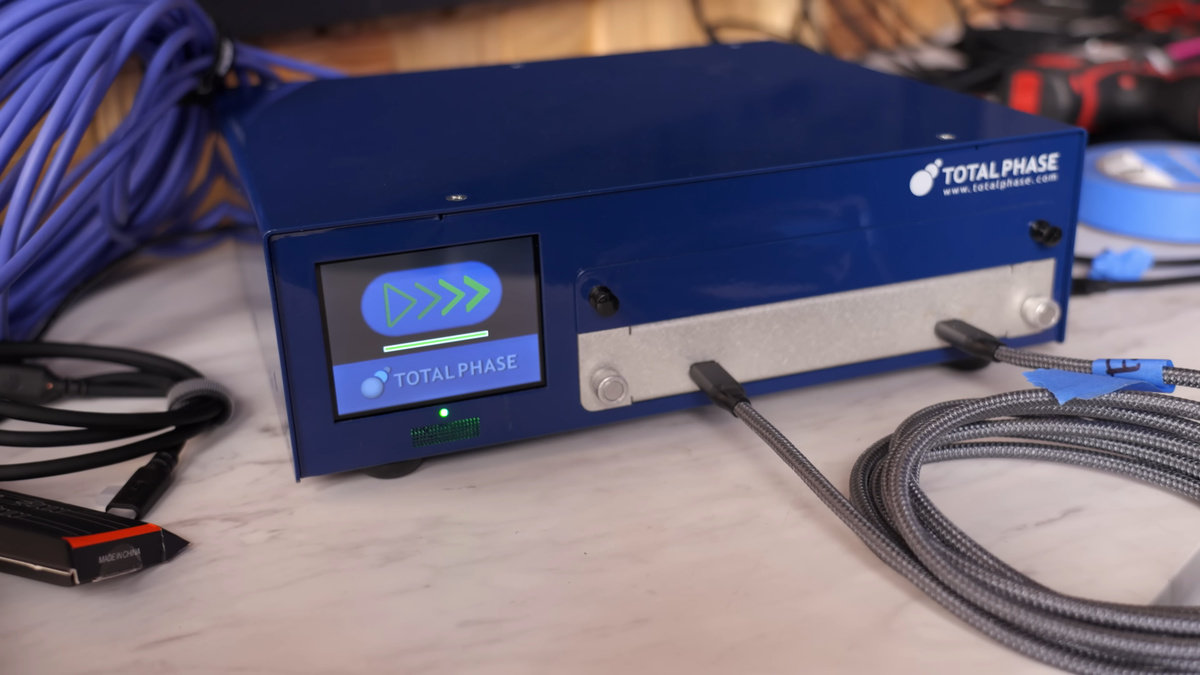
Therefore, evaluating cables isn't enough if it simply 'connects'; you also need to look at 'how cleanly it can transmit signals.'
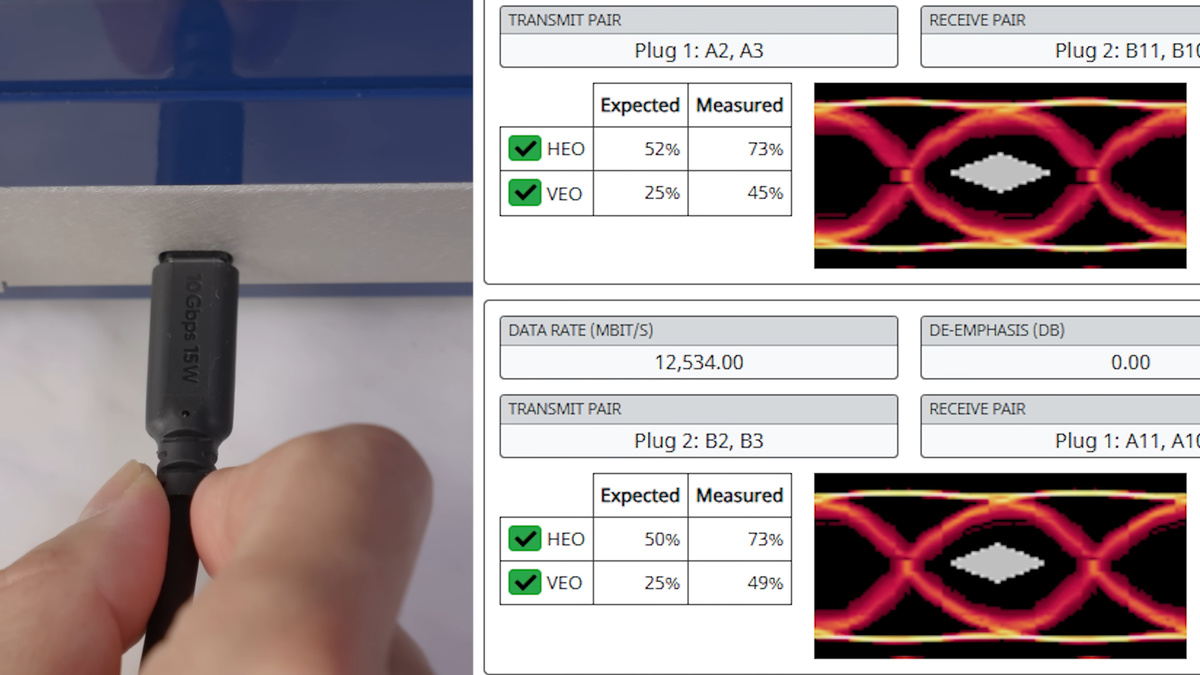
Therefore, we moved on to the stage of searching for a factory that could maintain stable signal quality even with differences in speed and length. In the initial samples, even when looking at batches of 100, not all of them passed inspection, and moreover, it wasn't just a matter of one defective unit by chance, but often entire lots of a particular length or specification were defective. This revealed that it wasn't just a matter of quality variation, but that the factory's manufacturing capacity itself was insufficient.
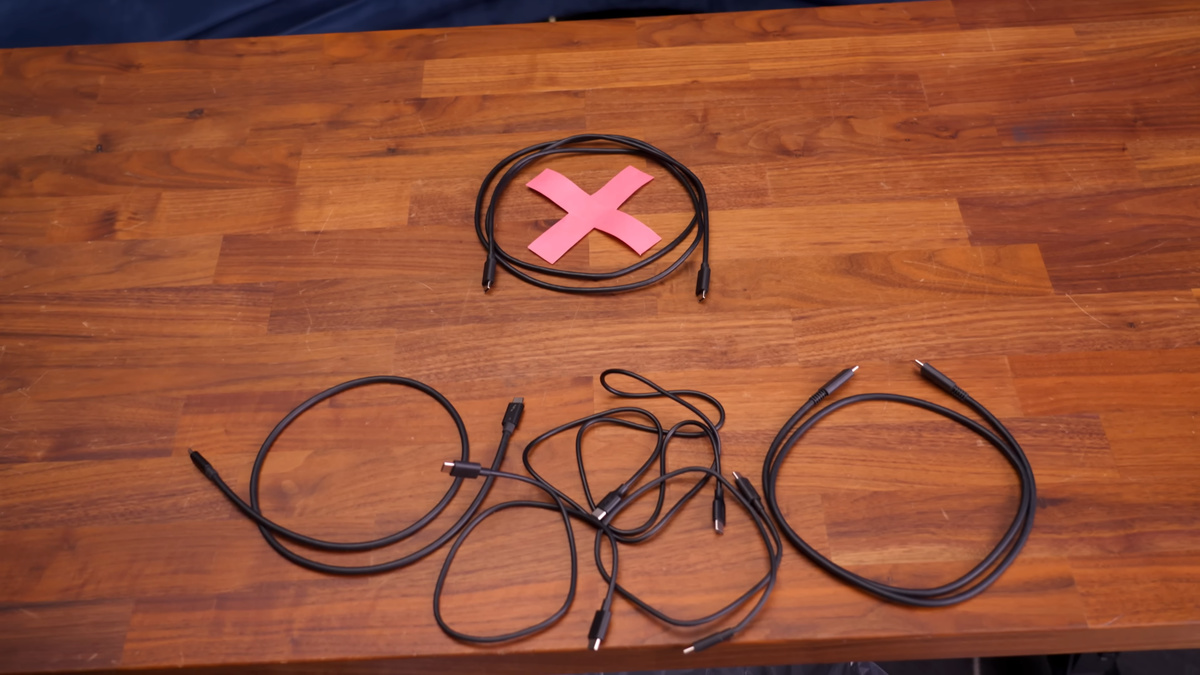
Towards the end of the second year, we finally found a factory where all samples passed signal testing, and from there we could move on to the full-scale design phase. Linus Tech Tips' goal wasn't simply to develop a 'sellable cable,' but to aim for the best possible specifications within the limits of what was achievable for each length.
USB Type-C, USB4, and USB PD have a vast amount of documentation and a great many conditions that should ideally be followed. However, many products on the market only loosely adhere to these standards. Therefore, Linus Tech Tips chose to focus on creating a robust internal structure.
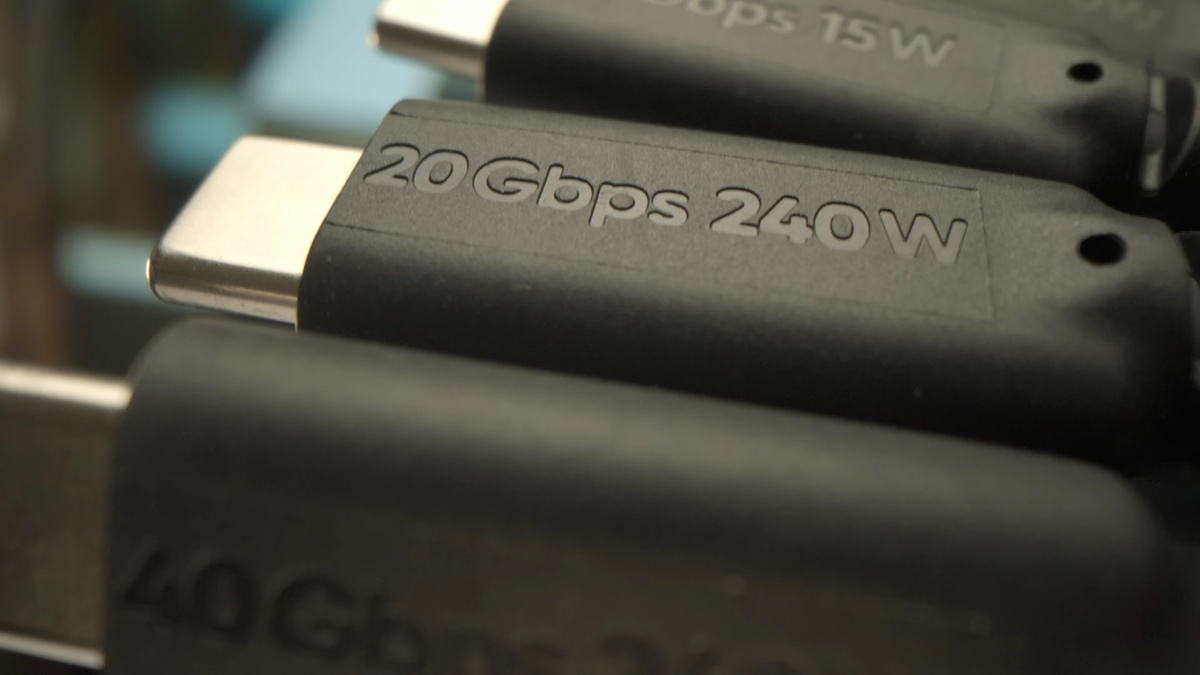
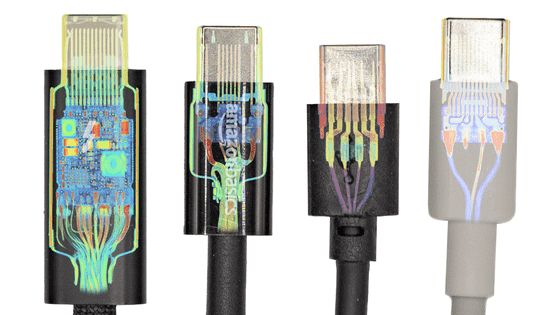
According to Linus Tech Tips, LTT TrueSpec Cable differs significantly from inexpensive, conventional cables not only in the construction of power lines and shielding, but also in the construction of high-speed signal lines. In particular, Linus Tech Tips states that signal quality is prioritized by using a coaxial structure instead of the common twisted pair in the high-speed signal section.
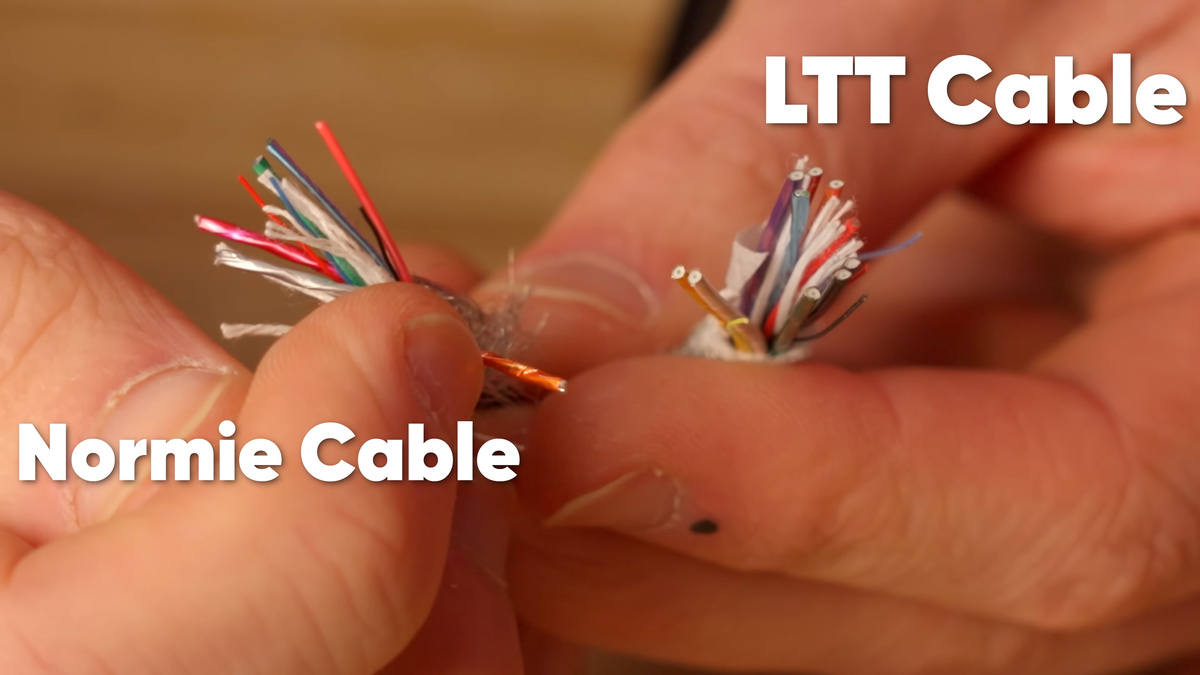
However, coaxial structures also have drawbacks: they are expensive, tend to be thick, and have reduced flexibility. Therefore, a silicone coating was adopted to ensure resistance to ultraviolet rays, resistance to bending, and ease of storage, thus achieving a balance between performance and usability.
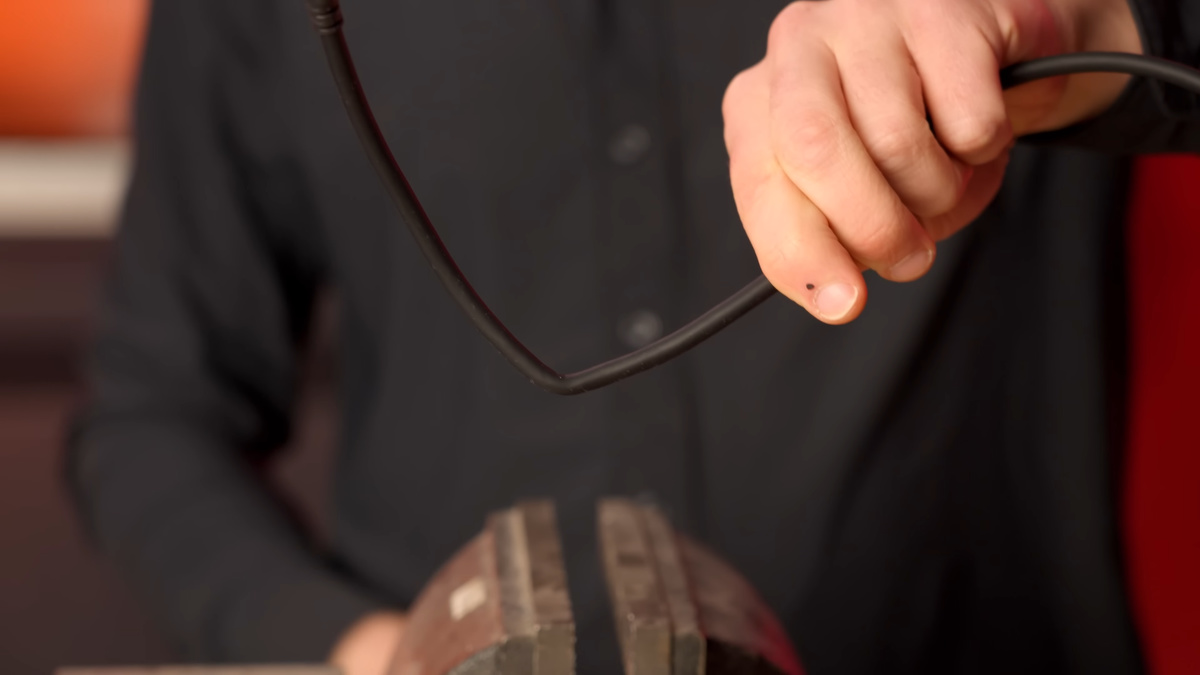
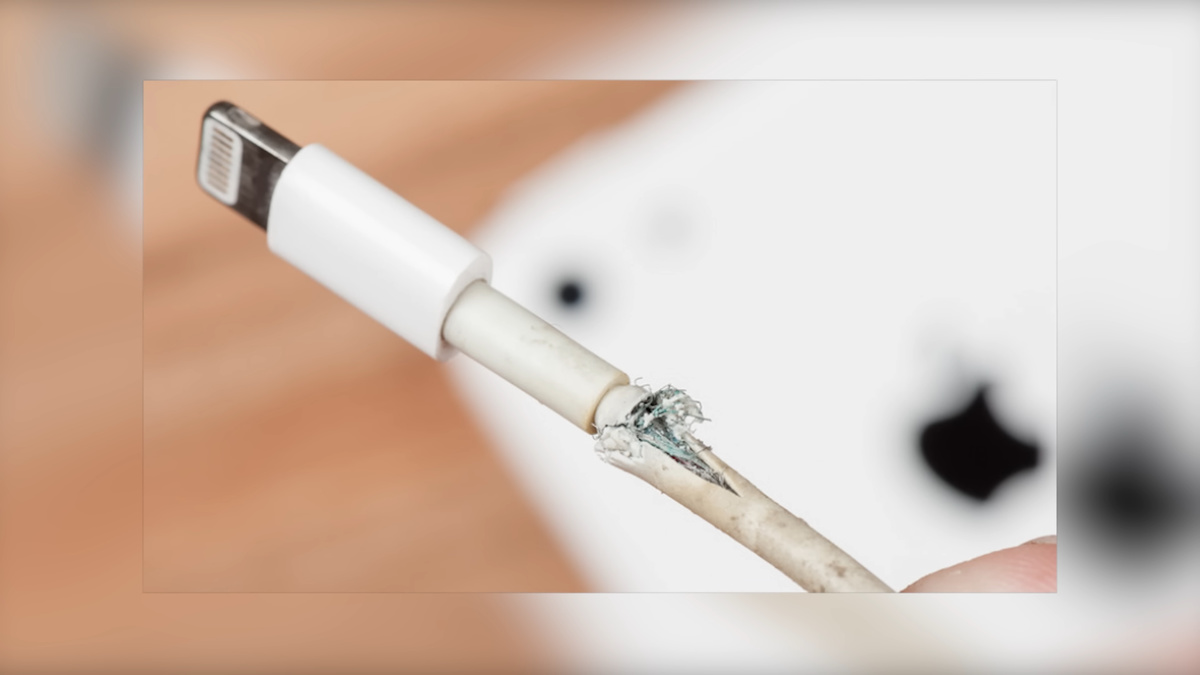
Furthermore, they had considerable difficulty designing
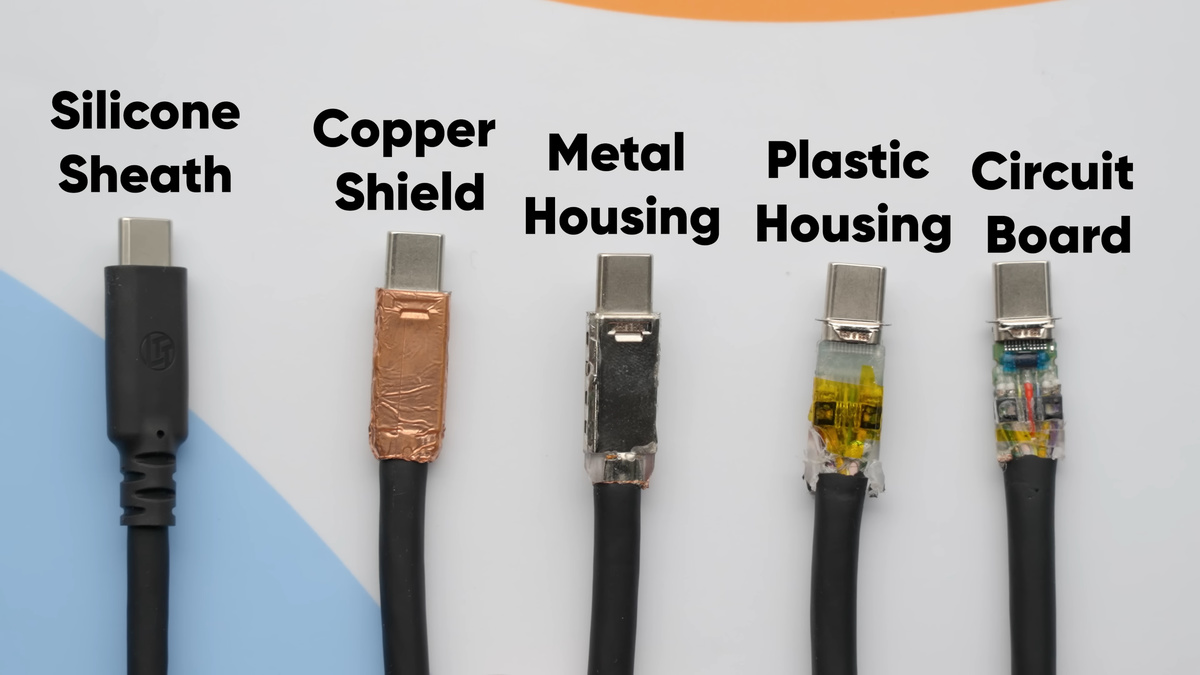
Linus Tech Tips explains that while there are limits to what can be done within the standards, they have made the connector tip as robust as possible within those constraints. As a result of using a seamless metal housing, copper tape, and soldered construction, the LTT TrueSpec Cable has a slightly larger connector and may not fit into some recessed ports.
Next, regarding USB certification. Although LTT TrueSpec Cable does not have USB-IF certification, Linus Tech Tips states that 'USB-compatible products can be sold without certification, and the main benefit of certification is the ability to use the official branding, which can be difficult to understand, so we didn't see any value in it.'
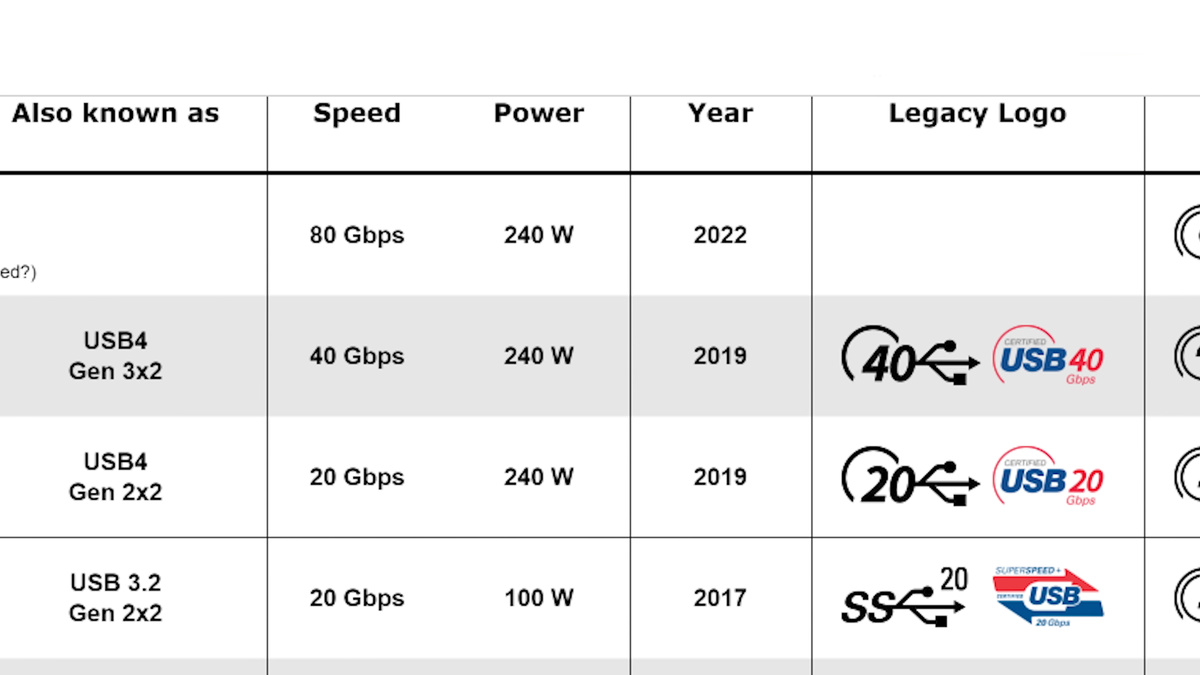
However, they clarify that they did not skip testing in exchange for not obtaining certification. They conduct their own tests for each SKU, and for USB4, they have had it checked by a third-party testing organization, and have even carried out quite rigorous durability tests, asserting that 'no certification does not equal unverified.'
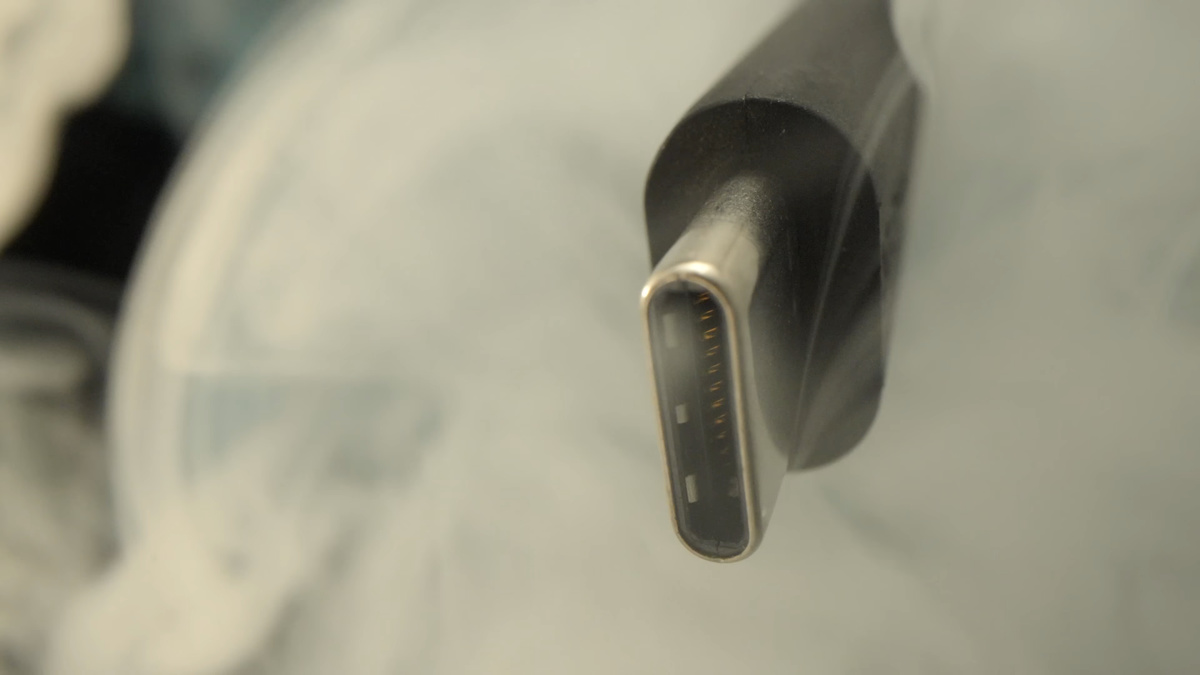
The LTT TrueSpec Cable is a 40Gbps compatible C-to-C cable (10cm) priced at a rather expensive $29.99 (approximately 4800 yen). However, Linus Tech Tips argues that 'we are not against high-quality, reasonably priced products; what we have criticized is the hype that makes products seem more valuable than they are. The LTT TrueSpec Cable is not unnecessarily expensive.'

Linus Tech Tips made it clear that they would not engage in any kind of occult-like advertising regarding the LTT TrueSpec Cable, such as making 'pictures look better' or 'sounds better,' and argued that 'digital cables are basically just a matter of whether they work according to specifications or not, and the LTT TrueSpec Cable is a cable that is seriously aimed at fulfilling that requirement.'
Related Posts: