Who is the model for Rodin's 'The Thinker,' and what is he thinking about?

What is 'The Thinker' actually thinking about? - Noah Charney - YouTube
'The Thinker' is a statue of a figure lost in thought, with legs crossed and chin resting on his hand. However, this sculpture is not merely an embodiment of meditation.
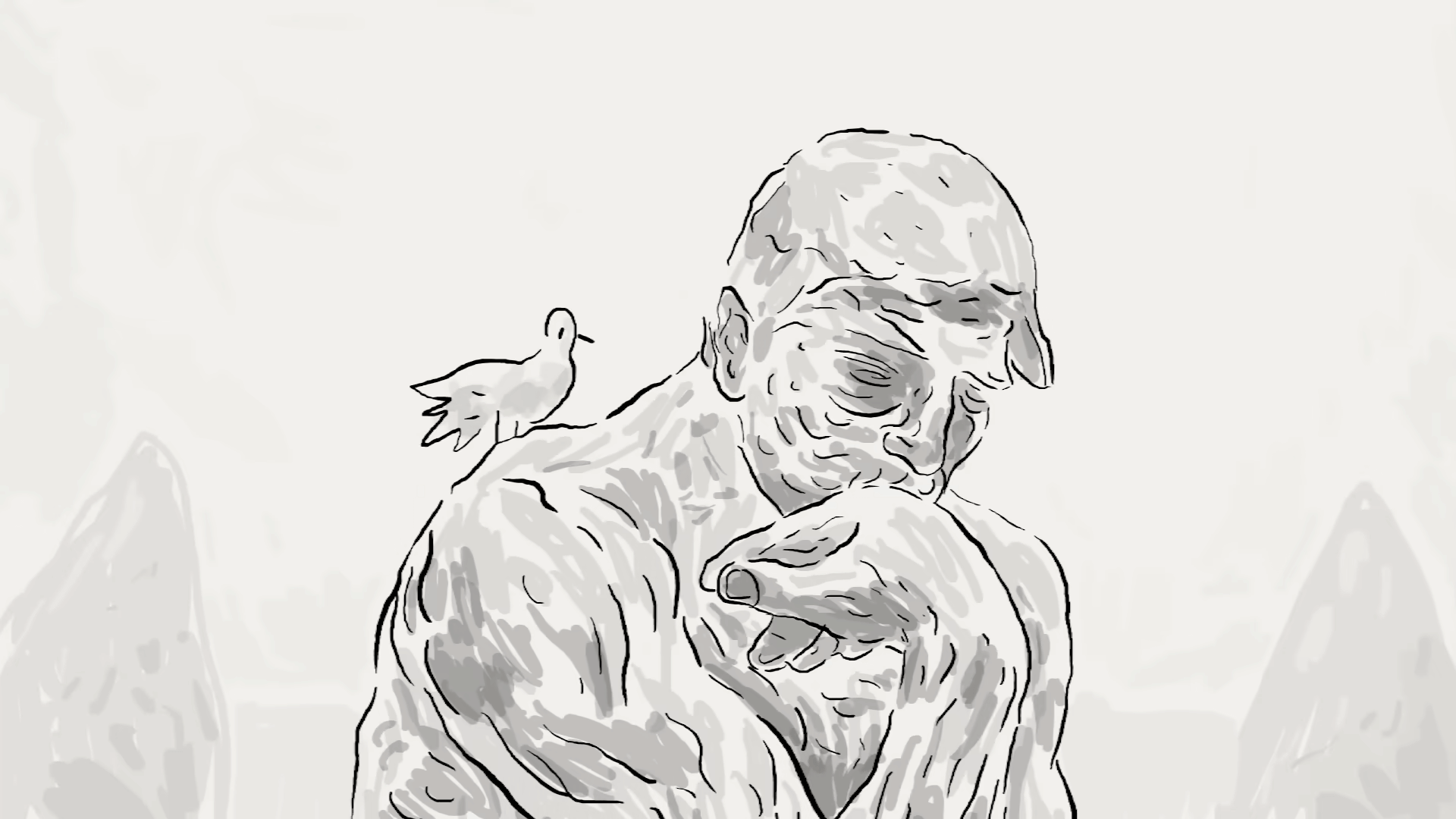
The artist, Auguste Rodin, intended 'The Thinker' to symbolize a specific person and incorporated it as part of '
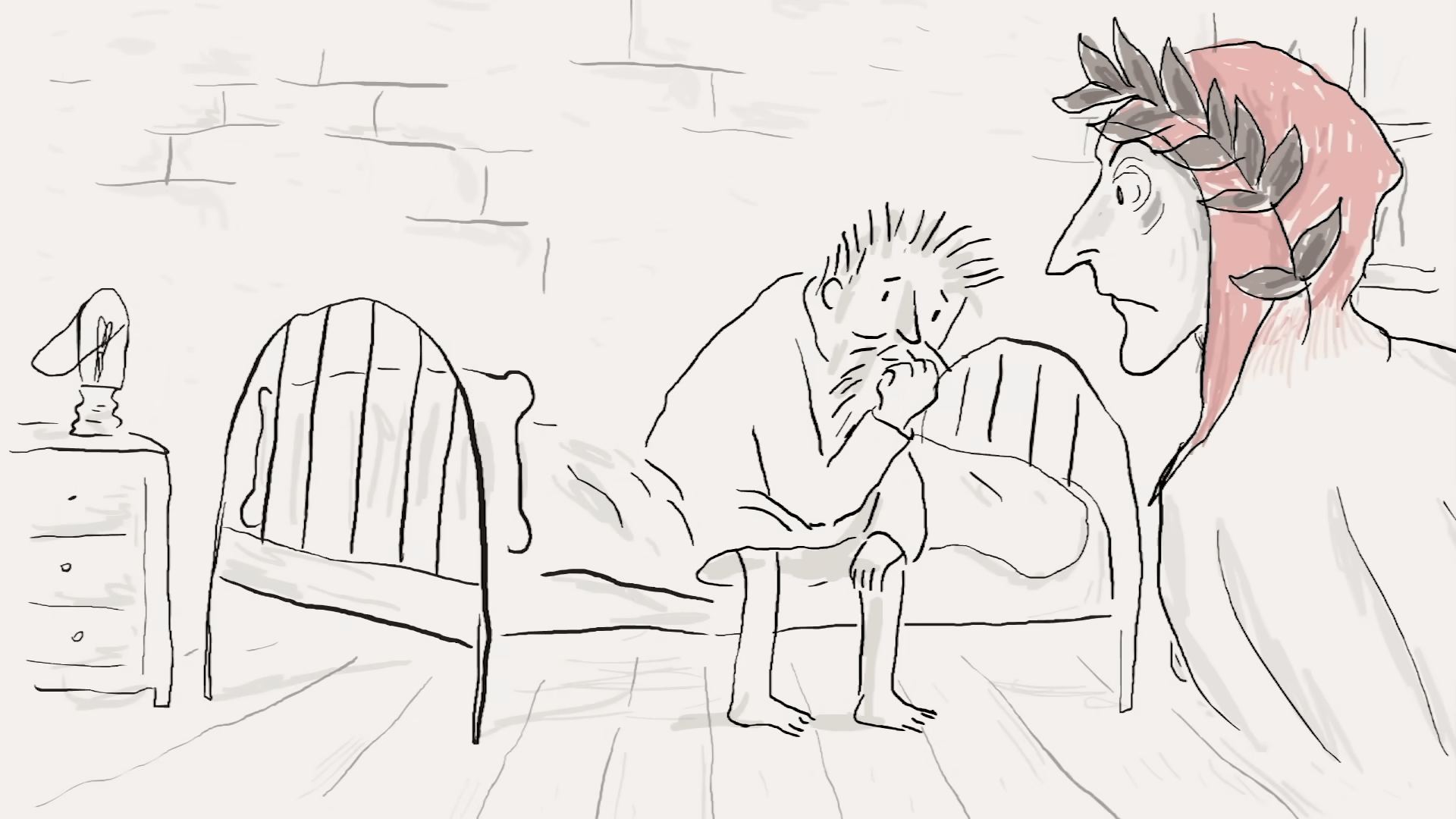
'The Thinker' was a project that captivated Rodin throughout the last decades of his life. This naturally leads to the question: who exactly is 'The Thinker,' and what was he thinking about?
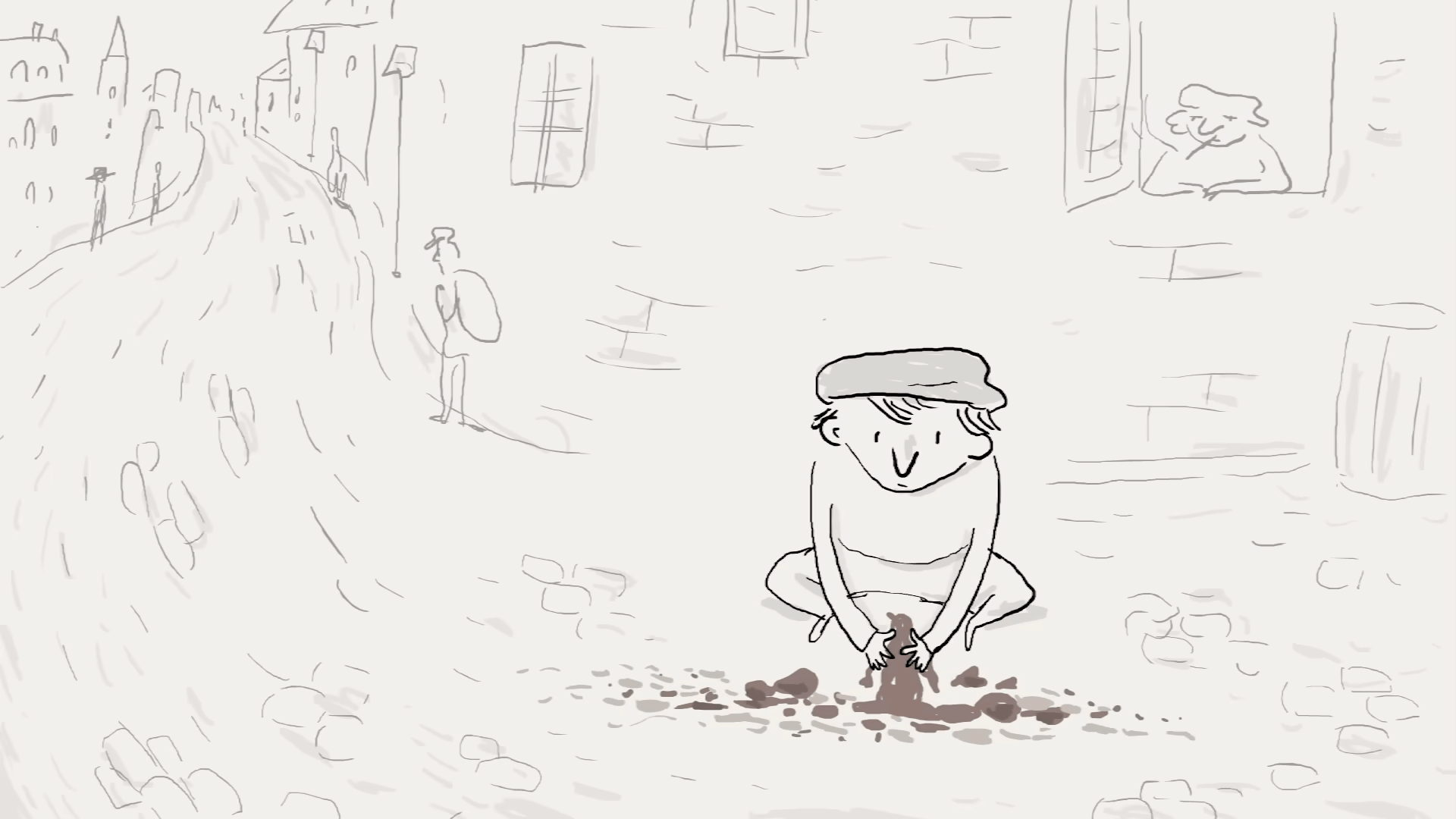
Rodin's path to fame was arduous. He grew up in a working-class neighborhood of Paris, France, and applied to prestigious art schools, but was rejected three times.
After working as a craftsman for several years, Rodin submitted his first sculpture to the Paris Salon, but it was rejected. Rodin completed his first major work in 1877, at the age of 35. This was shortly after he was captivated by the Renaissance sculptures he saw on display during a visit to Italy.
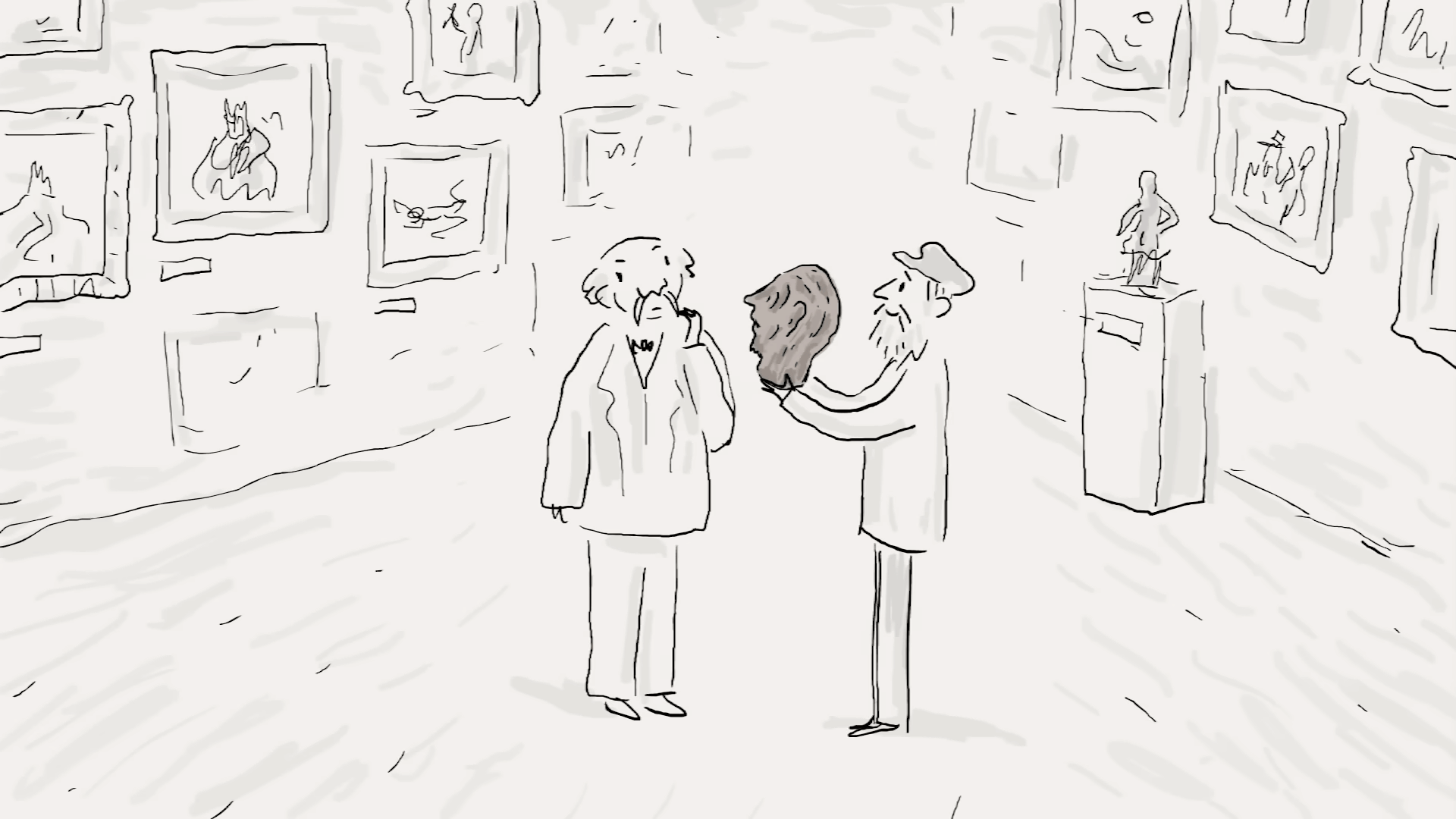
However, Rodin's sculptures were so lifelike that critics accused him of creating them by directly molding them from human models.
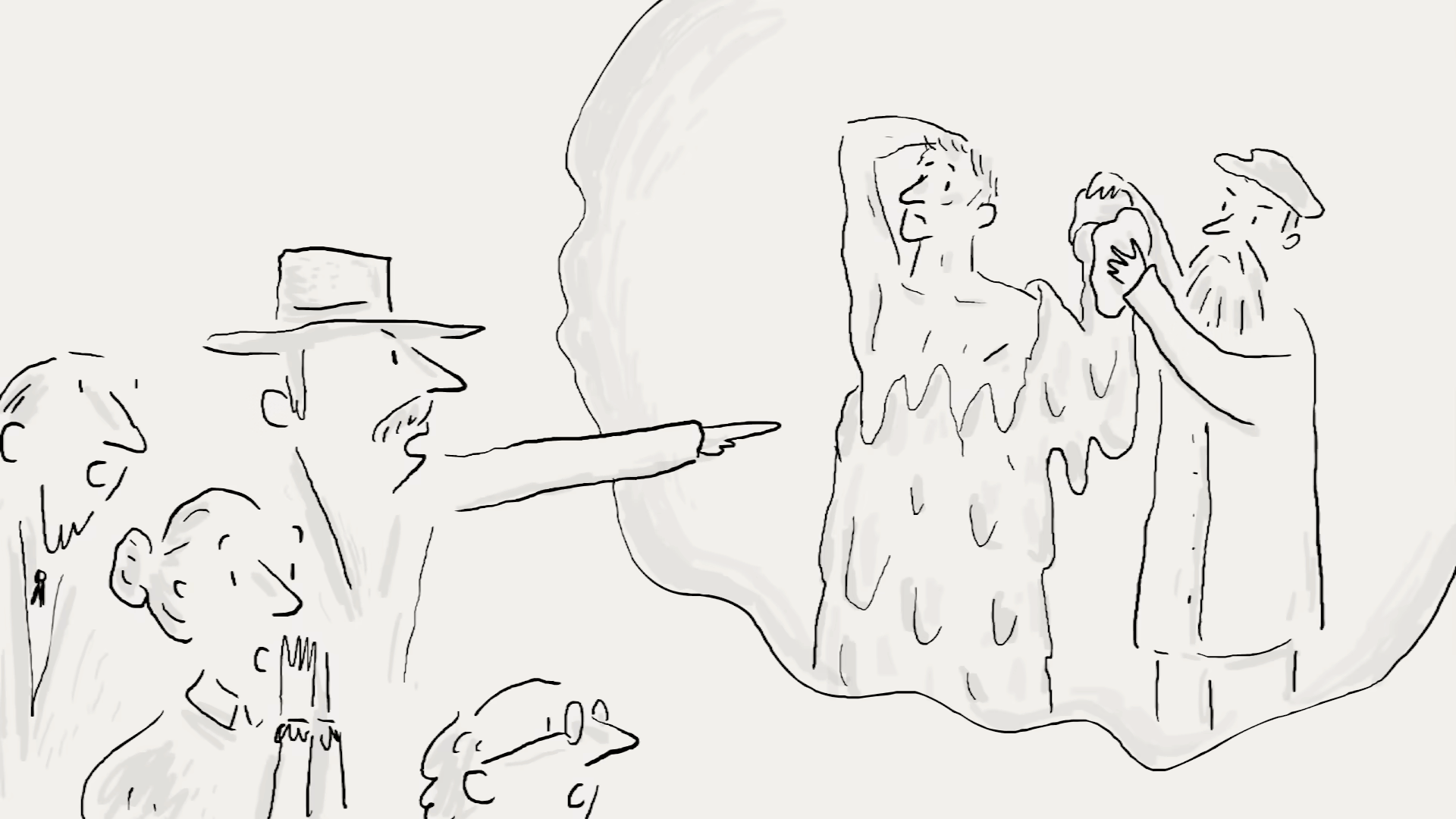
Of course, Rodin did not do such a thing, and fellow artists assured him that he did not make molds. However, by the time the controversy subsided, Rodin's style had changed dramatically.
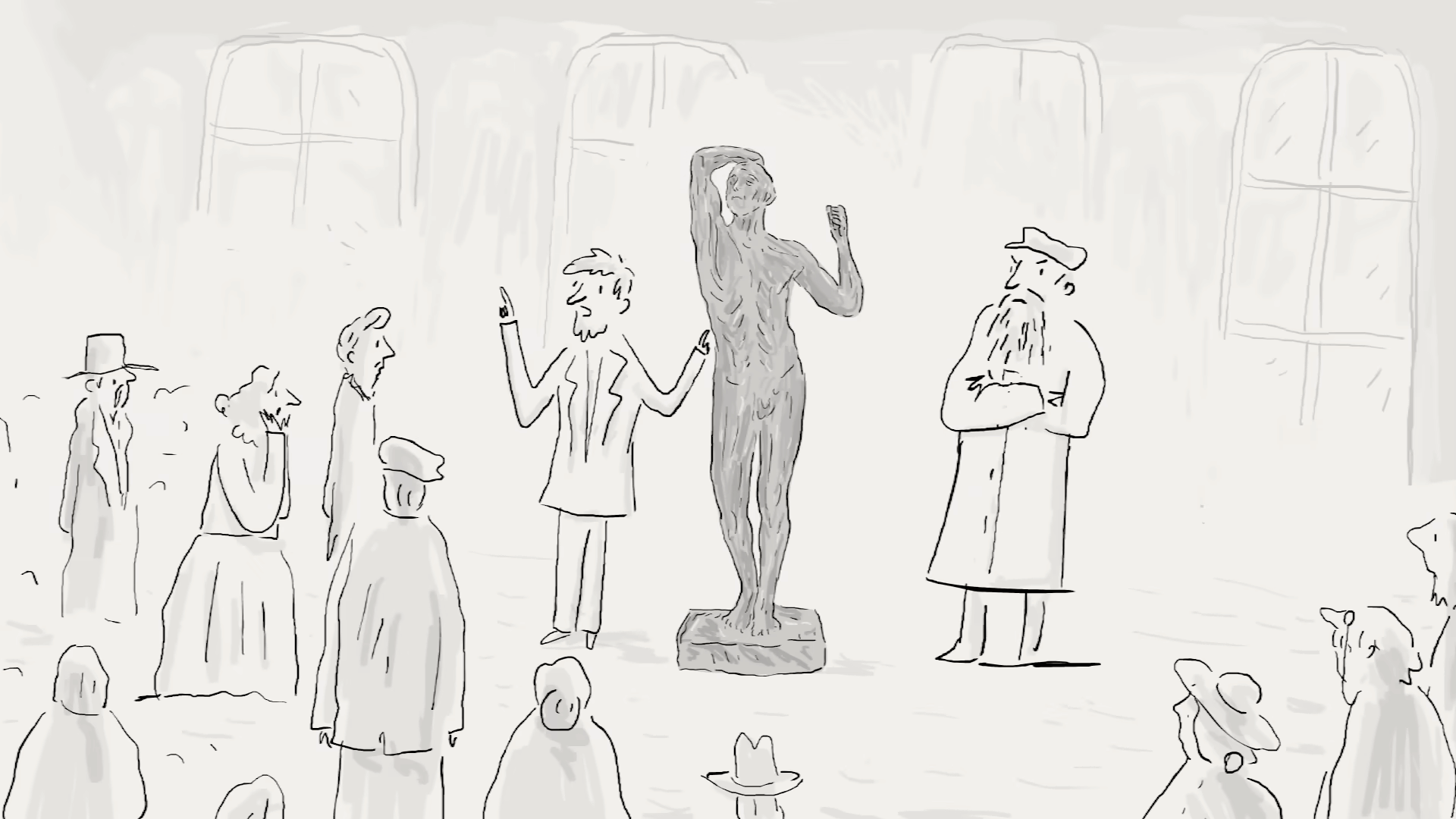
Rodin began to create sculptures that were rougher and more expressive, rather than academically realistic depicting forms.
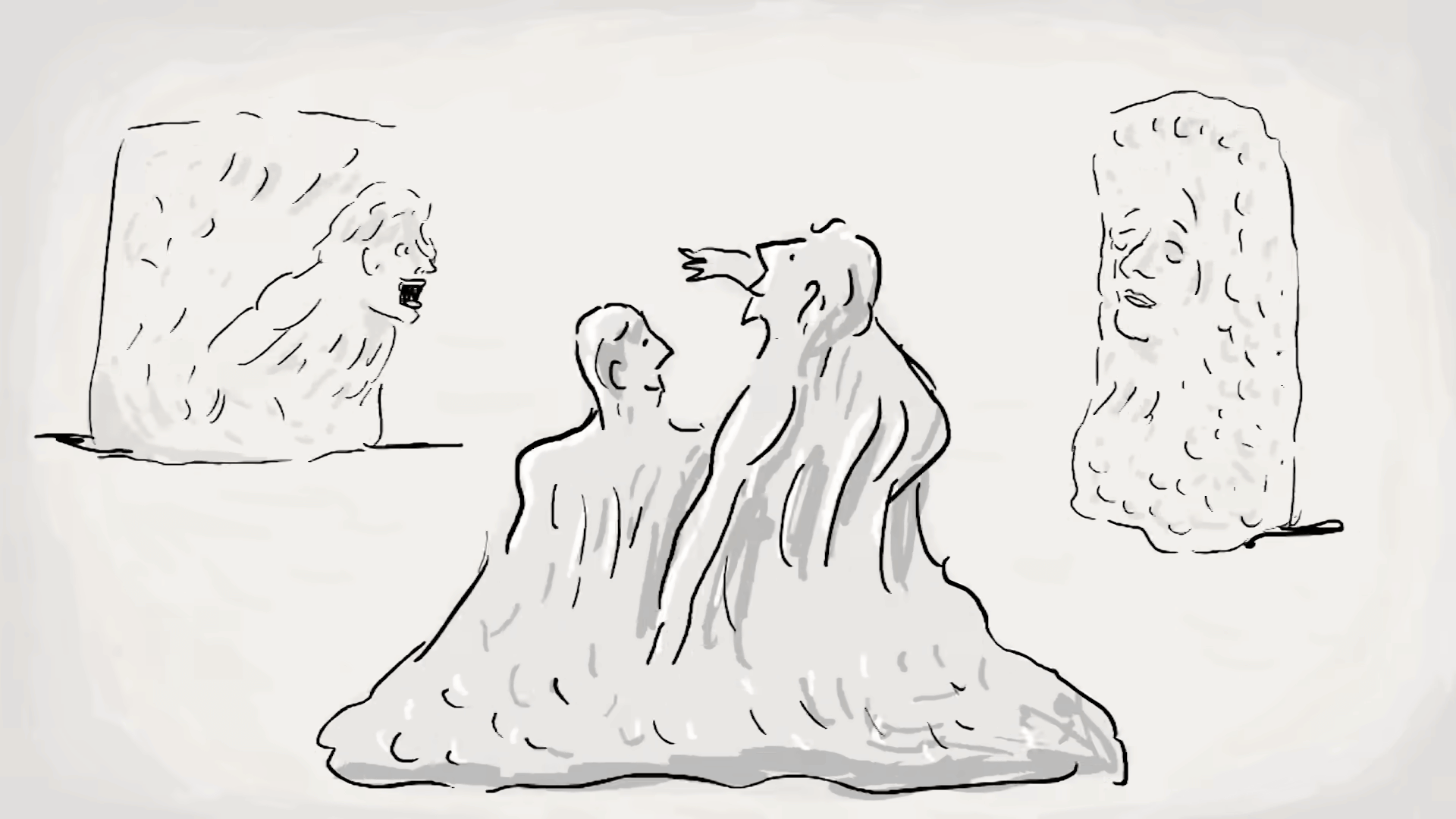
Furthermore, while advances in camera technology have made it possible to capture perfect portraits, Rodin argued that artistic depictions, though less precise than those made by cameras, express something closer to the truth.
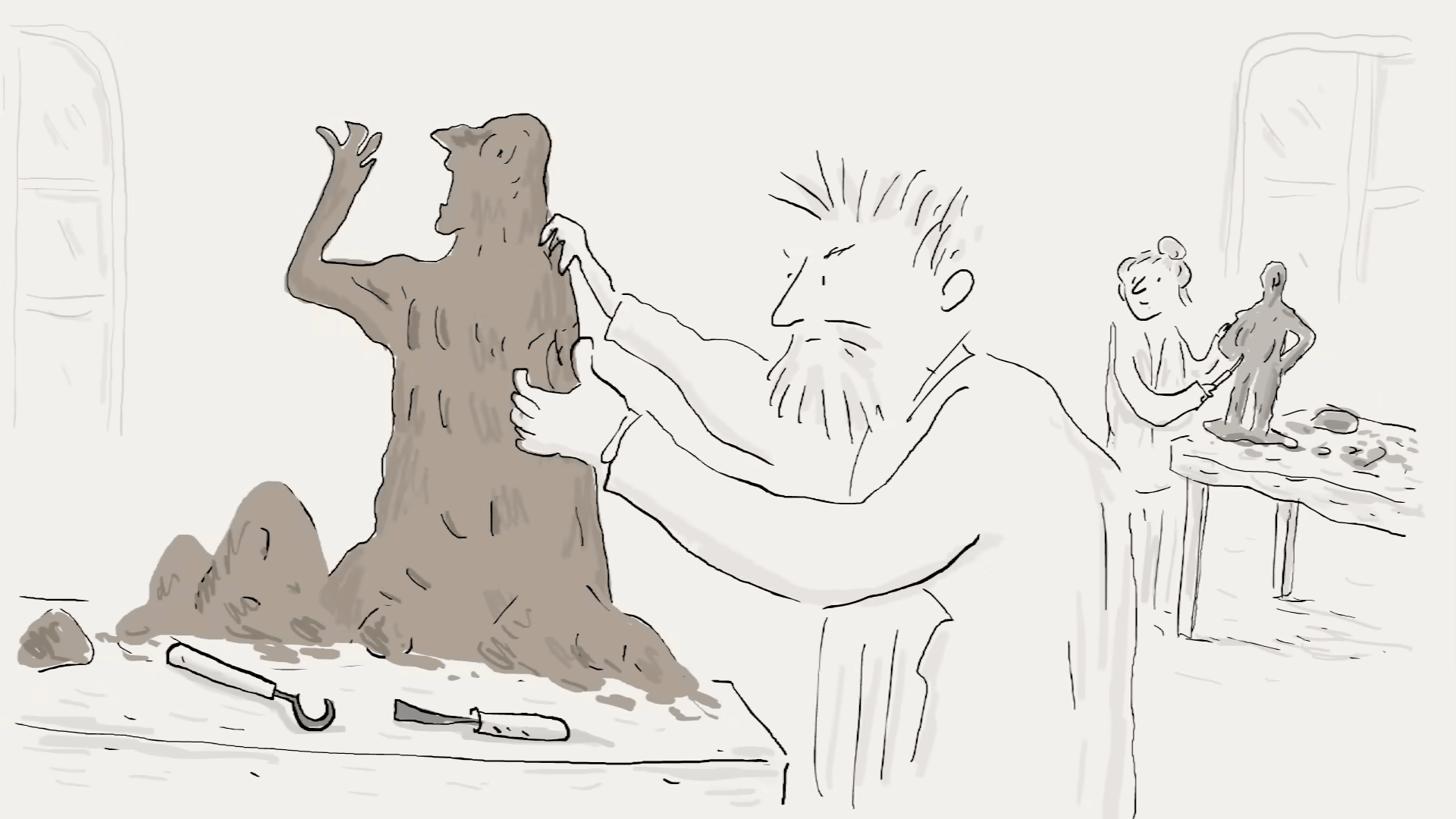
Like the artists who spearheaded the nascent art movements of
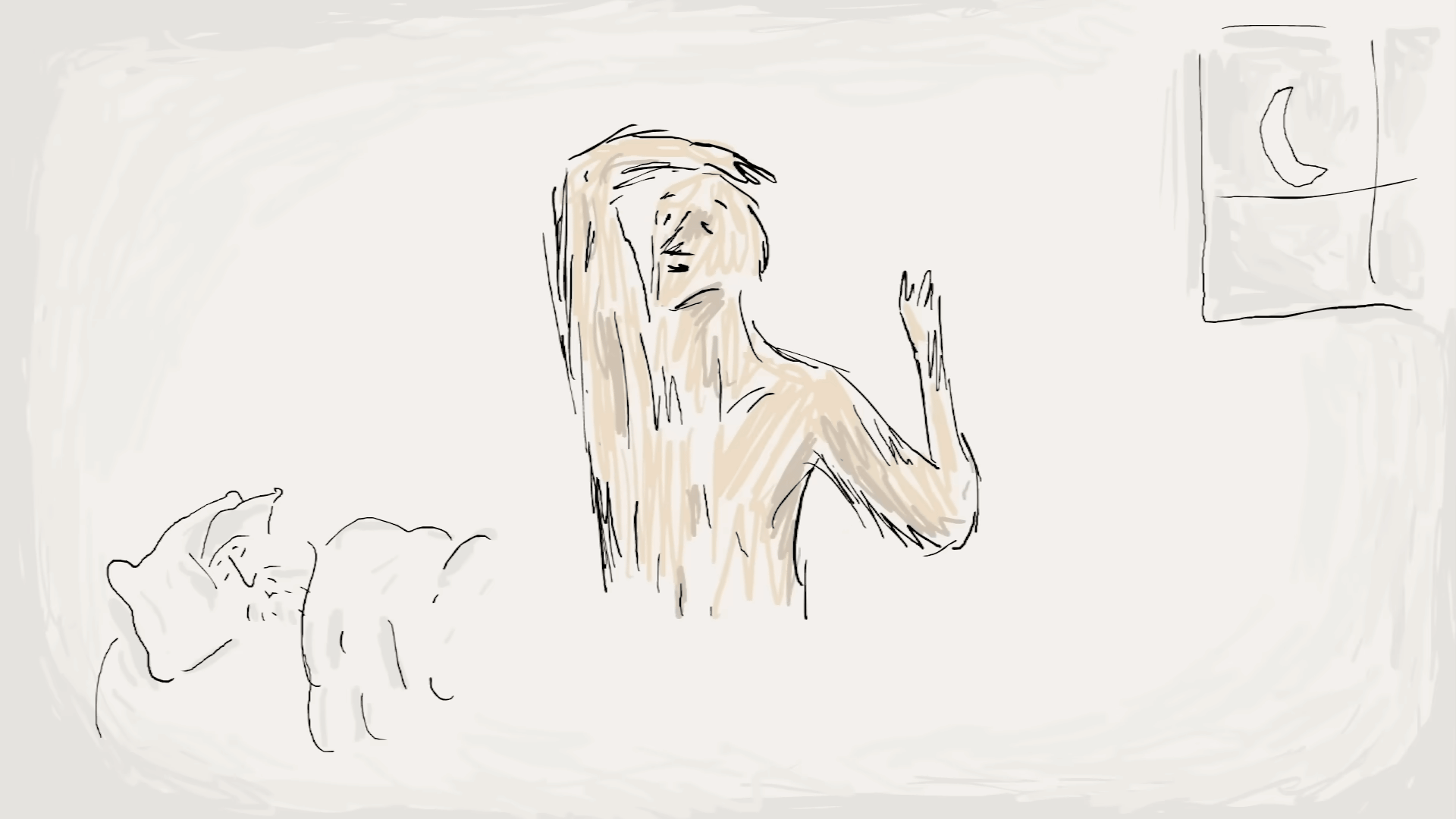
Then, in 1880, Rodin received a life-changing commission: to create a magnificent archway for a new museum in France, reminiscent of
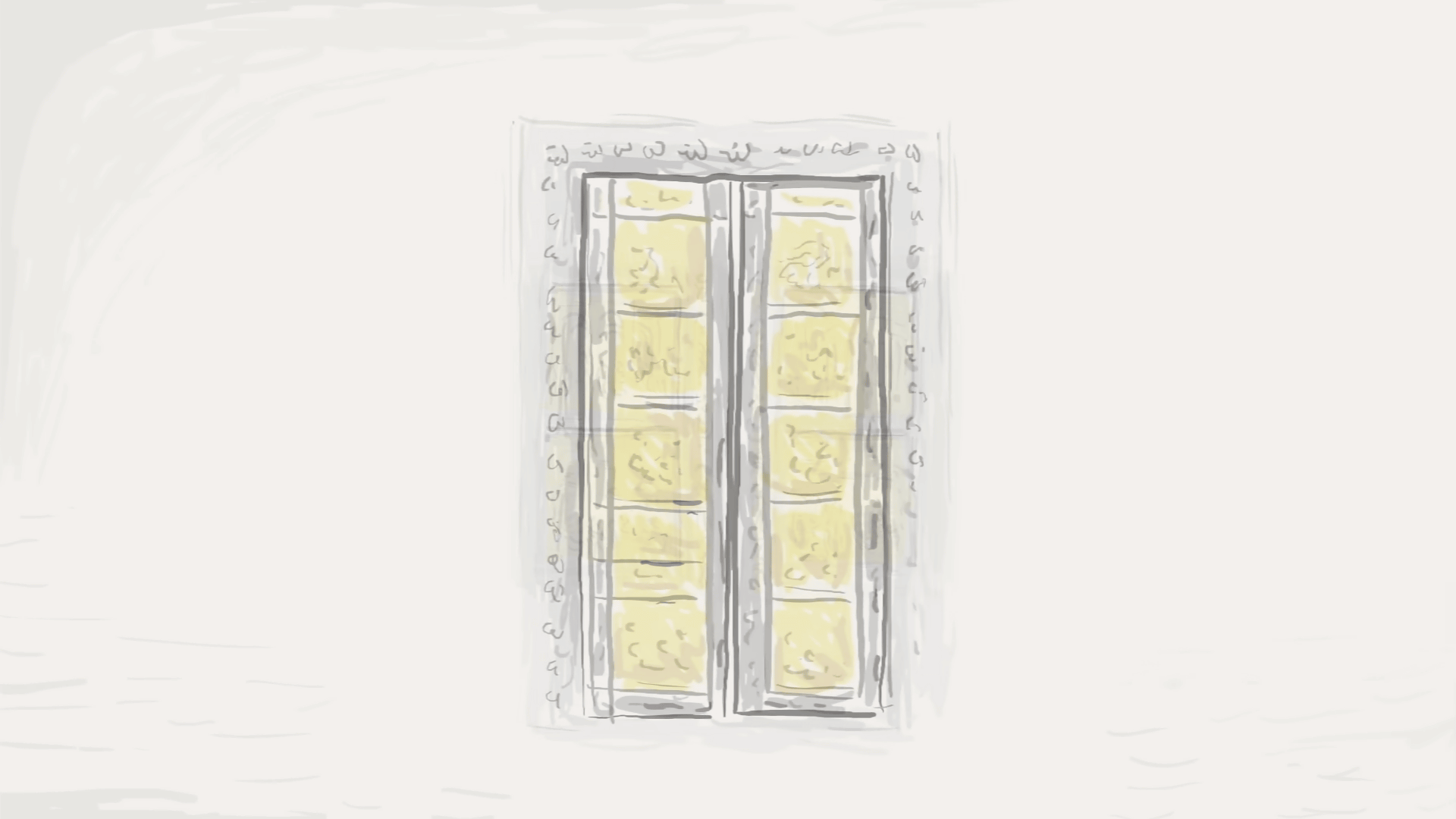
Rodin began working on this piece as 'The Gates of Hell,' a work that was the complete opposite of 'The Gates of Heaven.' He devised a swirling hellish composition depicting more than 200 tormented souls.
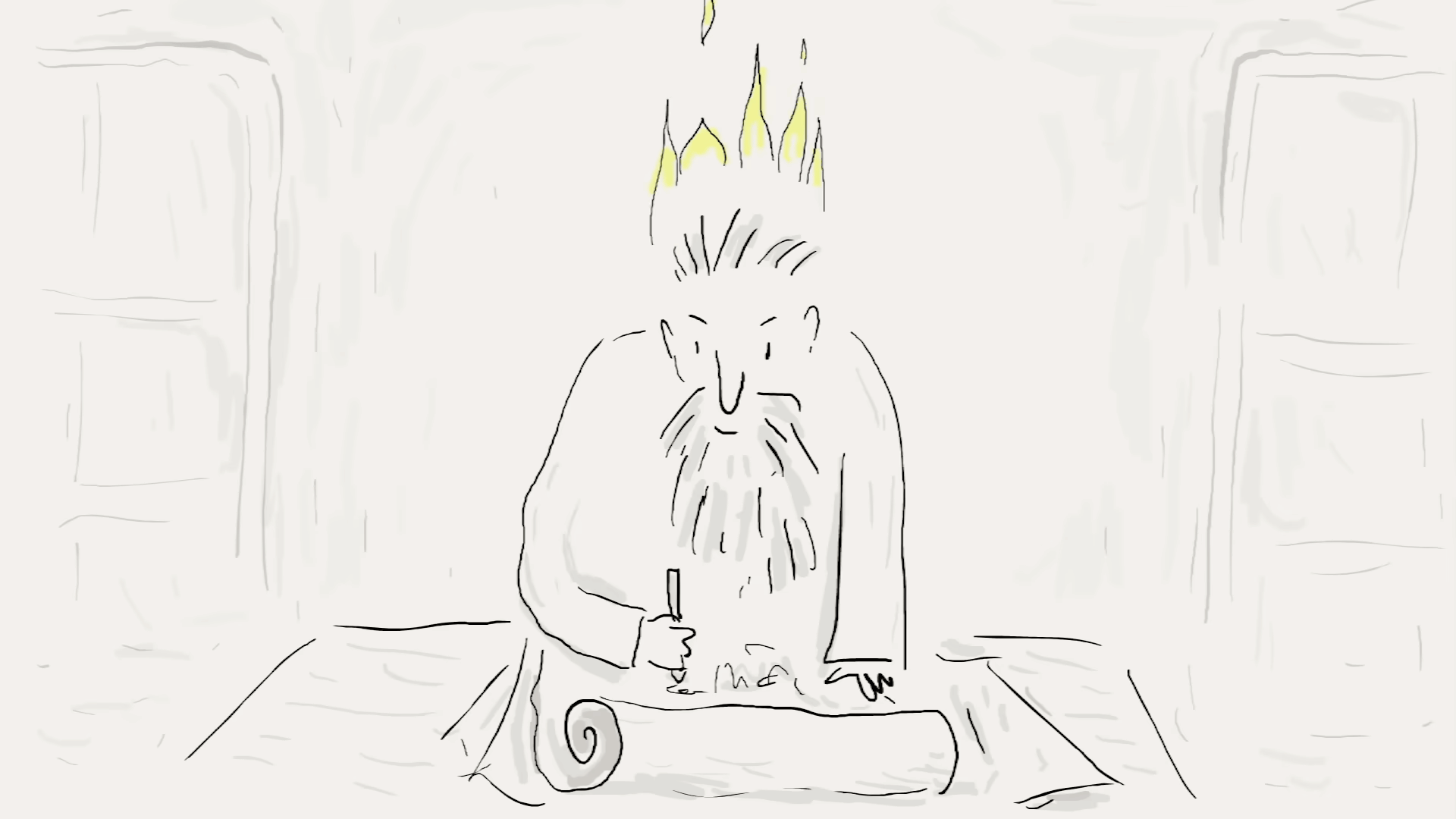
'The Gates of Hell' is inspired by the Inferno section of
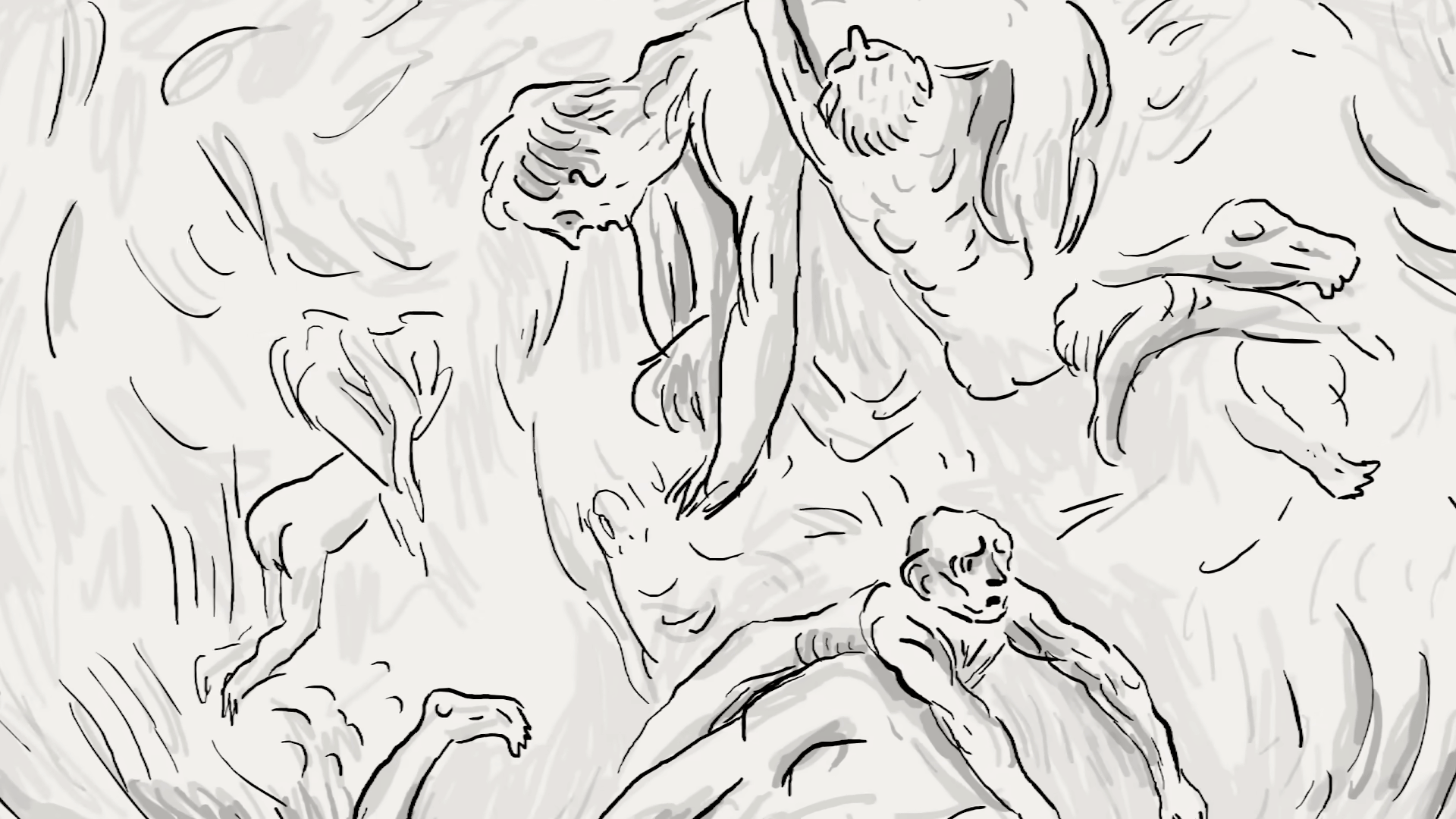
Rodin began creating 'The Gates of Hell' in clay, sculpting the figures to be placed at the gates. In Rodin's workshop, the figures he created were reconfigured, combined, enlarged, and even produced as independent works.
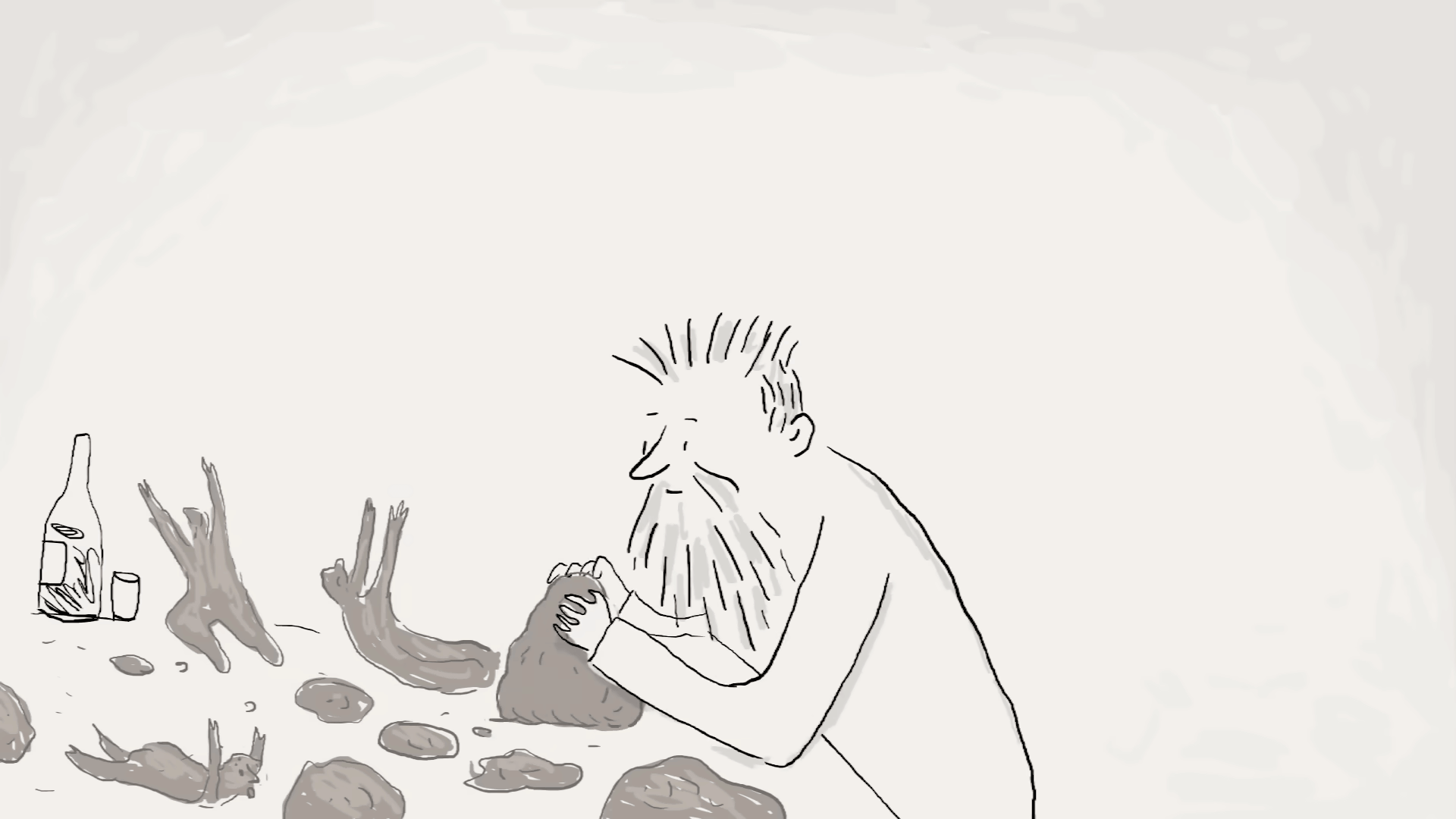
Rodin broke with tradition, leaving visible traces of his creative process. However, the museum intended to display 'The Gates of Hell' was never built.
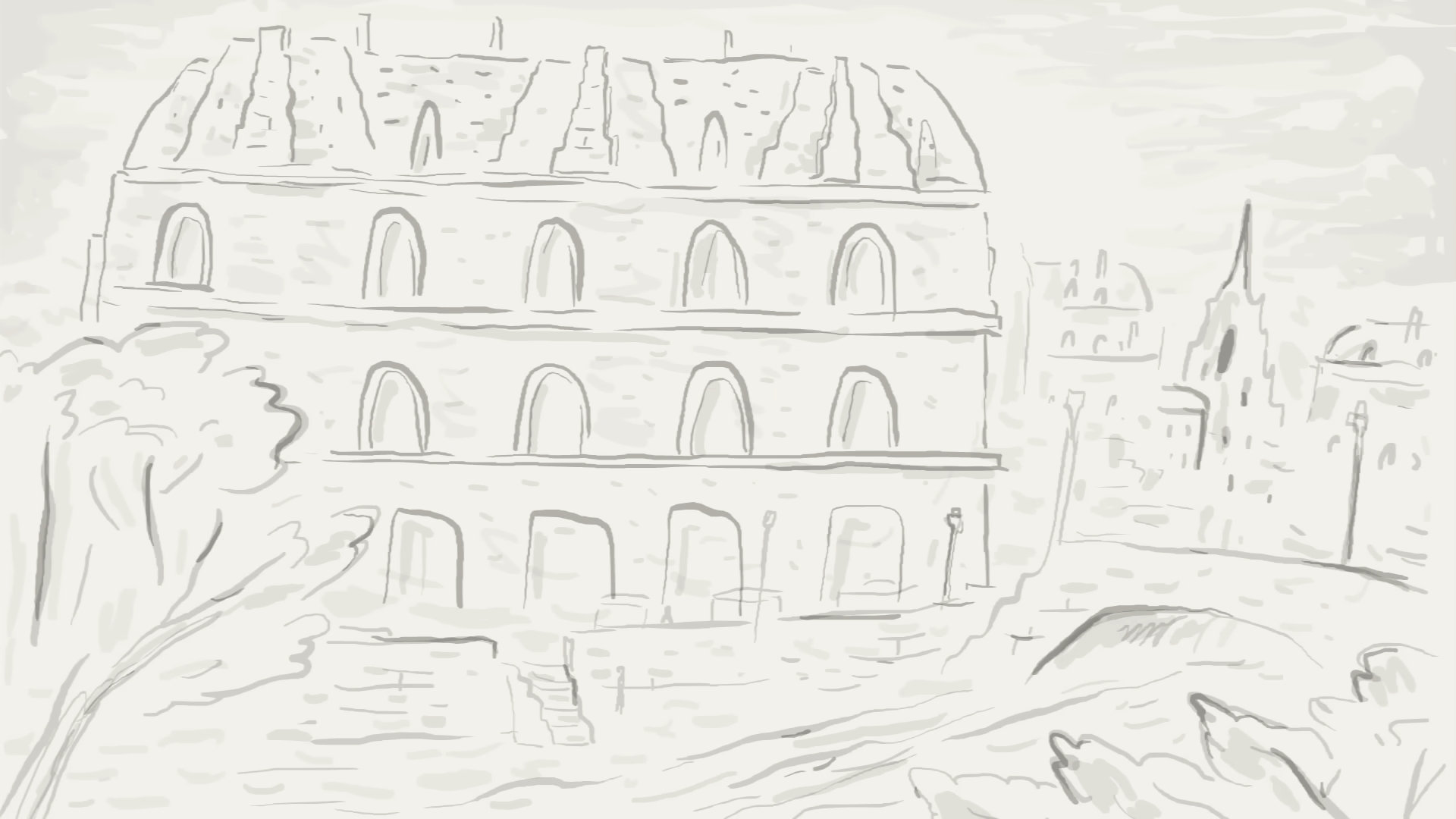
As a result, 'The Gates of Hell' developed into an obsessive compulsion for Rodin, requiring endless revisions.
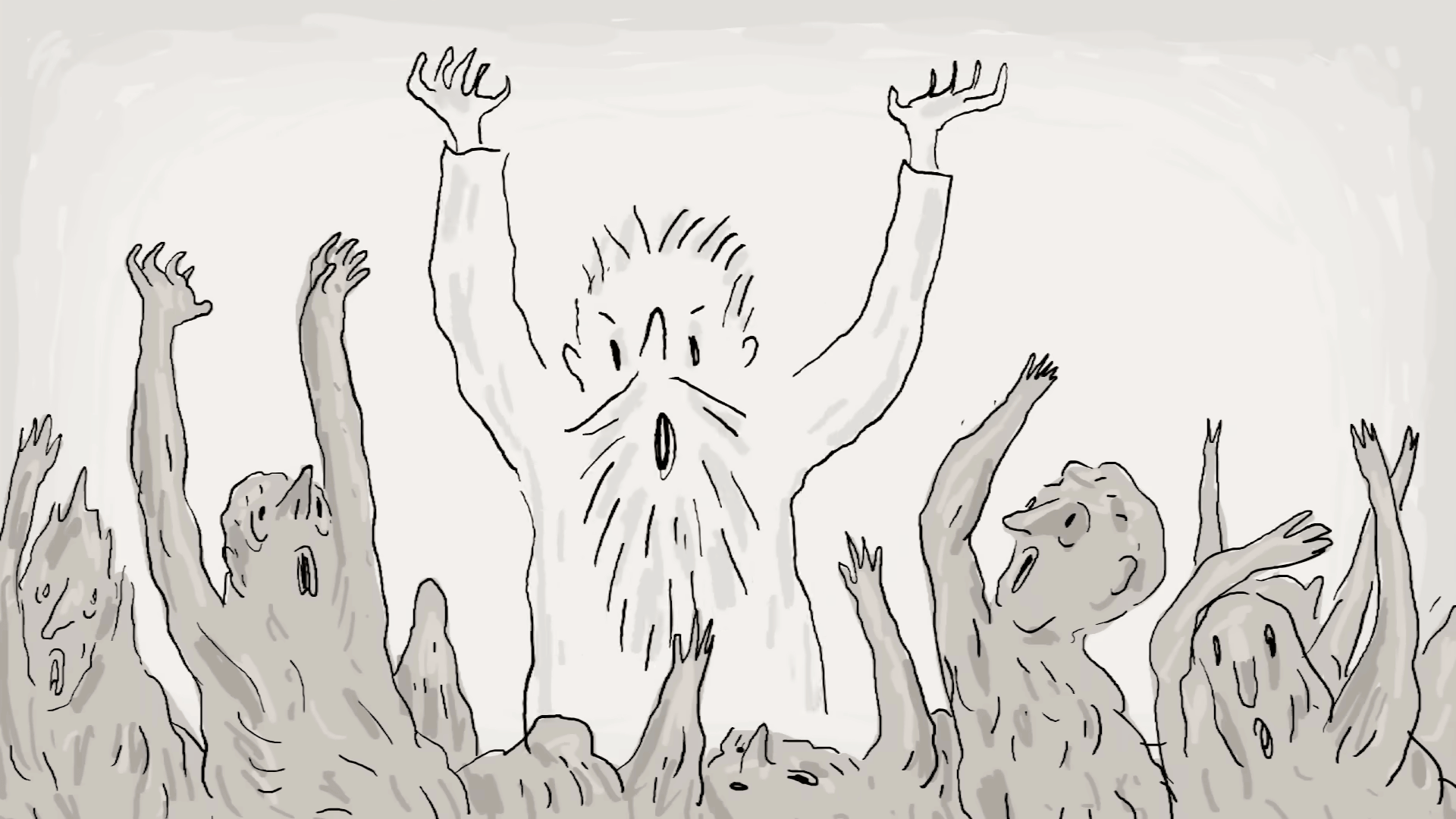
However, in the process of creating 'The Gates of Hell,' Rodin would produce some of his greatest sculptural works. Sculptures created as part of 'The Gates of Hell' were separated, refined, and enlarged, eventually coming to be appreciated as a single work.
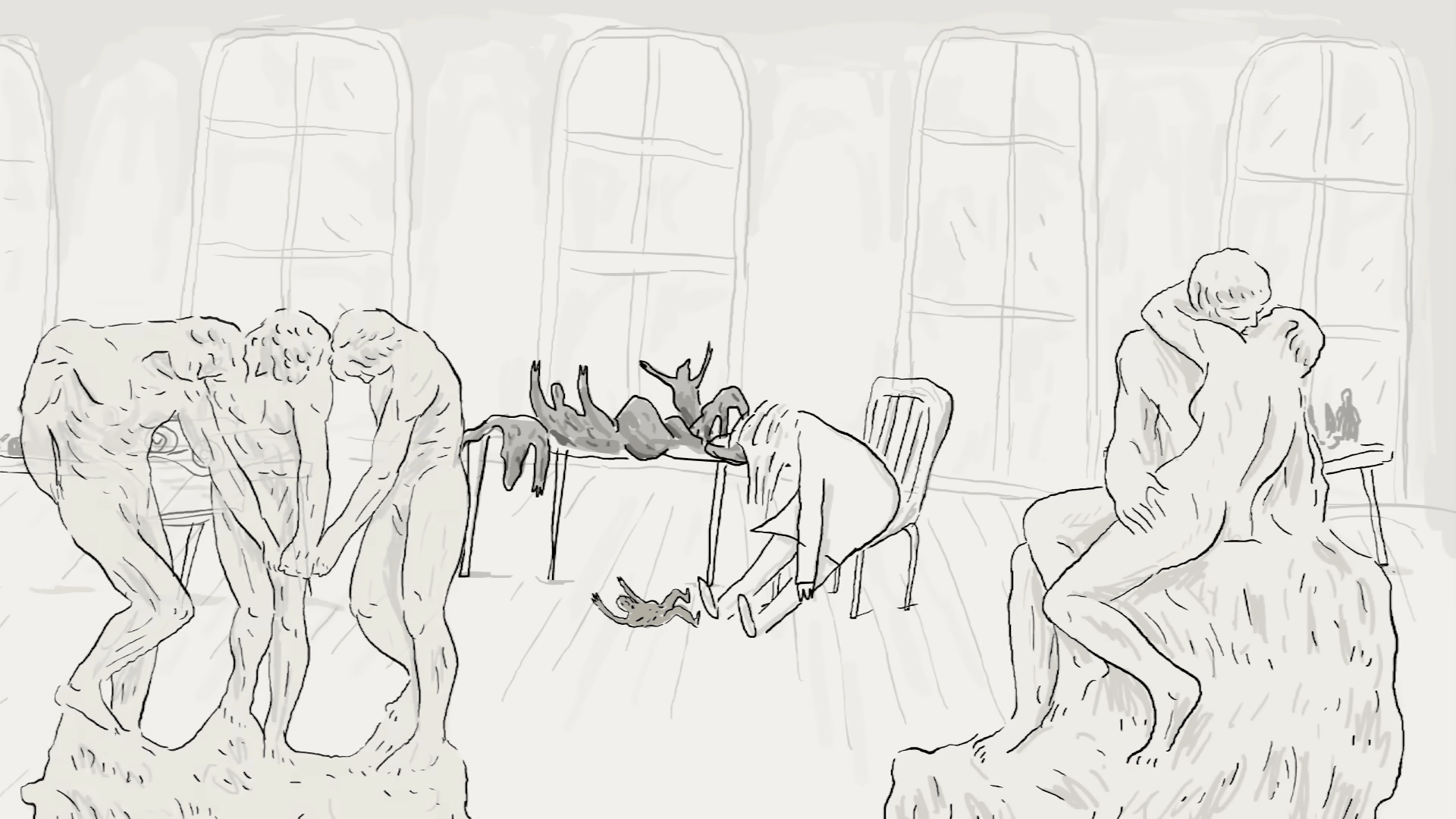
When creating 'The Gates of Hell,' Rodin preferred to use
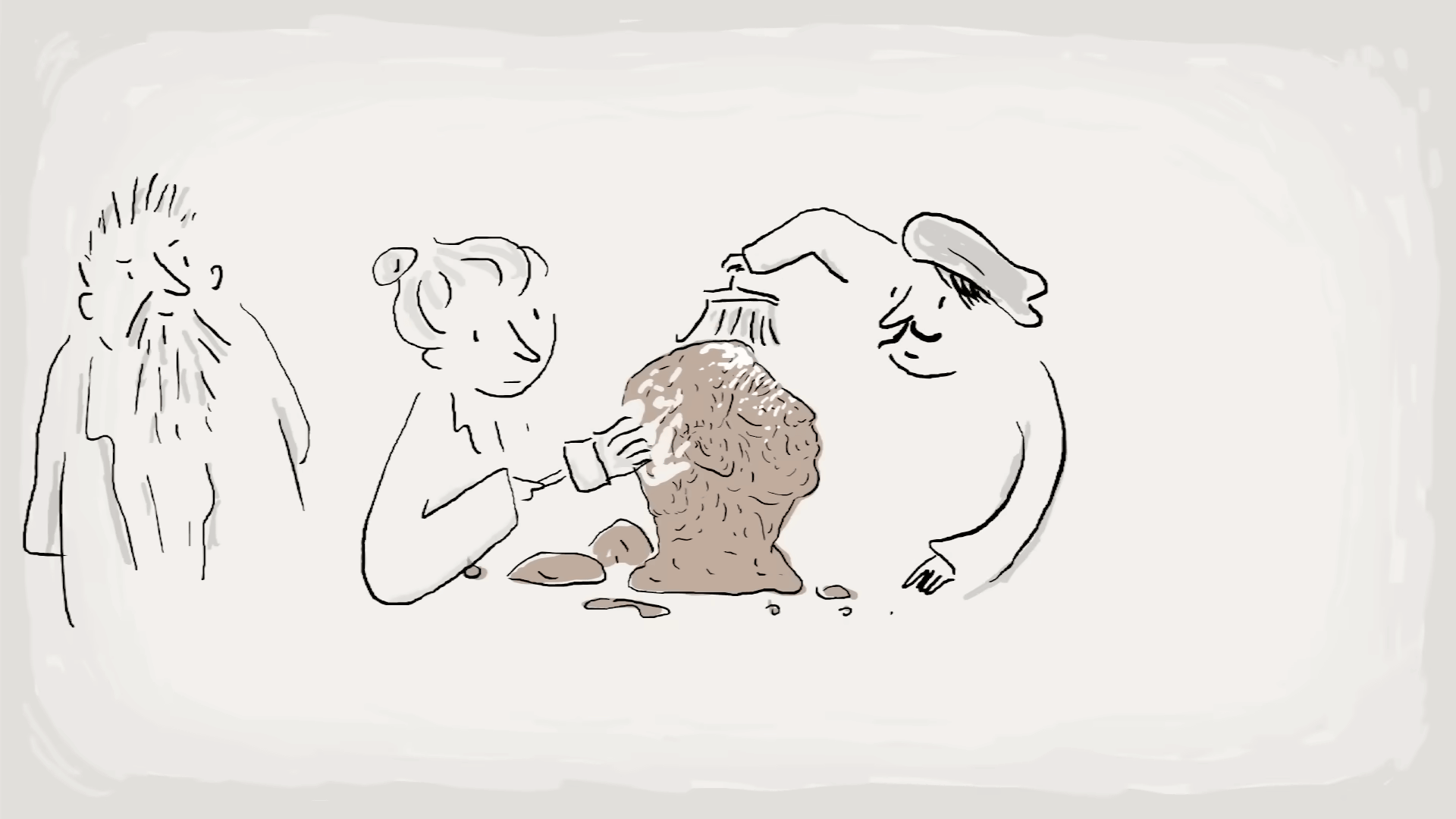
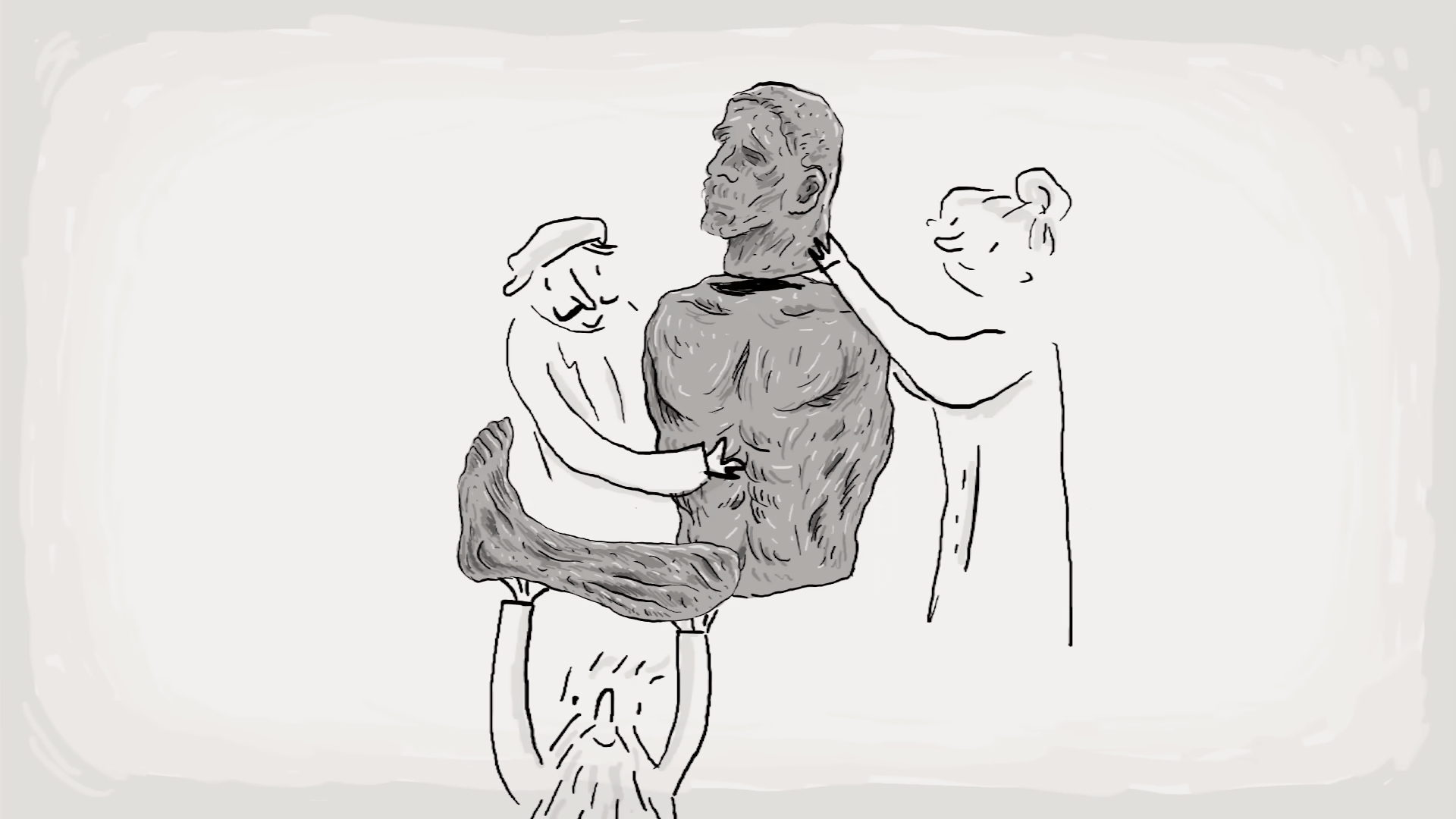
The complex components are cast individually and joined together by soldering. Afterward,
'The Gates of Hell' depicts various human figures from the Inferno section of the Divine Comedy. For example, Paolo and Francesca, lovers who eternally struggle with forbidden passion, and Count Ugolino, a political traitor who devours his sons in his final moment of despair. In addition, inspiration was drawn from works other than the Divine Comedy, such as the carnal themes explored in the poetry of
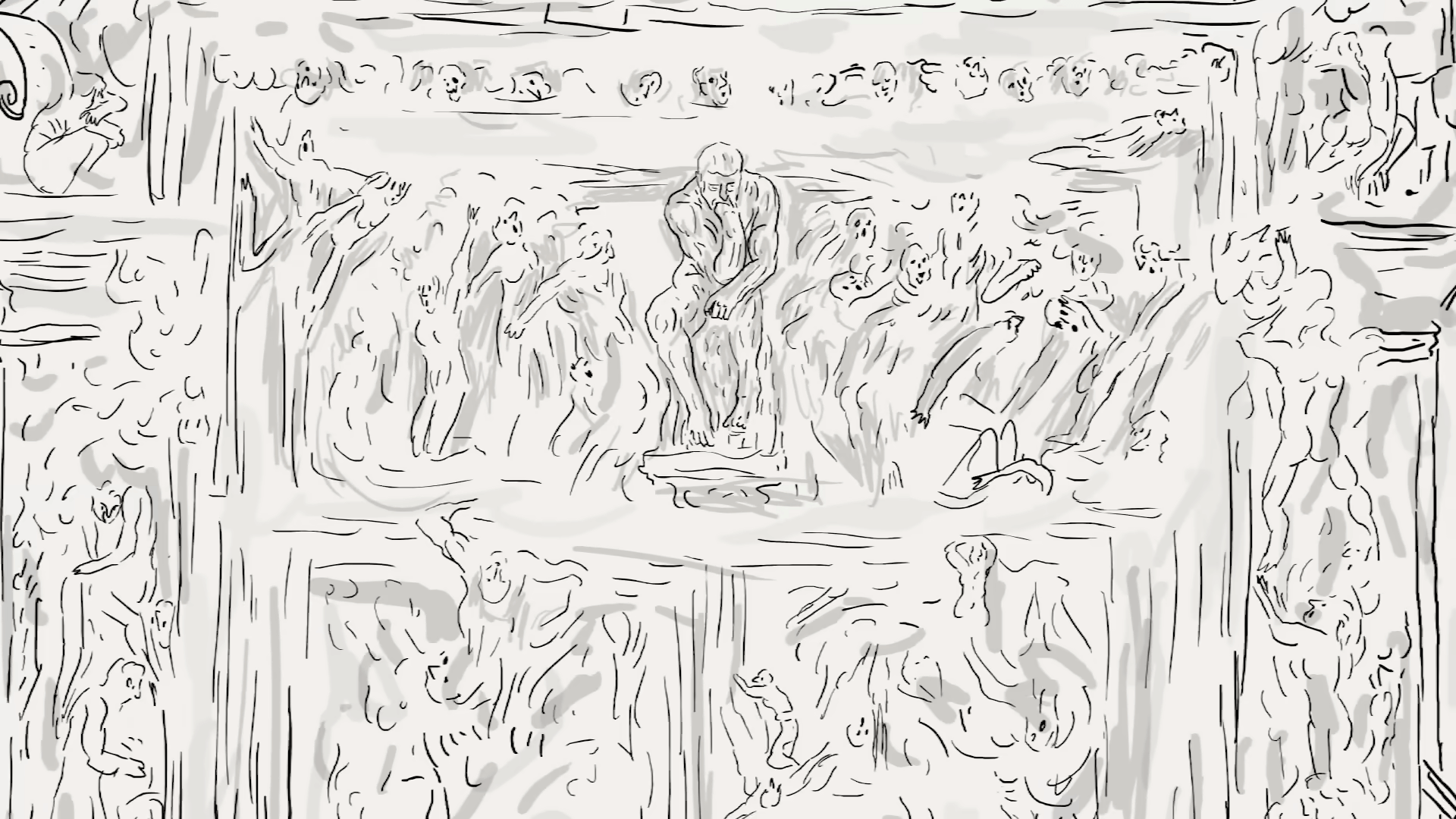
Amidst these 'Gates of Hell,' sitting majestically as if watching over the suffering people, is 'The Thinker.' This sculpture is based on Dante Alighieri, the author of 'The Divine Comedy,' and Charney explains that it was created to 'contemplate the suffering people, reflect on the great pitfalls of human nature, and imagine the weight of that reality pressing down upon oneself.' For this reason, Rodin initially called 'The Thinker' 'The Poet,' but later renamed it 'The Thinker.'
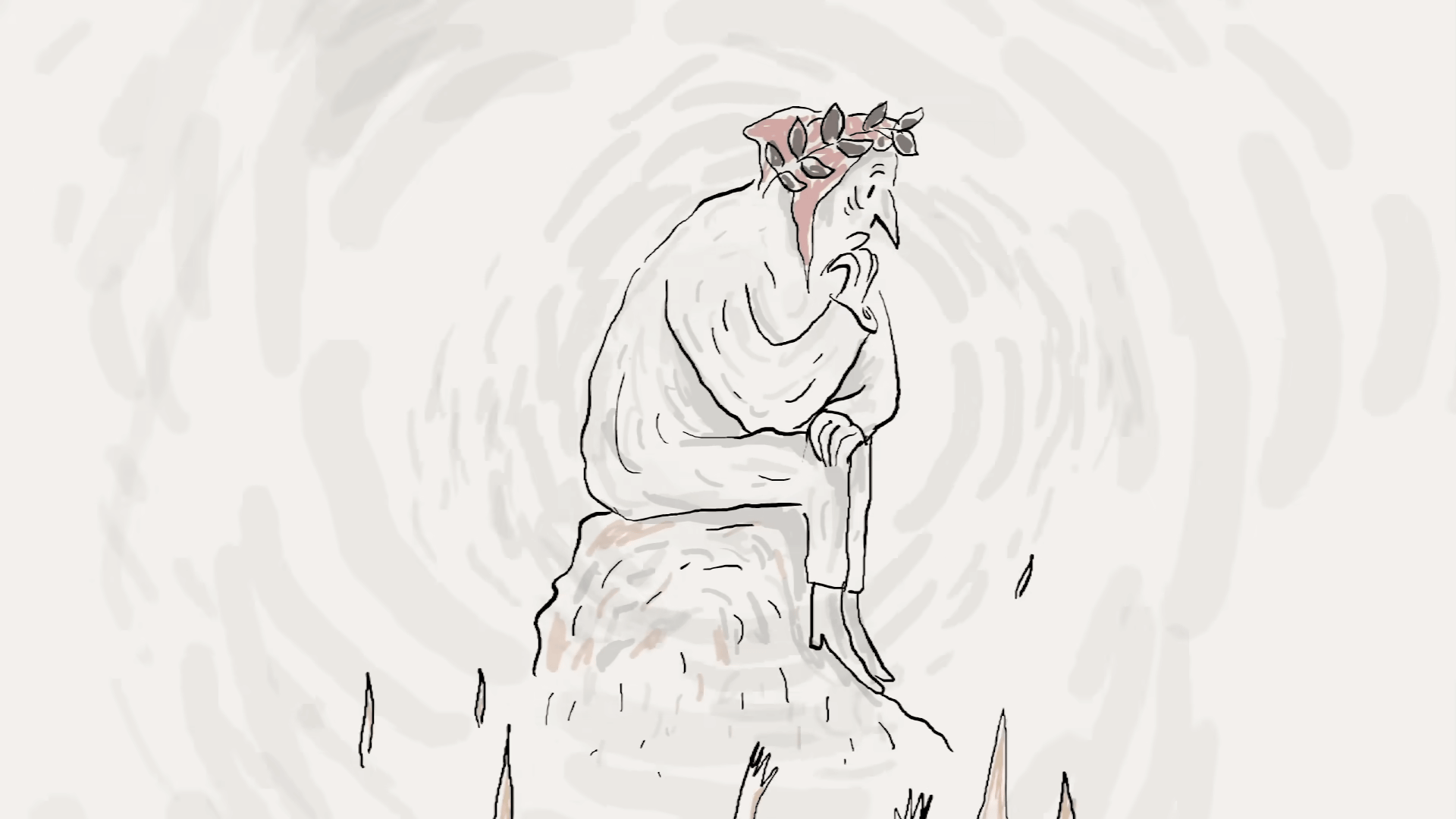
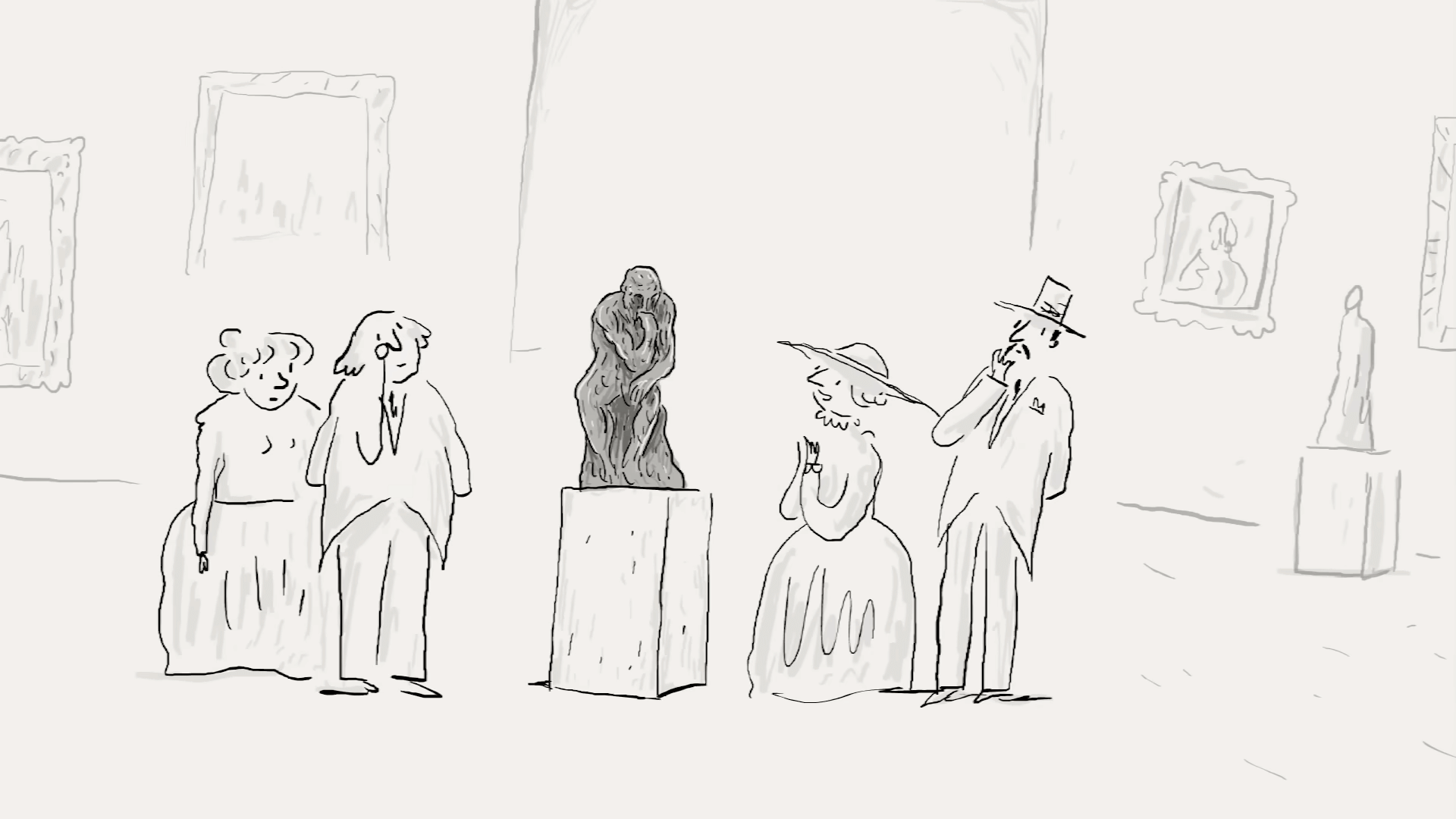
First cast on its own in 1888, 'The Thinker' immediately caused a sensation. Considering the circumstances leading up to its creation, Charney describes the statue as a universal symbol representing the human mind's capacity to contemplate, doubt, and create.
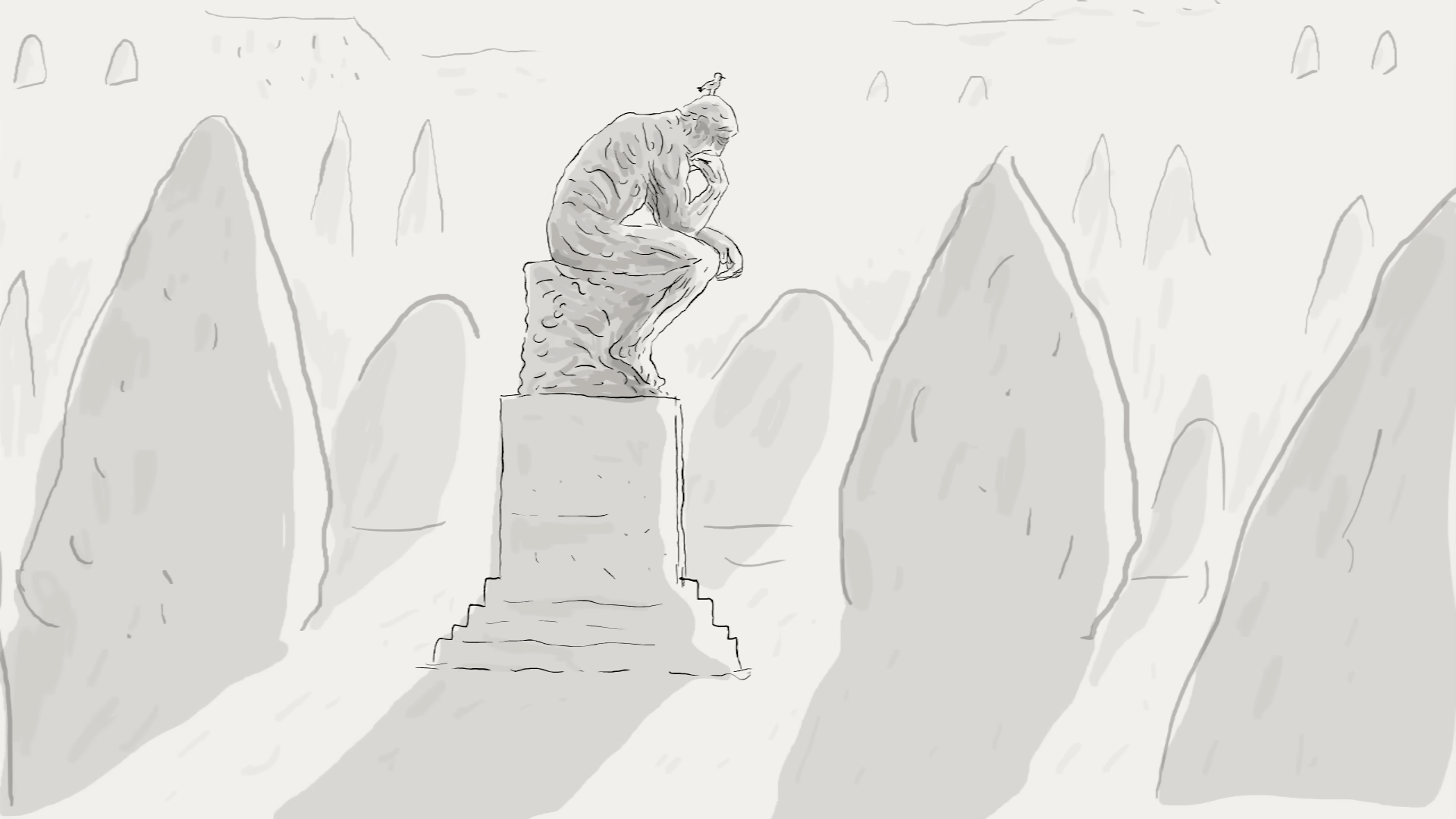
Then, in 1904, a life-sized 'The Thinker' was first erected in a public space. Instead of overlooking hell, 'The Thinker' was placed atop a cultural monument, and it quickly became one of the most famous sculptures in the world.
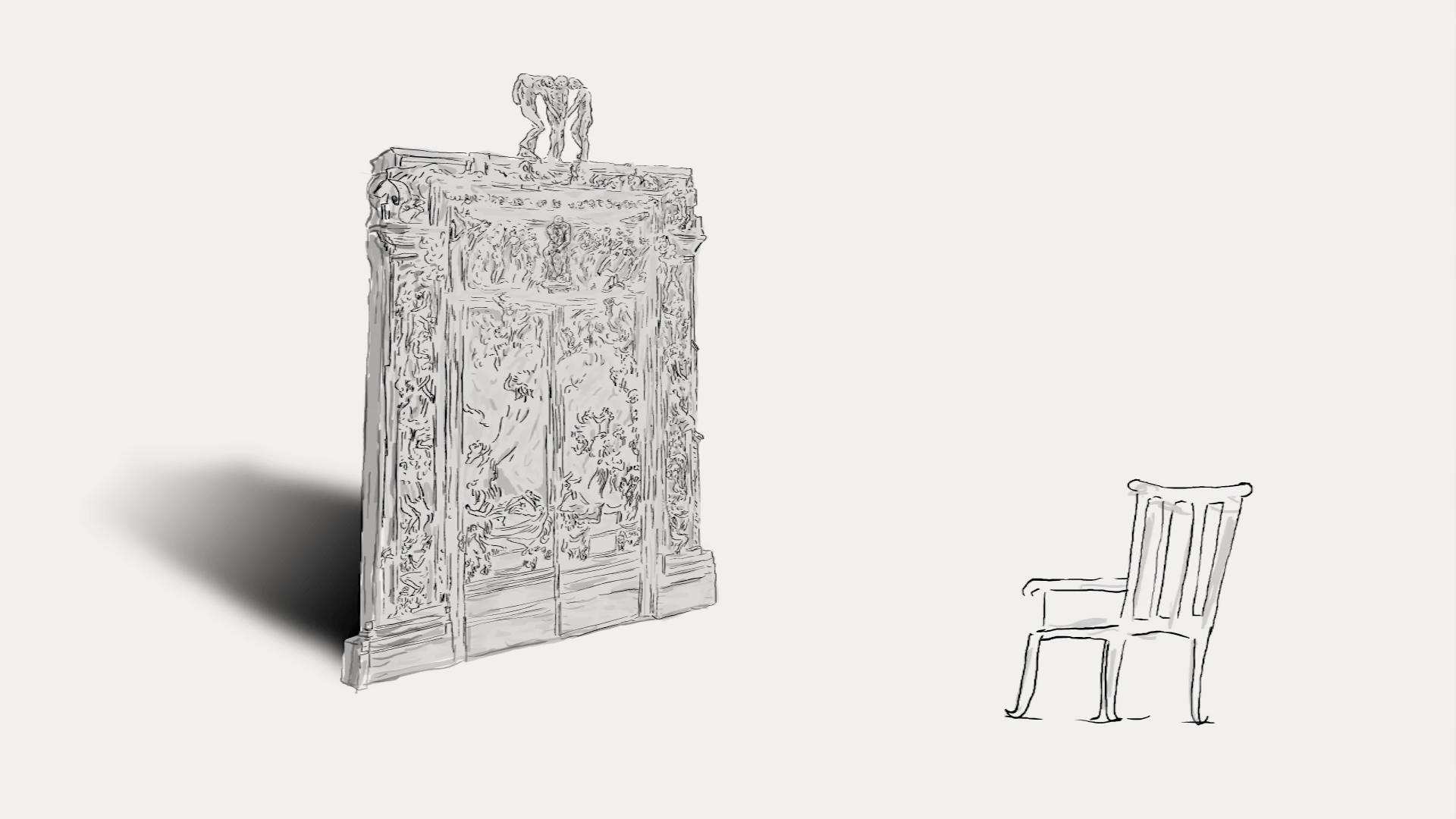
Despite spending 37 years creating it, Rodin died before 'The Gates of Hell' was completed. It was finally finished about 10 years after Rodin's death.
Related Posts:




in Video, Posted by logu_ii