OpenAI has announced an update to its 'Agents SDK' that enables the creation of AI agents that can run for extended periods.

OpenAI has announced the next-generation update to its Agents SDK, an SDK for building and operating AI agents. Agents can now perform file operations, code execution, command operations, and more safely and efficiently.
The next evolution of the Agents SDK | OpenAI
Build long-running agents with more control over agent execution.
— OpenAI Developers (@OpenAIDevs) April 15, 2026
New capabilities in the Agents SDK:
• Run agents in sandboxes
• Inspect and customize the open-source harness
• Control when memories are created and where they're stored pic.twitter.com/zPyuLup6b6
This update improves the performance of the 'harness,' a control mechanism that allows agents to work across files and tools on a PC, and adds a sandbox execution function to ensure safe operation.
Traditionally, building an agent required developers to manage aspects such as retries, authentication, state management, and exception handling. If integration with other tools was desired, developers had to write the connection code themselves, and the maintenance effort increased as the number of tools increased.
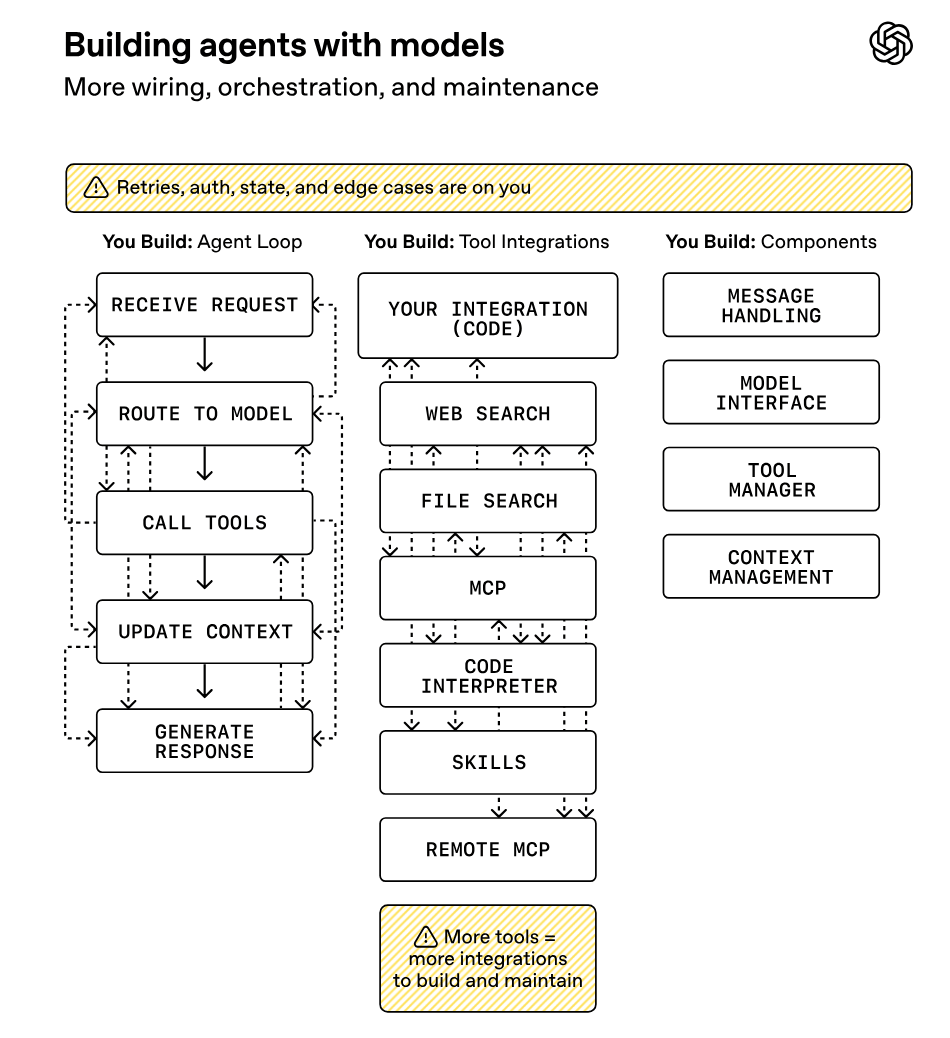
The updated Agents SDK will allow developers to offload many tasks that were previously handled by the developer. 'We'll handle the loops, the tools, and maintaining an execution environment that can be interrupted and resumed,' the description states.

Agents need a workspace to read and write files, install dependencies, execute code, and use tools safely. The updated Agents SDK now supports native sandbox execution, saving developers the trouble of building it themselves.
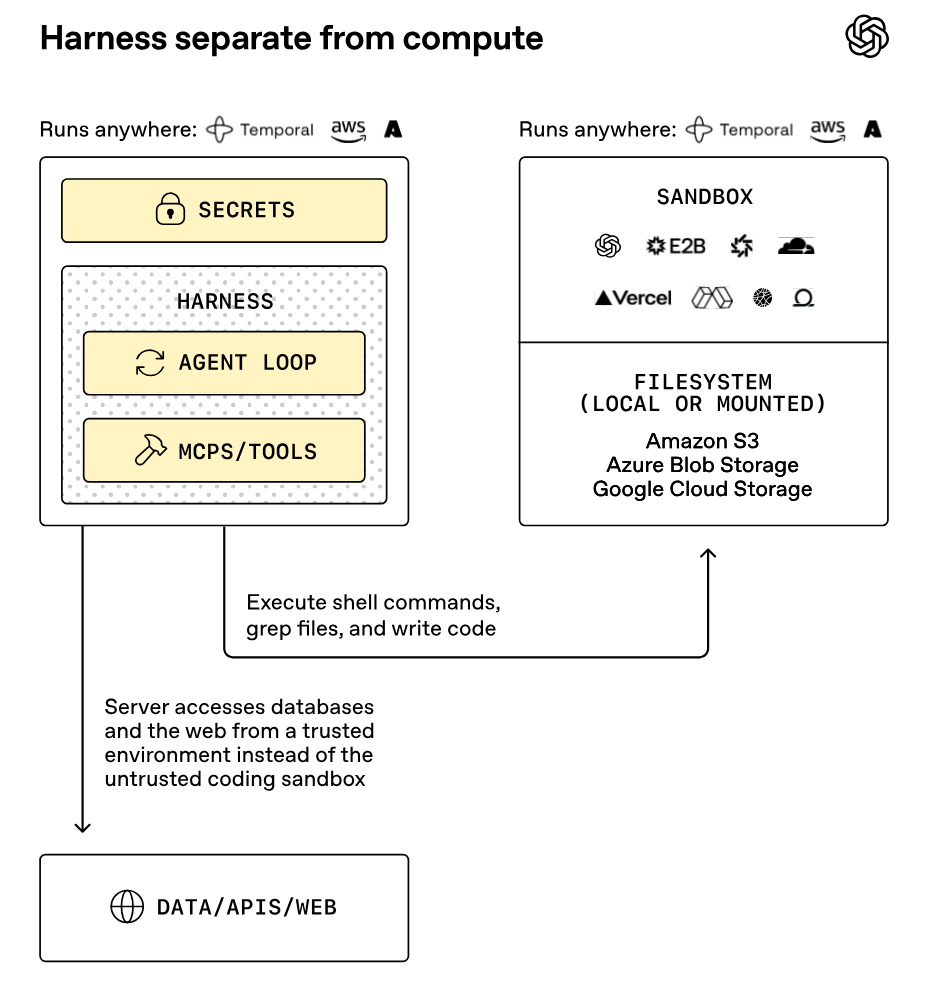
For sandbox execution, built-in support is available for Blaxel, Cloudflare, Daytona, E2B, Modal, Runloop, and Vercel, and developers can also create their own sandboxes. Manifest abstraction has been introduced to enhance portability, allowing for a consistent approach to building agent execution environments, from local prototype development to deployment to production.
Furthermore, the new Agents SDK separates the harness from the execution environment.
If a harness exists within the execution environment (sandbox), there is a risk that the harness itself could be compromised if problematic code is generated through prompt injection attacks or other means.
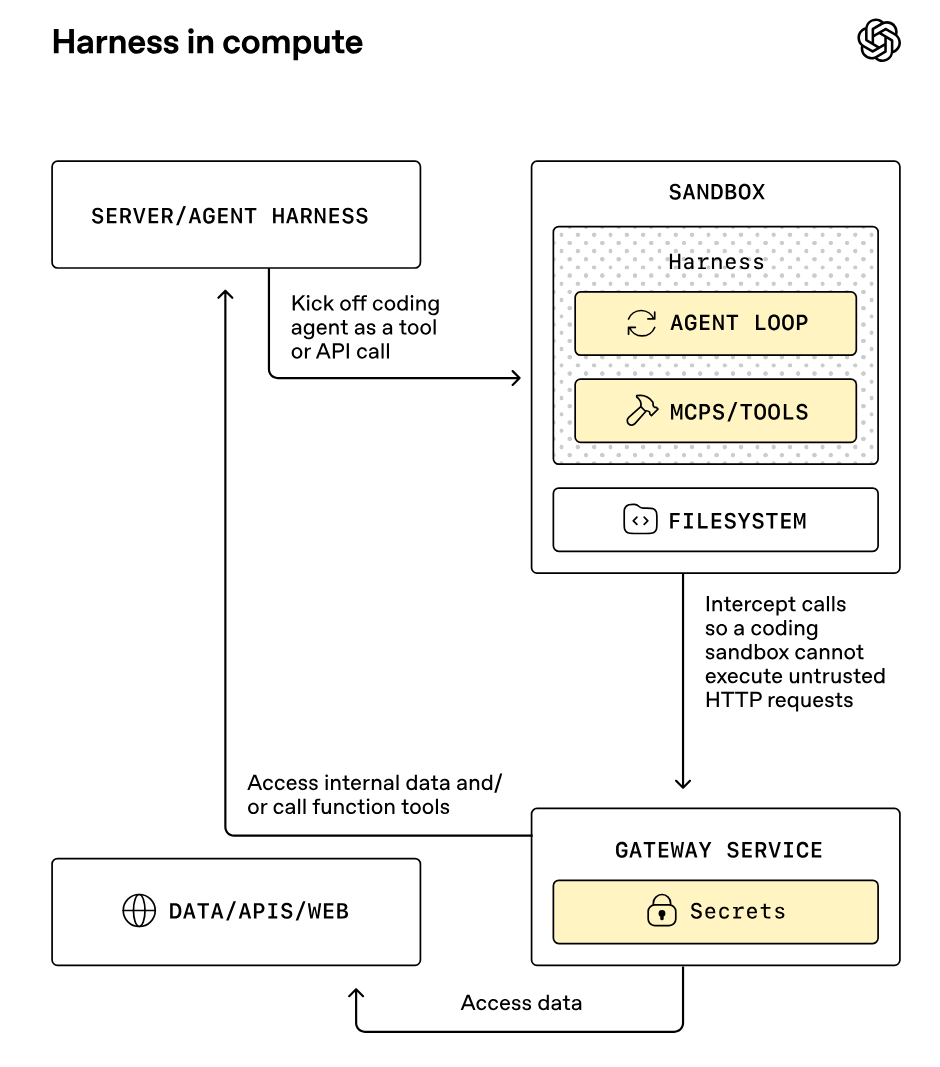
Separating the harness from the sandbox not only ensures security, but also allows you to save the sandbox state and resume work if it is interrupted. Furthermore, creating multiple sandboxes for a single harness allows you to work in parallel.
The Agents SDK itself is free to use, but there are standard usage fees for the tokens and tools used by the agents.
The updated Agents SDK is currently only available in Python at the time of writing, but a TypeScript version is planned for the future. Further releases of additional features such as 'Code Mode' and 'Sub-agents' are also planned.
Related Posts:




in AI, Web Service, Posted by log1d_ts