Submarine cables are under threat of sabotage, and the situation has reached a point where new technologies and the development of new routes are necessary to protect them.
By The Official CTBTO Photostream
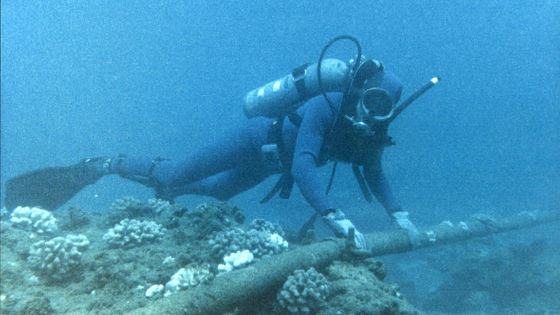
Submarine cables, which connect the entire globe, are the lifeline of modern society. However, because their functionality ceases if any part of these long-distance cables is cut, preventing intentional sabotage is difficult. The Wall Street Journal reports on how measures are being taken to protect submarine cables from sabotage.
Inside the Race to Protect Submarine Cables From Sabotage - WSJ
https://www.wsj.com/tech/inside-the-race-to-protect-submarine-cables-from-sabotage-c90ba18c
Between 2023 and 2024, three submarine cable severance incidents occurred in the Baltic Sea, and in Taiwan, 27 submarine cable severance incidents occurred in just five years. Numerous incidents of submarine cables being severed are occurring all over the world.
Why do undersea cable severance incidents continue to occur all over the world? - GIGAZINE
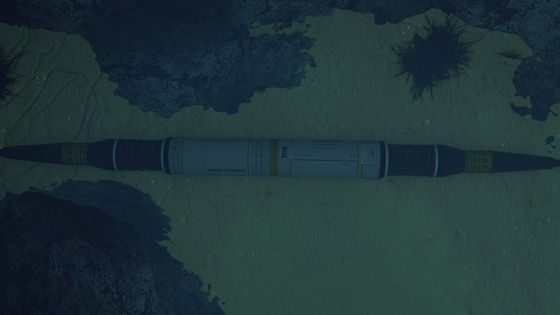
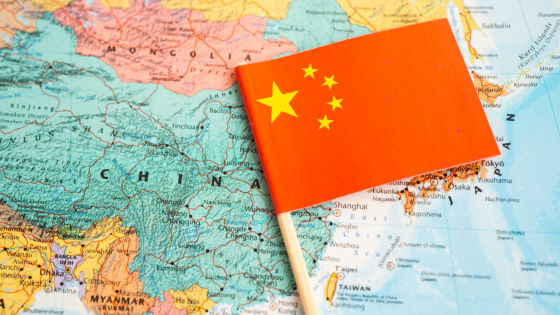
Submarine cables installed in shallow waters can be destroyed relatively easily using ship anchors. Furthermore, even when installed in deep seas, it is difficult to protect submarine cables from intentional destruction, as evidenced by the development of submarine cable cutting devices in China that can operate at depths of up to 4,000 meters.
China develops undersea cable cutting device - GIGAZINE
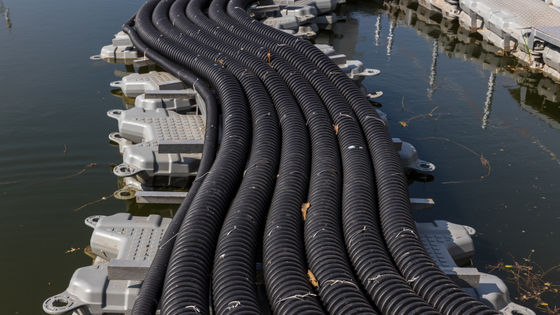
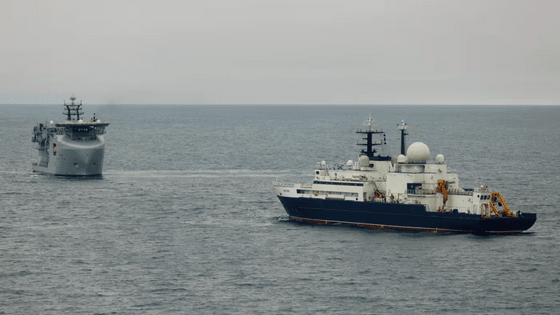
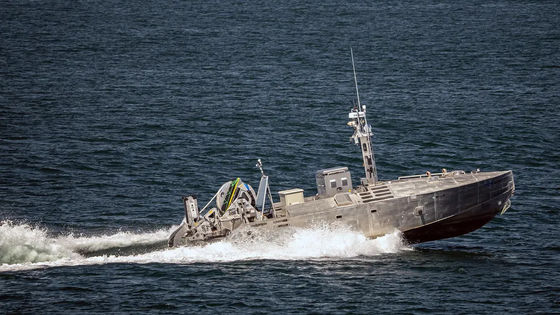
While there is no perfect way to protect long-distance submarine cables, various measures are being taken around the world to prevent them from being cut. The North Atlantic Treaty Organization (NATO) patrols the North Sea and Baltic Sea using ships and drones, and on April 9, 2026, it announced that 'Russian submarines were carrying out malicious activities against underwater infrastructure.'
In Asia, Taiwan is strengthening patrols by its undersea guard, and private cable operators are reportedly considering routes that avoid disputed waters such as the South China Sea, where China and the Philippines have territorial claims. Singapore is also planning to double the number of connected submarine cables from around 30 to more than 50 to increase their resistance to breakage.
While there have been no confirmed cases of undersea cable severing, which occurs at a rate of approximately 150 to 200 per year, being acts of sabotage by the state, some experts say that the undersea cable severing incidents off the coast of Taiwan in 2023 and 2025 were precisely targeted attacks that would cause the greatest damage, making them 'unlikely to be accidental.'
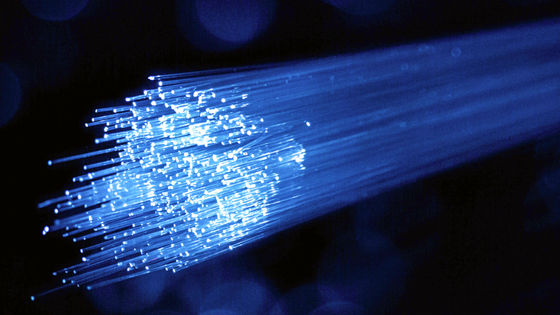
To protect submarine cables from being cut, some companies are adopting a new technology called distributed acoustic measurement. Distributed acoustic measurement can not only detect damage to submarine cables, but also determine if there are ships nearby and what kind of ships they are.
Technology to monitor everything from volcanoes and earthquakes to whale songs using 'optical fibers' - GIGAZINE
Additionally, a device called a ' seabed sentry ' has been developed that is installed on the seabed to monitor suspicious movements using sonar.
Amidst global instability, the battle over undersea cables is likely to intensify further.
Related Posts:

in Hardware, Posted by log1d_ts