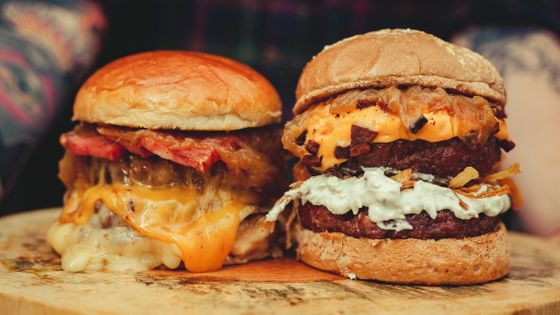
A study suggests that people tend to choose unhealthy foods when ordering through drive-thru AI.
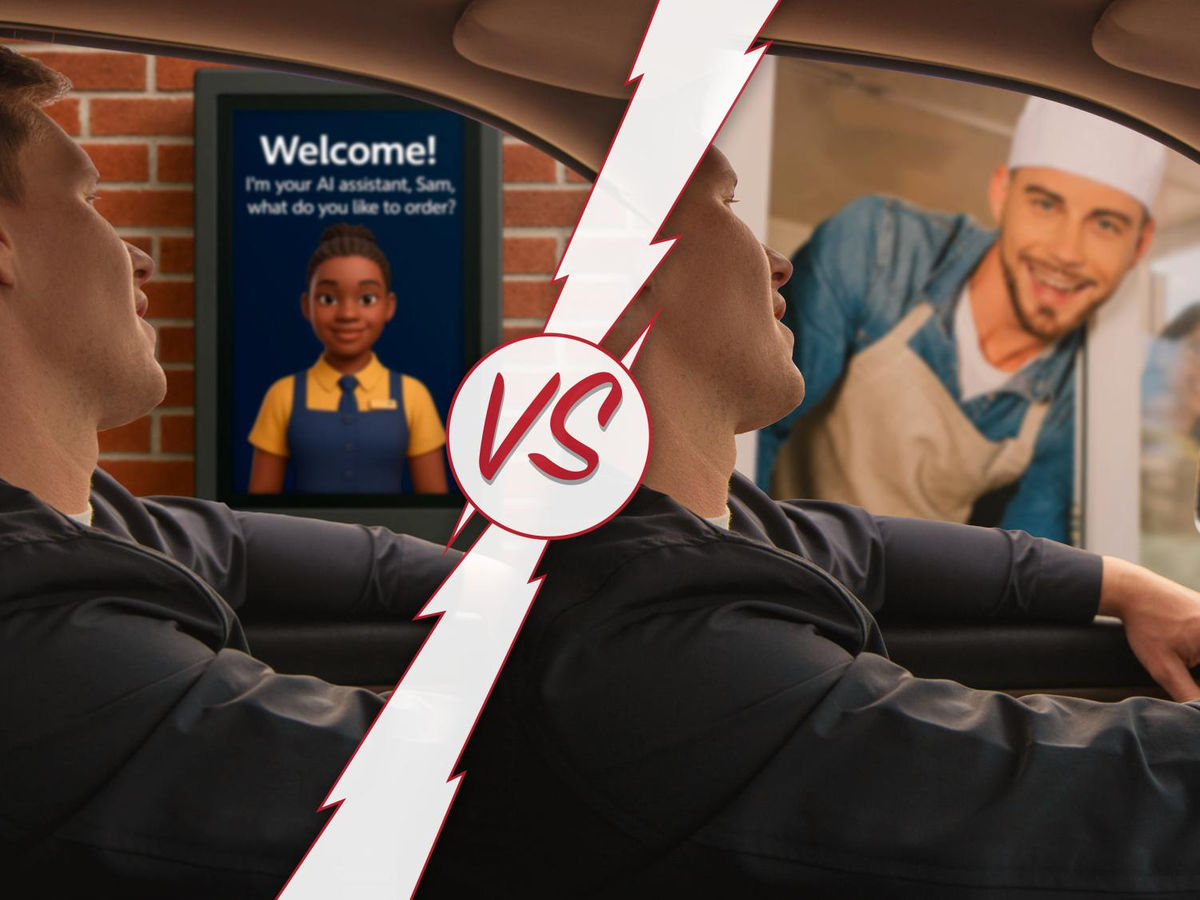
Recently, more and more fast-food restaurants are introducing voice AI into their drive-thrus. New research has found that customers who interact with AI are more likely to order higher-calorie foods.
From human to AI: Understanding the impact of voice AI on consumers' food choices - ScienceDirect
Fries with that? Ordering from AI linked to selecting more indulgent foods | Penn State University
https://www.psu.edu/news/health-and-human-development/story/fries-ordering-ai-linked-selecting-more-indulgent-foods
Researchers at Pennsylvania State University conducted an experiment simulating a drive-thru food ordering scenario to investigate the impact of AI on consumer behavior.
Researchers gathered 117 participants and randomly assigned them to interact with either a voice AI or a human. They then watched a one-minute video simulating ordering at a drive-thru and were asked to choose between a high-calorie cheeseburger and fries set or a healthier grilled steak salad and fruit set. The results showed that participants who interacted with the voice AI were significantly more likely to choose the high-calorie option.
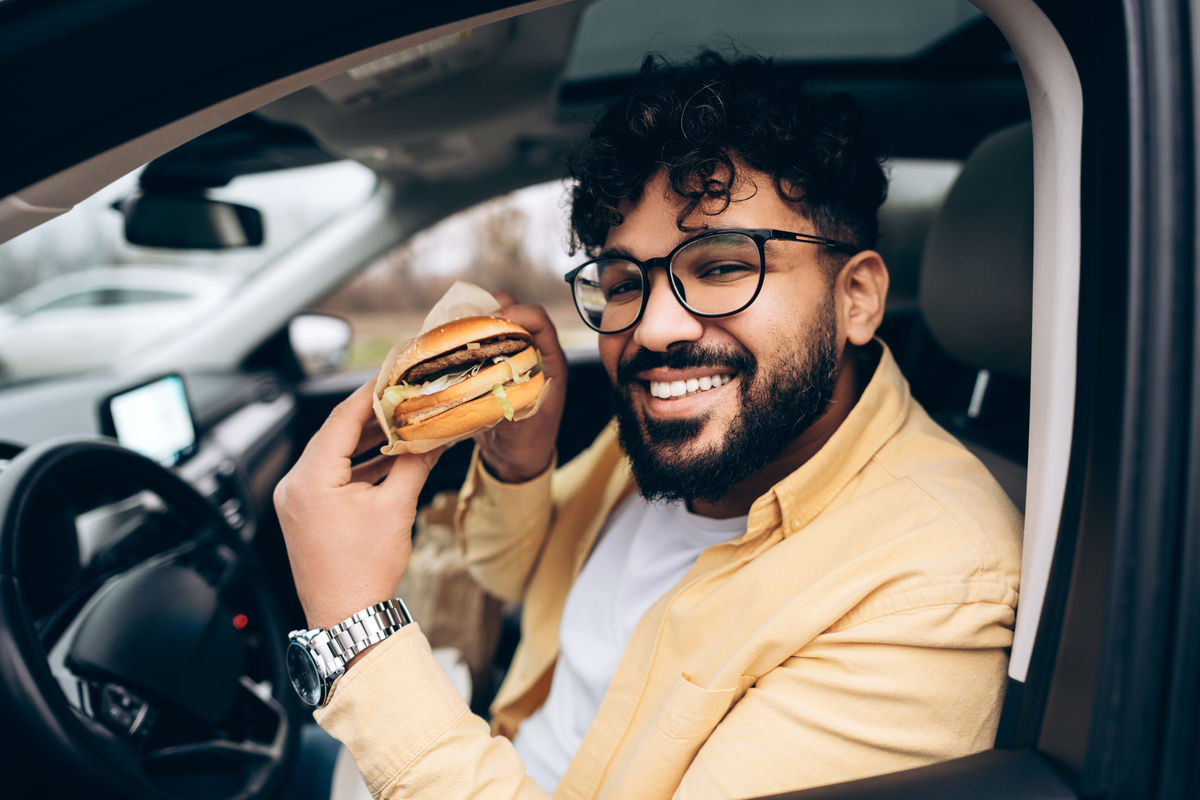
Next, to explore why voice AI increases the selection of high-calorie foods, the researchers recruited another 123 participants and conducted a second experiment measuring mental fatigue using a similar procedure.
According to researchers, humans interacting with AI may experience more mental fatigue compared to interacting with other humans because they need to clearly communicate instructions to the AI and confirm that it is being understood correctly.
The researchers stated, 'When people are mentally exhausted, it becomes difficult to think carefully, and they tend to make choices that make them feel good in the moment. After a tiring day, they often crave ice cream, snacks, and fast food rather than healthy meals. Healthy choices require more mental effort and self-control, but high-calorie foods provide immediate comfort and satisfaction. Therefore, when cognitive energy is low, junk food is more likely to be chosen over health-conscious foods that require careful consideration.'
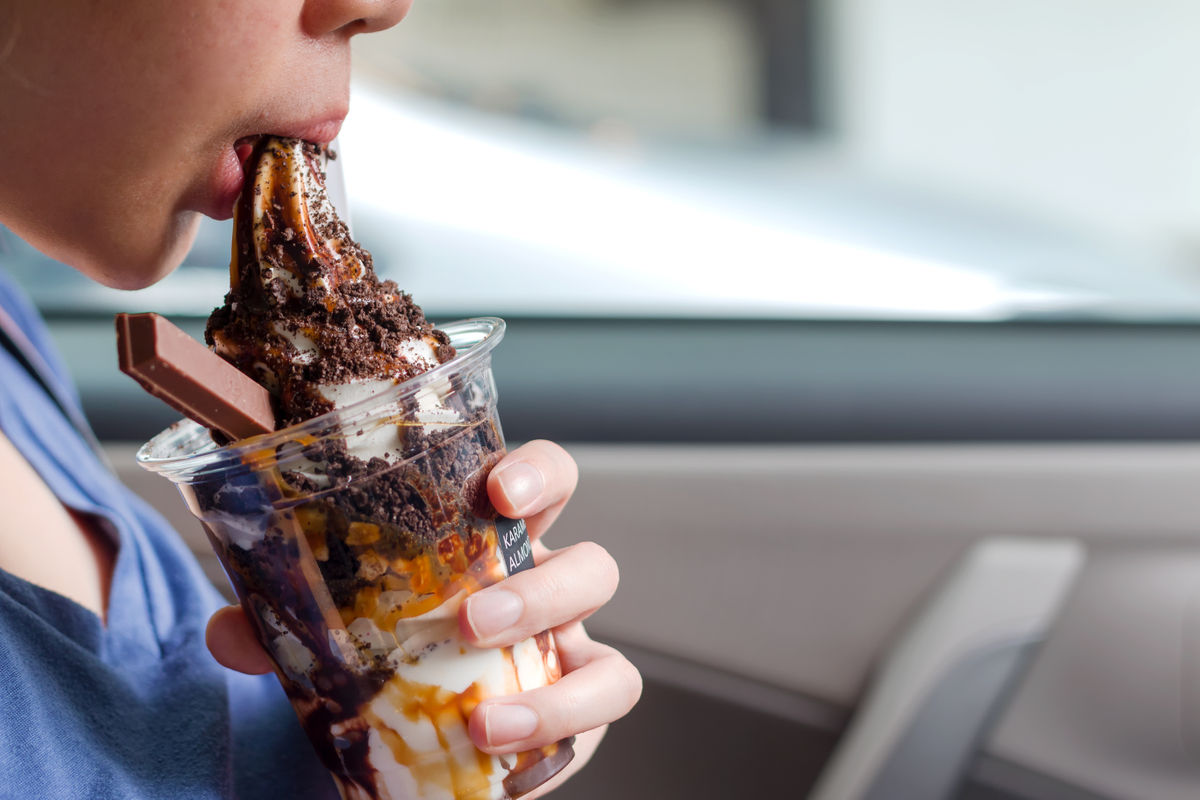
Finally, to examine how the influence of voice AI could be mitigated, the researchers conducted an experiment with 164 new participants. Participants watched videos of drive-thru ordering using either a visually recognizable AI 'avatar' or an AI without an avatar, and then similarly selected high-calorie or healthy menu items.
As a result, participants who were assigned an AI with an avatar were more likely to choose healthy menu options.
The researchers point out that 'small design changes, such as adding more user-friendly avatars, can reduce mental fatigue and lead to more balanced decision-making. Brands that primarily sell luxury foods should be aware that voice AI ordering could increase demand for high-calorie products. On the other hand, companies that want to promote healthy choices should be cautious about implementing AI ordering systems.'
He further added, 'These findings extend beyond the food service sector. As AI becomes more widely used in everyday decision-making, it demonstrates the potential for AI to subtly guide human behavior without the user even realizing it. Understanding these impacts will enable businesses, designers, and policymakers to build AI systems that are not only efficient but also responsible, transparent, and aligned with consumer well-being.'
Related Posts: