A homemade remote control using a floppy disk solves the problem of 'controlling TV with a remote control,' which is too complicated for children.
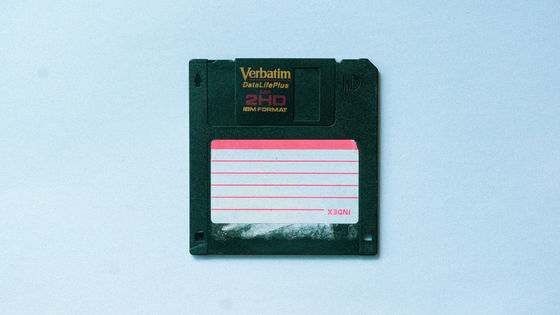
Televisions are no longer just for broadcasting terrestrial and digital broadcasts, and many people are now using video streaming services like YouTube and Netflix on their TVs. Watching content on both terrestrial and digital broadcasts, as well as using media apps, can make remote control operation extremely difficult. Even for adults, TV controls can be complicated, but for young children, they can seem incredibly complex and mysterious. So, someone has created a simple-to-use remote control for children using a floppy disk.
blog.smartere » Floppy Disks: the best TV remote for kids
Modern television is completely unsuitable for children. Not only are TV remote controls complicated, but users also have to operate apps installed on the TV. These apps continually tempt users to watch programs other than the one they want to watch, leaving children feeling helpless and forced to beg adults to show them what they want. Mads Christian Olesen argues that if adults don't play the programs children want, children 'just feel helpless in front of the TV.'
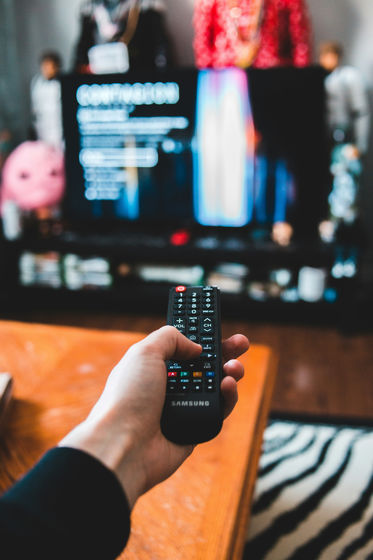
Olesen wanted to create a remote control that children could use independently to replace conventional remote controls. Here are the key elements of a DIY remote control that Olesen came up with for his 3-year-old son:
・Things that my 3-year-old son can choose for himself
Physical and tangible (things you can touch and feel)
- Making content appear as if it were physically stored when it is stored in a non-transparent manner in the 'cloud'
- It can be destroyed, and if it is destroyed, the appropriate action must be taken.
- No autoplay
Olesen created a floppy disk remote control. Here's how it actually works:
I have two floppy disks.
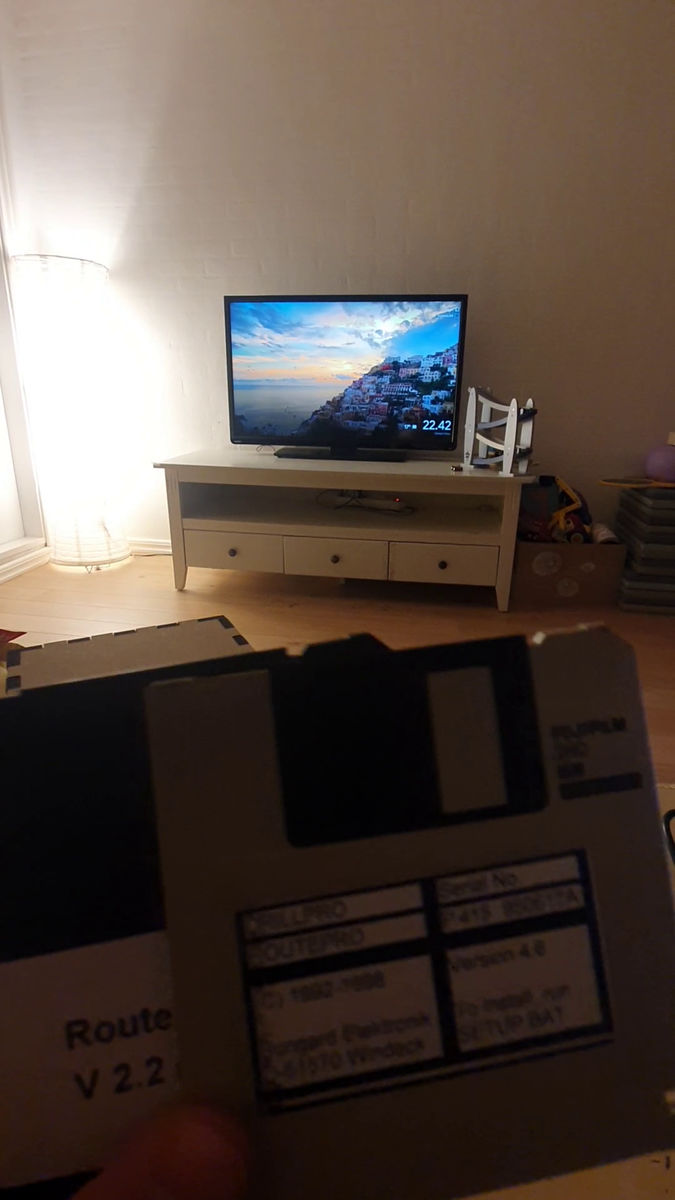
One of them is inserted into a mysterious case.
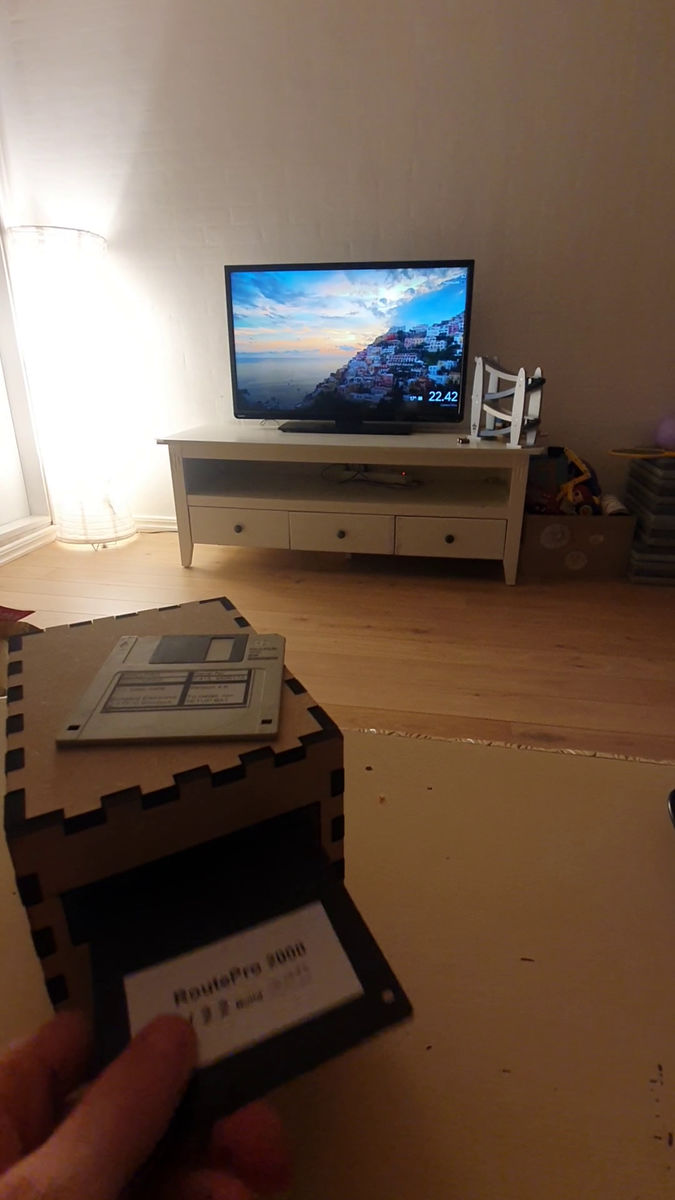
The TV then starts playing the content. The floppy disk is linked to a specific program, and when you insert it, playback begins.
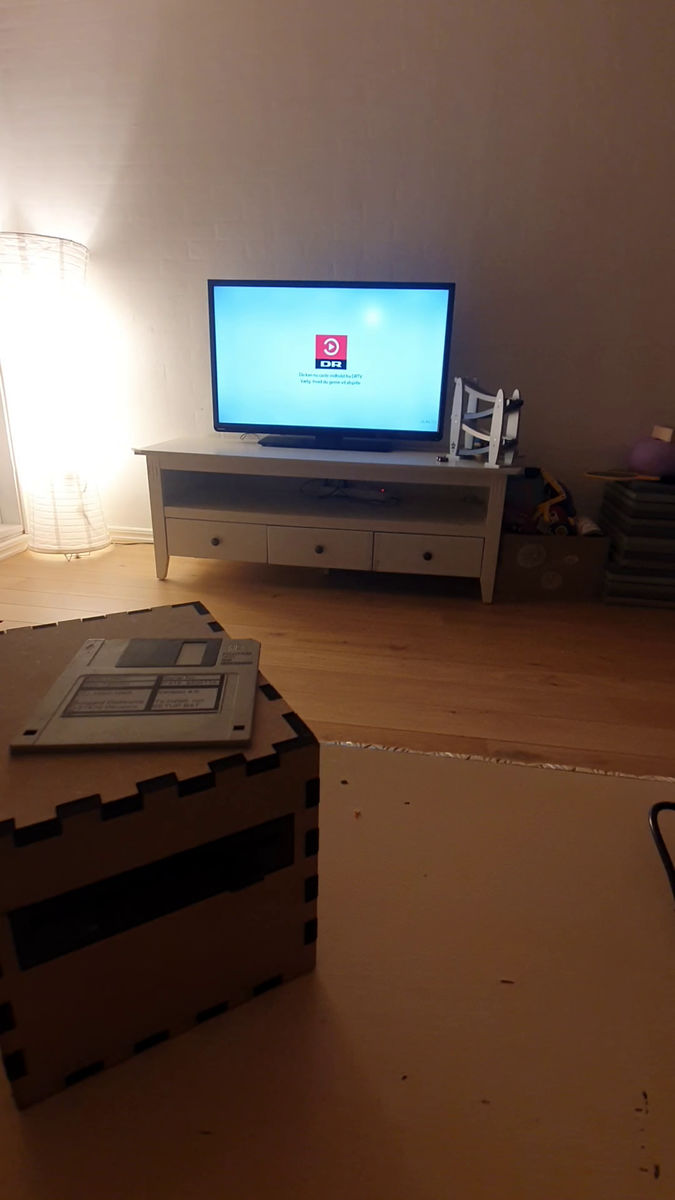
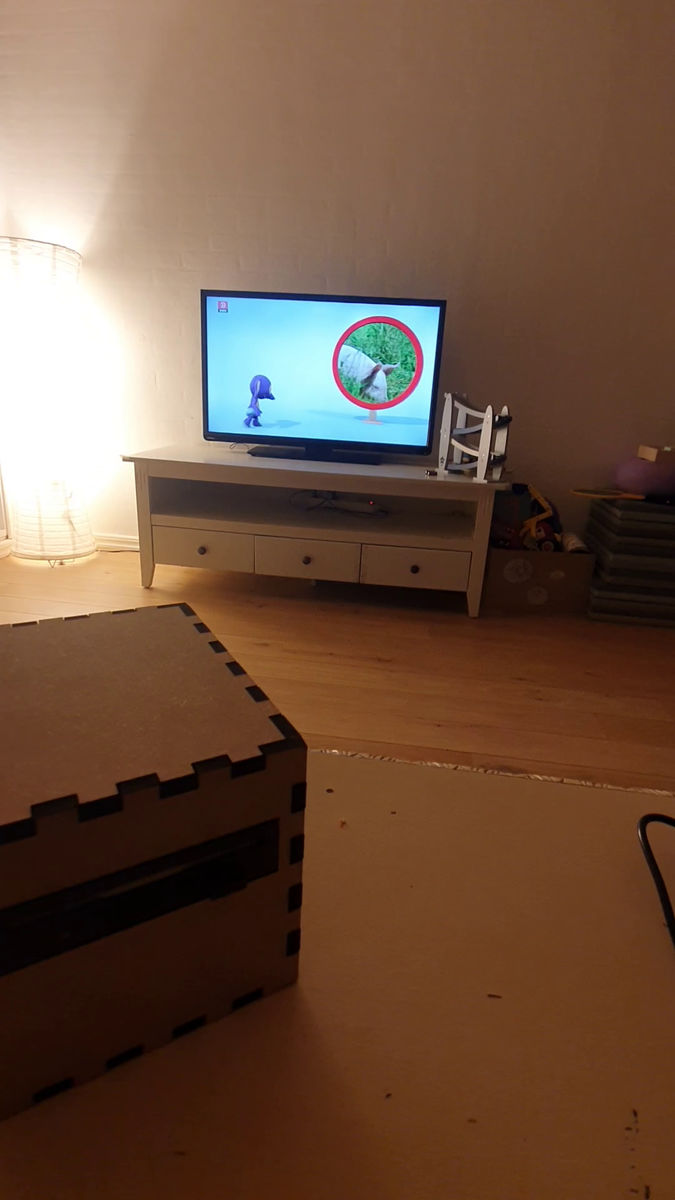
Playback will stop when you remove the floppy disk.
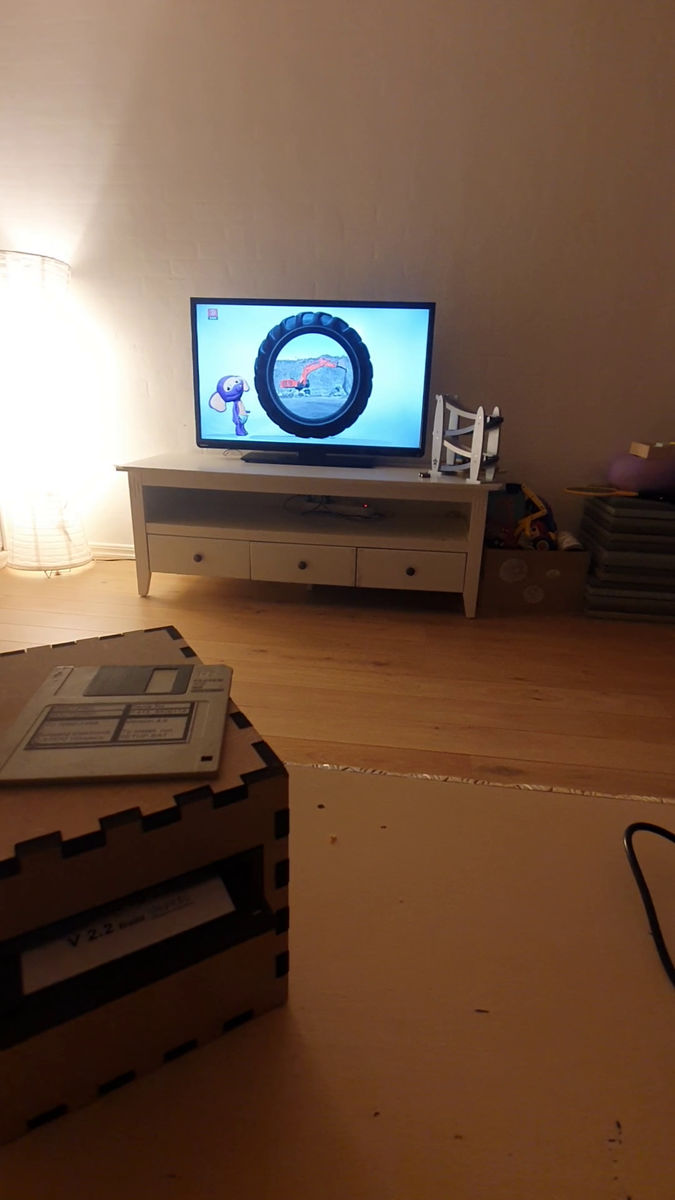
Insert another floppy disk.
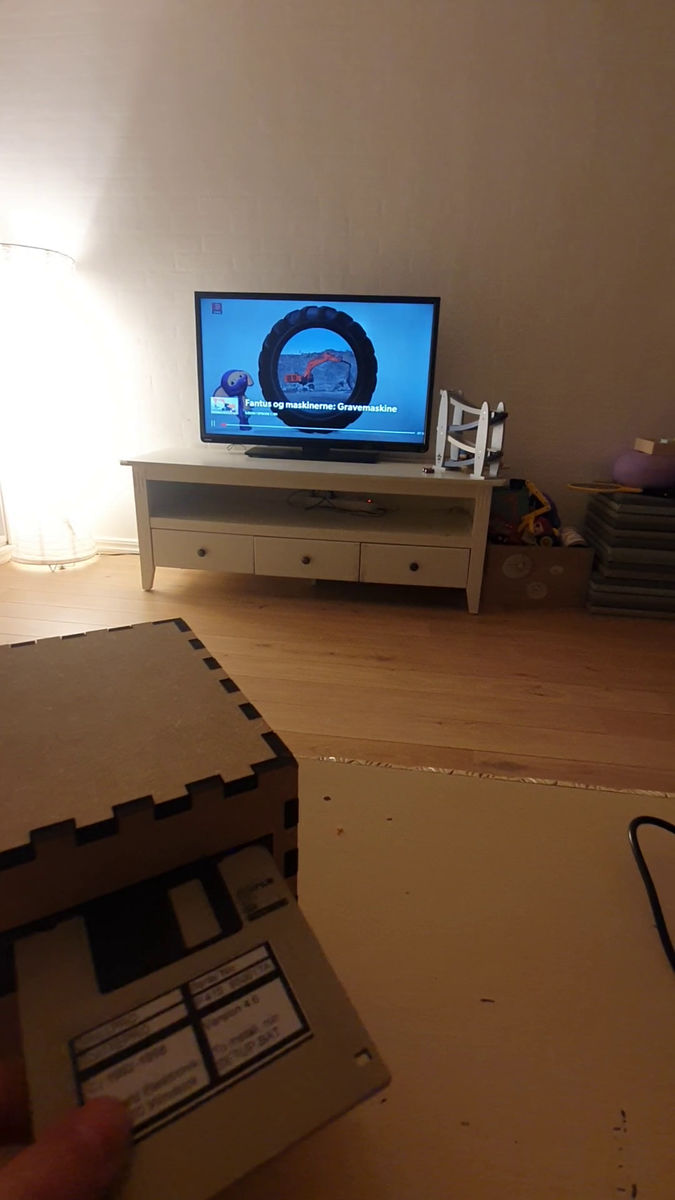
Then another content started playing.
Olesen explained his reason for choosing the floppy disk: 'The mechanical click when you insert it, the whoosh as the disk spins, and the sound of the read head moving—all of these things make the floppy disk the greatest storage medium ever! If the floppy disk wasn't the greatest storage medium, it would be hard to explain why the save icon on PCs and other devices is still a floppy disk.'
He adds, 'Have you ever turned in a paper on a broken floppy disk? When your teacher asked, did you make the excuse, 'The floppy disk must have been broken?' Today's kids have never used or even seen a floppy disk, so I think it's worth giving them this experience.'
Olesen previously created
Since there was no autorun feature for floppy disks, Olesen modified the drive and added a simple rolling switch that would activate when a floppy disk was inserted, thereby implementing the autorun feature.
Next, they prepared an AVR-based Arduino for floppy disk control and a board equipped with an ESP chip for WiFi communication. 'It was very complicated to use because it required individual jumper settings for programming the ATmega, programming the ESP, and connecting the serial ports of the two boards,' Olesen said.
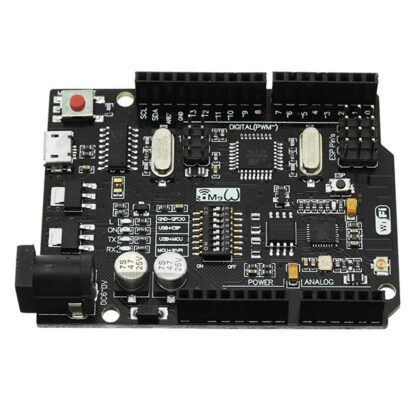
Olesen said, 'The remote control should be portable and battery-powered,' and improved it to be battery-powered. The floppy disk remote control's housing is laser-cut from MDF board, and details are available in the following GitHub repository.
GitHub - mchro/FloppyDiskCast
https://github.com/mchro/FloppyDiskCast
The floppy disks that Olesen prepared for his children are as follows:
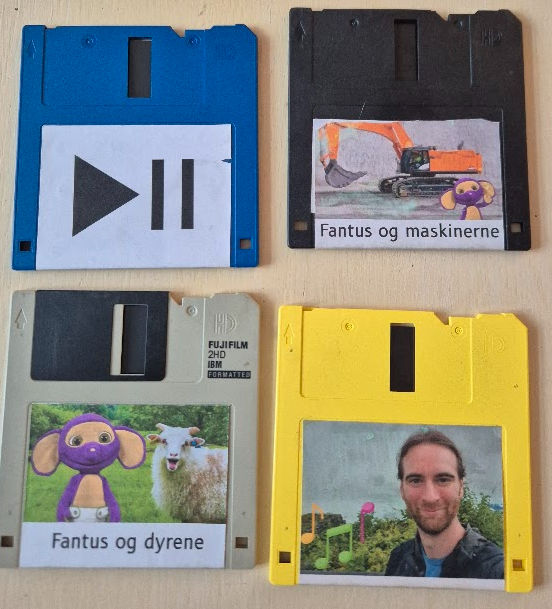
Olesen points out that one problem he encountered with children using floppy disk remote controls was that the read head would remain on track 0 even after reading all the data, so if the remote control with a disk inserted was swung around, the disk would be damaged at track 0.
To avoid this, Olesen moved the head to track 20 after the read was complete. Since no data was stored on track 20, damage no longer occurred, Olesen wrote.
Related Posts:



in Hardware, Posted by logu_ii