Is it possible to build a data center in space? Former NASA engineer points out the technical challenges
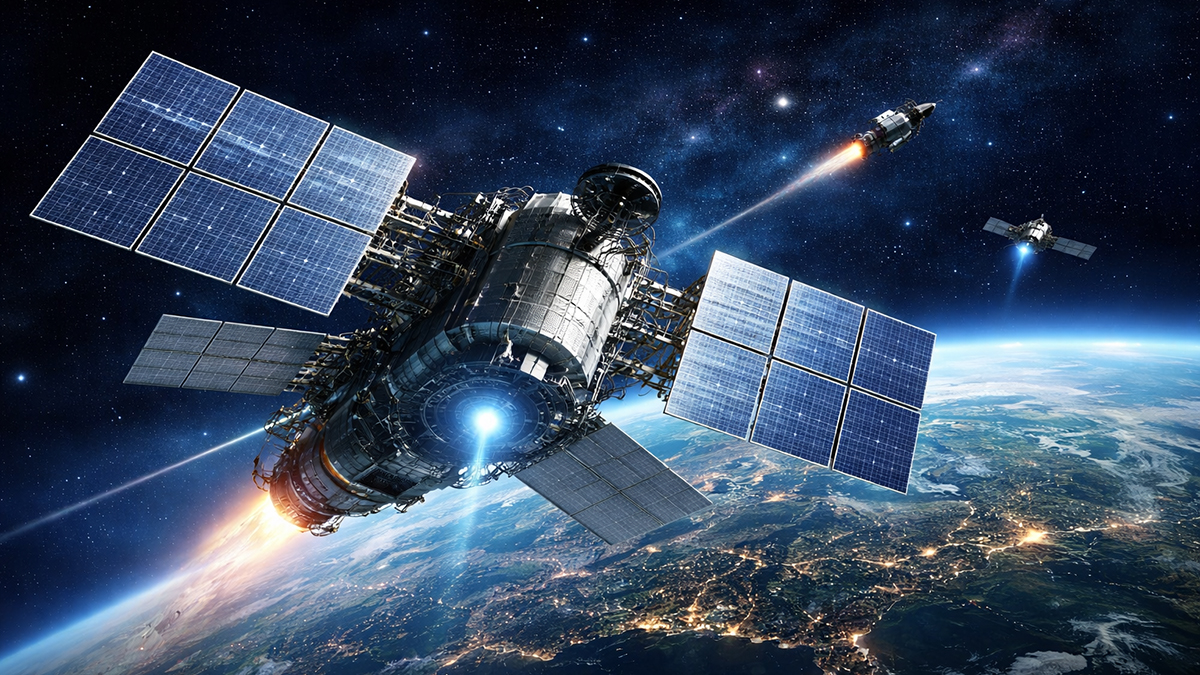
Datacenters in space are a terrible, horrible, no good idea.
https://taranis.ie/datacenters-in-space-are-a-terrible-horrible-no-good-idea/
Datacenters in space aren't going to work | Hacker News
https://news.ycombinator.com/item?id=46087616
Space isn't necessarily suitable for cooling
'Space is widely thought of as an extremely cold environment, making it ideal for cooling. However, McKinley points out that this perception does not accurately reflect the physical conditions. Because space is a vacuum, the air and water cooling methods commonly used in terrestrial data centers cannot be used, and the only way to dissipate generated heat is through radiative cooling , which emits infrared rays.'
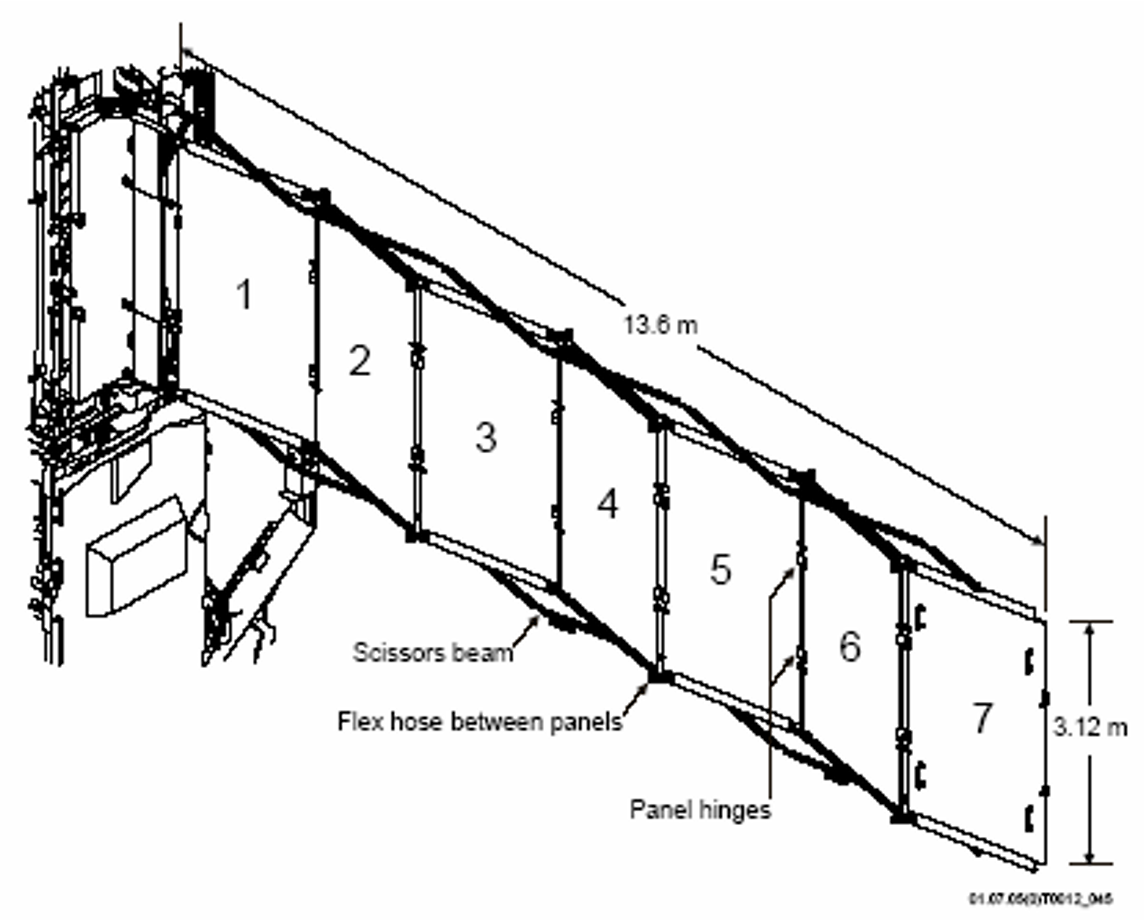
This method is less efficient than air or liquid cooling, and requires a large heat dissipation area to process large amounts of heat. In fact, the International Space Station (ISS) is equipped with a large-scale heat dissipation radiator with a total length of over 10 meters, which unfolds folding panels, even though it operates with a relatively limited amount of power. McKinley argues, 'When considering facilities that generate a lot of heat, such as data centers, the cooling structure itself becomes a major design constraint and could affect the viability of the entire system.'
A similar concern was expressed on Hacker News, a social news site, regarding cooling in space, saying, 'The
- Issues with power supply and launch costs
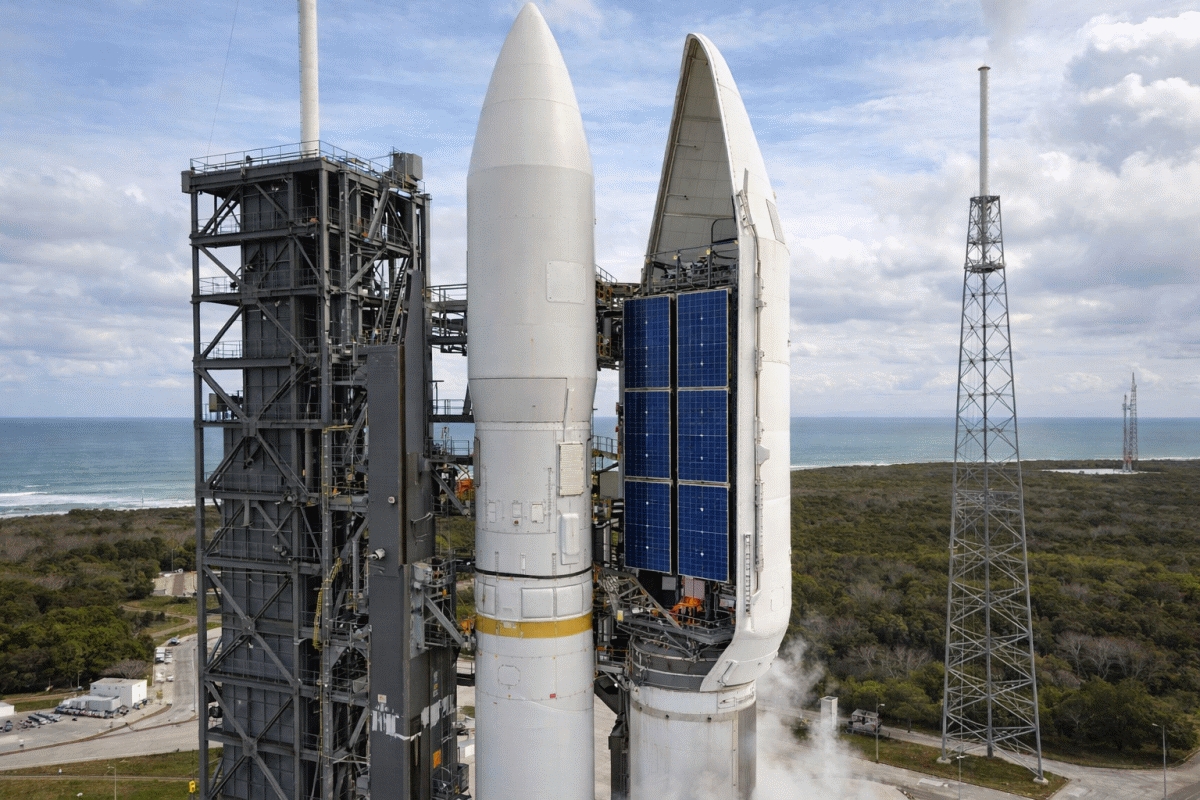
While it's often said that sunlight can be used stably in space, McKinley explains, 'stable sunlight doesn't necessarily translate into cost advantages.' Space solar cells are expensive, and degradation due to radiation must be considered. Furthermore, all equipment, including power generation equipment, computers, and cooling systems, must be launched by rocket, which increases weight, directly increasing costs. As a result, it's likely that generating the power required by a data center in space will be more expensive than a facility of the same size on Earth.
Regarding this point,
- Difficulty in operation and maintenance in the space environment
McKinley also noted that data centers are 'infrastructures that operate on the assumption that they will fail.' While replacing faulty parts and upgrading equipment is a routine process on the ground, performing similar tasks in space is no easy task. Human intervention entails high risks, and advanced autonomous technology is required to carry out repairs and replacements unmanned.
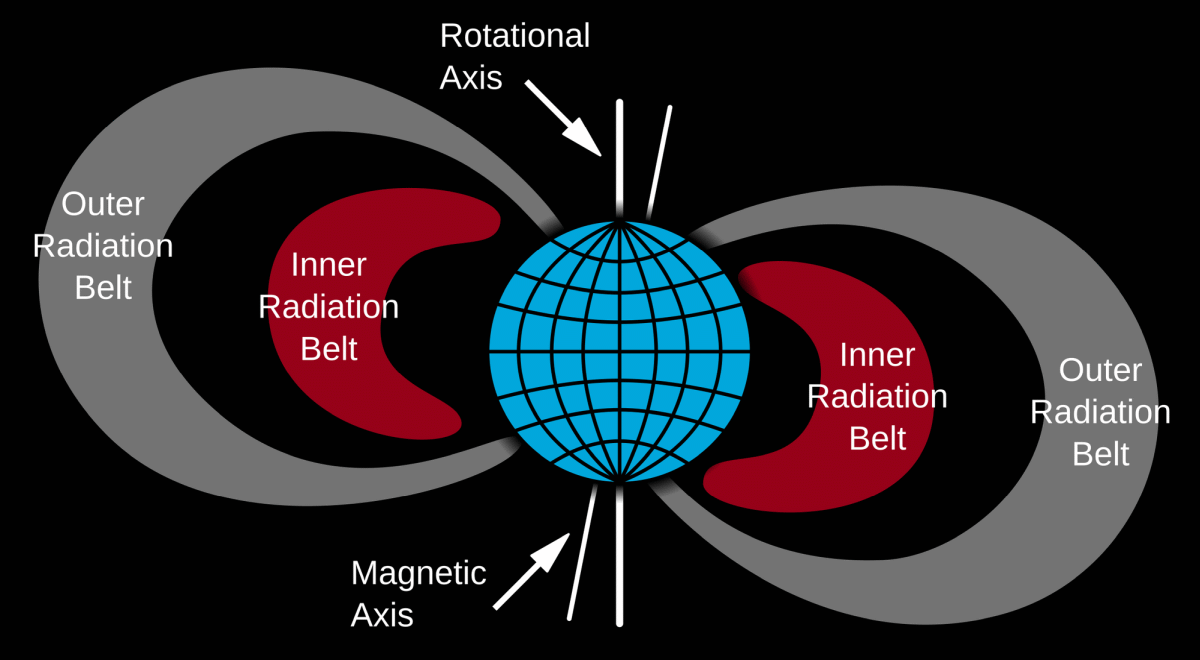
Furthermore, the radiation environment in space itself is a factor that affects the reliability of electronic devices. Around the Earth, there exists a region of concentrated high-energy particles known as the Van Allen radiation belts , and electronic devices on satellites and spacecraft must be designed with the assumption that they will be affected by radiation, which can cause malfunctions and degradation. McKinley points out that 'operating high-density computers stably for long periods in such an environment is itself a major technical challenge.'
'Placing a large number of servers on satellites requires launching power generation equipment and regular maintenance into orbit, which requires significant resources such as additional facilities and fuel,'
・Constraints of communication infrastructure
Communication constraints are also considered a major issue in the space data center concept. While terrestrial data centers are directly connected to high-speed optical fiber networks , data centers installed in space will rely on satellite communications (satellite links) that connect ground stations and satellites via radio waves, rather than physical lines such as optical fiber. While communication paths on Earth are only a few hundred meters to a few kilometers, in space they require a round trip between the ground station and orbital equipment, which means the physical distance itself manifests as latency.
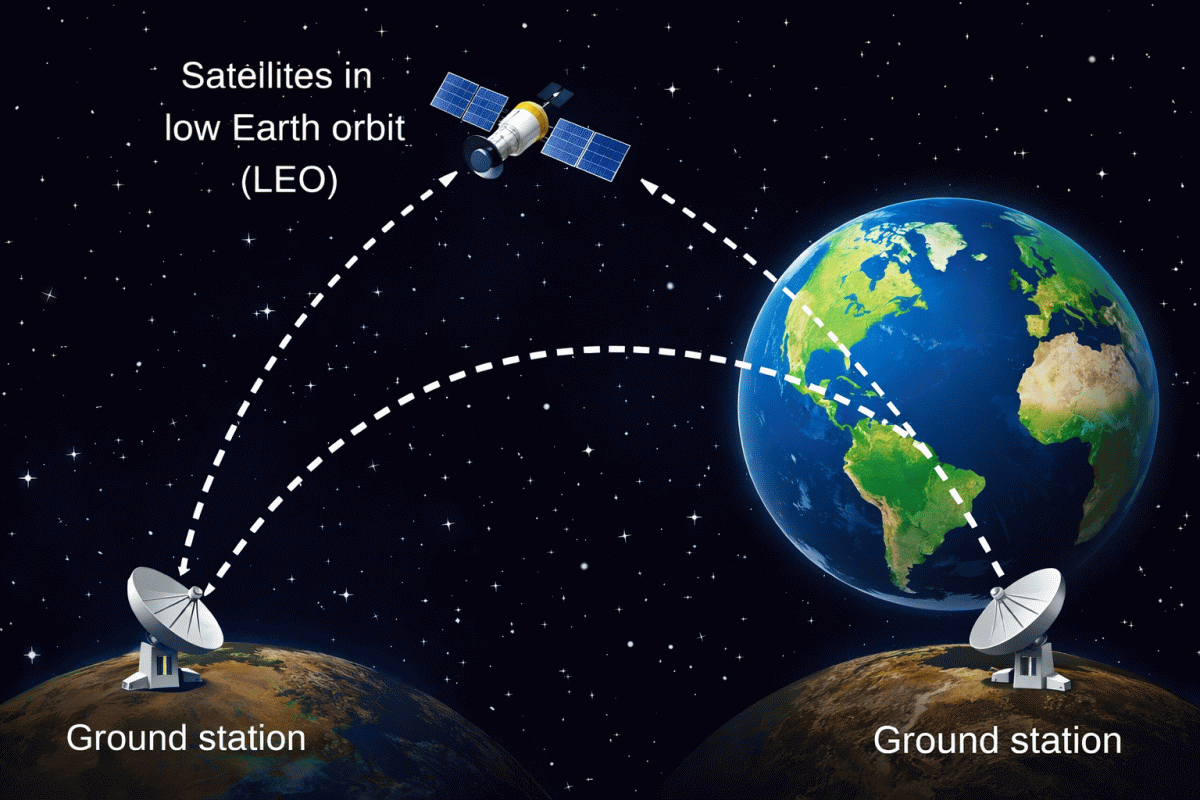
Satellite communications are limited in terms of bandwidth and latency, making them unsuitable for exchanging large amounts of data with low latency. For data centers, where input and output play an important role in addition to computational processing, communications performance is a factor that determines the practicality of the entire system.
In response to McKinley's views, many in the HackerNews comments section questioned the very premise that 'space is suitable for cooling' and pointed out the heavy operational burden, including maintenance and power supply in orbit. On the other hand, some argued that the possibility should be considered conditionally, assuming future technological innovations and changes in cost structures, so the concept itself has not been completely rejected. While space data centers are an attractive idea, it seems there are many challenges remaining before they can be established as practical computing infrastructure.
Related Posts: