What are the four patterns taken by 'dishonest and malicious debaters' who ruin the discussion?

Not everyone can make a 'good argument,' and some people can only make 'bad arguments.' Therefore, even with well-established rules and a proper moderator, debates can easily degenerate into ugly spectacles that humiliate their opponents.
How dirty debaters win against better opponents | Bo Seo - YouTube
Debates are subject to human tendencies, which can be good or bad, and the format can often be hijacked by malicious participants. 'As the 2016 US presidential debates showed, having a format does not guarantee a healthy debate,' So said.
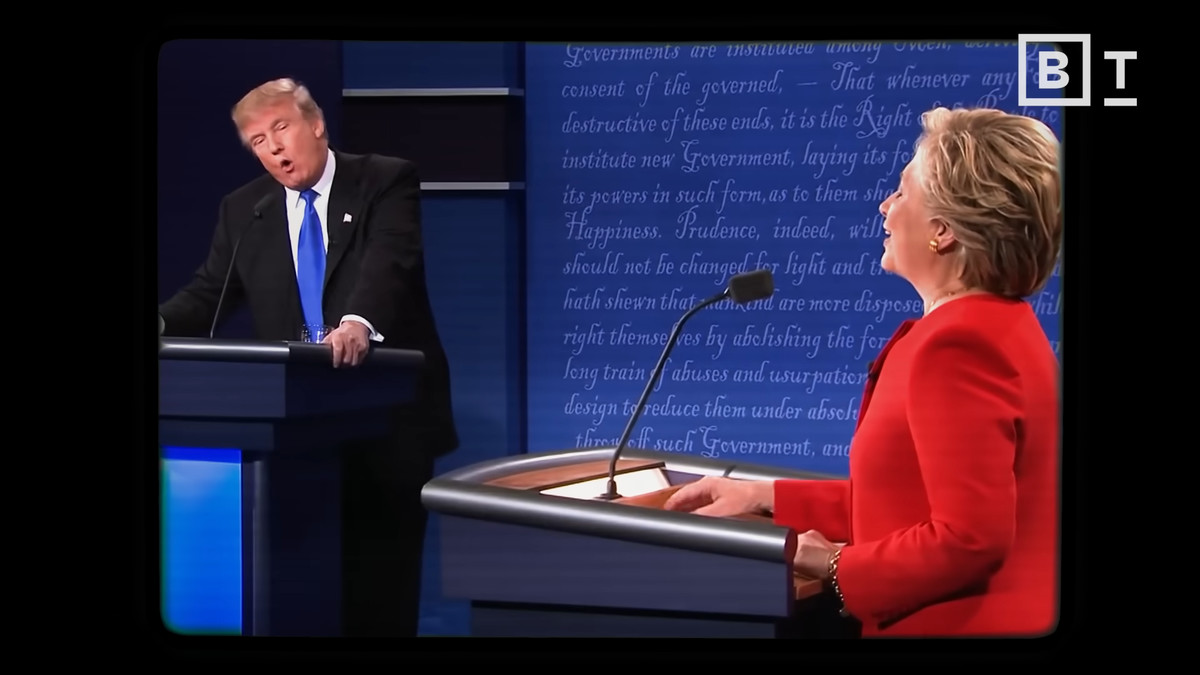
Therefore, Thor classified the typical 'dishonest debaters' into the following four patterns.
The first type is the 'Dodger,' who cleverly diverts the topic from the actual issue. For example, in response to the argument that 'climate change is getting worse and we need to reduce our dependence on fossil fuels,' someone might respond with 'But you drive a four-wheel drive vehicle.' Even if it seems to be on the same topic, it doesn't address the issue at hand. The way to deal with this is to consistently bring the other person back to the starting point. Make clear when they change the topic, and repeatedly confirm 'what is the issue at hand?'
The second type is the 'Twister,' who twists the other person's argument and forces a different position on them. For example, a typical example would be someone who, in response to a statement like 'I'm against tax increases,' would shift the argument to 'So does that mean you're neglecting social security?' What needs to be refuted is not the distorted argument, but the person's own original argument. The solution is to immediately correct the argument, clarifying 'what you're not saying' and 'what you're arguing,' and preventing the discussion from splitting up.
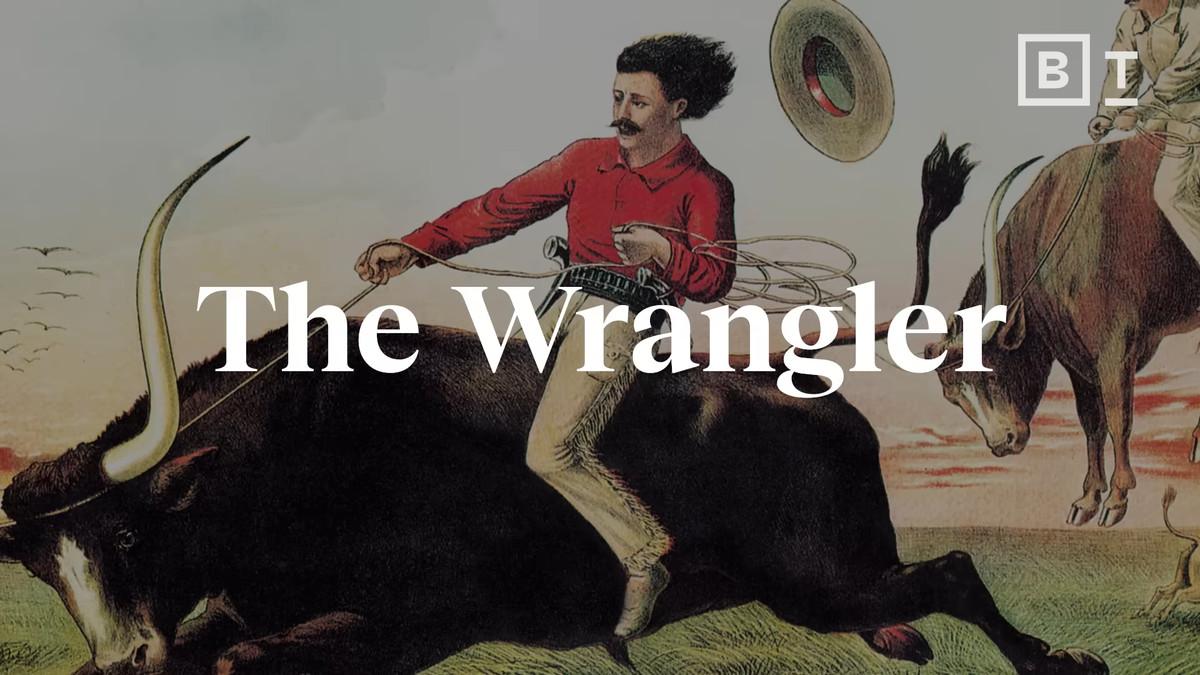
The third type is the 'wrangler,' who endlessly criticizes the other party's proposals while never offering an alternative. Simply rejecting them by saying, 'That's not good enough,' will not move the discussion forward. The way to deal with this is to demand a position, asking, 'What do you believe and what do you support?' and holding both parties equally accountable for their arguments.
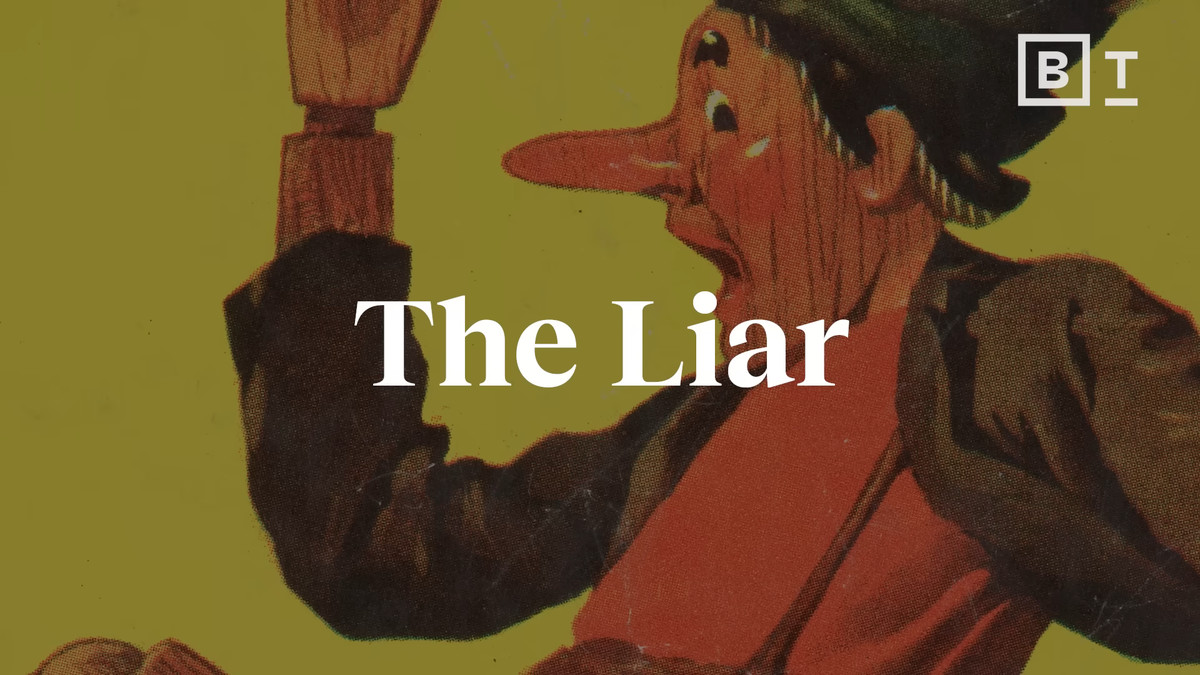
The fourth type is the 'Liar,' who strings together multiple lies rather than telling a single one, distracting the other person's attention. While Soh argues that it's not a good idea to eliminate every single lie, he recommends a 'plug and replace' approach. This involves selecting one or two representative lies, replacing them with facts to show the difference, and explaining how the lies affect the entire discussion. By clearly treating them as a problem, the lies themselves can be made visible.
Soh states, 'Knowing these patterns and learning how to deal with them will directly impact your resistance to bullying and harassment not only in the debate arena, but also in your everyday relationships and the workplace.' Because malicious arguments will only thrive if left unchecked, it's important to challenge them early and repeatedly and reestablish desirable conversational norms. Soh asserts, 'Just as humans can destroy arguments, it's also humans who can rebuild them. We have a responsibility to equip ourselves with both the tools and the attitude to return discussions to their original purpose.'
Related Posts: