Why aren't pen tablet manufacturers contributing to open-source drivers for Linux?
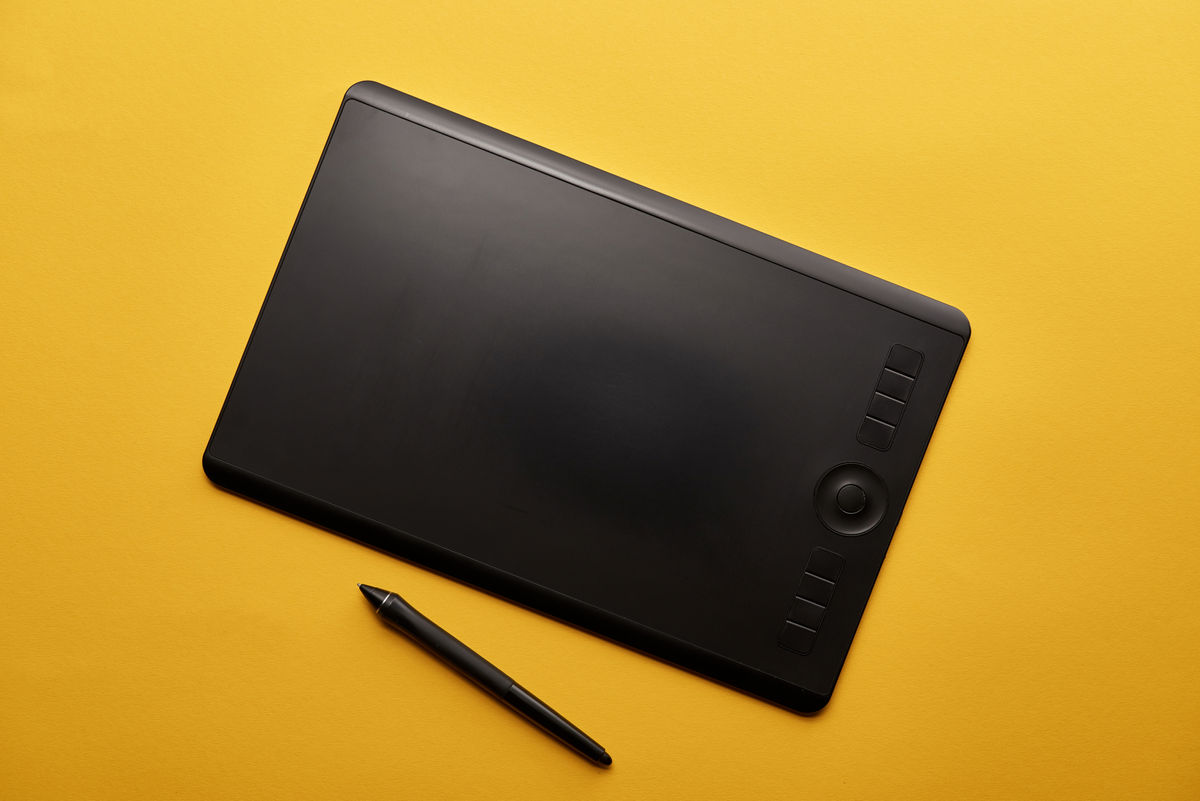
While pen tablets can be easily installed on Windows and macOS simply by installing the manufacturer's drivers, Linux users may not receive official support from the manufacturer, or only proprietary drivers may be available. Illustrator David Lebois posted a blog about his experience requesting a pen tablet manufacturer to create a free and open driver for Linux, only to be refused.
Why Drawing Tablet Brands Won't Collaborate on Linux FLOSS Drivers - David Revoy
Mr. Lebois places great importance on ' free and open software ,' where the source code is made public and the freedom to use, modify, and redistribute is granted. He had previously set a condition that when reviewing pen tablets on YouTube, he would test them on Linux and use only free and open software, including drivers. Furthermore, he would pass the specifications of the pen tablets he received to Peter Hatteller and Benjamin Tissoire of Red Hat , an open-source software and service provider, and connect them to the udev-hid-bpf project, which led to the creation of free, open, and high-quality drivers for Linux.
However, the process of researching equipment for review, extracting specifications, testing drivers, creating review videos, and writing technical articles is quite burdensome. Therefore, Lebois switched to a strategy of directly seeking cooperation from manufacturers and having them share specifications with Linux input device development teams. As Wacom has done for many years, if manufacturers collaborate with Linux developers, it reduces the need for users and reviewers to gather information for each specific model.
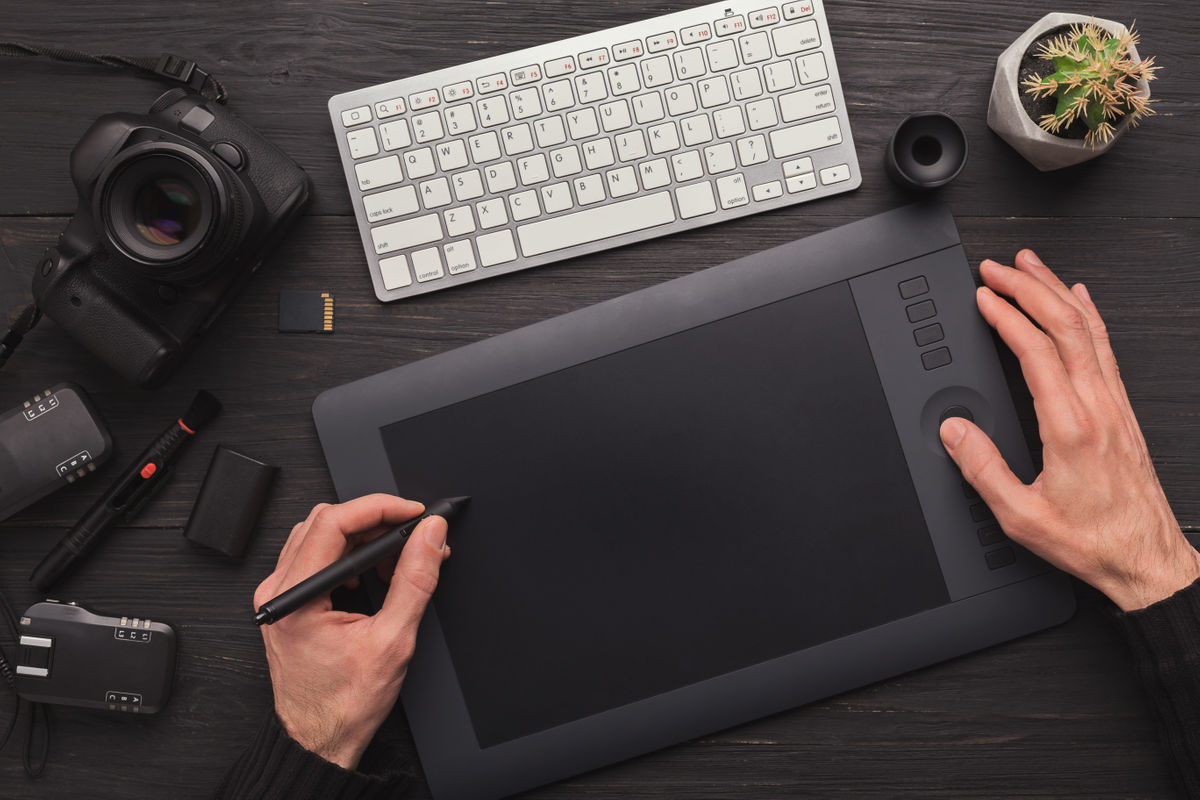
Mr. Lebois contacted manufacturers such as XPPen, Gaomon, and Huion. In many cases, he was connected to the marketing department rather than the technical department, and the conversation would end with the response, 'We will look into it internally.' However, his contact with Gaomon connected him to a technical representative, who happened to be from a company related to Huion. Because the Debian package structures and tools used by Gaomon, XPPen, Huion, and Ugee's proprietary Linux drivers are similar, Mr. Lebois thought it was possible that this technical representative was responsible for managing the drivers for all four brands.
However, the final response from Gaomon's marketing department was that they would not proceed with the Linux driver project. The reasons given were that the project presented by Mr. Lebois appeared to be primarily led by Wacom, that adding Gaomon products would still result in the Wacom brand name appearing in the overall system, and that they could not accept the fact that device specifications would be shared directly with Wacom.
In Linux-based pen tablet environments, names like 'linuxwacom' and 'libwacom' are widely used due to historical reasons. Although the name includes 'Wacom,' libwacom also includes information on Dell, Gaomon, HP, Huion, XPPen, and others. In reality, it's a platform that handles pen tablets from multiple manufacturers, but from the outside, it appears to be cooperating with a place named after a major competitor.
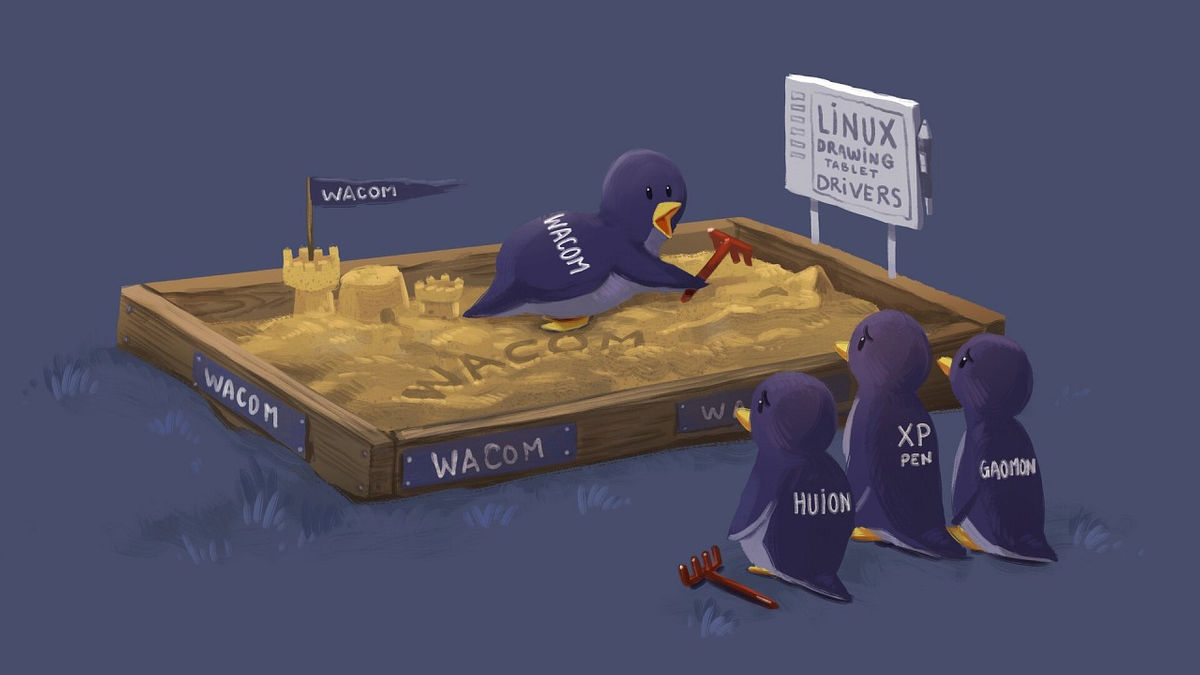
This presents a significant psychological barrier for manufacturers. It's understandable that engineers and management would be cautious if the project they're sharing specifications for appears to be 'a project bearing the name of a competitor.' Le Bois also states that it's difficult to build a strong collaborative relationship when the open-source platform is associated with the industry's largest competitor's brand name.
On the other hand, according to Mr. Lebois, the device specifications themselves can be obtained using Linux and a tool called hid-recorder, so there is little reason to fear sharing information with competitors. His thinking is that if artists can actually extract the specification information, then competing manufacturers should be able to do the same. However, whether or not a manufacturer officially cooperates is not determined solely by whether it is technically possible, but also by factors such as how easy it is to explain internally and how it will be perceived by the brand.
Mr. Lebois has decided to abandon his plan to directly collaborate with manufacturers for the time being and return to his previous method of reviewing each tablet individually and recording their specifications. He is expecting XPPen's 27-inch high-end model, a new 12-inch model, and Gaomon's 11-inch model to arrive soon, and plans to write a detailed tutorial on how to report pen tablet specifications to the udev-hid-bpf project. Mr. Lebois says that, ultimately, the only way to support a free and flexible creative environment seems to be to examine each pen tablet one by one.
Related Posts: