How are memories stored in the brain?
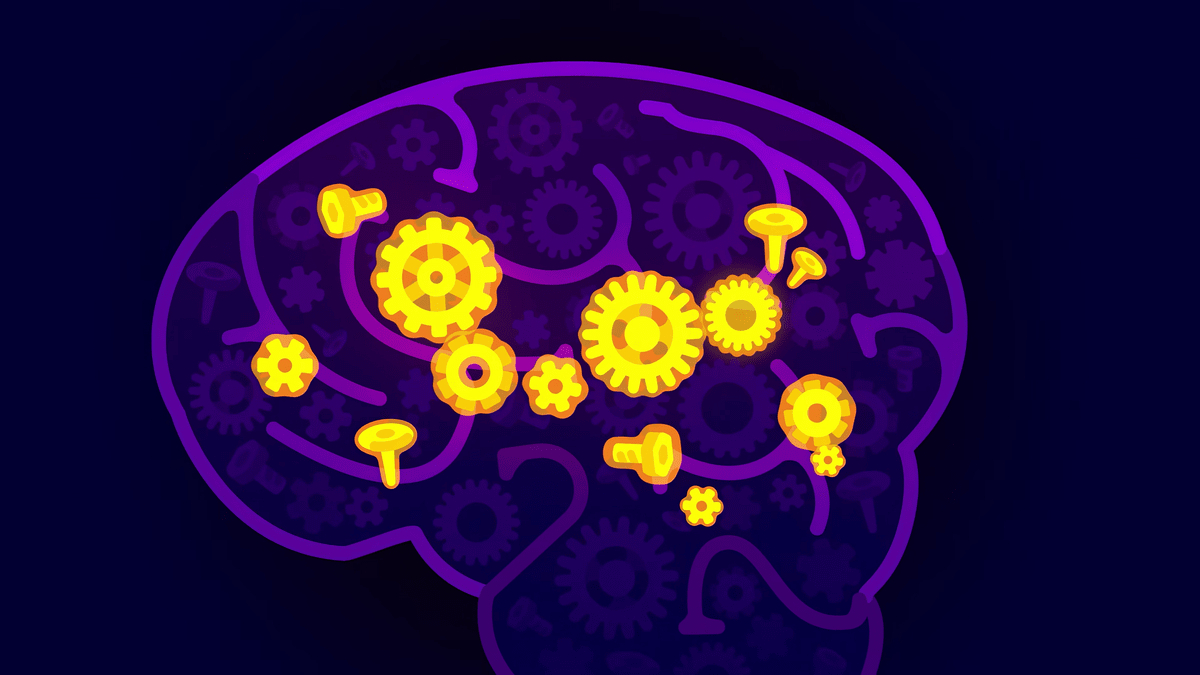
Human memories are not easily retained and are easily changed. The YouTube channel Kurzgesagt, which explains science through animation, introduced what memories are and how they are stored.
Memories are not like photographs or dioramas that capture a single moment; they can gradually dissolve and change each time we recall them.
Memory is formed by a complex system of approximately 86 billion neurons in the brain. Within the brain, electrical signals are converted into chemical substances through tiny gaps between cells called synapses, and then converted back into electricity to connect information between neurons. Together, these connections form a network of hundreds of trillions of links.
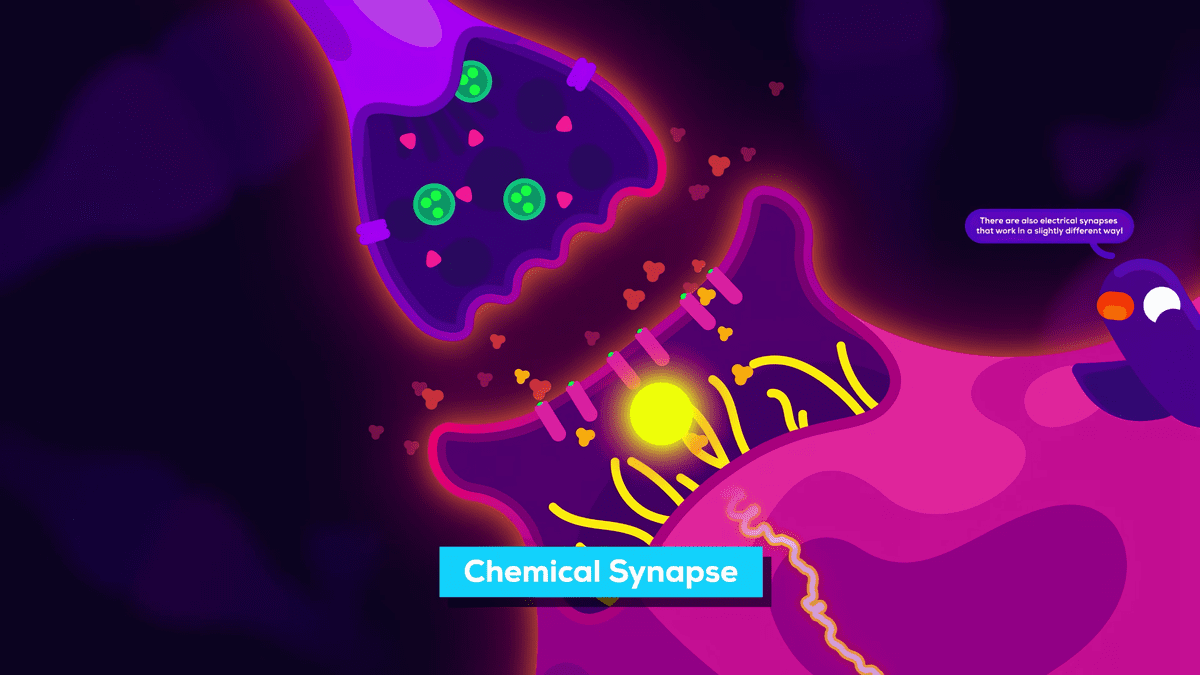
Dozens to thousands of neurons function as a single cluster. Each one processes only a small portion of the information we perceive, such as the light and dark we perceive, our location, the feel of materials on our skin, and the sounds of words.
For example, when we look at text, our eyes activate areas related to vision and color. Areas related to language are activated to decipher the words, and the emotions we feel when reading are also sent as signals. All these signals are processed in deep areas of the brain, emphasizing what seems most important at that moment and ignoring what is not. Kurzgesagt describes this phenomenon of different neurons firing simultaneously as what gives us the experience of being present as a human being in this moment.
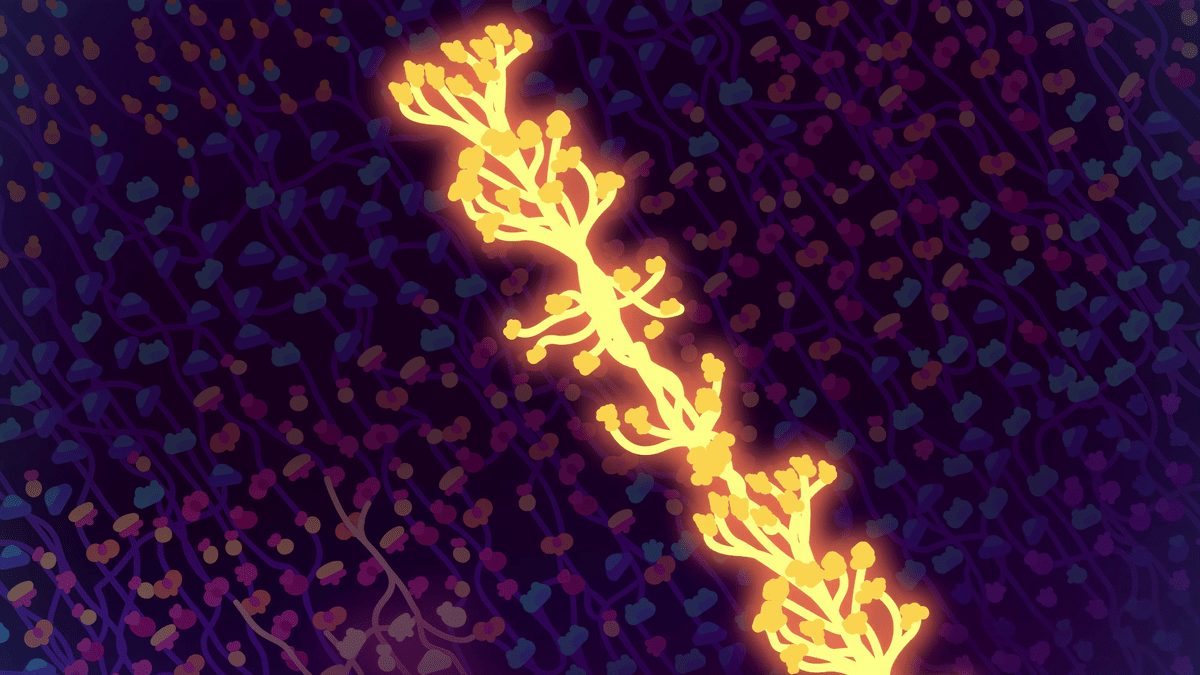
However, this is merely an intangible activity. In order to retain memories and become an entity that transcends time, it is necessary to engrave these temporary sensory inputs, these fleeting events, into something tangible that remains.
When the brain perpetuates memories, a competition takes place to store the past. When a person experiences something, there isn't just one group of entities active in the brain, but because the brain cannot pay attention to all the information, one group wins at any given moment and is judged by the brain to be the most important. For example, when reading a text, the group processing the text is the most active and therefore wins.
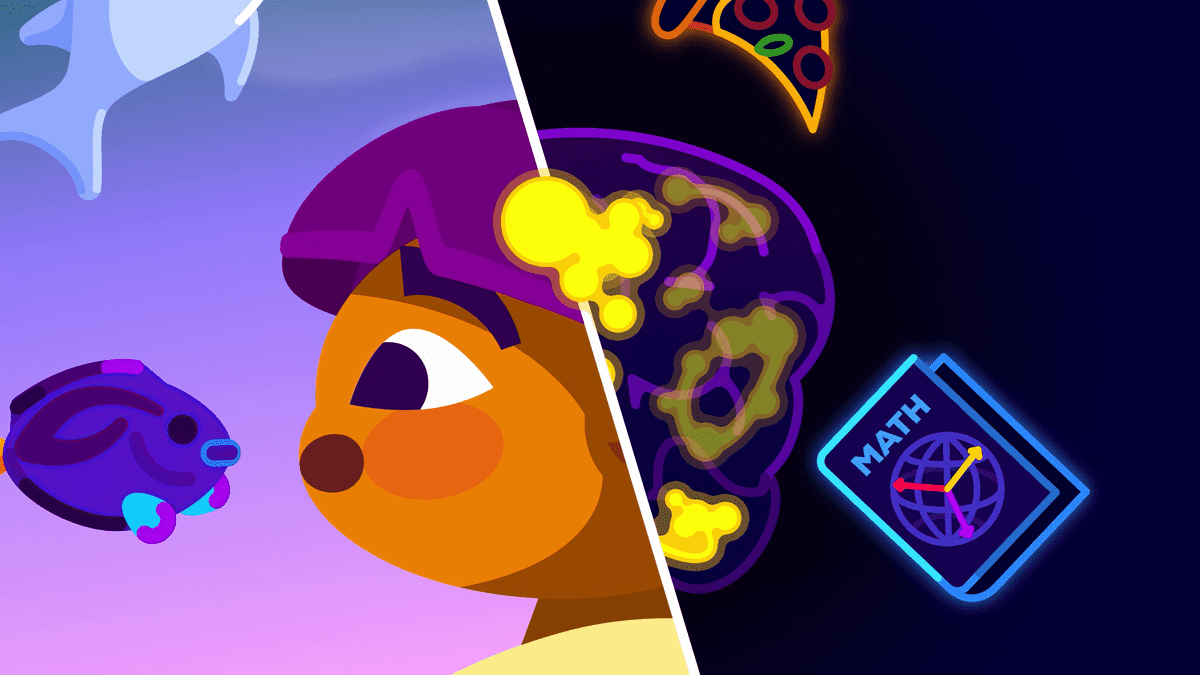
The neurons in the winning cluster become more adaptable and are enveloped in chemicals that strengthen their connections with each other. This strengthens synapses and activates the hippocampus, the brain's memory center and librarian. While the exact processes in the hippocampus are not fully understood, it is thought to create blueprints and store the rough structure of the clusters. This is 'memory.'
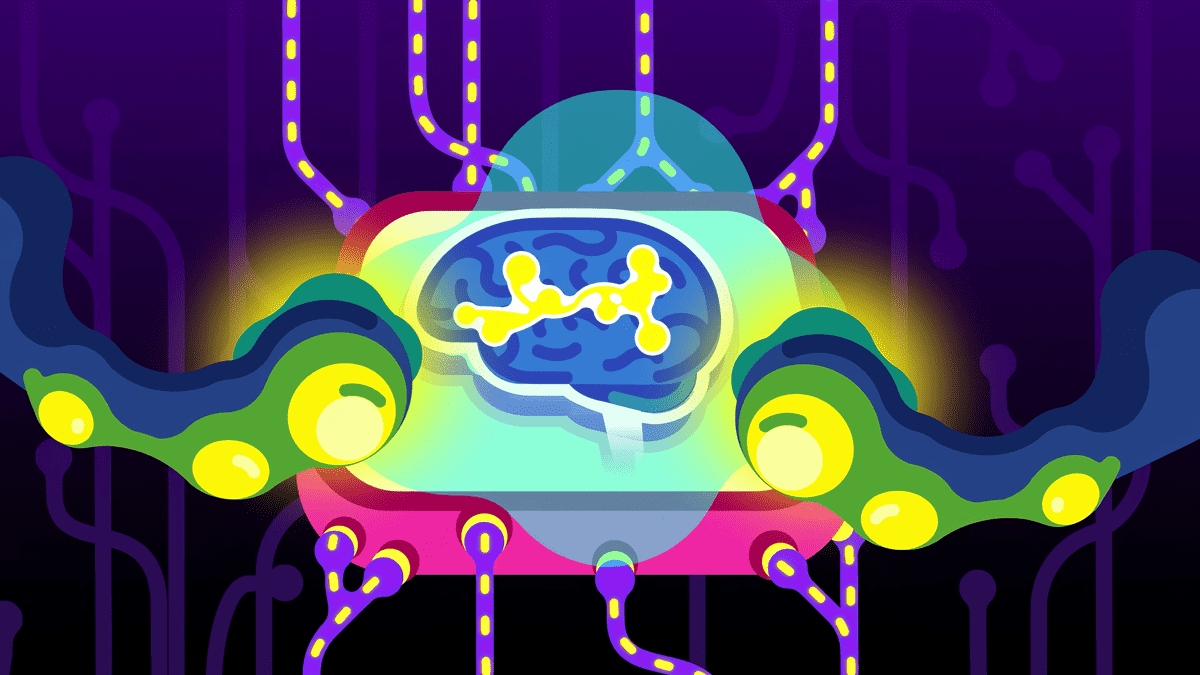
Memory is a pattern of activation involving millions of neurons across various areas of the brain. Activating just a part of this pattern causes the entire collection to fire. This is how humans can recall past moments.
However, these memories are very fragile and temporary. The hippocampus holds the blueprint, but if it is not strengthened, the collection of memories will fade and the synapses will weaken again. As a result, humans forget most of the moments of their lives.
For a collective to truly remember the past, it must fight for its survival. There are many ways to do this, but one is through 'novelty.'
If someone were walking to the bus stop as usual, listening to a podcast, the collective signal generated by that experience would be too weak to be noticed. However, if one day they saw a rat appear and snatch a nut from a crow and a squirrel fighting over it, the novelty alone would ignite a powerful collective reaction.
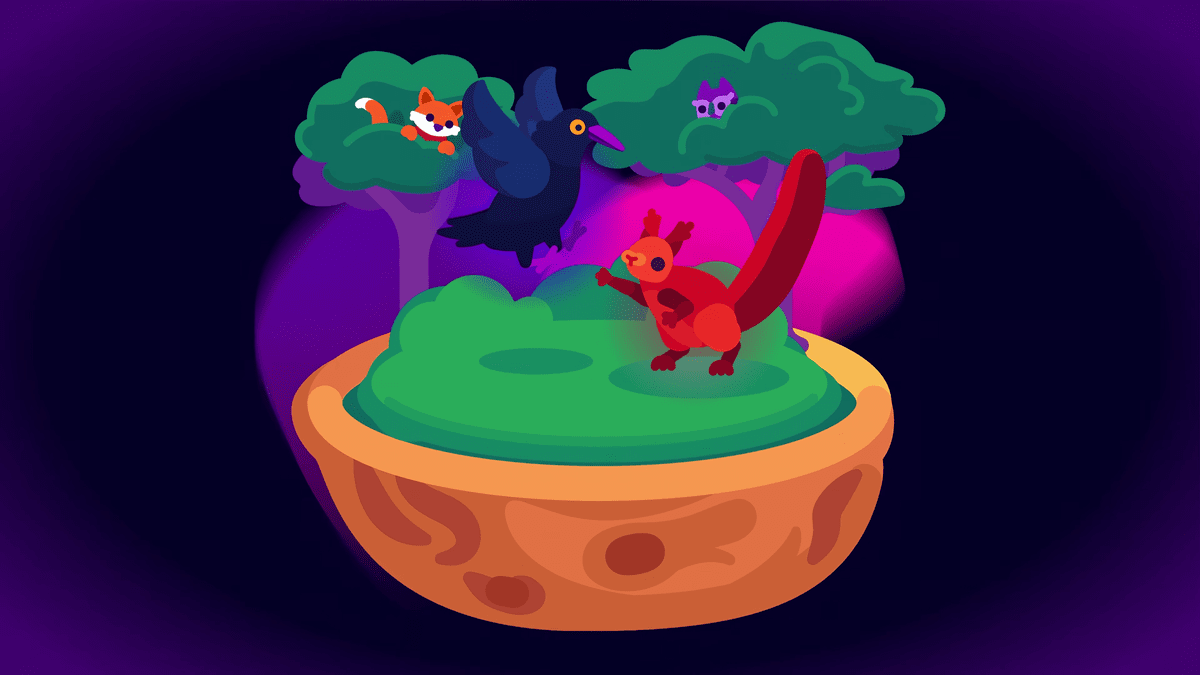
Another way is to repeatedly reactivate the memories that have been formed. Thinking about the animals' fight all day long, or telling everyone about that strange event, will imprint it more deeply in your brain. This is similar to the amount of repetition you do when trying to learn something.
And one of the biggest ways we solidify memories is by feeling emotions. Emotions are an incredibly powerful mechanism that guides human behavior and evolved hundreds of millions of years ago. They motivate us to avoid danger, to find food, and to reproduce. Every time we feel something strongly, the brain decides, 'This is important for survival,' regardless of whether it's right or wrong. That's why many of the most intense memories for humans contain strong emotional nuances. The embarrassment of doing something foolish in front of someone you love, the devastating grief of losing a pet dog, the overwhelming love of holding your first child—these are just a couple of examples.
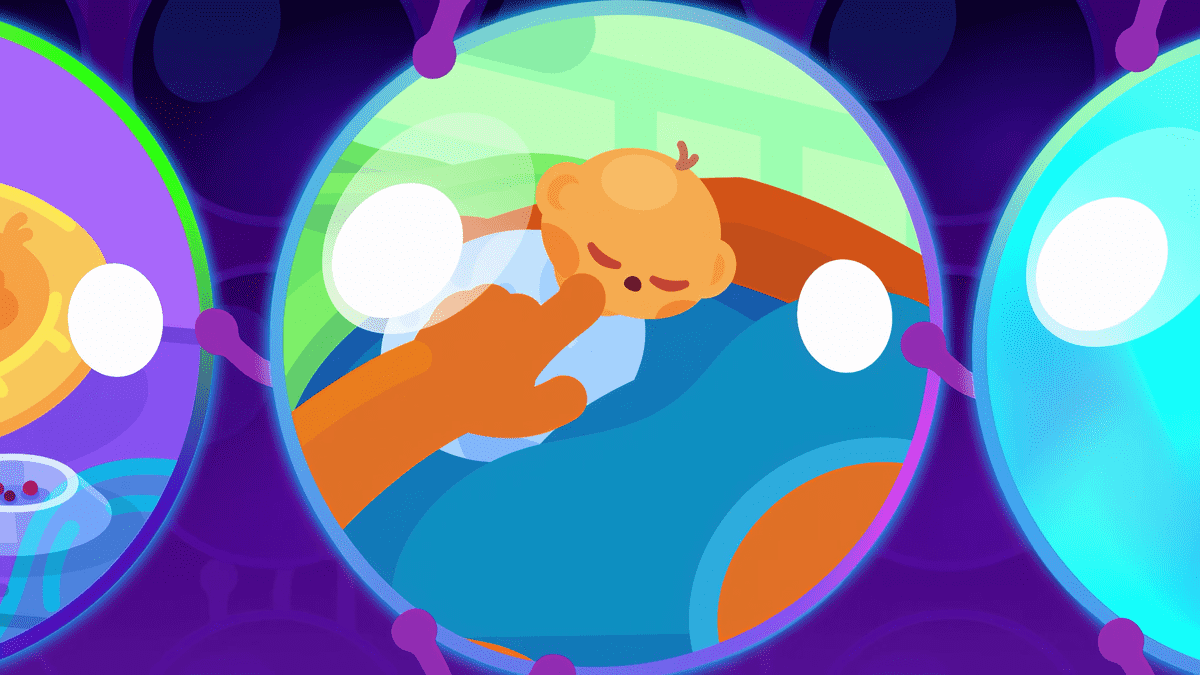
Much of memory consolidation occurs during sleep. The hippocampus repeatedly regenerates these memory clusters, making them stronger and easier to retrieve. Ultimately, humans acquire true long-term memories.
However, sometimes recalling a memory can change that memory itself.
Let's assume that when you recalled the crow and squirrel experience mentioned earlier, you were tired and in a slightly bad mood before work. However, if you felt happy when you told your friends about the experience, that feeling might be imprinted on your memory. After you finish telling the story, the image of the memory in your brain changes and takes on a new form. The next time you recall that experience, you might remember it as a much more interesting event than when you actually experienced it.

Thus, each time the brain retrieves a memory, it adds new information or forgets parts of it. Even memories that you think are important and that you will never forget can gradually fade over time as they become linked with other memories. This means that just because you remember something well doesn't necessarily mean that the memory is accurate.
This is also why therapy can be helpful. By recalling painful memories in a safe environment, it's possible to change the brain.

Kurzgesagt explained, 'Remembering isn't just like pressing the play button on a video. Memories are like magic, allowing us to relive past moments over and over again, but they can gradually dissolve and change each time they are exposed to the spotlight of your 'attention'.'
Related Posts: