The process that transforms desert sand into fertile soil in just 10 months has been revealed.
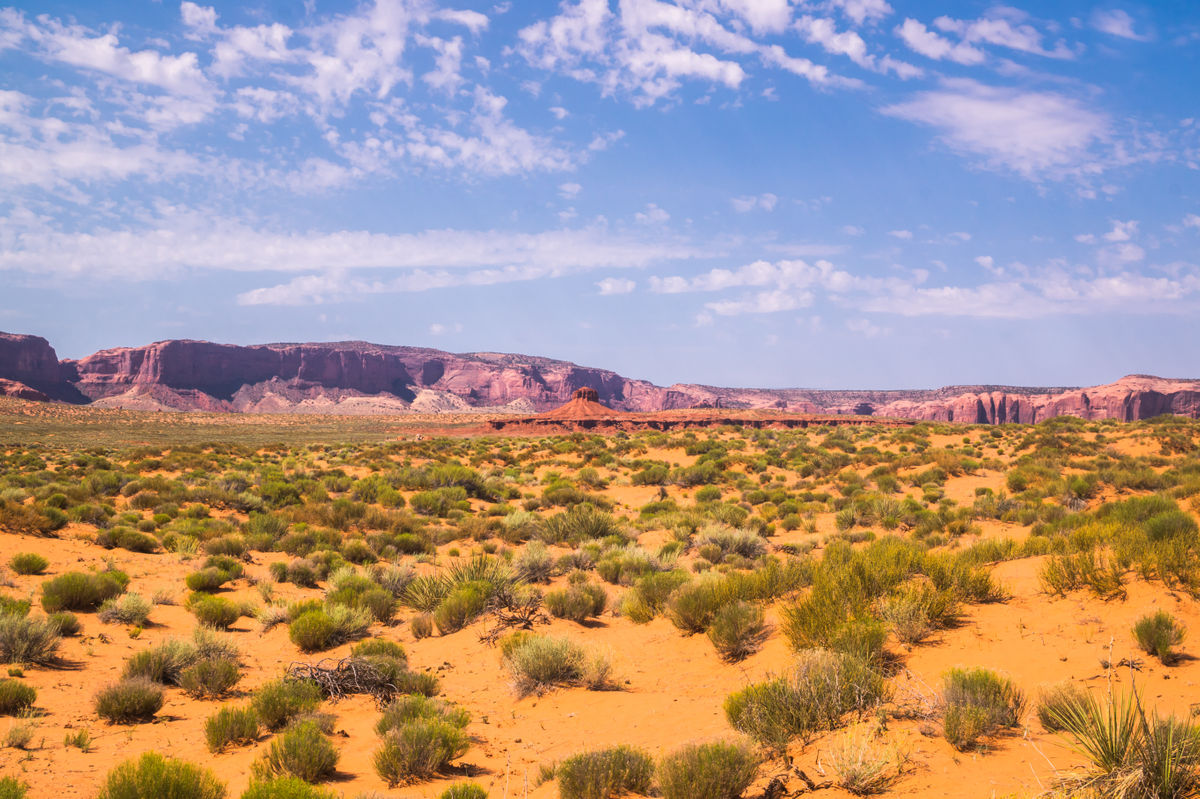
Chinese scientists have developed a system that uses moss to prevent desert expansion. The method involves establishing cyanobacteria in the sand, which could potentially achieve greening much faster than existing methods.
Biological soil crust succession in deserts through a 59-year-long case study in China: How induced biological soil crust strategy accelerates desertification reversal from decades to years - ScienceDirect
China's invention turns desert sand into fertile soil in just 10 months - Earth.com
Song Chang Deng and his colleagues at Tsinghua University focused on a method of growing biolayers in desert soil. In dry soil, algae and mosses sometimes form a 'biocrust' that covers the surface, but Deng and his team are trying to create this artificially.
In arid regions, afforestation is used as a method of reforestation, but it often fails in China due to excessive use of groundwater or the trees not being adapted to arid conditions. Therefore, Deng and his colleagues tried to devise a strategy to reverse desertification by artificially creating 'soil,' which is the stage before trees are planted.
In nature, biological crusts grow through three stages: first, cyanobacteria proliferate, followed by lichens and mosses establishing themselves and reaching a mature stage.
In nutrient-poor desert soils, some species perform nitrogen fixation, converting nitrogen gas into nutrients for biocrusts. Once established, these biocrusts bind loose particles together, forming a foundation for plants to root.
Deng and his colleagues used cyanobacteria cultured in the laboratory to create a thin, stable crust that wouldn't be easily blown away by the wind. They then combined this crust with desert sand and laid it out in an actual desert.
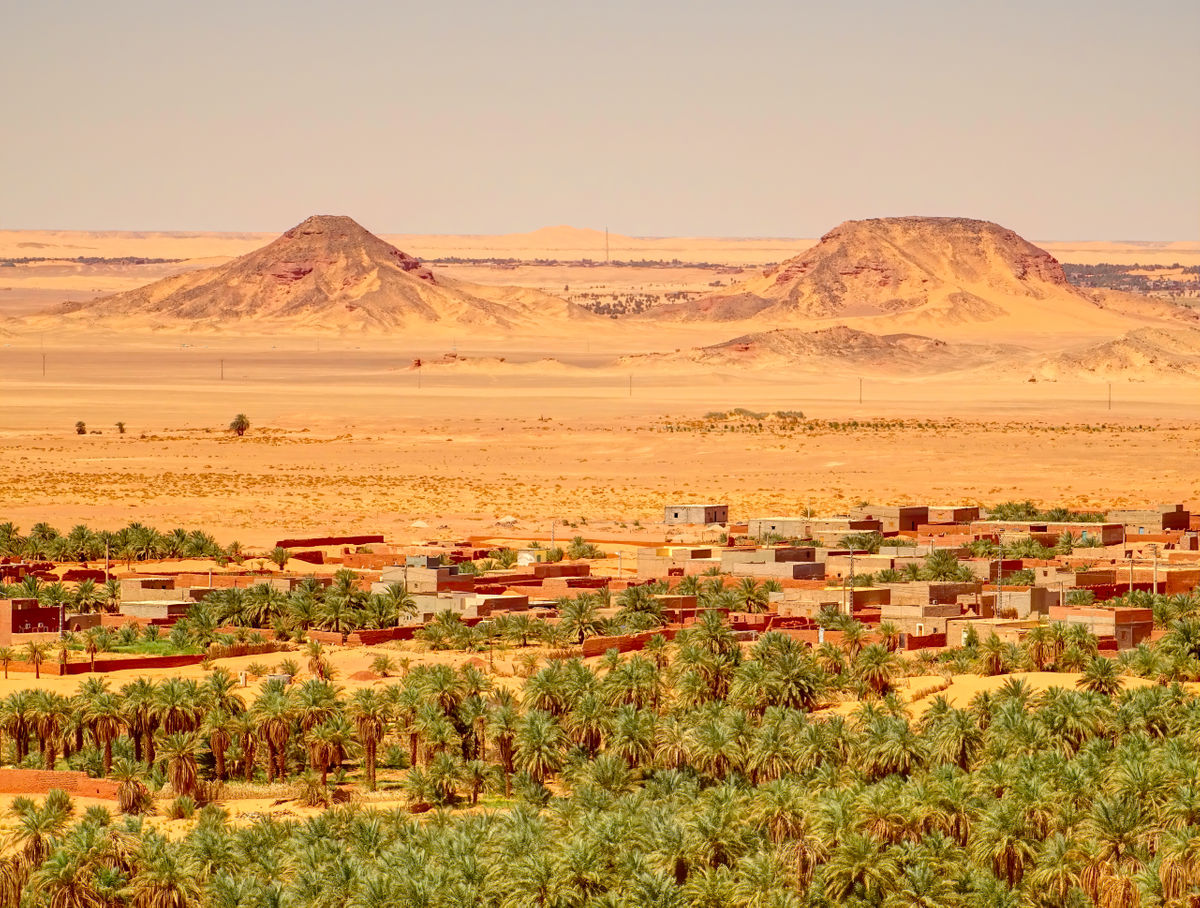
Deng et al.'s biological crusts possess a function where cells secrete sticky sugars between particles, hardening them into thin, cohesive layers. Furthermore, they mix with mineral dust drifting from the surroundings, and dead cells and sugars help form organic matter that captures nitrogen and phosphorus, which are involved in the formation of the biological crust. As nutrients become more concentrated, more microorganisms can utilize nitrogen, phosphorus, and sugar, making the biological crusts less susceptible to disruption.
In the first year, it was confirmed that the biocrusts bound particles together, keeping sand grains in place, reducing airborne particles, and retaining nutrients. Even after short periods of rain, the biocrusts retained moisture on the surface, while nearby bare sand dried quickly. The biocrusts were also maintained after seasonal sandstorms, stabilizing the sand within 10 to 16 months.
Over time, the biocrust evolved from a predominantly microorganism-based cover to a mixed cover containing lichens and small mosses. The lichens provided surface reinforcement, and their slow growth helped maintain the biocrust even during strong winds and cold nights. The mosses provided height and shade, retained small amounts of moisture for extended periods, and helped protect new microorganisms.
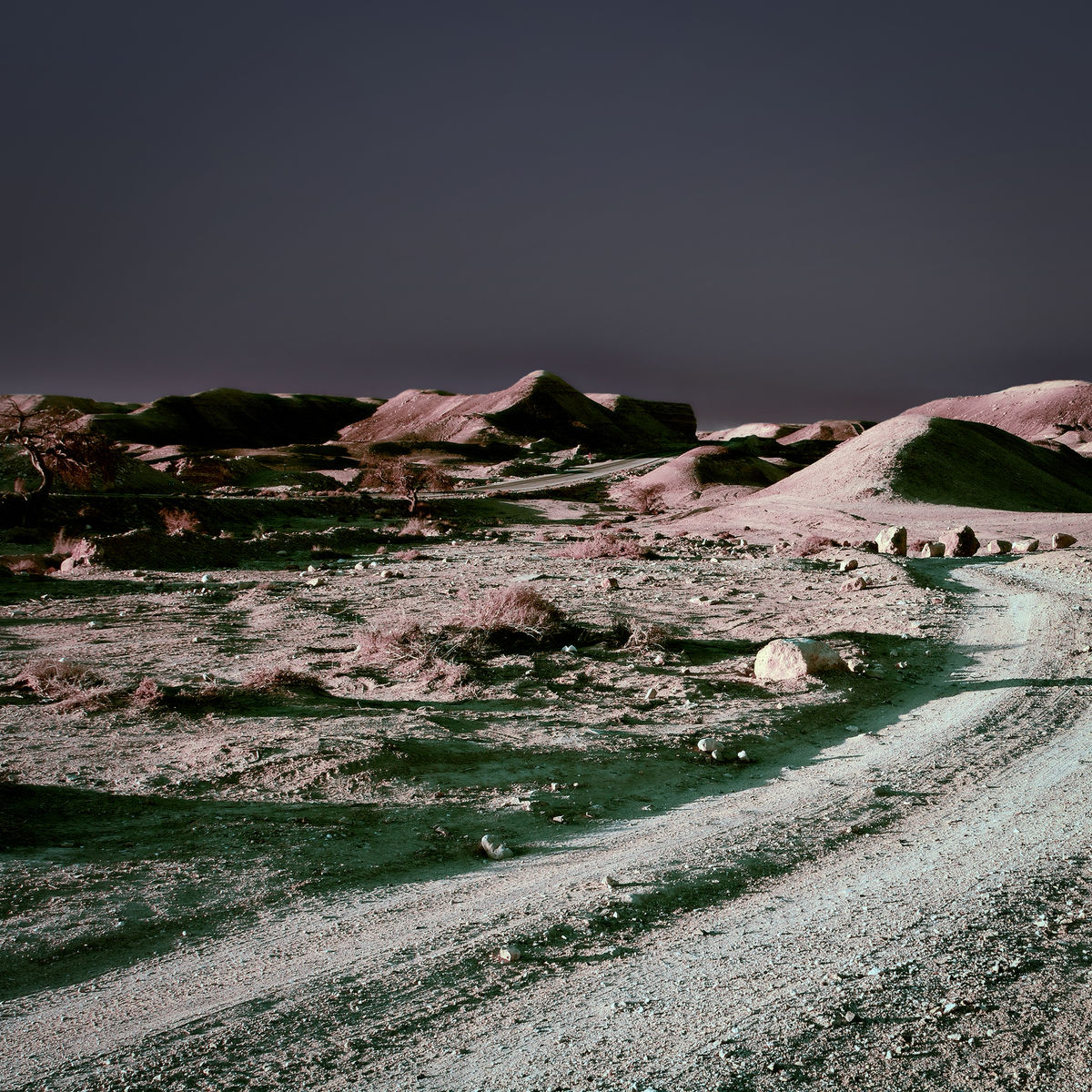
When Deng and his colleagues compared untreated sites with sections treated with cyanobacteria cultured in the laboratory, they found that the addition of cyanobacteria shortened a process that would normally take decades to just a few years, suggesting that rapid biological crust formation could effectively prevent desertification.
However, because the surface can be damaged by human foot traffic, vehicle traffic, and strong disturbances, long-term protection is necessary to build large-scale biological crusts.
Related Posts:







in Science, Posted by log1p_kr