Kurzgesagt, a popular science YouTube channel overseas, has released a video titled 'All Your Knowledge About Ninjas Is Wrong.'
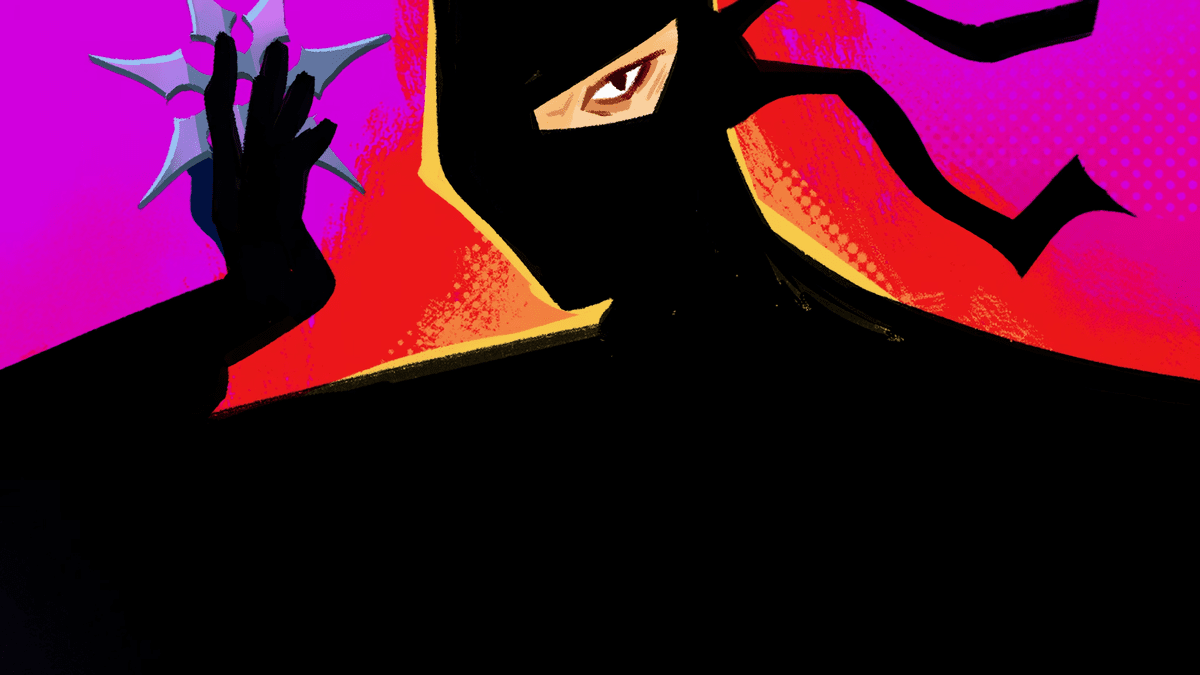
The YouTube channel 'Kurzgesagt,' which presents scientific information through animated videos, has released a video about the history of the globally renowned 'ninja.'
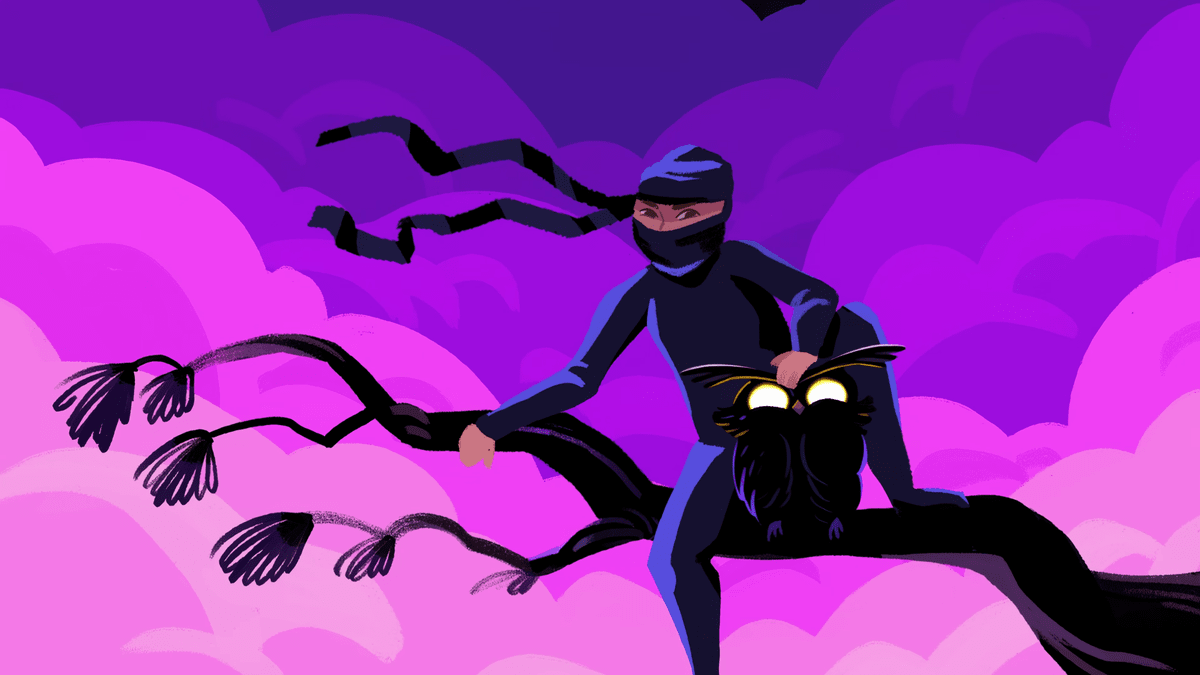
The typical image of a ninja, often told in Japan, is that of a figure in black who sneaks into a castle, uses shuriken and smoke bombs to advance deeper inside, and assassinates the lord. However, real ninjas were not like this.
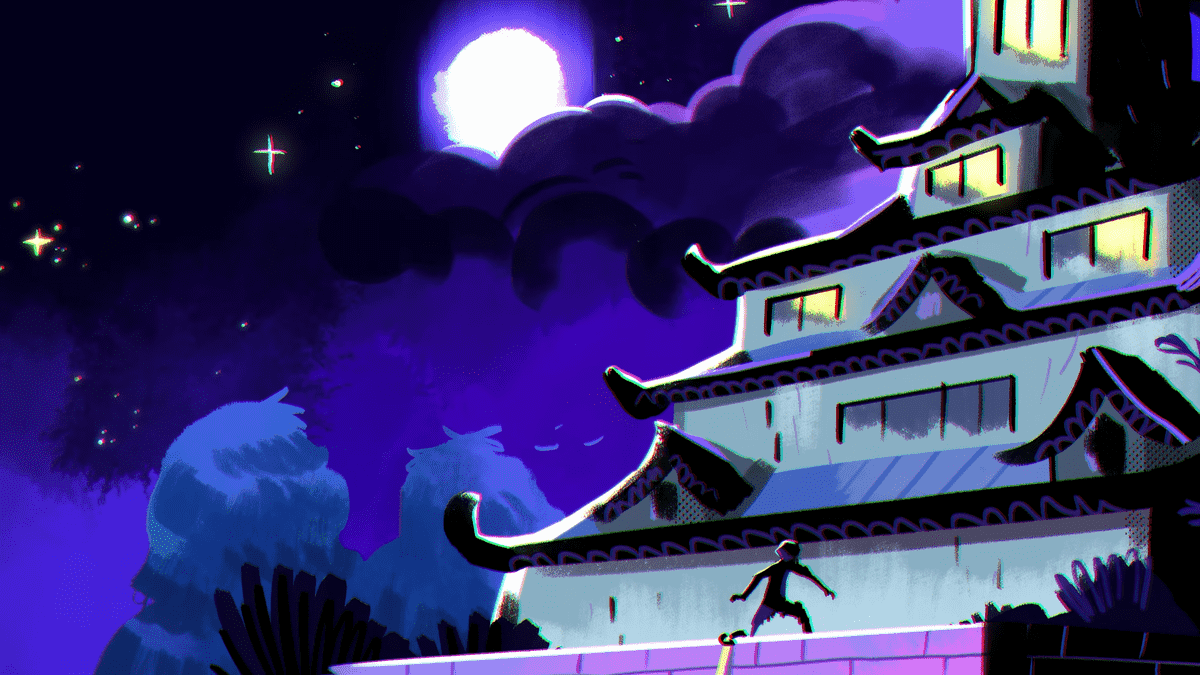
Kurzgesagt focuses on ninjas from the Azuchi-Momoyama period onward. While Iga (Mie) and Koga (Shiga) are famous for their ninjas, they were actually scattered throughout various regions. When Oda Nobunaga, aiming to unify Japan, seized control of Koga (Battle of Kannonji Castle) and attacked Iga (Tensho Iga Rebellion), the ninjas of each region are said to have fiercely resisted, relying on surprise attacks and intelligence gathering.
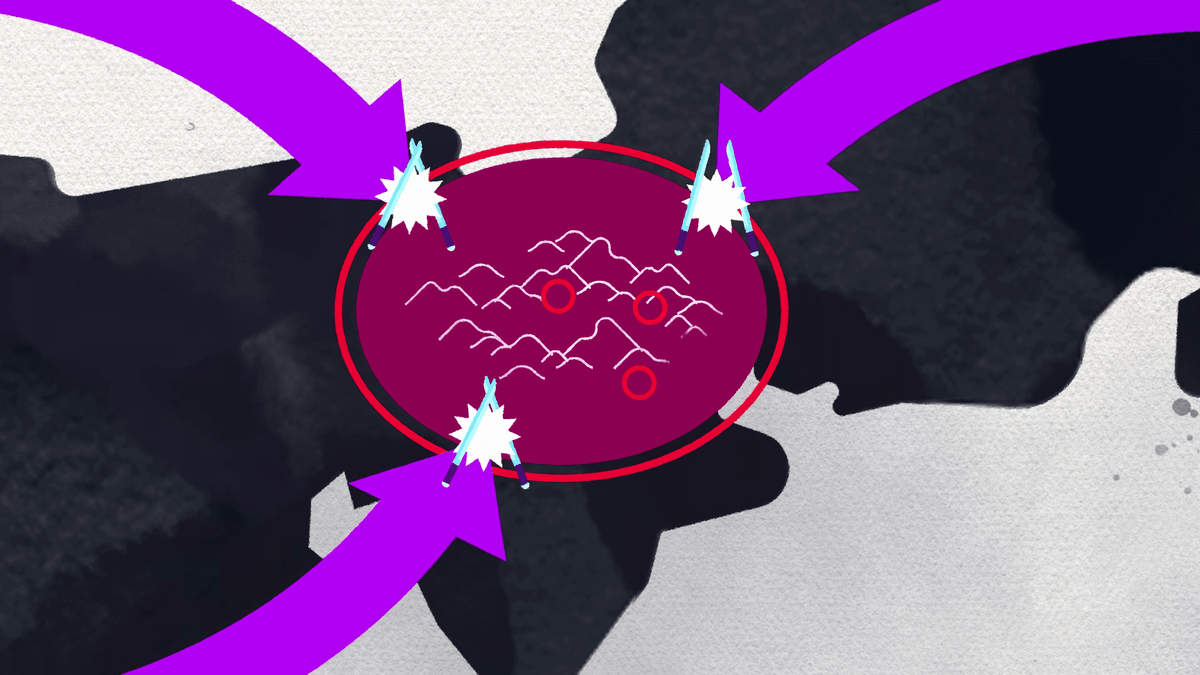
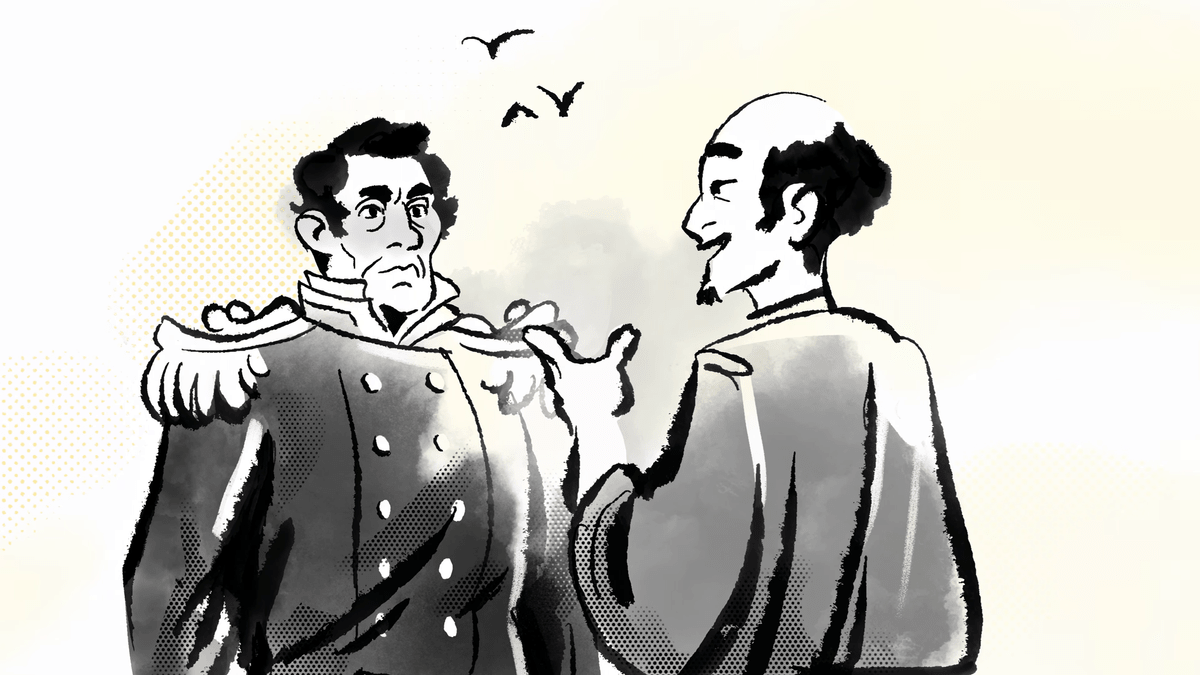
The Iga and Koga ninjas were particularly valued by Tokugawa Ieyasu, and it is said that when Tokugawa Ieyasu, who was staying in Sakai (Osaka) after Nobunaga's death (the Honnoji Incident), returned to Mikawa (Aichi) (the Iga Crossing), Koga ninjas and Iga ninjas, including the first Hattori Hanzo, assisted him. Both organizations continued to serve the Tokugawa family even after the establishment of the Tokugawa shogunate, acting as bodyguards and spies for important figures. The last ninja (Sawamura Yasusuke) is said to have carried out a mission to infiltrate the Black Ships when Commodore Perry arrived, and his role ended with the establishment of the Meiji government.
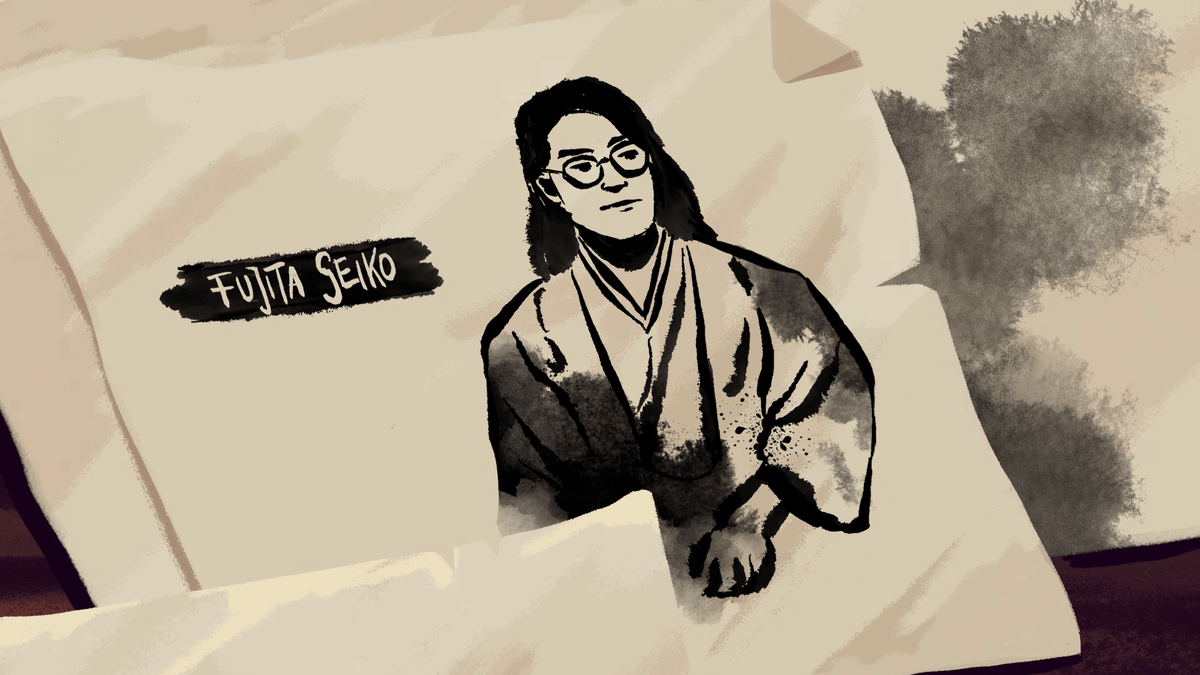
Ninjas primarily engaged in intelligence gathering, infiltration, and sabotage, with assassinations being rare. The image of them wearing black attire is believed to have originated mainly from the kuroko (black-clad figures) in Kabuki theater. From this time onward, the image of ninjas as spies possessing superhuman abilities and capable of easily infiltrating even heavily fortified castles began to take shape. Kurzgesagt also covers the case of Fujita Seikō, a martial artist who claimed to be the 'last ninja' and asserted that he had inherited the Koga-ryu ninjutsu, which became a topic of discussion.
Kurzgesagt concludes that the image of the ninja as we know it today is a relatively recent creation, stating, 'After World War II, Japan needed to rebuild, which included restoring national confidence. Storytellers looked back to a mythologized past and found the ninja there.'
Related Posts:






in Video, Posted by log1p_kr