How will a declining birthrate and aging population destroy society? A science-focused YouTube channel explains the crisis facing Germany, a country with a birthrate similar to Japan's.

GERMANY IS OVER - YouTube
Germany, which was one of the first countries to industrialize, began to experience a decline in its birth rate in the early 20th century.

For the past 55 years, Germany's birth rate has remained below
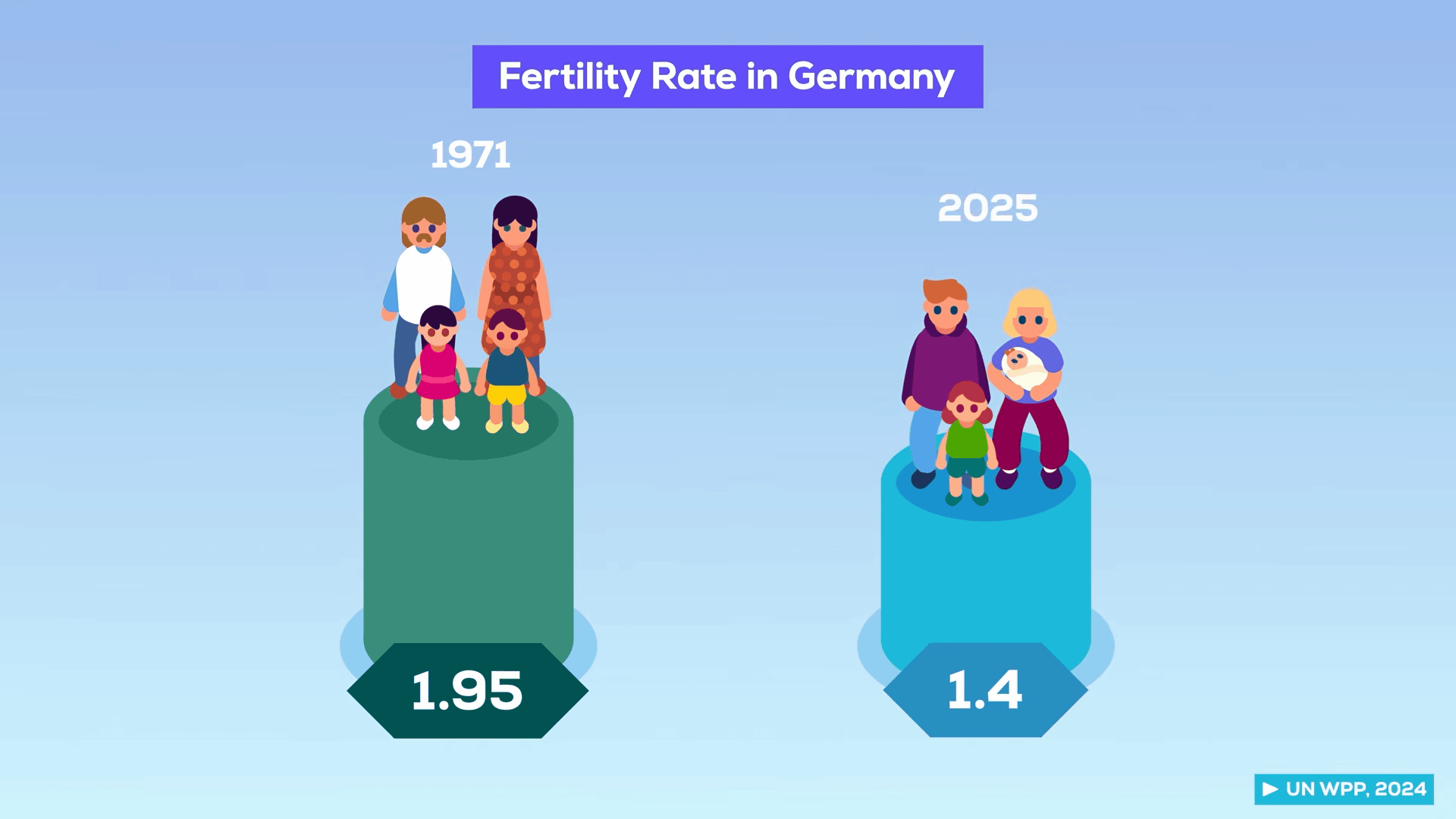
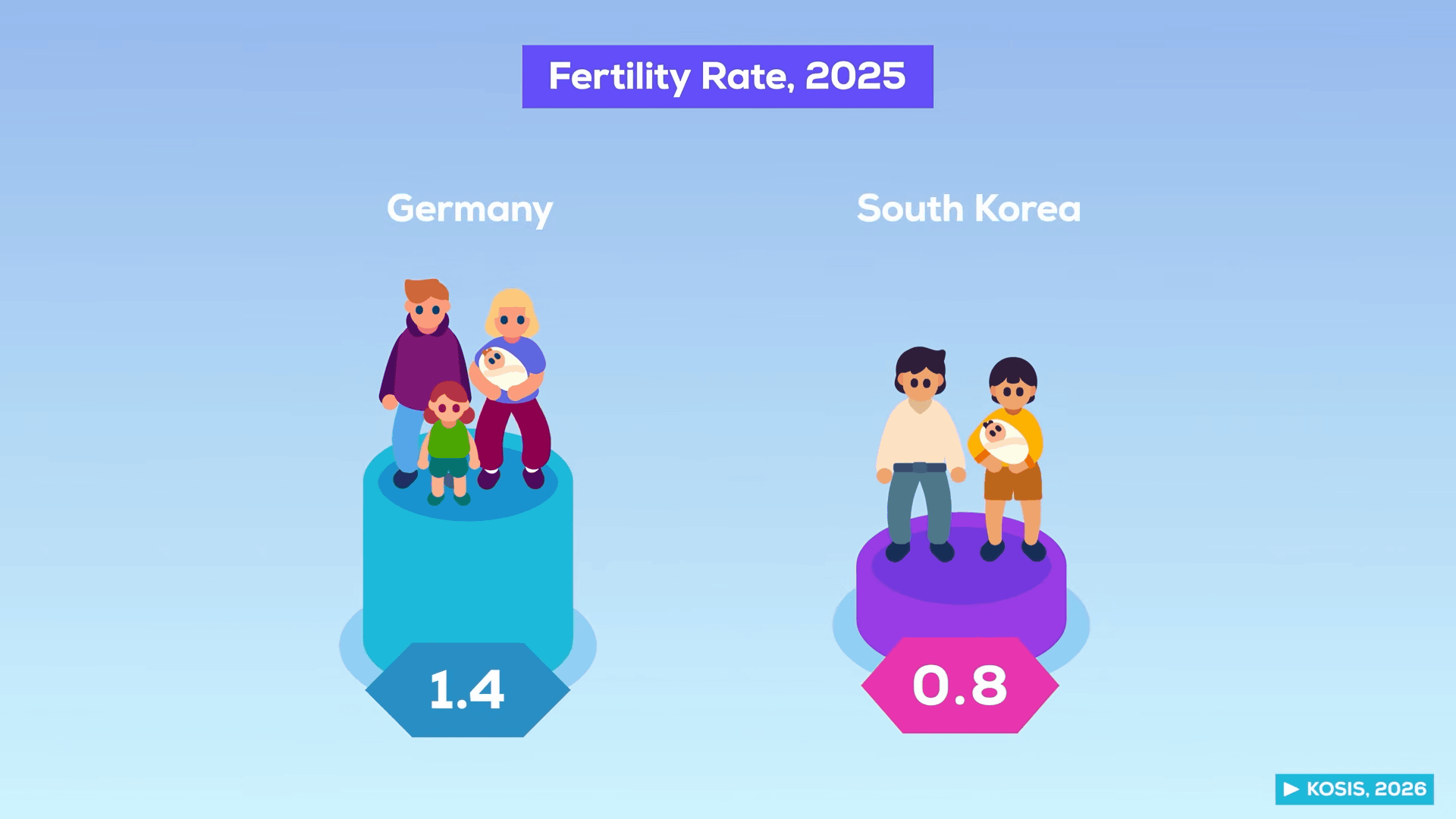
South Korea's birth rate is '0.8 children,' so compared to that, this might not seem surprisingly low. However, if this number continues, a population collapse will occur.
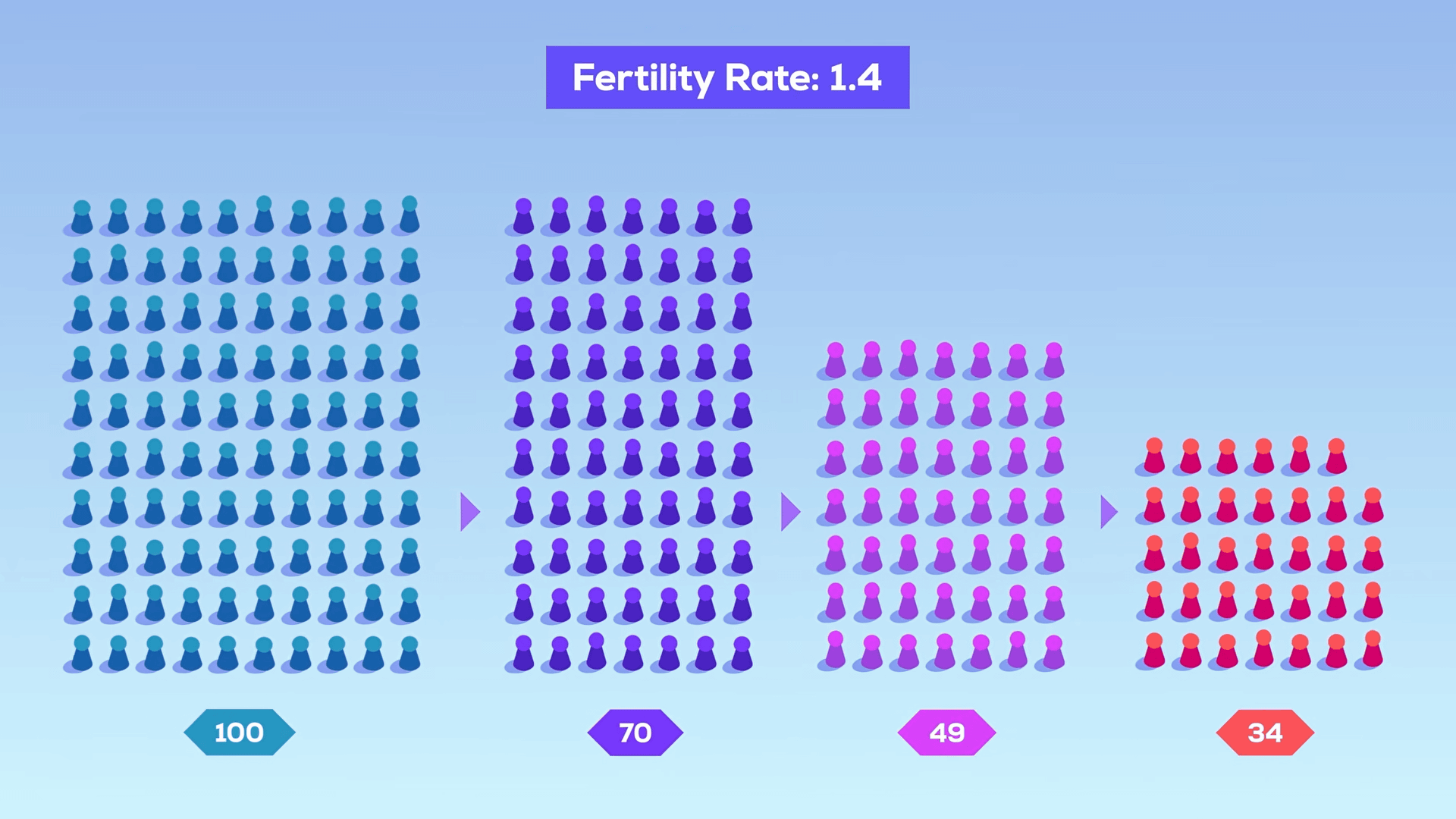
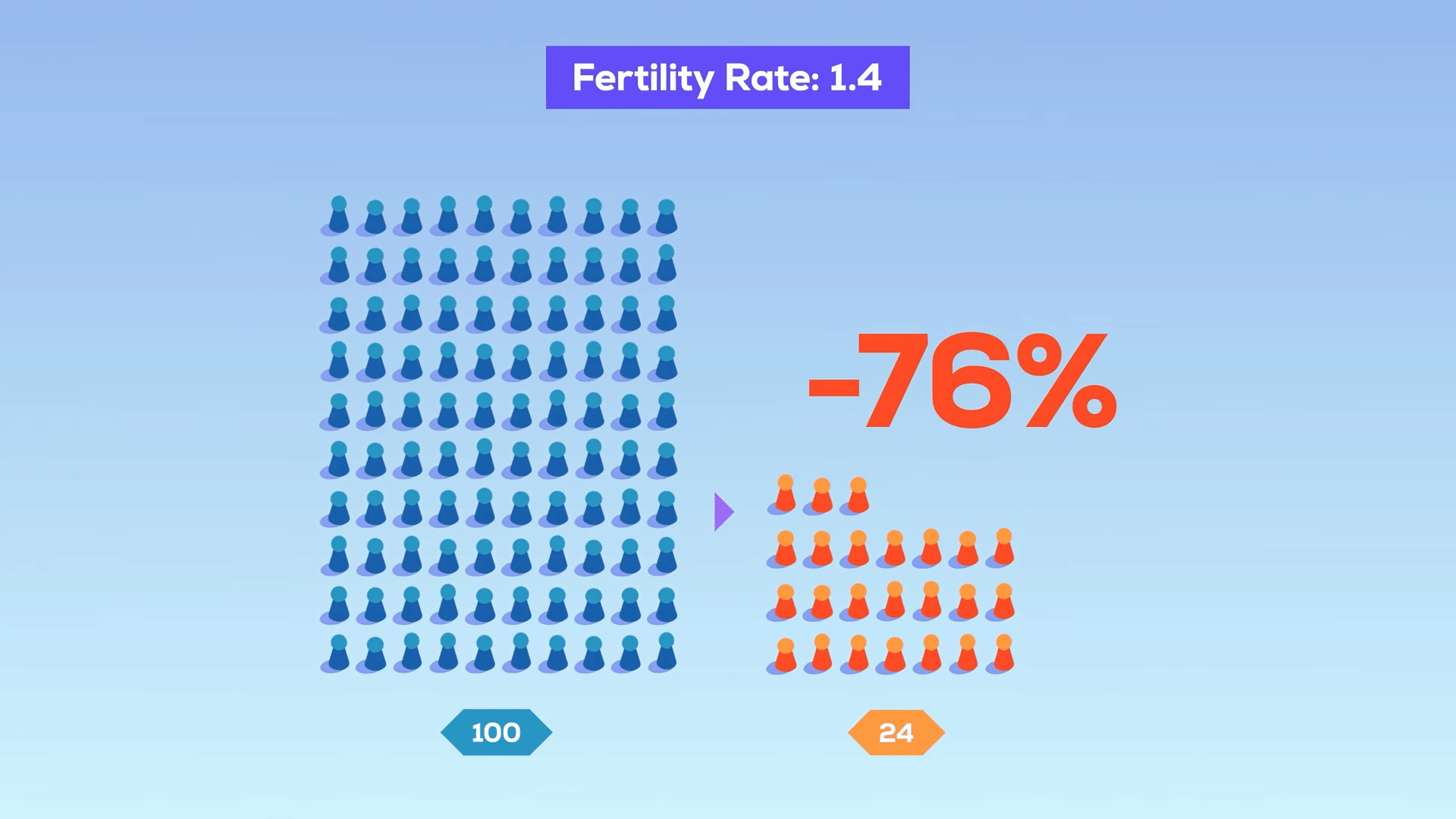
If the birth rate remains at '1.4 children,' Germans will have 70 children per 100 women. When these 70 children grow up, they will have 49 children as adults, and these children will have 34 children as adults, and those children will have 24 children.
In other words, if the birth rate remains at '1.4 children per woman,' the population of each generation in Germany will decrease by as much as 76% over four generations.
Some might think that this isn't a big problem since there are simply too many people. However, as human life expectancy increases, a critical combination is emerging: an overwhelming number of elderly people and a severe shortage of younger generations. Kurzgesagt points out that the real crisis that Germany's millennials, Gen Z, and younger generations will face lies in a 'dramatic shift in demographics' and the 'transition period' that accompanies it.

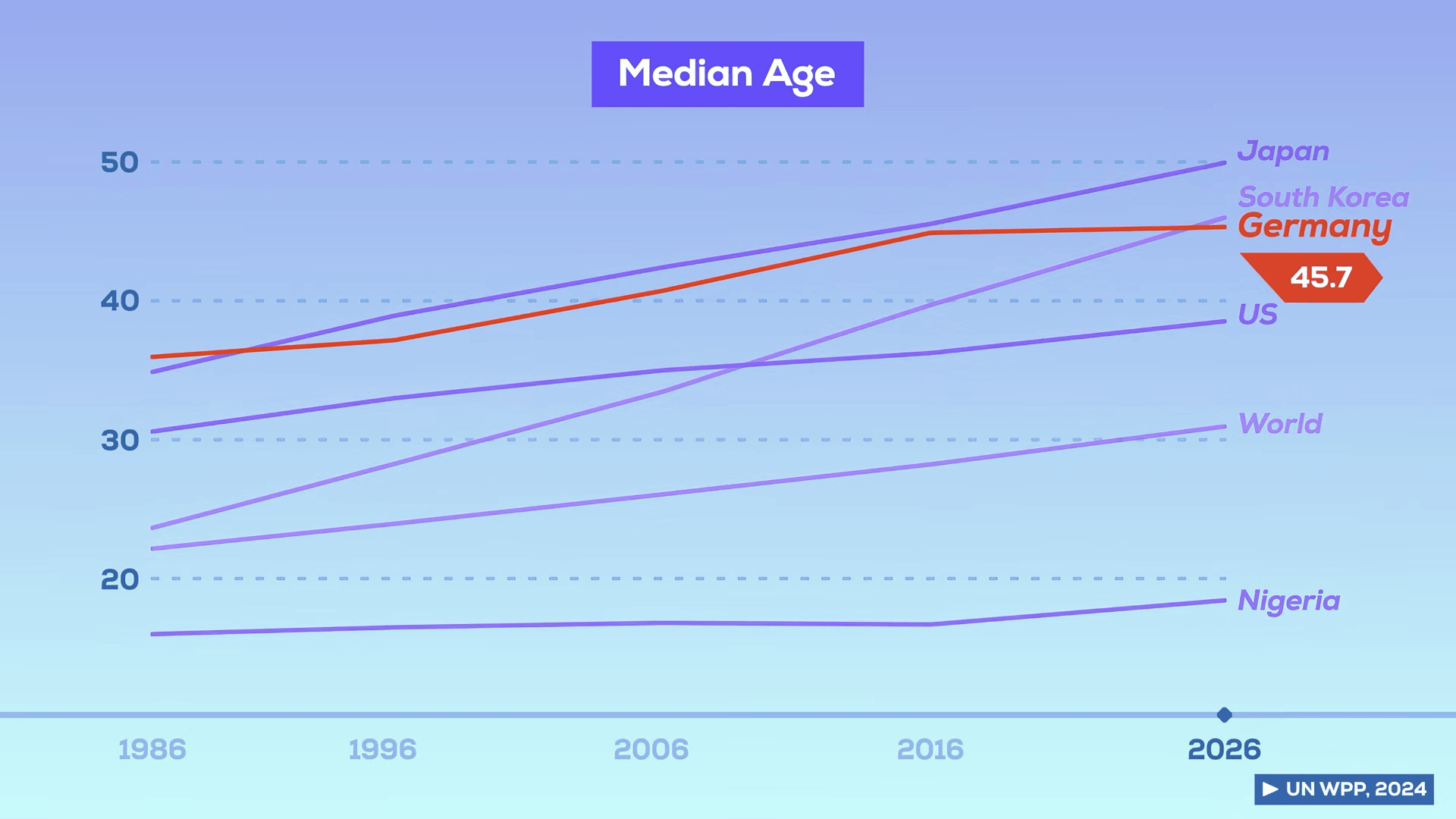
By 2026, Germany will already be one of the most rapidly aging countries in the world, with an average age of over 45. Japan and South Korea are even more rapidly aging than Germany.
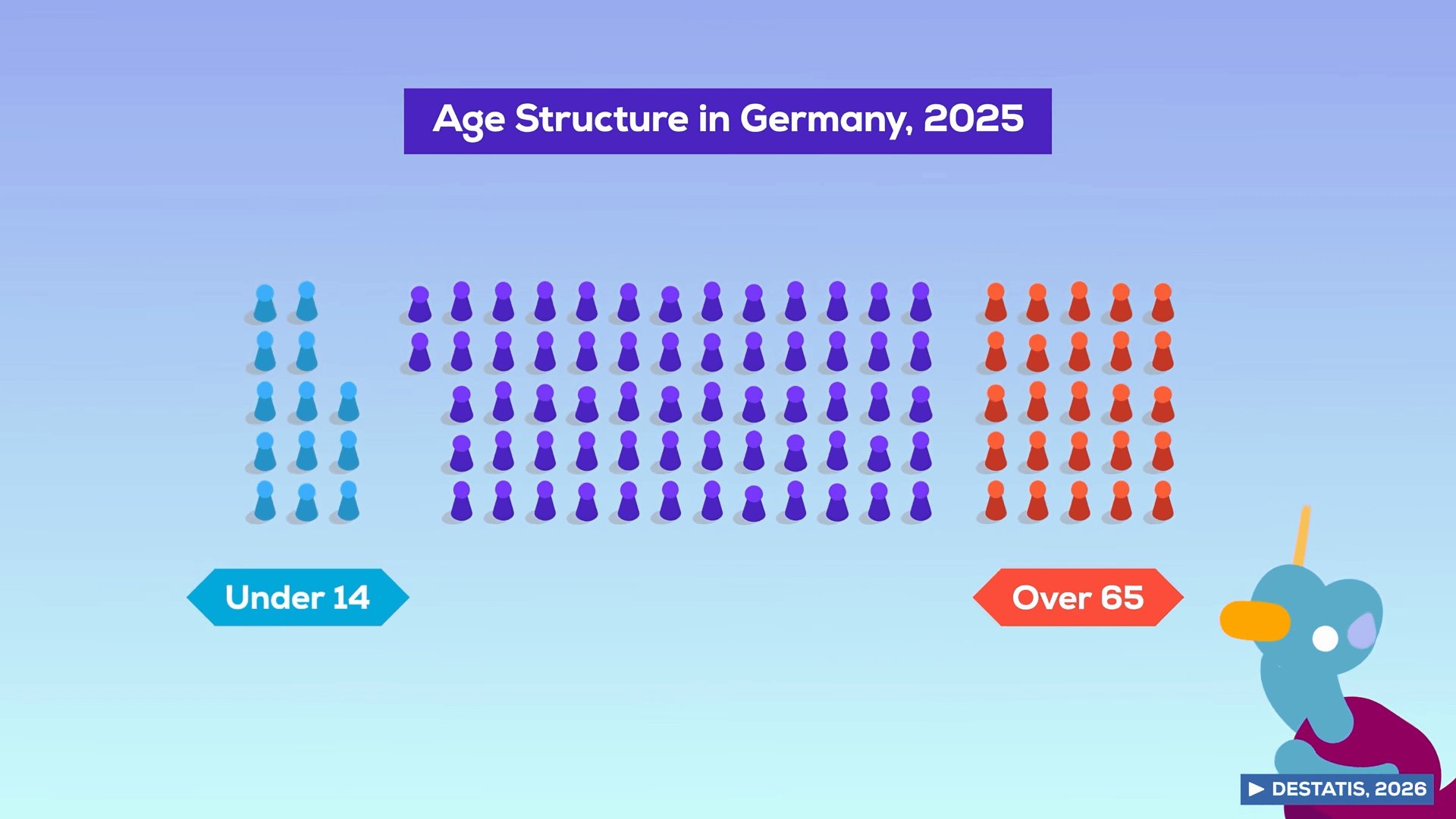
Nearly two out of five Germans are over 50, and nearly one in four are over 65. In contrast, only one in eight children is under 14 years old.
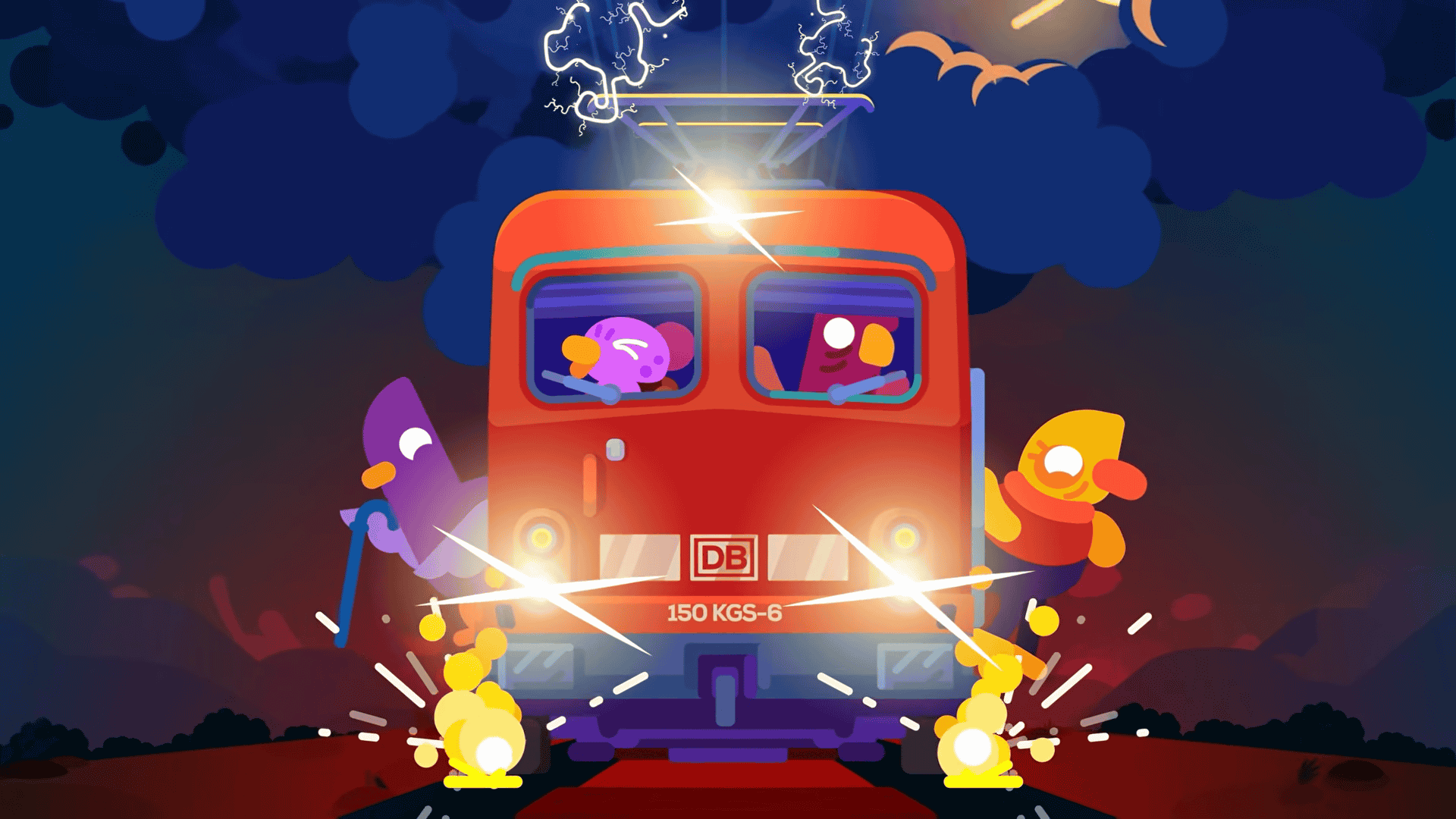
Despite declining industrial production, stifling bureaucracy, and modest economic growth, the German system still functions, and the country remains one of the wealthiest in the world. Germany still has a large population, a large workforce, and a generous social security and pension system.

'However, the reality of demographic shifts and the economic hardship faced by
Population decline means that societies and cultures lose more than just people. The systems and nations that humanity has built will cease to function if they are simply scaled down.
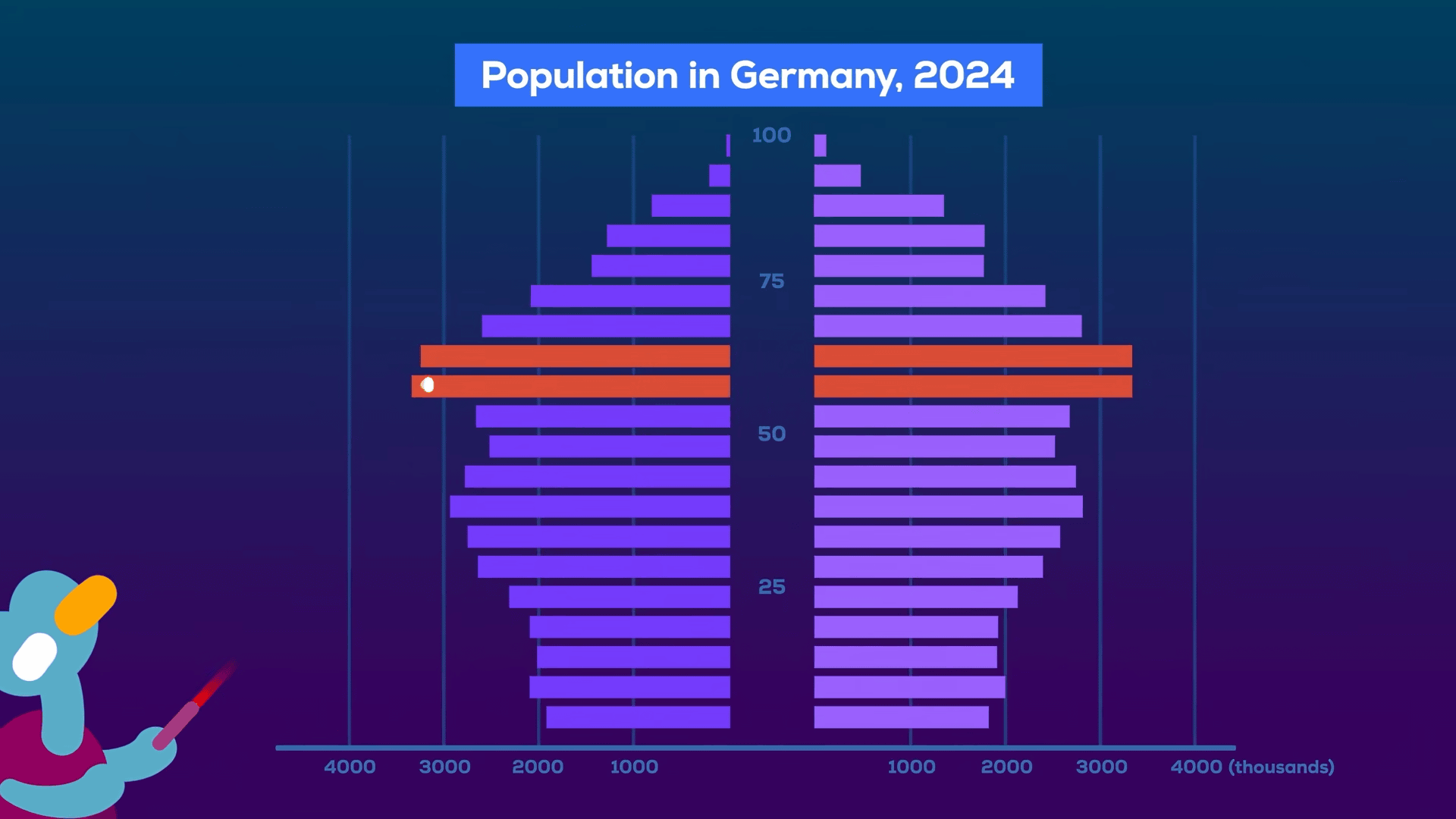
By 2036, 13 million German baby boomers (shown in red) will be retired. However, because the baby boomers did not have enough children, the number of younger generations to replace them will be far smaller.
By 2030, millions of jobs could be facing labor shortages. Fewer workers mean lower tax revenues and reduced government resources.

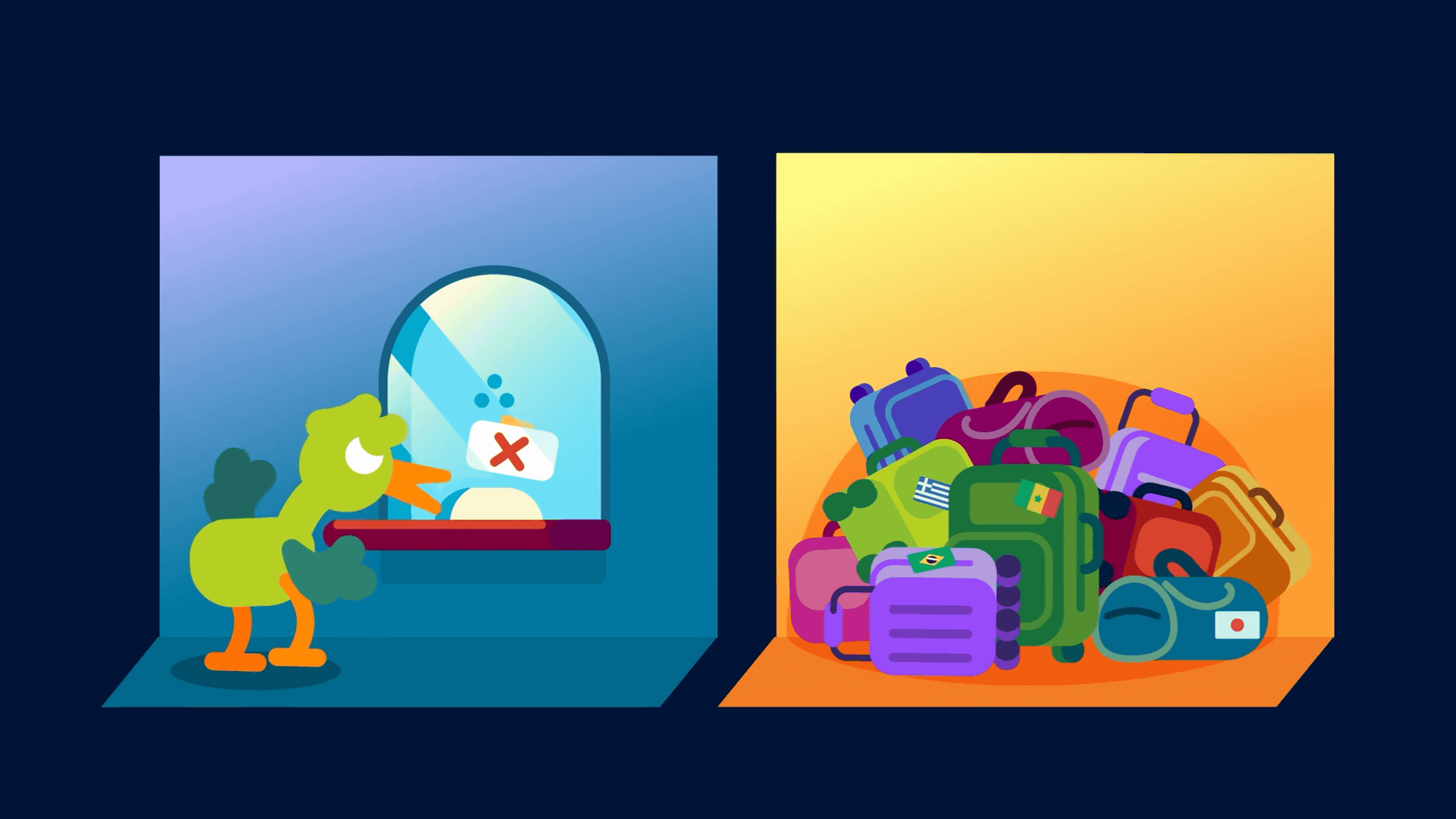
This could lead to a decline in service quality, potentially resulting in longer waiting times for everything from airport baggage claim to hospital appointments.
And a more pressing issue is the 'retirement problem.' Germany has a pay-
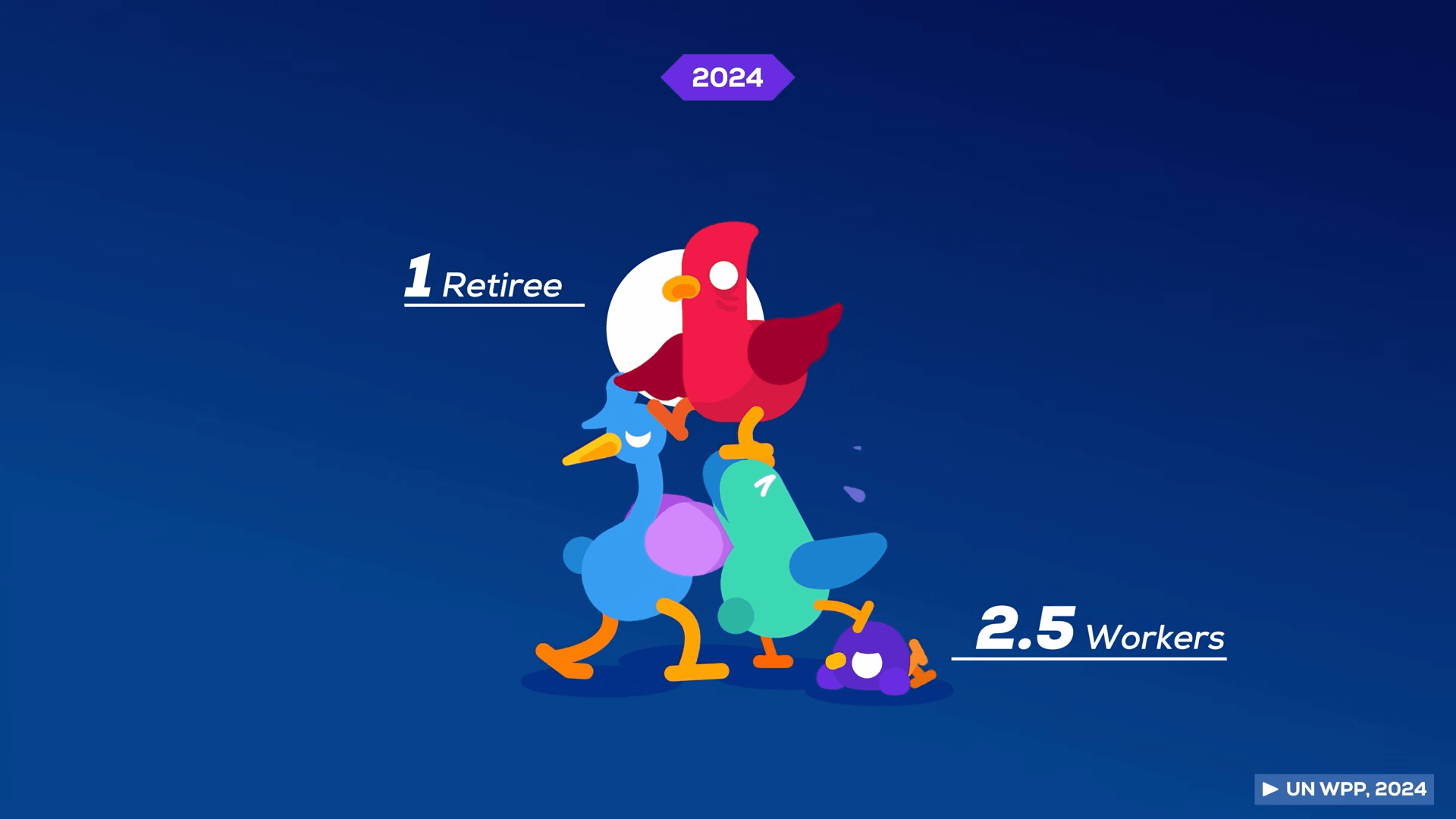
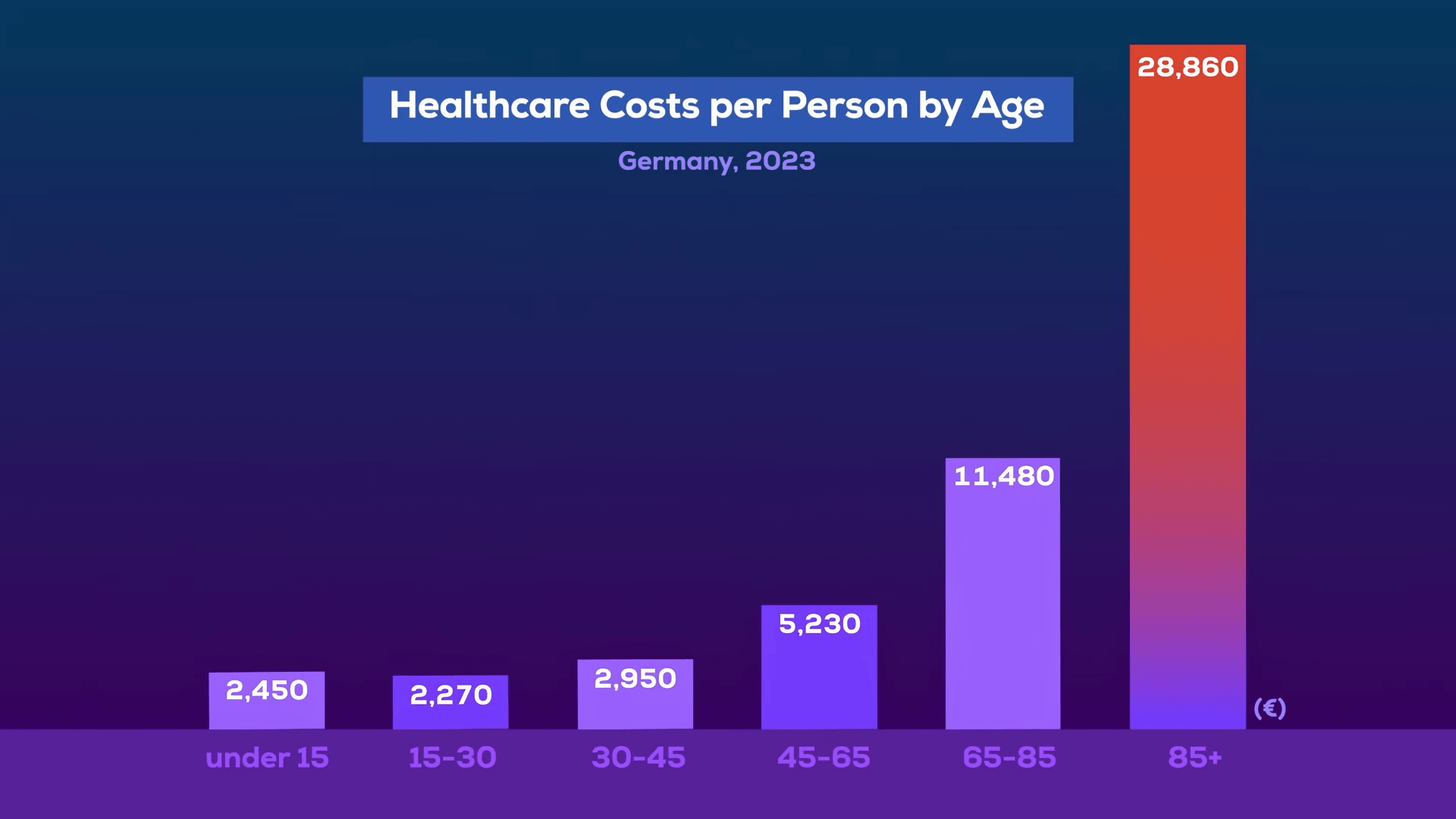
However, by 2024, the number of workers for every retiree will have decreased to 2.5. Furthermore, by the 2030s, this is projected to decrease to 2 workers for every retiree. Moreover, about 10 years after retirement, older people become more susceptible to illness and account for a large portion of healthcare costs, which will also likely represent a larger share of tax revenue in the future.
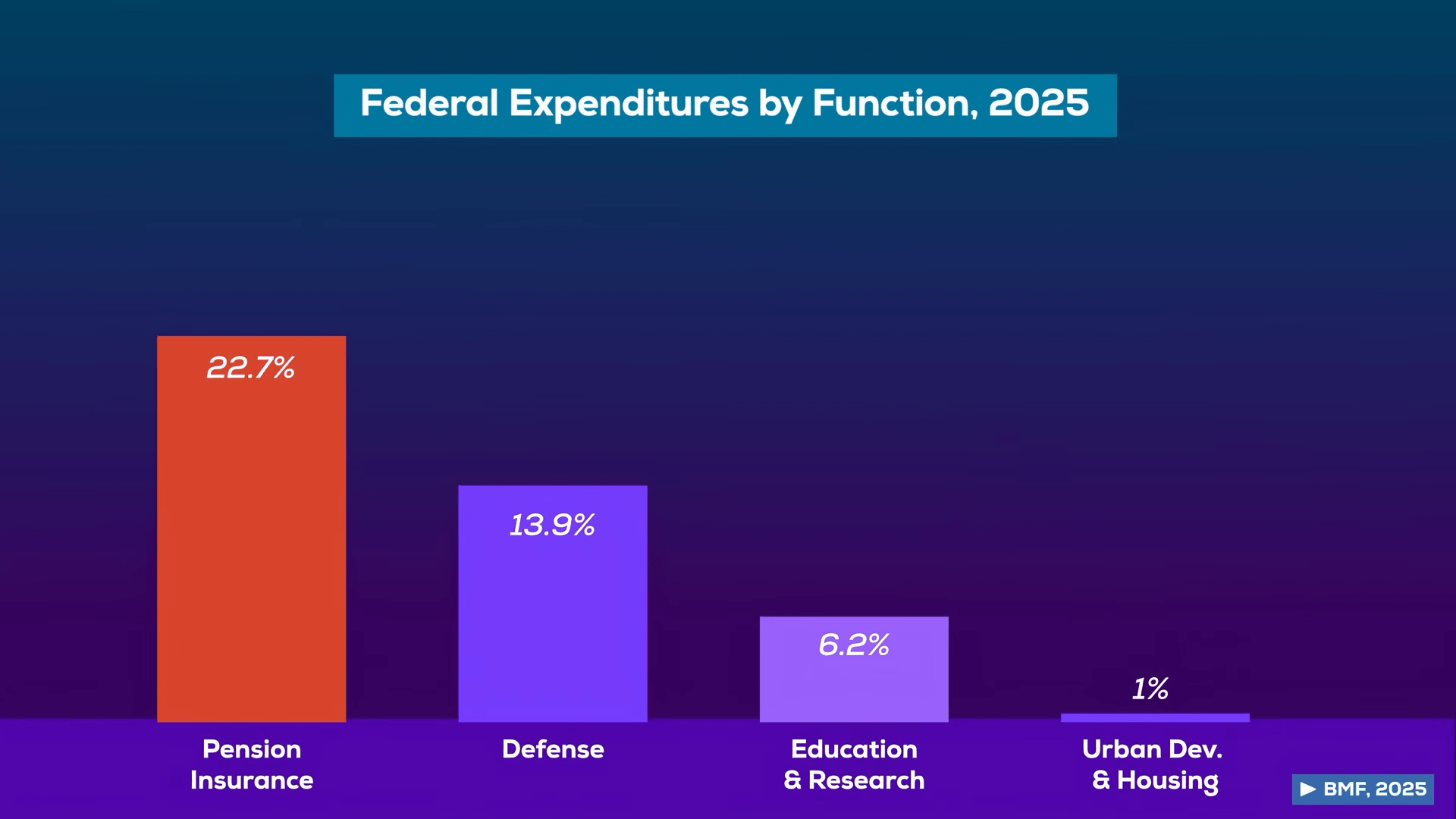
To address this situation, the German government began subsidizing pension funds with tax revenue in the 1970s, and since then, almost every government has similarly postponed the problem by providing subsidies. As a result, as of 2025, the German government is spending approximately one-quarter of its annual tax revenue as subsidies to cover the shortcomings of the pension system. In other words, one-quarter of Germany's tax revenue is going towards pension payments.
This amount exceeds spending on essential national sectors such as education, research, infrastructure, and national defense. In other words, Germany's wealth is being redistributed from young people and workers to the elderly and retirees.
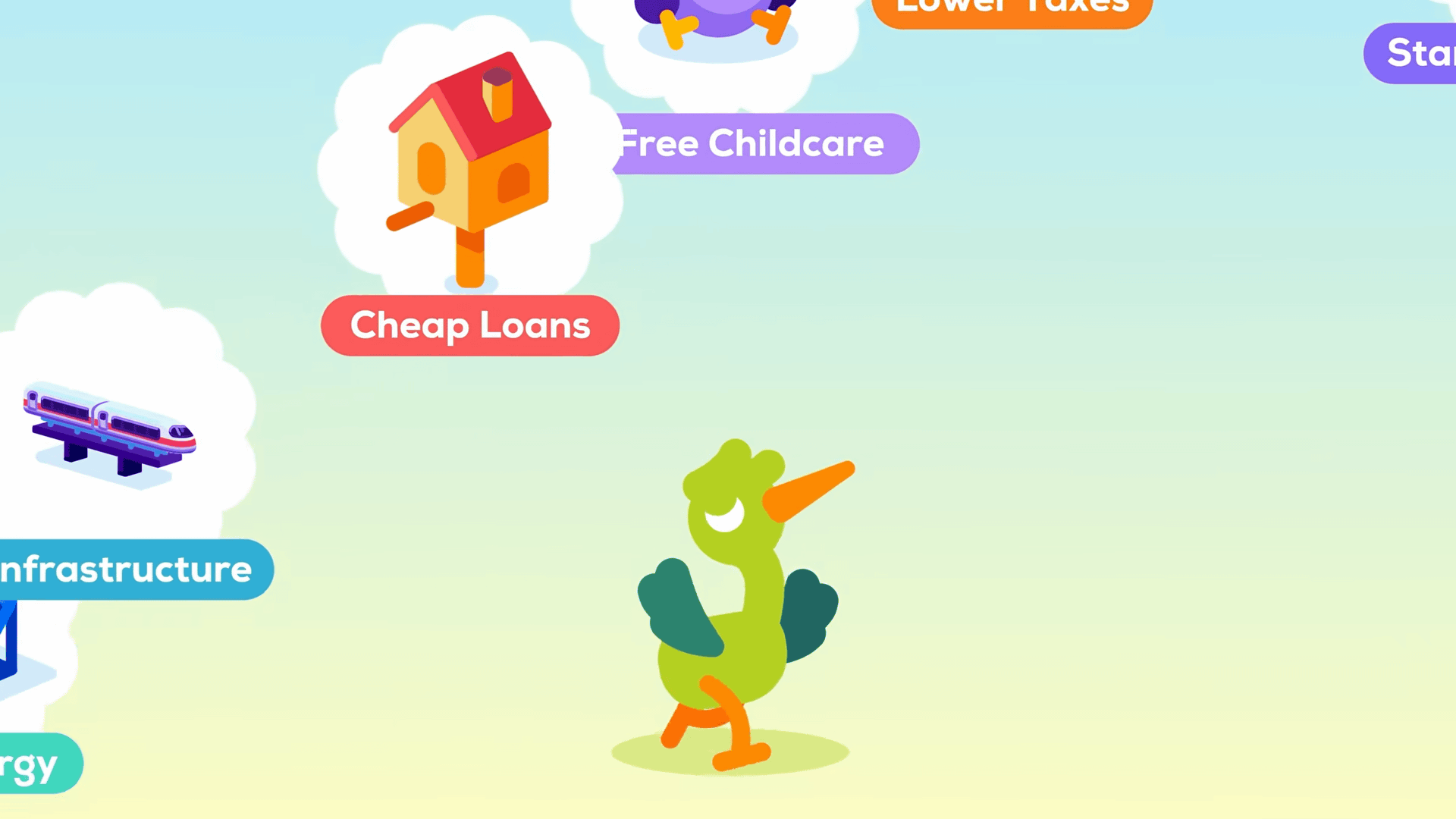
And this situation will only get worse as the baby boomer generation retires. As the country's resources dwindle, there will be less money available to support young people and the working class. This means losing incentives for starting a family, tax cuts, free childcare services, low-interest mortgages for buying a home, and investment in education, infrastructure, and clean energy. In addition, Kurzgesagt said, 'It is unlikely that millennials and Gen Z will receive the same pensions they do now.'
The reason the existing pension system only works for the baby boomer generation is that while their parents 'had many children and died young,' the baby boomer generation 'had fewer children and lived longer.' However, this is not the only reason; the problem also worsened slowly because Germany was experiencing an economic boom.
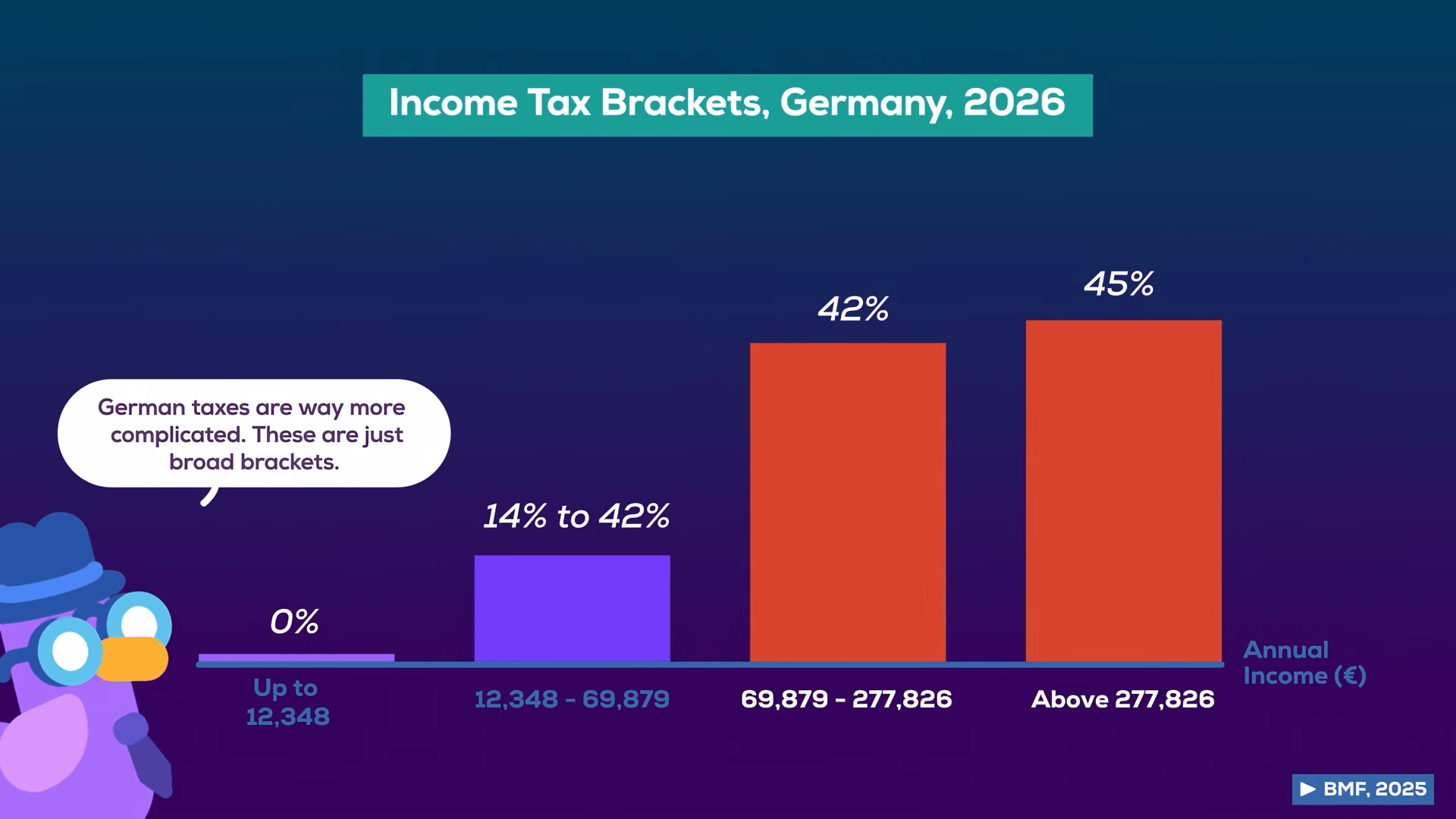
Because of these issues, many people will naturally want to save for retirement. However, taxes and social security contributions account for about 40% of the average German worker's salary, and nearly 50% for those in the highest tax bracket. This is among the highest in the world, and 'this drives up the cost of living, and combined with sluggish wage growth, makes saving for retirement extremely difficult, especially for younger and middle-aged Germans,' Kurzgesagt points out.
One's own home is a means of generating wealth and a place where one can find security and safety. However, housing supply is far from keeping up with demand due to a combination of factors, including opposition from neighbors hindering new development, rising construction costs, increasing new regulations, and the influx of millions of immigrants into Germany over the past few decades. In major metropolitan areas where young people want to live, renting or buying real estate has become extremely expensive, making it difficult even for couples with stable incomes from both working.

In short, young people in Germany are destined to repay the enormous debt accumulated by the previous generation. However, the younger generation has no way to change this situation through voting, because German political parties have absolutely no incentive to support young people.
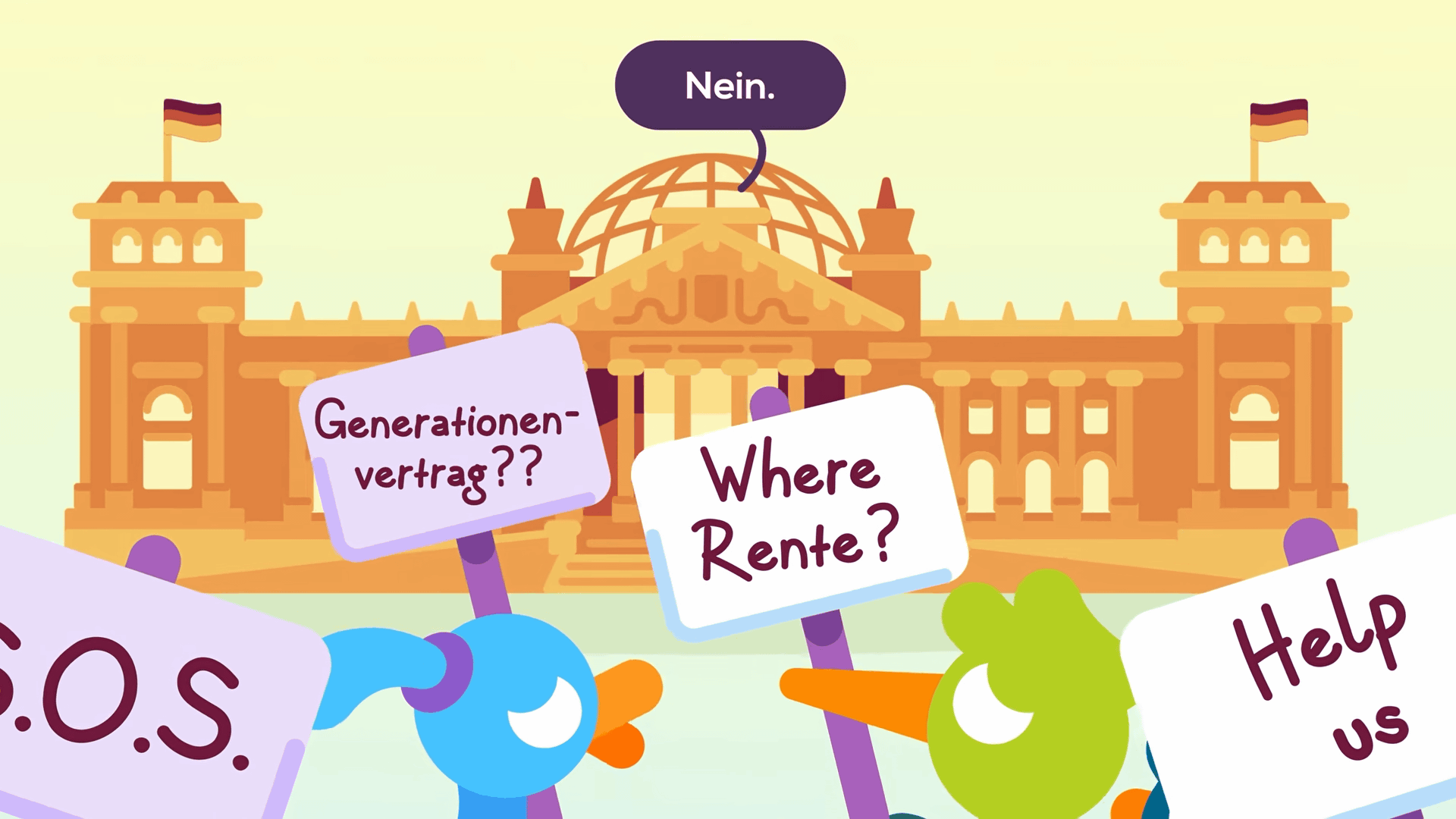
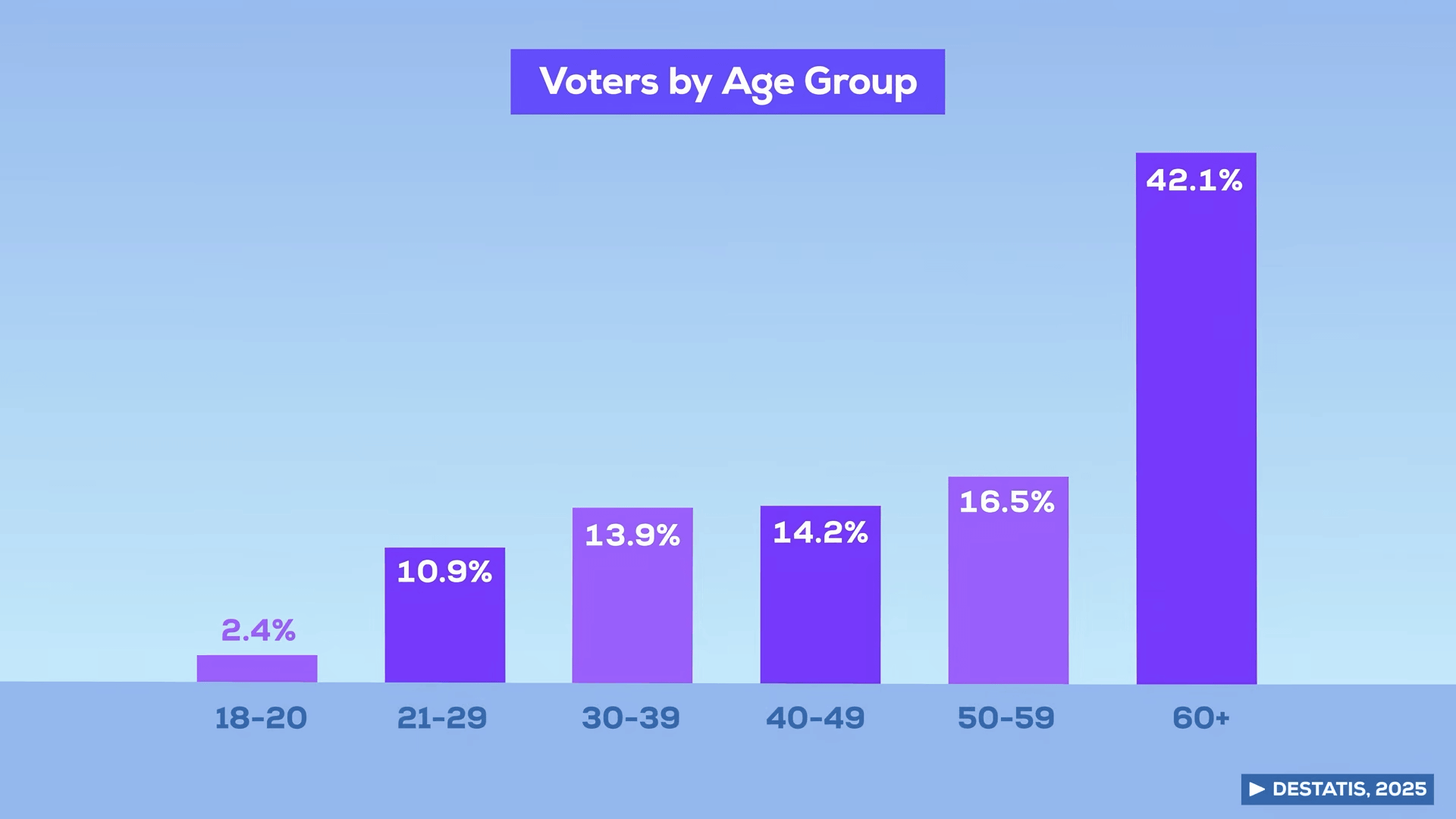
In Germany, the elderly are the largest voting population, so politicians govern for them.
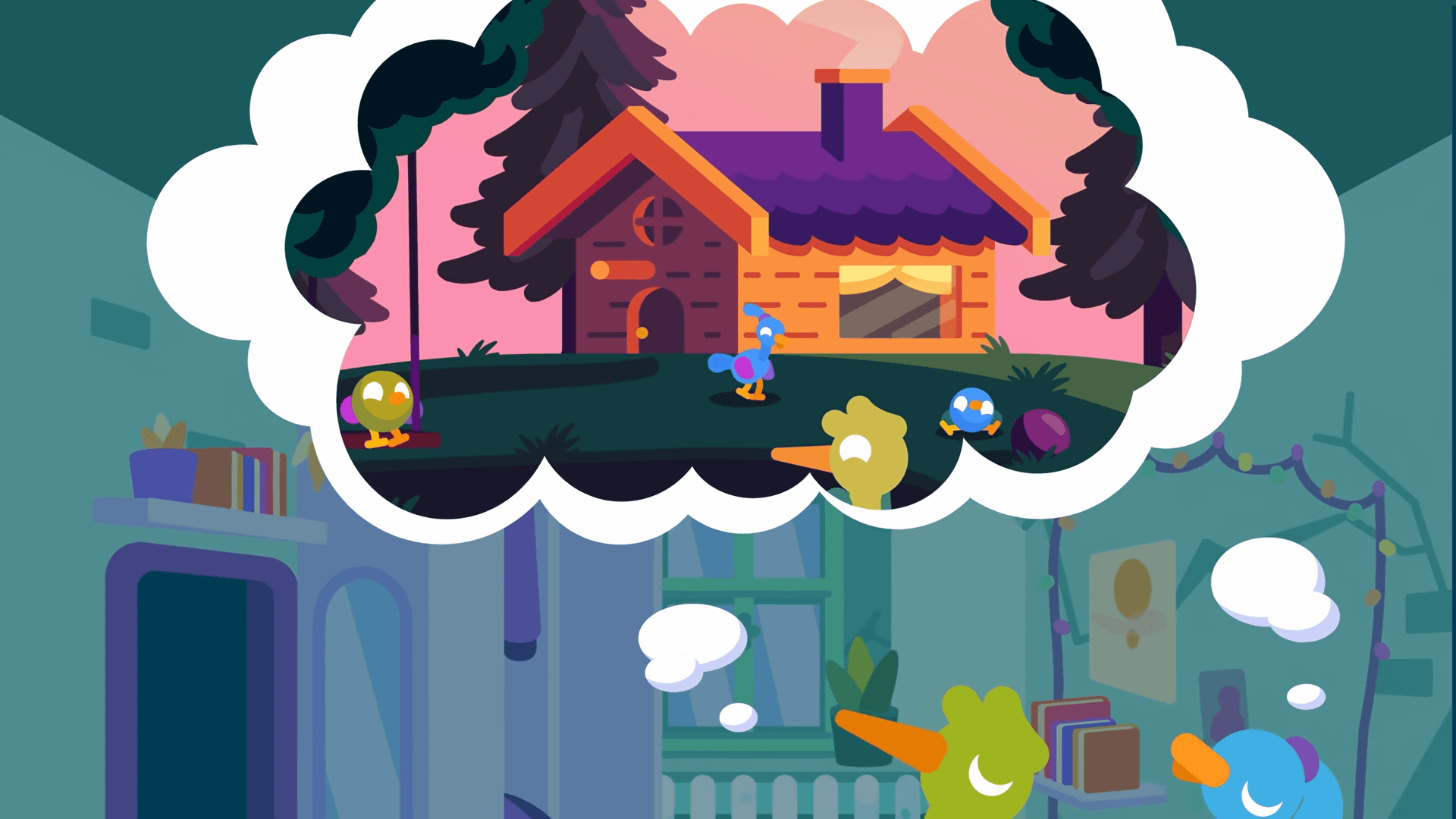
As a result, young people in Germany will find it increasingly difficult to build wealth or buy a home, and will become less inclined to start a family or have children, even if they want to.
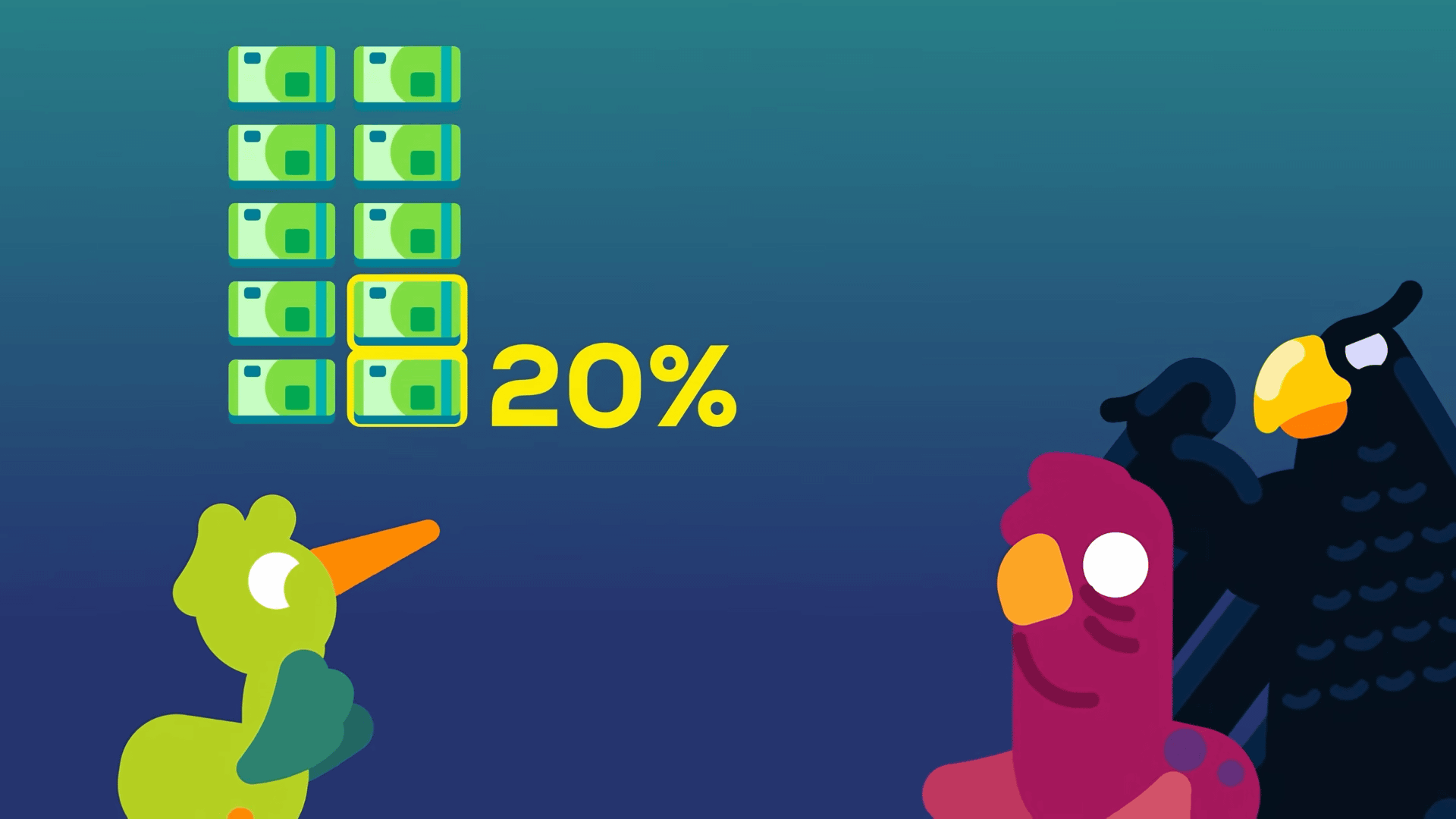
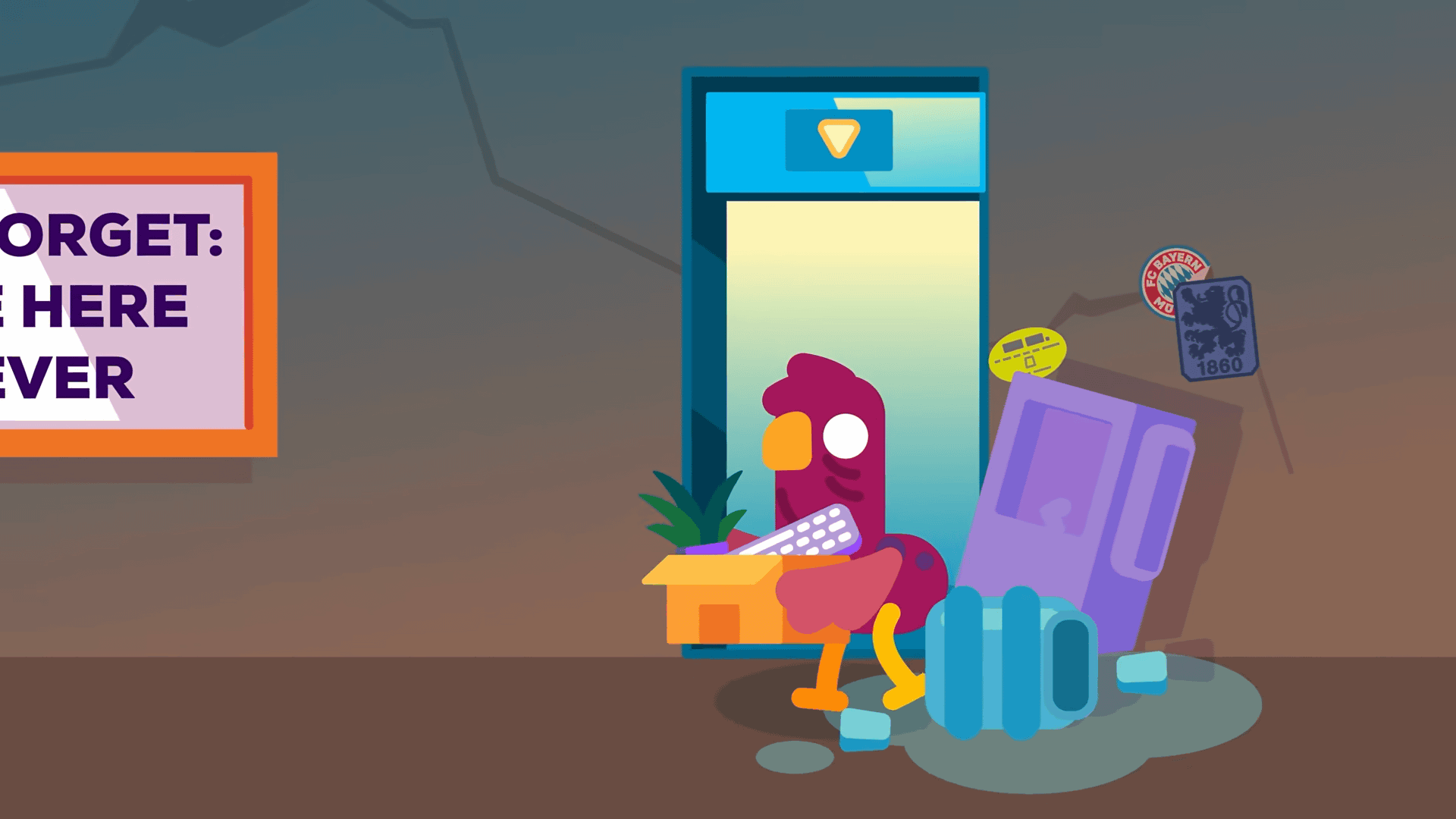
Germany has become a society for the elderly, and as a result, it is also dependent on young people. This is why it is extremely difficult to nurture young talent. To address this situation, it is expected that millions of elderly people in Germany will be forced to work longer, and proposals to raise the retirement age to over 70 are already being discussed. Meanwhile, about 20% of German pensioners live in poverty, and this percentage is certain to increase significantly in the 2030s.
Nevertheless, the elderly and baby boomers still own the majority of Germany's wealth.
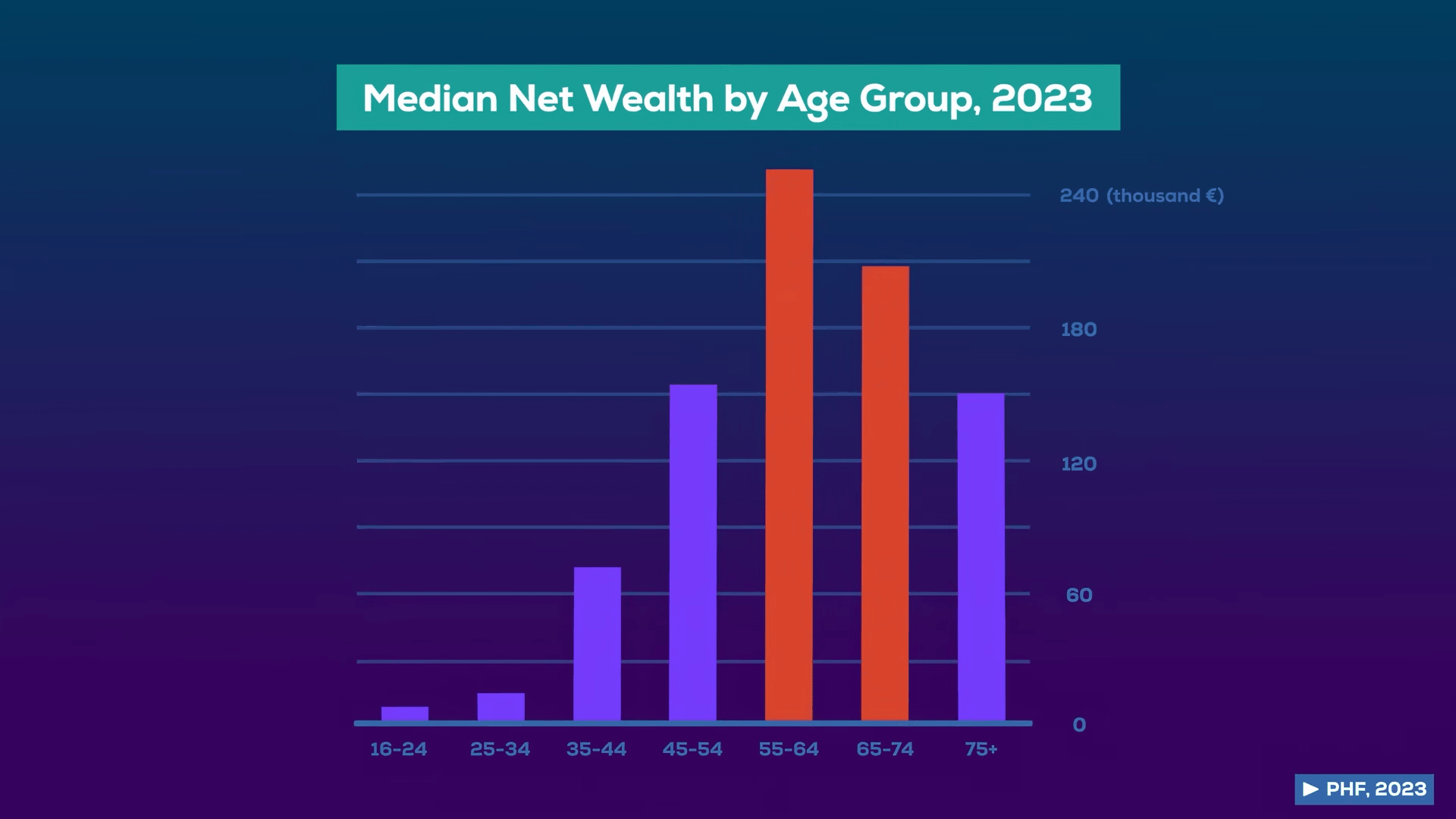
Even in high-tax countries like Germany, wealth inequality is significant. There is ample opportunity to tax the wealthy and alleviate the burden on workers, but since this is a subject of intense debate, Kurzgesagt said, 'We won't touch on it this time.'

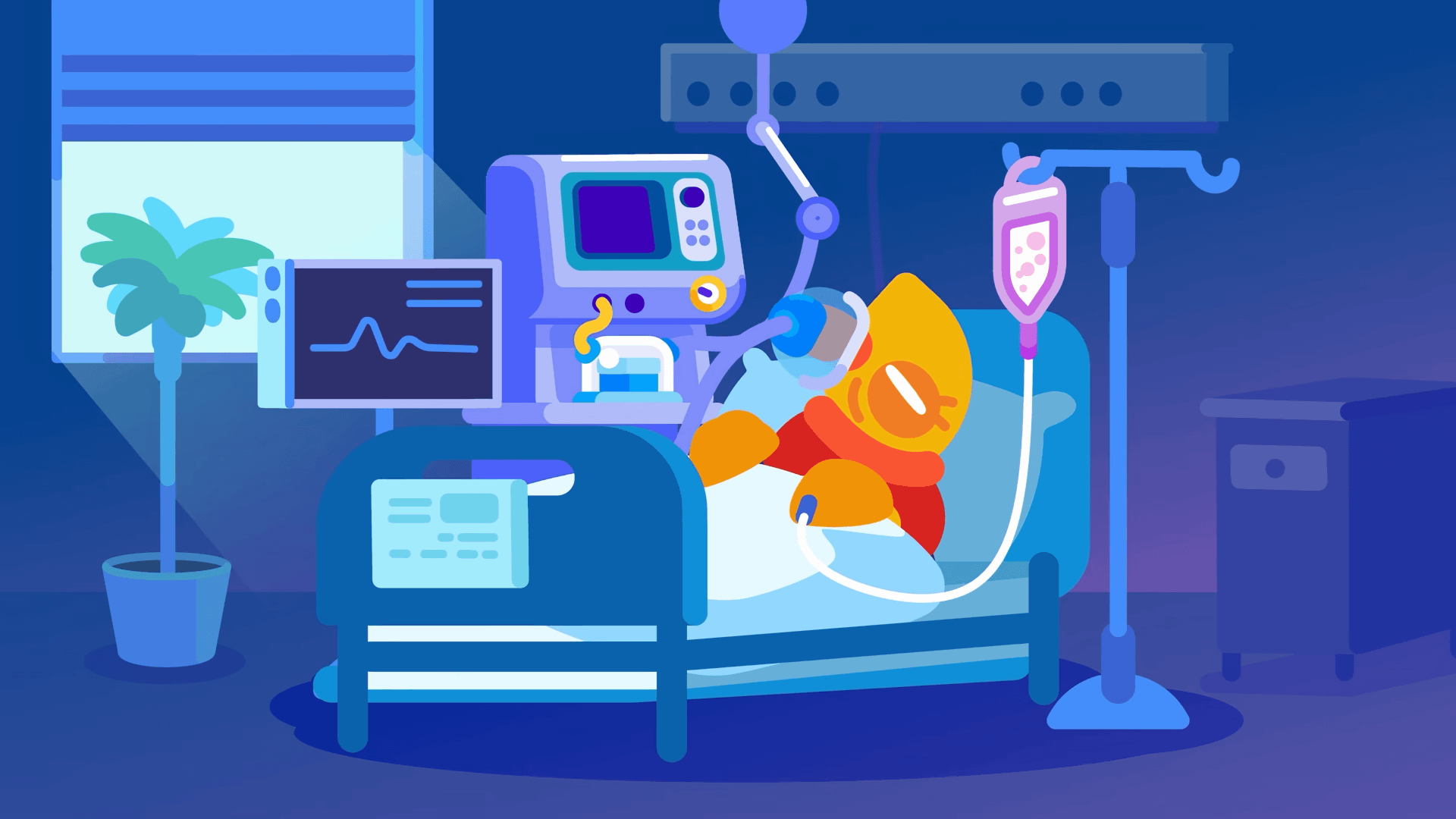
Not only pensions, but also welfare and healthcare systems may become unsustainable by the 2030s. The majority of healthcare costs are incurred in old age. Due to demographic changes, the number of healthcare professionals is projected to decrease while the number of patients is expected to increase dramatically, and under the existing healthcare system, waiting times to see a specialist already extend to several months.
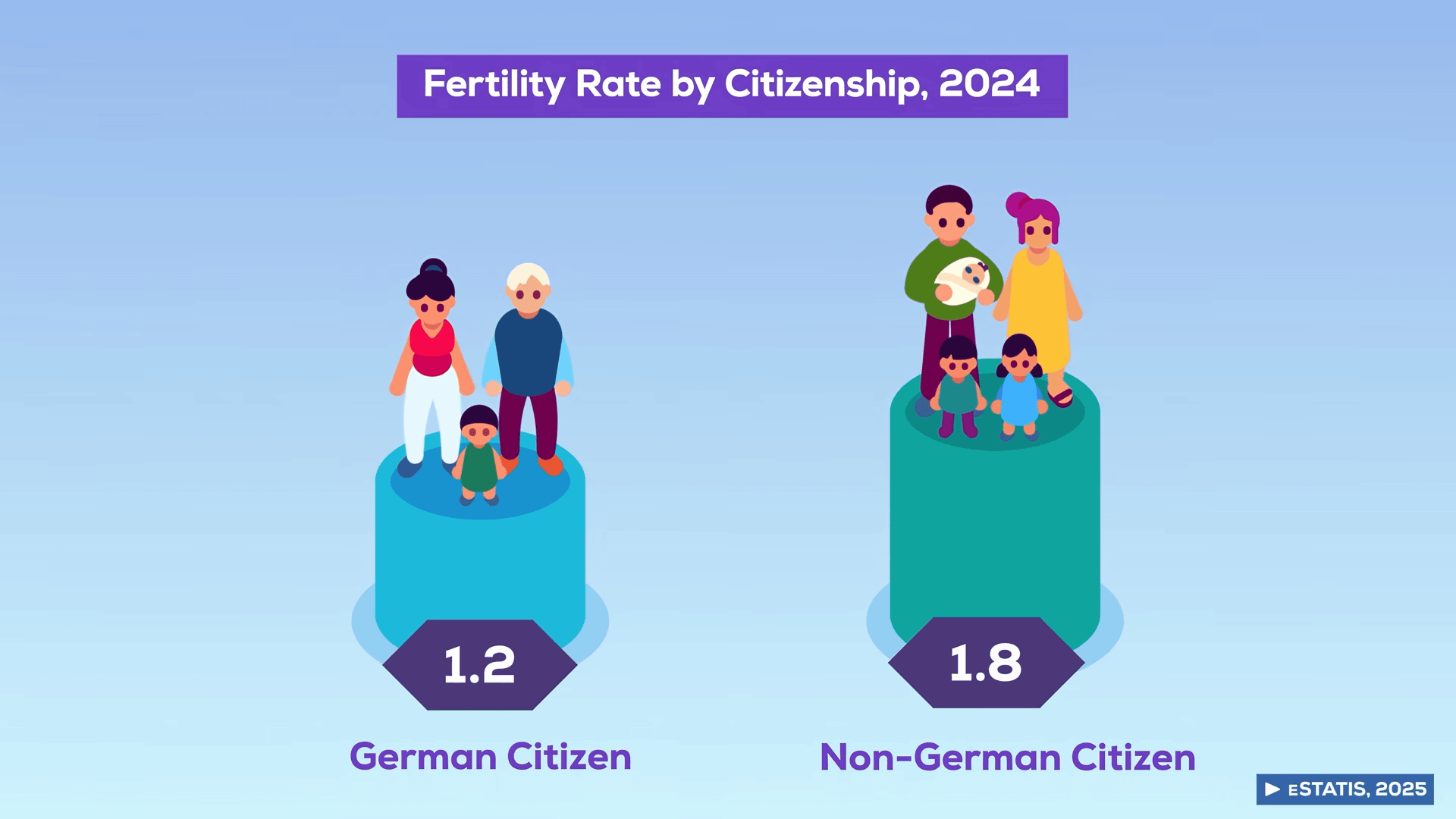
Another problem is the 'immigration issue.' Kurzgesagt focuses solely on whether immigrants can solve the problem of population decline, noting that 'in Germany, the birth rate of most immigrants is higher than that of the local population.' When new immigrants have many children, they tend to adapt to the other residents within two generations.
These immigrants have delayed Germany's economic crisis over the past few decades. Germany is now projected to face a severe labor shortage, particularly in the fields of healthcare and nursing. However, eliminating immigration would eliminate this workforce, so 'eliminating immigration is neither a wise nor a realistic decision,' Kurzgesagt pointed out.
At the current birth rate, Germany's population will only continue to decline. To compensate for this, it will be necessary to constantly replenish the population with new immigrants. This would require accepting immigrants for a long period, until they become elderly and need new immigrants to cover their own living expenses in retirement. However, Kurzgesagt notes, 'Leaving aside whether this is a good idea or not, it is actually impossible to achieve.'
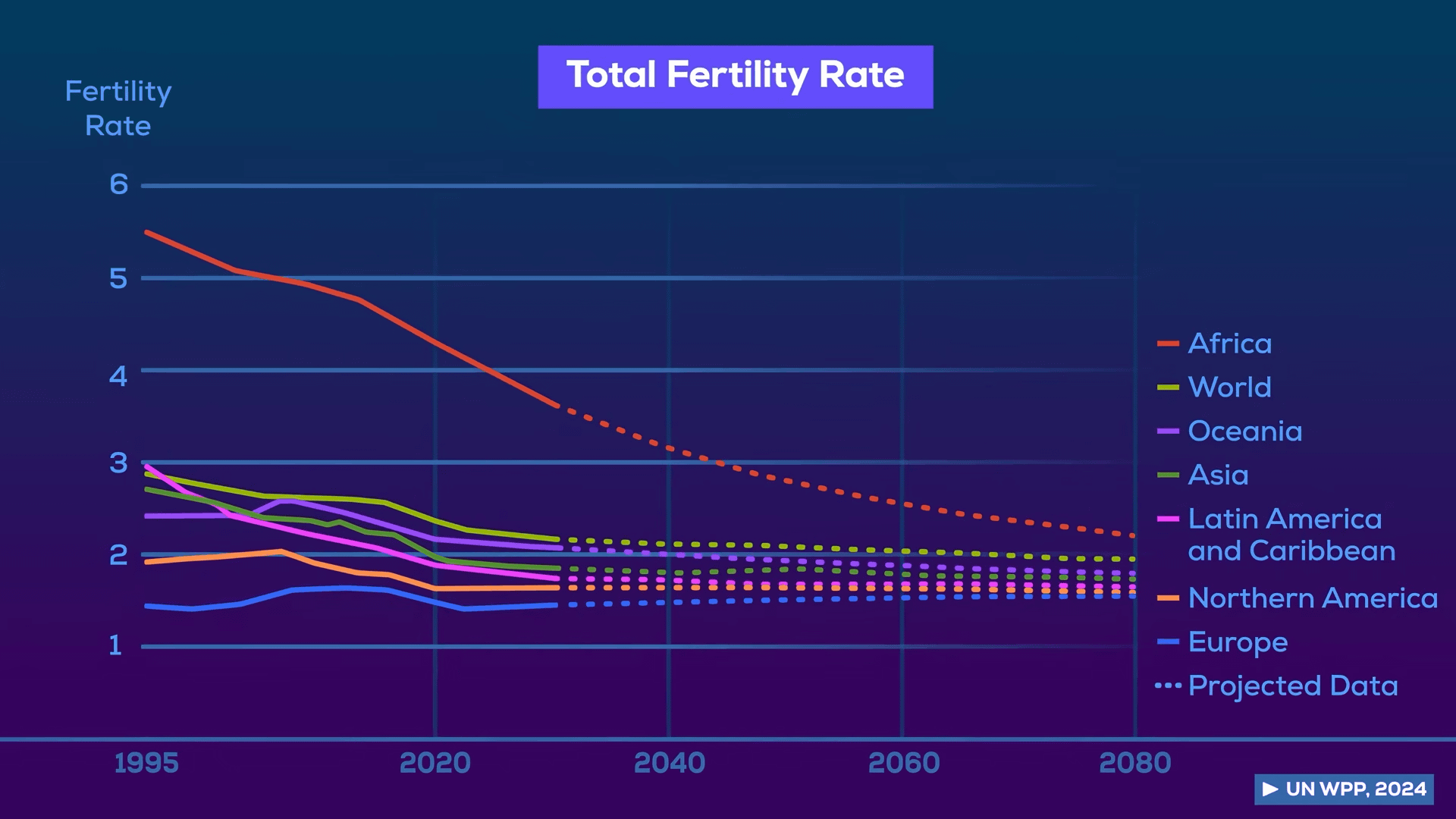
The reason is that birth rates are declining rapidly worldwide, which will eventually lead to a global shortage of young people. 'Immigration can delay the problem a little and mitigate its effects, but that's all it can do,' Kurzgesagt said.
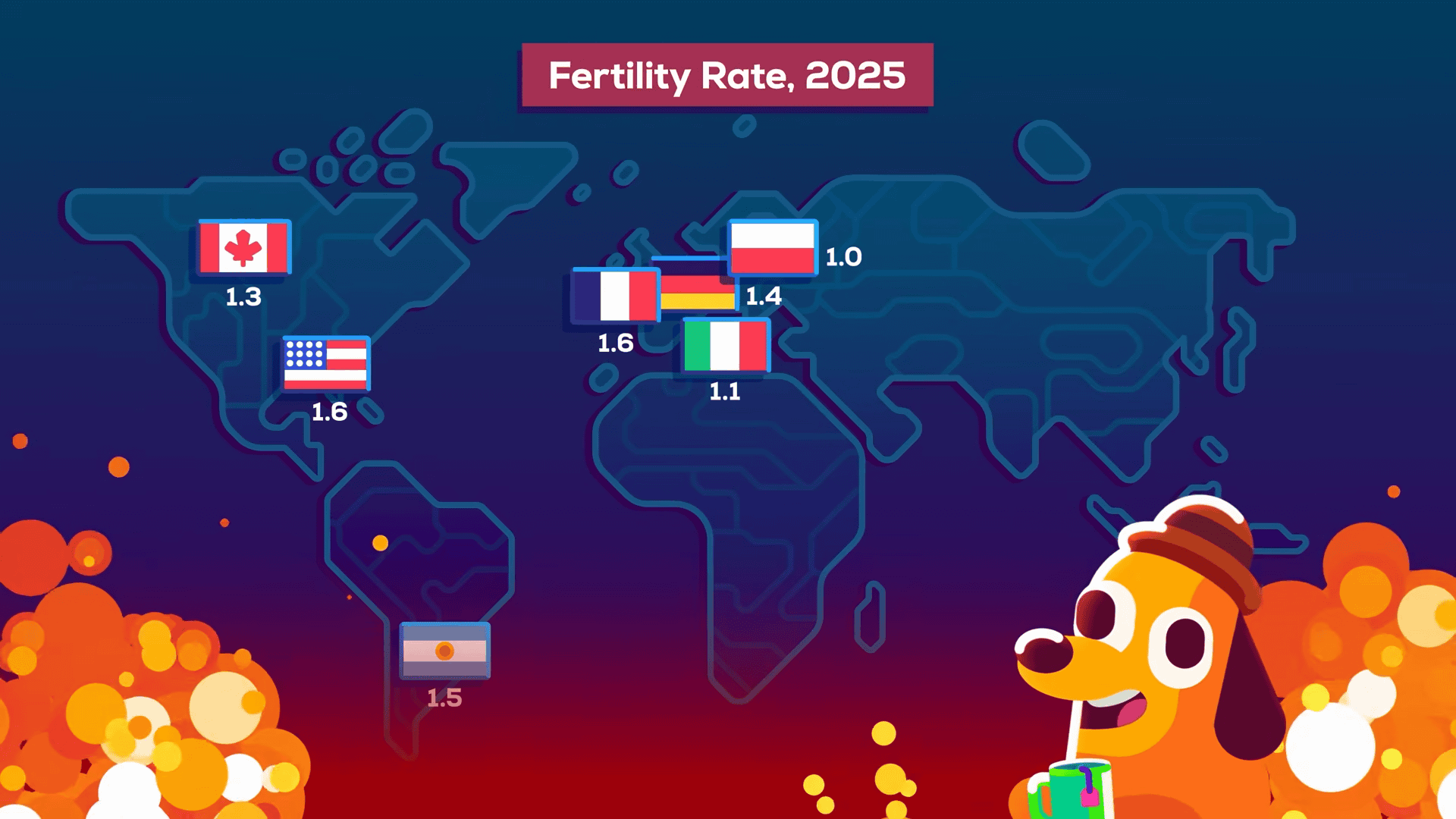
A similar crisis is sweeping across all Western countries. While the situation is escalating in Germany, Italy, France, and Poland, Kurzgesagt points out that similar problems could occur in the United States, Argentina, and Canada.
Stopping population collapse will require sacrifices from all people. However, no country has truly solved population collapse. And it will require implementing policies that will be highly unpopular with older voters.
In Germany's case, instead of spending 25% of the national budget on the elderly, especially the wealthy, it should be invested in the younger generation. Housing and childcare costs need to be covered, and having a large family needs to be made a great benefit. And, above all, young people's attitudes towards children and family need to be changed, Kurzgesagt said.
Related Posts:








in Video, Posted by logu_ii