How have scientists' views on insomnia changed since the early 2000s?
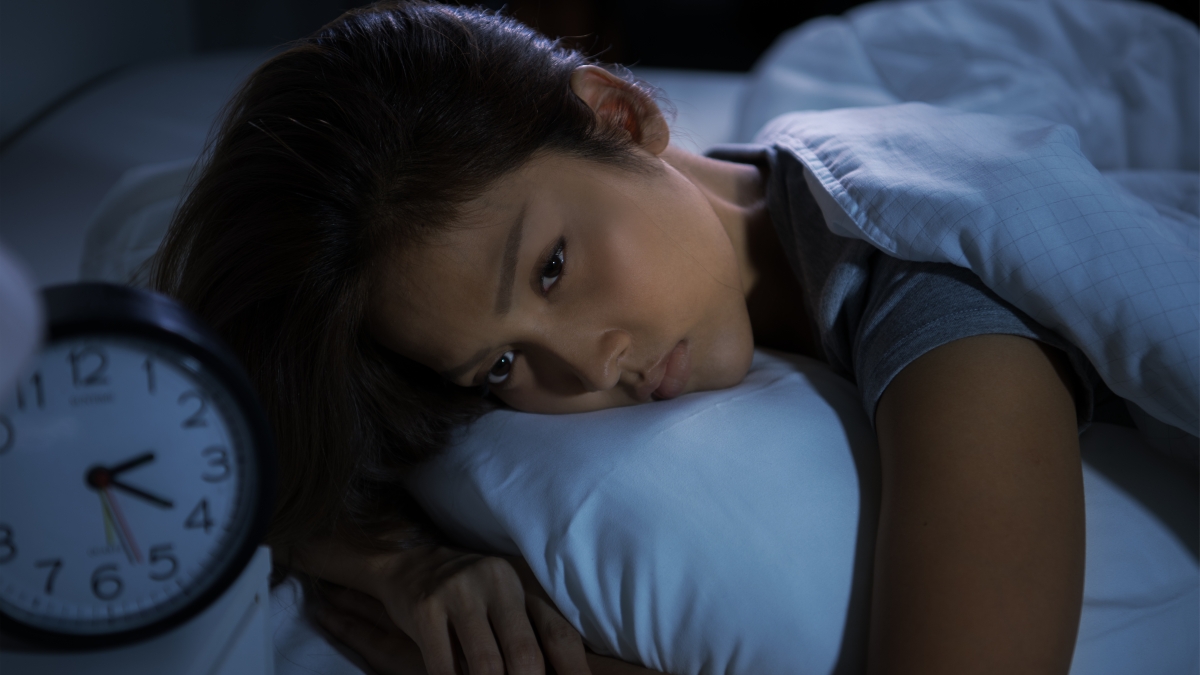
Insomnia, a condition characterized by persistent difficulty falling asleep, was once often treated as a consequence of other illnesses or mental health issues, and there was a period when insomnia itself was rarely considered a treatable condition. Juliana Hartescu, who teaches psychology at Loughborough University, explains how scientists' views on insomnia have changed since the early 2000s.
How scientists changed their view of insomnia
https://theconversation.com/how-scientists-changed-their-view-of-insomnia-279585
Hartesk explains that insomnia is a condition that has troubled humans for a long time, and that our scientific understanding of chronic sleep deprivation and insomnia symptoms advanced significantly in the early 2000s.
According to Hartesk, a major shift in scientists' view of insomnia is the increased emphasis on the fact that 'insomnia often occurs in conjunction with other physical and mental health problems.' Many people with insomnia also have other physical and mental issues such as diabetes, high blood pressure, chronic pain, thyroid disorders, gastrointestinal problems, anxiety, and depression.
Insomnia that occurs in conjunction with other illnesses or disorders was formerly called 'secondary insomnia.' This term views insomnia as a symptom caused by another illness. Until around the early 2000s, clinicians often did not attempt to treat secondary insomnia itself.
However, in the early 2000s, the treatment of insomnia began to be re-evaluated based on research findings and clinical evidence. Insomnia can occur before other illnesses, and it can persist for a long time even after the original illness has improved. Therefore, in the field of sleep medicine, instead of distinguishing between 'insomnia that occurs on its own' and 'insomnia associated with other illnesses,' it has come to be recognized that insomnia is an independent disorder and that insomnia itself requires treatment. Hartesk explains that this was a major step forward.
Furthermore, it has been shown that addressing sleep problems may improve other co-occurring symptoms and conditions. Chronic pain, chronic heart failure, depression, psychosis, alcoholism, bipolar disorder, and post-traumatic stress disorder (PTSD) may all improve by addressing sleep issues.

Insomnia can affect many people, but some are particularly susceptible. According to Hartesk, women, the elderly, and those in socioeconomically disadvantaged positions are more prone to prolonged sleep disturbances due to a combination of physical changes, psychological stress, and living environments, making them more susceptible to insomnia. For example, in women, rapid hormonal fluctuations, pregnancy, childbirth, breastfeeding, and menopause can affect sleep, and domestic violence, caregiving burdens, depression, and anxiety can also be factors that prolong sleep disorders.
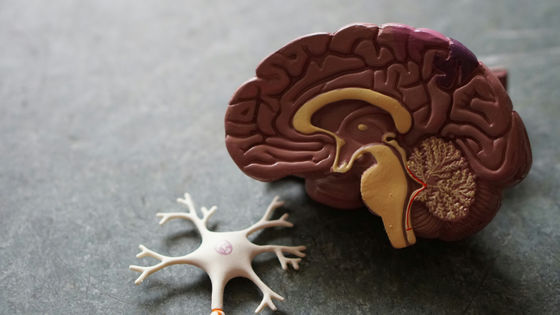
According to Hartesk, there are still many things we don't understand about insomnia. For example, there is evidence that difficulty falling asleep is associated with an increased risk of depression, separate from symptoms such as waking up in the middle of the night or waking up early in the morning. Research is also ongoing on how brain activity, heart rate, and stress hormones change during insomnia.
Hartesk explains that the shift from dismissing insomnia as a symptom caused by another illness to recognizing that insomnia itself requires treatment is a major step forward in sleep medicine. He adds that for this change to translate into actual medical care, it is necessary to ensure that people suffering from insomnia receive appropriate treatment and support.
Related Posts:






in Science, Posted by log1b_ok