Google Chrome 148 stable version released, Gemini Nano integrated into the browser and usable from websites.
Google Chrome has released version 148, the latest stable version of its web browser. New features include the ability to specify container queries by name alone, lazy loading of videos and audio, and the ability to use Gemini Nano as an on-device AI built into the browser via websites.
Chrome 148 | Release notes | Chrome for Developers
◆Container queries can now be specified by name only.
Chrome 148 introduced 'name-only container queries,' which allow you to specify a CSS query container using only the 'container-name.'
Previously, when using '@container,' it was necessary to specify the 'container-type' in addition to the container name. Starting with Chrome 148, you can now execute container queries using only the container name, without having to set the container type.
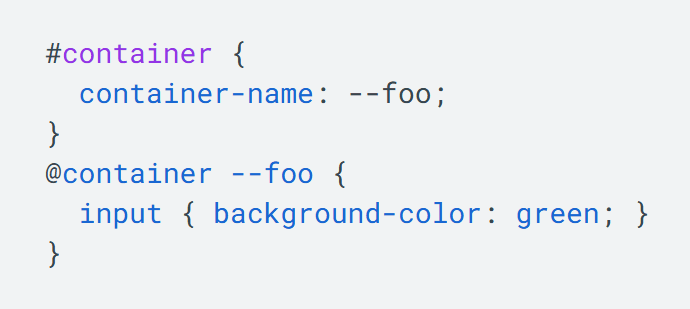
By allowing container queries to be specified using only the container name, it has become easier to specify styles that are context-aware for components.
◆Delayed loading of video and audio is now possible.
Chrome 148 added a 'loading' attribute to the video and audio elements. By specifying 'loading='lazy'', you can delay the loading of videos and audio until the element is close to the viewport.
This feature is similar to the lazy loading already used in img and iframe elements, and is said to help improve page loading performance and reduce data usage.
◆ Browser-based AI can now be used from websites.
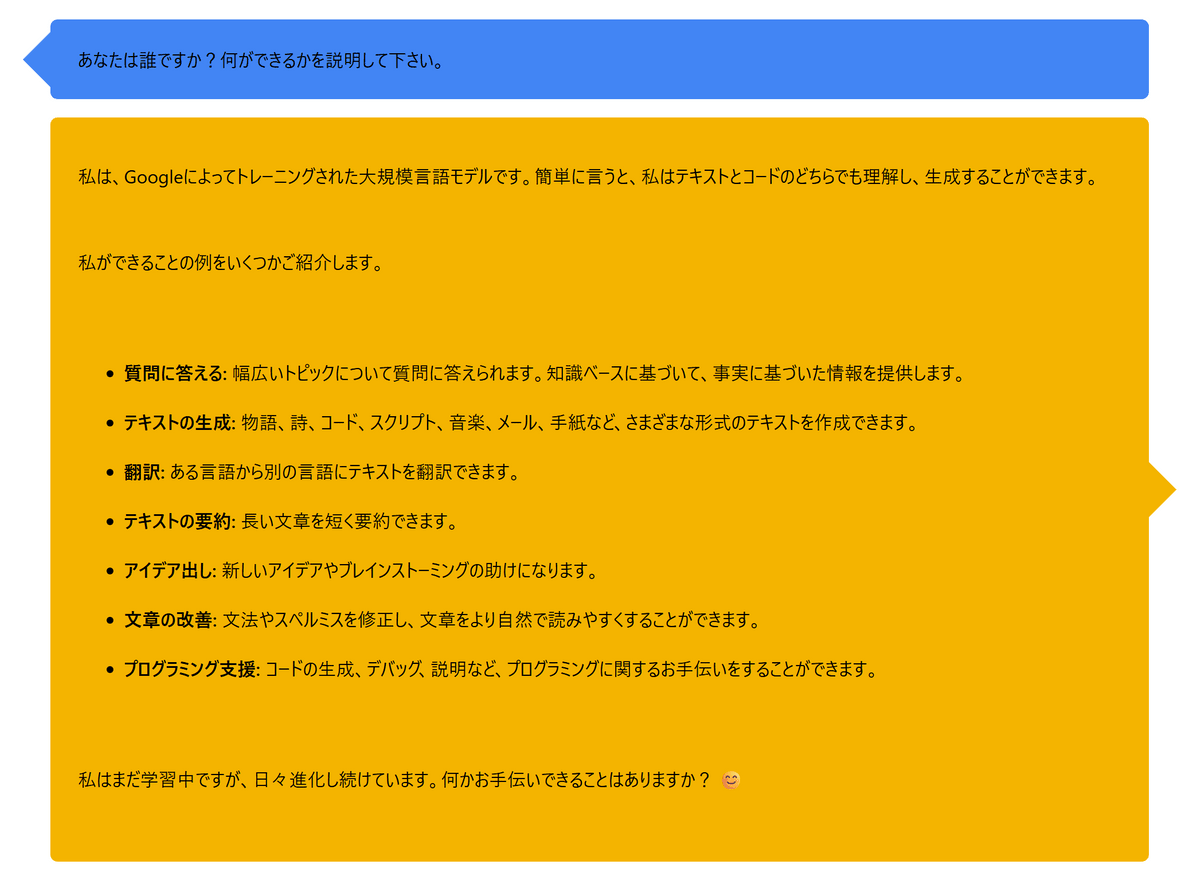
Chrome 148 introduced the 'Prompt API,' which allows web developers to directly access on-device AI models embedded in the browser. Chrome uses '
Chrome 148 supports text, image, and audio input. The generated text adheres to predefined regular expressions and JSON schema formats.
The Prompt API enables features such as image caption generation, image search, audio transcription, sound event classification, text generation based on instructions, and information extraction from multimodal materials. A demo site is also available, allowing you to try out text-based responses.
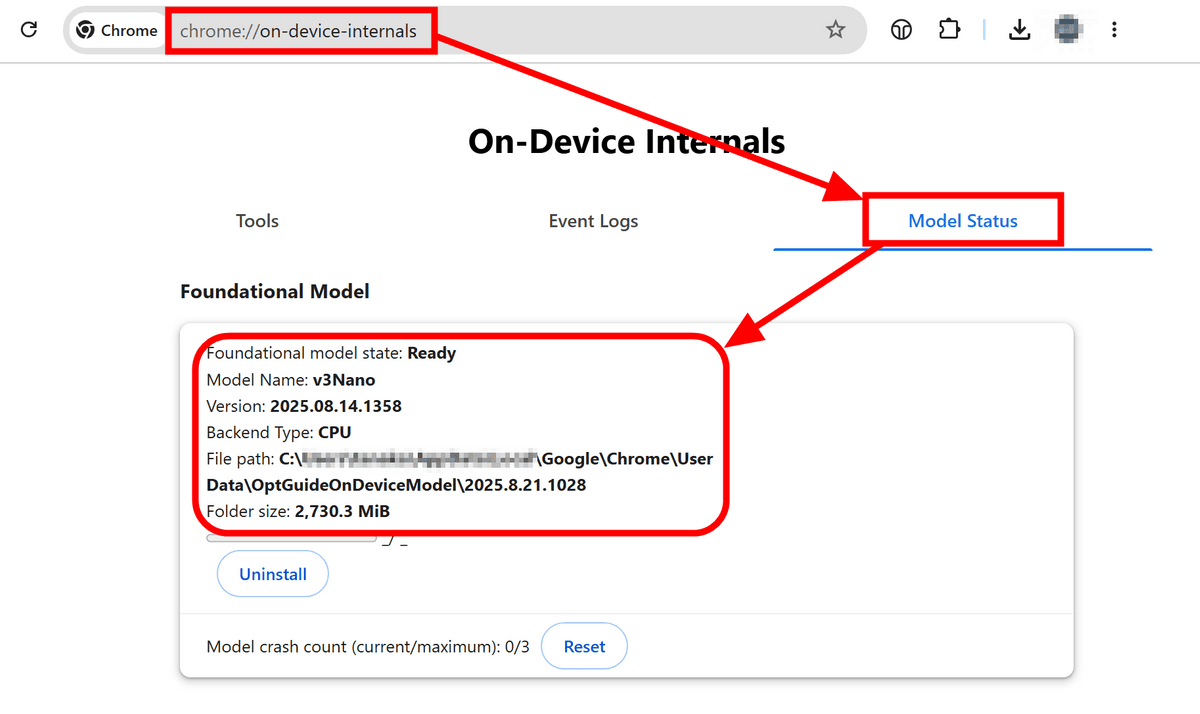
By typing 'chrome://on-device-internals' into the Chrome URL bar and clicking the 'Model Status' tab, you can check the model's name, version, location, size, and other information.
◆Web Serial API is now available in Chrome for Android.
Chrome for Android now supports the ' Web Serial API ,' an API for connecting to serial ports on PCs and other devices, as well as USB and Bluetooth devices that function as serial ports.
With support for the Web Serial API, peripheral devices controlled via serial connections, such as robotics kits, microcontrollers, 3D printers, laser cutters, and industrial equipment, are now easier to manage from web applications.
◆Other updates
- The ` at-rule() ` function has been added, which allows you to detect support for CSS at-rules using the CSS ` @supports` attribute.
- Support for the Open Font Format ' avar2 ' has been added, and interpolation control for variable fonts has been enhanced.
- The keyword ' revert-rule ' has been added to CSS.
- ' text-decoration-skip-ink: all ' is now supported.
- The ' dropEffect ' value during drag and drop is now set according to the specifications.
- The ' pointercancel ', 'pointerout ', and ' pointerleave ' events are now sent when dragging begins.
- Added support for localization of web application manifests .
SharedWorker has been re-enabled in Chrome for Android.
- The 'linear_indexing' feature has been added to WebGPU .
- An ' Immediate UI ' mode has been added to Web Authentication .
- A method has been added to retrieve the functionality of Secure Payment Confirmation .
- The 'extendedLifetime: true' option has been added to SharedWorker .
- IDNA ContextJ rules have been implemented.
- Images with the same src attribute can now be reused without re-fetching them if they have ' Cache-Control: no-store ' set in the img element .
- The ' contentType ' field has been added to PerformanceResourceTiming .
- An extension has been implemented in WebRTC DataChannel that allows data channels to be negotiated at all times.
◆Origin Trial
・Declarative CSS module scripts
Container Timing API
・Web app HTML install element
・Long Animation Frames style duration
HTML-in-canvas
Connection Allowlists
・Prompt API sampling parameters
・Parse processing instructions in HTML
OpaqueRange
Additionally, Google Chrome 148 includes numerous security bug fixes .
The next stable version, 'Google Chrome 149,' is scheduled for release on Tuesday, June 2, 2026 (local time).
Related Posts: