Belgium, which had been aiming to phase out nuclear power, has reversed its policy and is now focusing on nuclear power, beginning exclusive negotiations to acquire a nuclear facility.
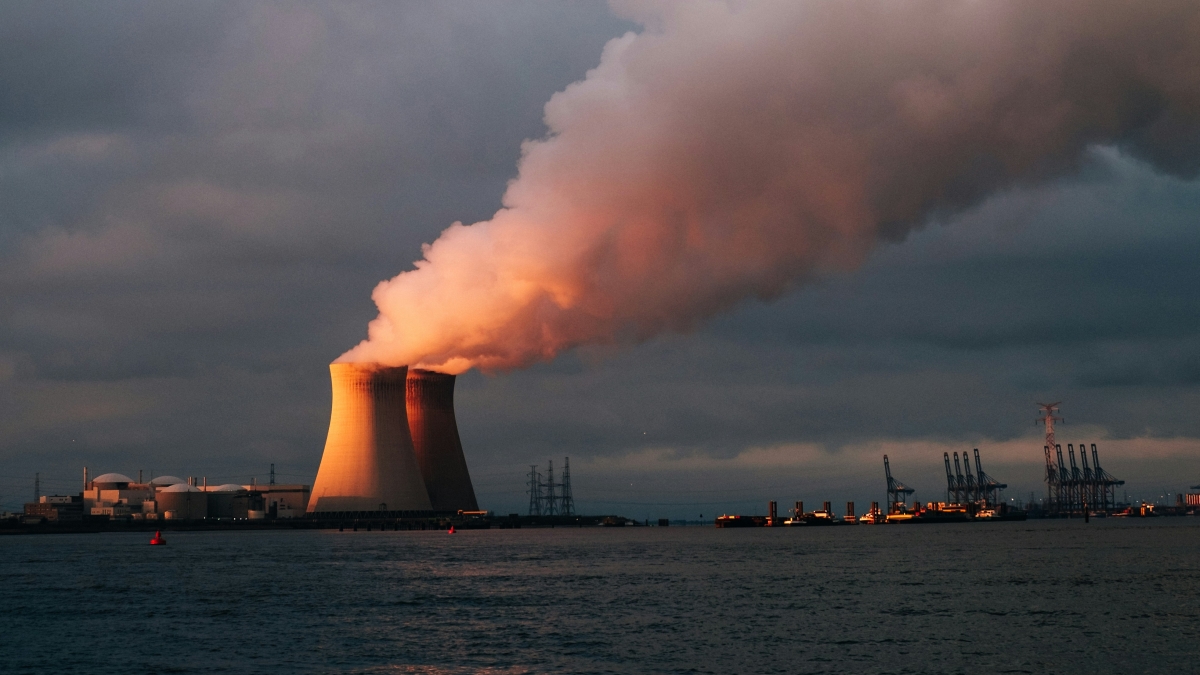
Belgium had set a policy in 2003 to phase out nuclear power, but has since reversed that policy due to concerns about energy supply. On April 30, 2026, the Belgian government signed a letter of intent to negotiate preferentially with ENGIE, a major French energy company, to finalize the terms for acquiring the country's seven nuclear reactors, which are owned and operated by ENGIE.
The Belgian State and ENGIE Group enter into exclusive negotiations for the acquisition by Belgium of ENGIE's nuclear activities - Newsroom Engie
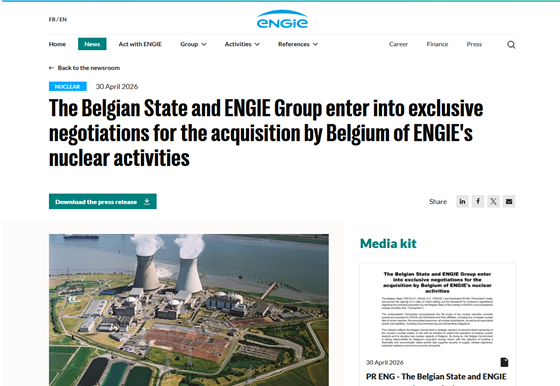
Belgian government and Engie negotiate takeover of all nuclear reactors
https://www.belganewsagency.eu/belgian-government-and-engie-negotiate-takeover-of-all-nuclear-reactors
Belgium stops decommissioning nuclear power plants | dpa international
https://dpa-international.com/general-news/urn:newsml:dpa.com:20090101:260430-930-14717/
Belgium has four nuclear reactors at the Dole Nuclear Power Plant and three at the Tihange Nuclear Power Plant . Electrabel, ENGIE's Belgian subsidiary, is also involved in these negotiations, and the negotiations cover not only the seven domestic reactors but also employees involved with the nuclear power plants, nuclear-related subsidiaries, assets such as equipment, liabilities, and the responsibility for decommissioning and dismantling the reactors in the future.
In 2003, the Belgian government adopted a policy to phase out nuclear power, initially planning to eliminate it by 2025. However, concerns about the ability to secure a stable electricity supply and anxieties about over-reliance on other countries for energy led to a reassessment of the policy, and in 2025, the Belgian Parliament passed a bill ending the nuclear phase-out policy.
These negotiations represent a further shift in policy. ENGIE explains that 'this move indicates the Belgian government's decision to directly own its domestic nuclear facilities and operations.' It also states that this decision aligns with the government's policy of extending the operation of existing reactors and increasing Belgium's nuclear power capacity.
Belgian Prime Minister Bart de Waver posted on X: 'We have reached an agreement with ENGIE to set conditions and begin the necessary investigations toward acquiring Belgium's entire nuclear business. In the meantime, all dismantling work will be immediately halted. The Belgian government will choose safe, affordable, and sustainable energy. We will reduce our reliance on fossil fuel imports and gain greater control over our own supply.'
Er is een akkoord bereikt met ENGIE om de voorwaarden te bepalen en de nodige studies op te starten voor een volledige overname van het Belgische nucleaire park.
— Bart De Wever (@Bart_DeWever) April 30, 2026
Deze regering kiest voor zekere,…
According to ENGIE, the suspension of decommissioning and dismantling work is 'a measure to preserve the value of the nuclear business by not separating the reactors and related facilities, and to leave the Belgian government with future options open.'
In Belgium, decommissioning procedures have already begun for some nuclear reactors, and the removal of control-related equipment, which is part of the equipment necessary to operate the reactor, was scheduled to take place soon at Tihange Unit 1, one of the reactors at the Tihange Nuclear Power Plant. Therefore, the Belgian news agency Belga News Agency has pointed out that this shutdown measure is highly significant and has reported that 'Tihange Unit 1 is seen within the government as one of the candidates for restarting.'
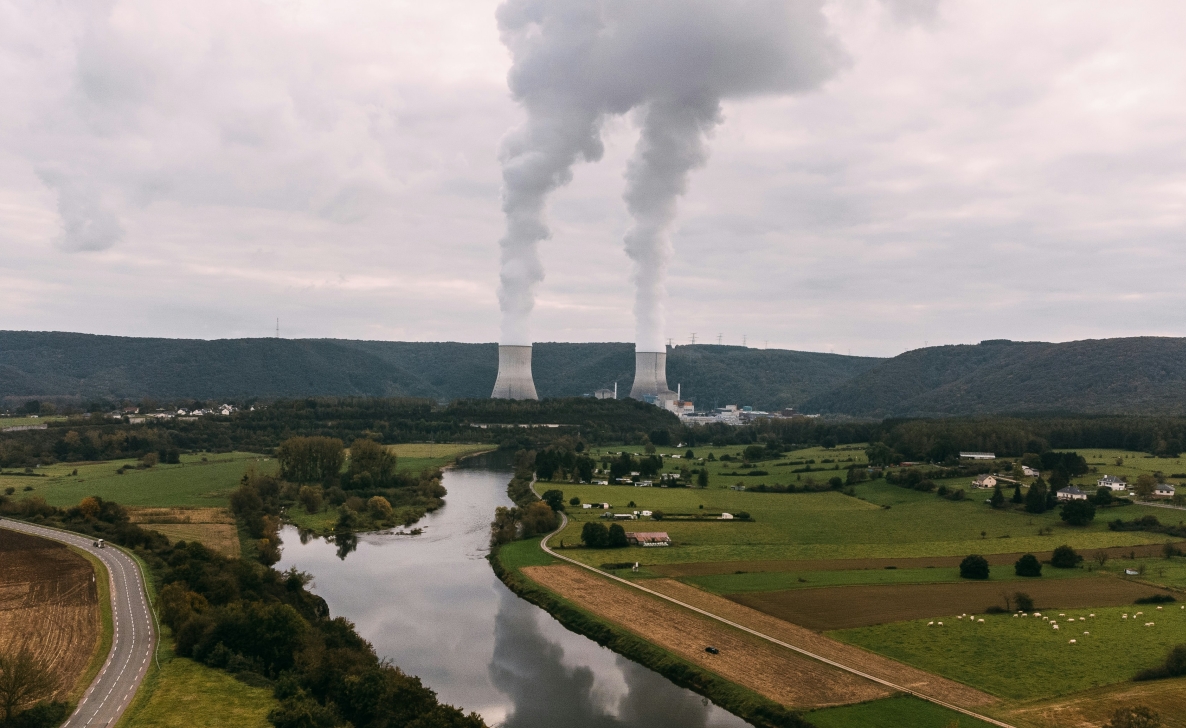
Under the administration of former Prime Minister Alexander de Croo, the Belgian government and ENGIE had agreed to gradually shut down most of the reactors, while keeping only two, Dole 4 and Tihange 3, operational until 2035. However, the current negotiations include not only these two reactors, but also reactors that have already been shut down and related infrastructure.
In its official statement, ENGIE explained that 'signing the letter of intent does not obligate the transaction to be completed,' and as of the time of writing, the acquisition has not been finalized. The Belgian government will now examine the details of ENGIE's nuclear power business and aim to reach an agreement on the main terms by October 1, 2026.
Related Posts:




in Note, Posted by log1b_ok