How do animals perceive 'time' differently?

A 60Hz monitor flashes 60 times per second, which appears as a smooth image to the human eye, but to fruit flies, it appears as a flickering light, like a strobe light in a nightclub. Ecologist Kevin Healy explained this difference in the perception of 'time' among different living things.
Pace of ecology drives the tempo of visual perception across the animal kingdom | Nature Ecology & Evolution
Animals' perception of time is linked to the pace of their life – new study
https://theconversation.com/animals-perception-of-time-is-linked-to-the-pace-of-their-life-new-study-275124
To humans, a fast-moving ball appears blurry, but dragonflies and pigeons can see it in great detail. However, for some creatures, like snails, its movement may be too fast to recognize at all.
To analyze why animals perceive time differently, Healy conducted experiments using electroretinography, a technique that records the electrical activity of the retina in response to flashing lights. This test allows researchers to identify the limits of an animal's time perception by gradually increasing the flashing speed until the animal can no longer perceive the flashing lights.
When this test was performed on various animals, it was found that there were significant differences among them. First, the human perception limit is approximately 65 flashes per second (65 Hz). Humans have a fairly good sense of time perception compared to other animals, higher than many mammals such as rats (47 Hz), but slightly lower than dogs (84 Hz).
On the other hand, tsetse flies and dragonflies were shown to be able to distinguish up to 300 flashes per second, and birds like the White-naped Robin were able to recognize up to 138 flashes per second. Similar results have been shown in other experiments.
Small birds are more than twice as good as humans at recognizing extremely fast flashing lights - GIGAZINE

The deep-sea fish, the oilfish, can only be recognized 12 times per second, and in even more extreme cases, the crown-of-thorns starfish and the African giant snail can only be recognized 0.7 times per second.
One way to explain this difference is the 'autorum hypothesis.' This hypothesis suggests that a lot of energy is needed to perceive the world at high speed, and only species that require quick reactions will have superior time perception.
For example, flying birds and dragonflies that prey on other species have a high sense of time perception, which is thought to be because they need quick reactions to survive. In contrast, slow-moving species like crown-of-thorns starfish, which can only reach a maximum speed of 22 meters per hour, have a low sense of time perception.
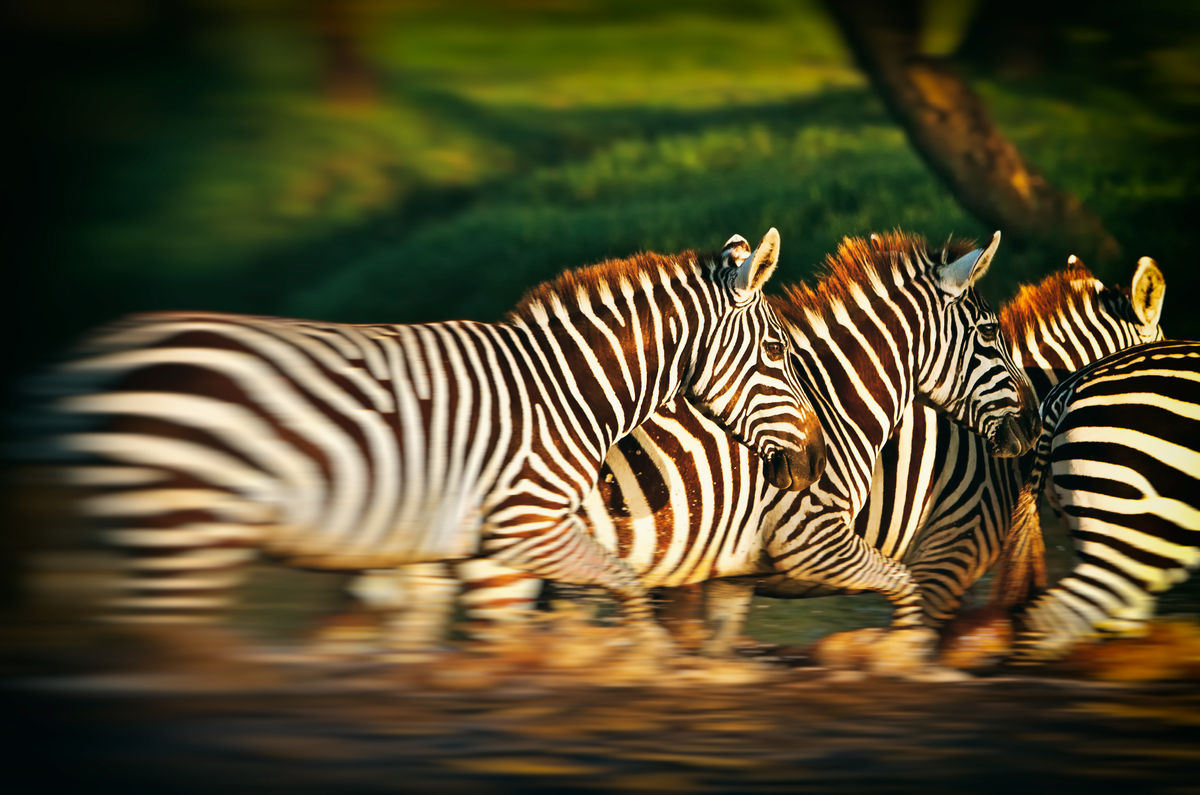
The experiment also revealed that smaller species have a higher ability to perceive time in aquatic environments. For example, a 1-gram stickleback can see at 67 Hz, while a 350 kg leatherback turtle can only see at 15 Hz. Healy pointed out, 'We don't yet know why this is the case in an aquatic environment, but it may be because water allows for instantaneous movement.'
Furthermore, it was found that species living in dark environments have poor time perception. For example, deep-sea isopods like the giant isopod can only see at 4 Hz, and the nocturnal
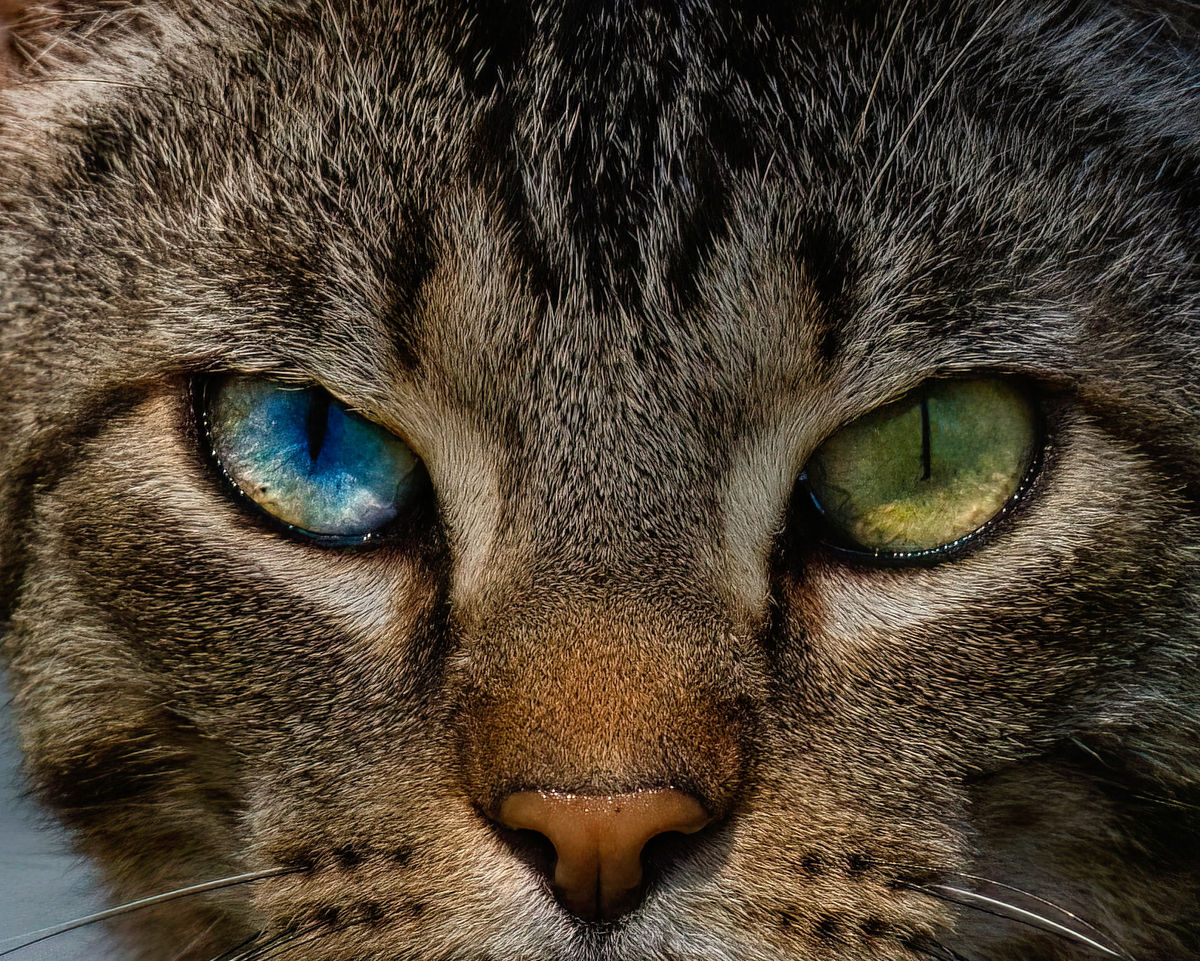
Healy stated, 'For us humans, a second is a very fast timescale; things like a glass falling to the floor or cars speeding down the street pass by so quickly that we can barely perceive them, but we can't grasp the details. However, a dragonfly might feel as if it's seeing the world in slow motion, like in ' The Matrix .' On the other hand, species with extremely poor time perception, such as starfish and snails, might feel that the world appears much blurrier. Even though the physical duration of a second is the same, how we perceive it depends on the speed at which organisms live.'
Related Posts: