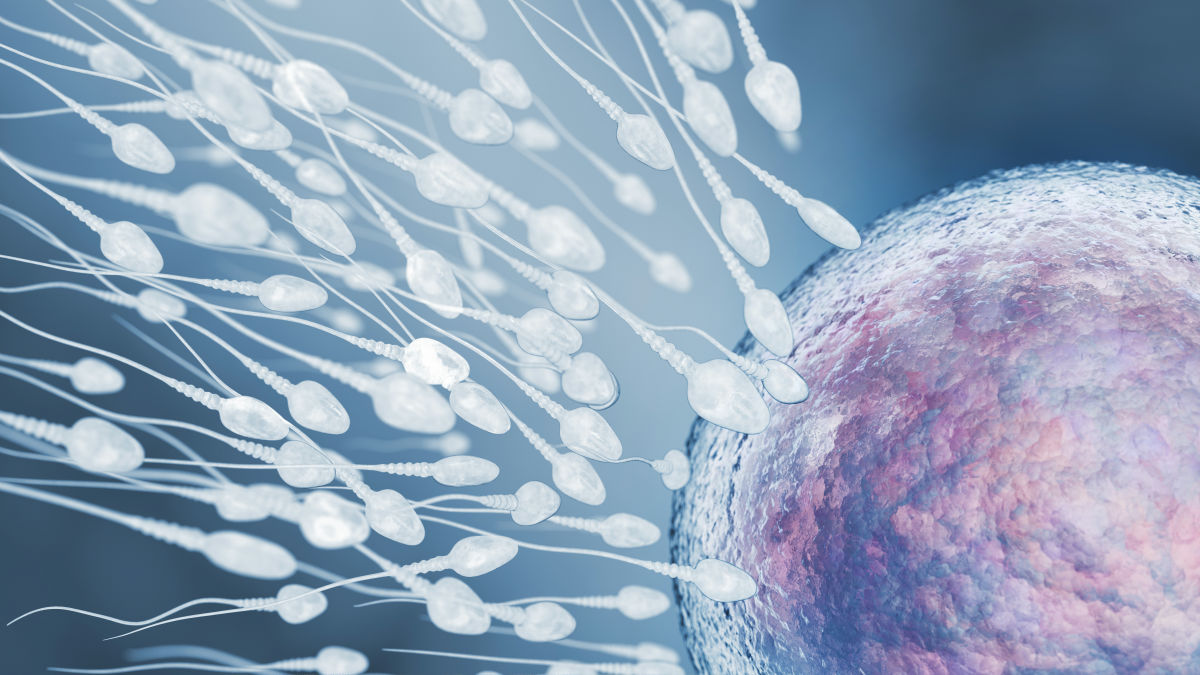
Research suggests that sperm motility is impaired in the microgravity environment of space, making reproduction difficult.
In recent years, momentum for space development has been rising globally, and in April 2026
Simulated microgravity alters sperm navigation, fertilization and embryo development in mammals | Communications Biology
https://www.nature.com/articles/s42003-026-09734-4
Astronauts may struggle to reproduce in outer space, study suggests — what does that mean for the future of space colonization? | Live Science
https://www.livescience.com/space/astronauts-may-struggle-to-reproduce-in-outer-space-study-suggests-what-does-that-mean-for-the-future-of-space-colonization
Previous studies have shown that a microgravity environment, close to zero gravity, inhibits estrogen (female hormone) production in female mice and reduces sperm count in male mice. However, what happens at the cellular level in sperm and eggs floating in near-zero gravity is not well understood.
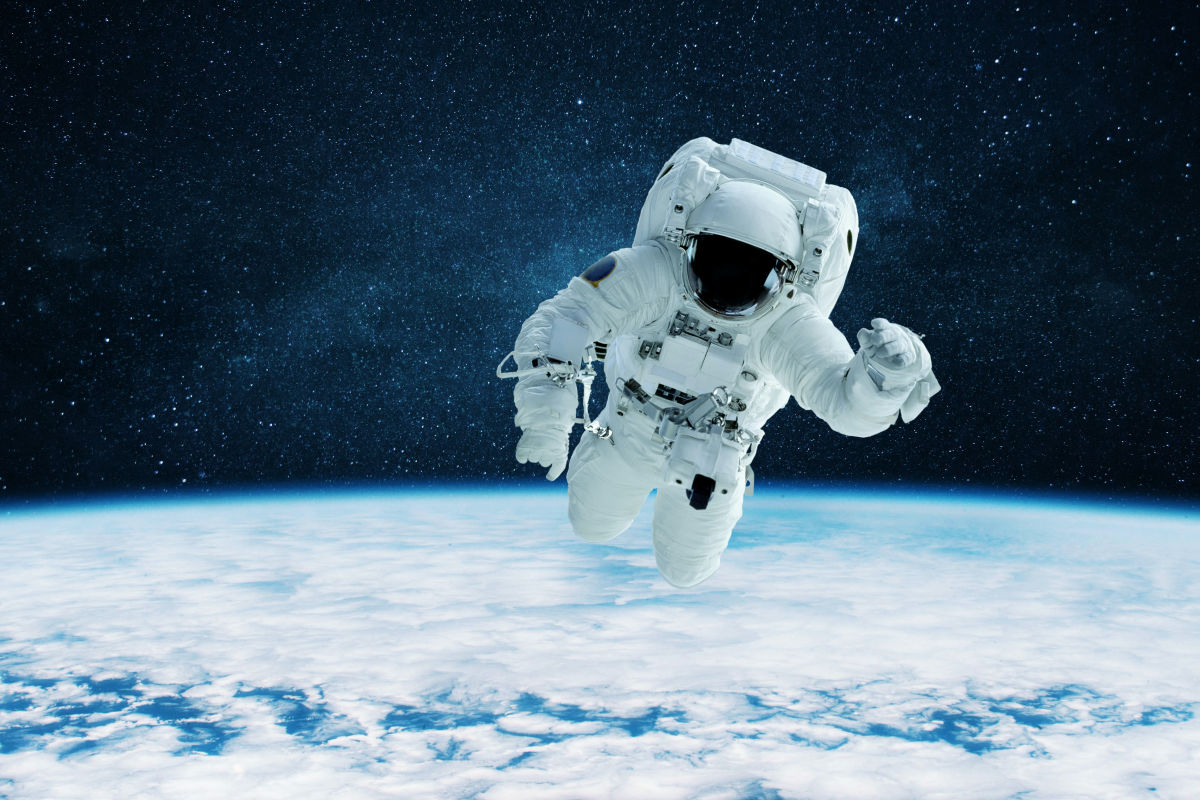
A research team at the University of Adelaide in Australia recreated a microgravity environment using a device called a clinostat (microgravity cell culture apparatus) and conducted experiments to investigate how microgravity affects sperm and eggs. A clinostat is a device that randomizes the direction of gravity by continuously rotating cells or samples in multiple directions, thereby depriving cells of the opportunity to settle or change orientation.
Dr. Nicole MacPherson , lead author of the paper and head of the sperm and embryo biology group at the University of Adelaide, wrote in an email to the science media outlet Live Science, 'From a cell's perspective, there is no consistent direction like 'up' or 'down'; it experiences a kind of continuous free fall. This is very similar to what living cells experience in the microgravity conditions of space.'
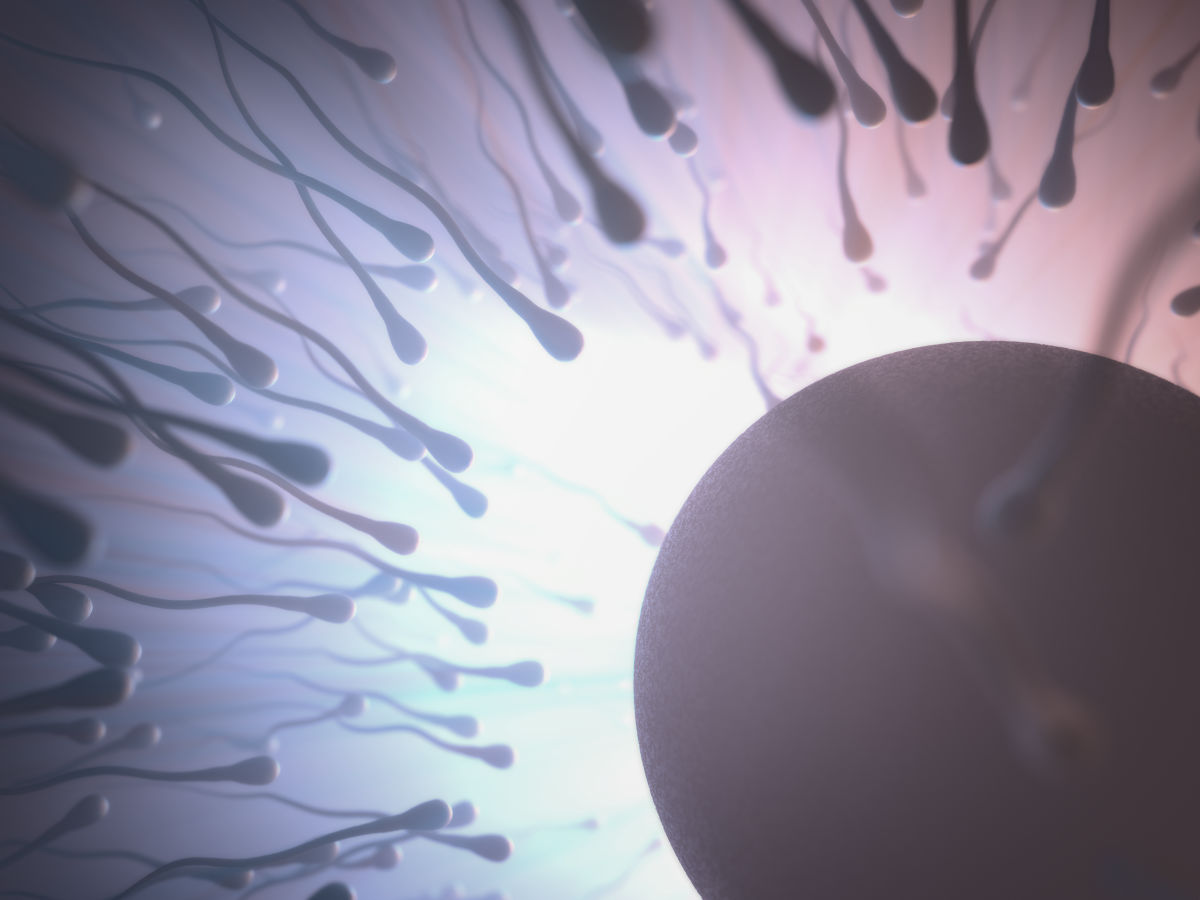
The research team placed human and mouse sperm into a small maze that mimicked the female reproductive system and recreated a microgravity environment using a clinostat. As a result, both human and mouse sperm were unable to navigate the maze as well as they could under Earth's gravity.
McPherson states, 'Many of the proteins found in sperm function as tiny molecular machinery that senses physical forces. If gravity is removed, these sensors will naturally cease to function properly, impairing the sperm's ability to orient itself and move.'
Furthermore, under Earth's gravity, the female reproductive organs generally produce progesterone after ovulation, sending chemical signals that help sperm travel towards the egg. To replicate this, the research team administered progesterone to human sperm in a microgravity environment, and found that it did have some effect in assisting sperm movement. However, the concentration of progesterone that helps sperm move in the right direction was much higher than the concentration that naturally occurs in the female reproductive system.
Next, the research team placed mouse and pig sperm and eggs in a microgravity environment to experiment with fertilization and subsequent embryonic development. The results showed that, compared to Earth's gravity, the fertilization success rate for mice decreased by 30% and for pigs by 15% in a microgravity environment. In addition, six days after fertilization, the pig embryos showed signs of delayed development.
After fertilization, the embryo needs to implant in the uterine wall, properly organize its cells, and form all the organs in the body, while the mother's placenta must also function normally throughout the pregnancy. It is said that a microgravity environment may disrupt one or all of these processes.
McPherson stated, 'From the moment a sperm begins its journey to the moment an embryo begins to develop, gravity appears to play a role that we are just beginning to unravel. Gravity is not just a background element for life, but is deeply embedded in the biological processes that create life.'
Related Posts:





in Science, Posted by log1h_ik