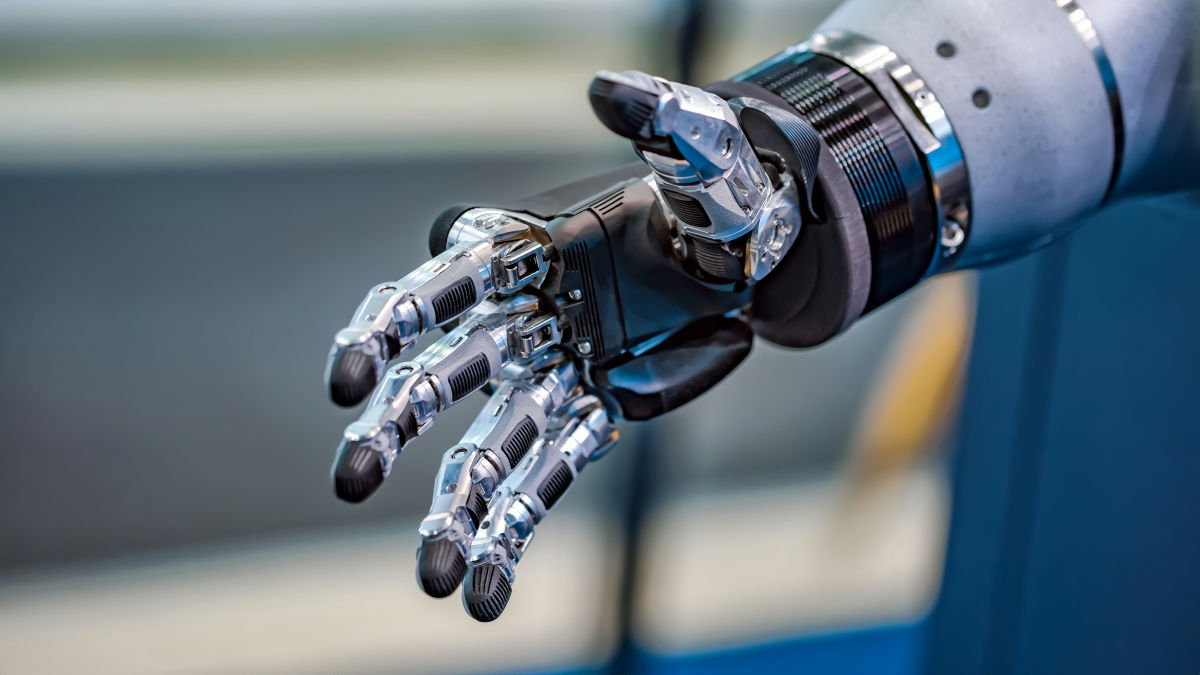
According to overseas reports, Japan is focusing on 'physical AI' due to labor shortages, and a hybrid model of startups and large corporations is emerging.
'
In Japan, the robot isn't coming for your job; it's filling the one nobody wants | TechCrunch
https://techcrunch.com/2026/04/05/japan-is-proving-experimental-physical-ai-is-ready-for-the-real-world/
Japan bets on robots to sustain economy amid aging population | Technology News - The Indian Express
https://indianexpress.com/article/technology/tech-news-technology/japan-bets-on-robots-to-sustain-economy-amid-ageing-population-10621516/
Japan bets $6.3 billion on physical AI — not to replace workers, but because there are none left to replace - Silicon Canals
https://siliconcanals.com/sc-n-japan-bets-6-3-billion-on-physical-ai-not-to-replace-workers-but-because-there-are-none-left-to-replace/
In Japan, where the long-term trend of a declining birthrate and the aging of society are becoming increasingly serious, labor shortages have long been a major challenge. The population has been decreasing for 12 consecutive years until 2024 , and the working-age population (15-64 years old) has remained below 60% of the total population since 2018.
Amidst this trend, physical AI, which combines industrial robots, automobiles, and other technologies with AI, is attracting attention. In March 2026, the Sanae Takaichi administration selected physical AI as one of the products and technologies for which public and private investment would be prioritized, and announced a policy to aim for a global market share of over 30% and capture a market worth approximately 20 trillion yen.
Given Japan's already strong position in the industrial robotics sector, physical AI may be considered a relatively promising area. However, TechCrunch points out that 'Japan's efforts in physical AI are driven primarily by necessity. Faced with a shrinking workforce and increasing pressure to maintain productivity, companies are increasingly deploying AI-powered robots in factories, warehouses, and critical infrastructure.' This suggests that the adoption of physical AI in Japan is also driven by the inevitability of having to cope with a shrinking workforce.
Torakichi Miyako, General Partner at Global Brain, a Japanese venture capital firm, commented, 'Physical AI is being introduced as a tool for business continuity. In other words, it's about how to maintain factories, warehouses, infrastructure, and service operations when the workforce is reduced. In my view, labor shortages are the main factor.'
Shotaro Yamanaka of venture capital firm Salesforce Ventures stated, 'The driving force has shifted from mere efficiency to the survival of industries. Japan faces physical supply constraints that prevent it from maintaining essential services due to labor shortages. Given the declining working-age population, the introduction of physical AI has become a national emergency in order to maintain industrial standards and social services.'
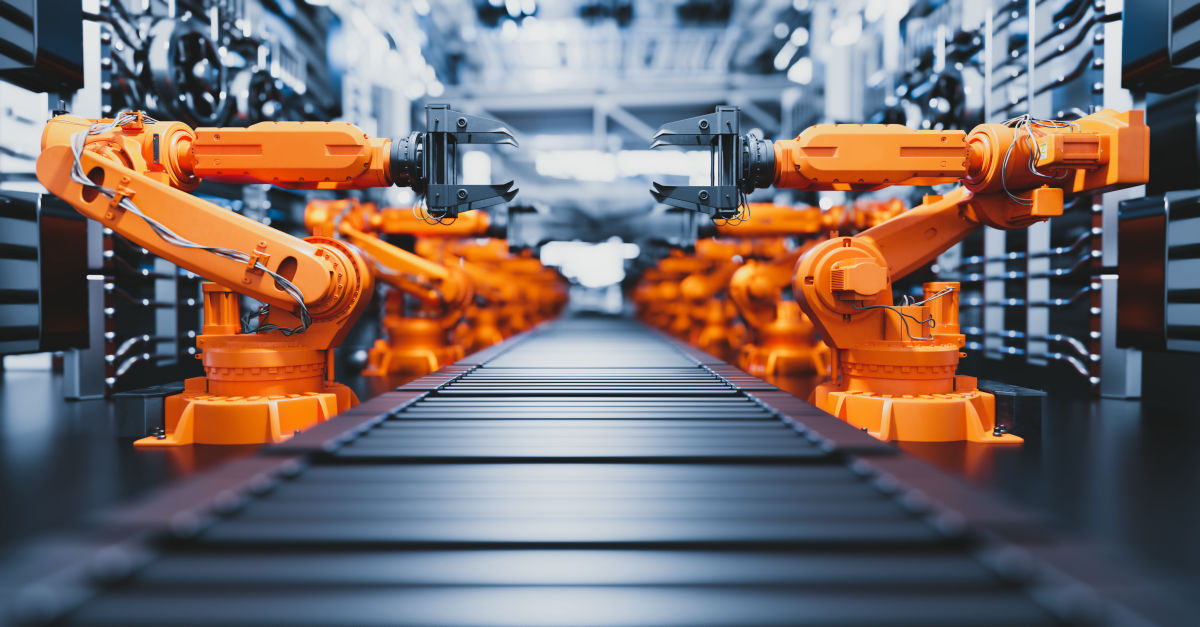
Japan excels in the physical components of robotics, but it remains unclear whether this advantage will translate to the age of AI. According to Japanese venture capitalists, Japan continues to have strengths in core robotics components such as actuators, sensors, and control systems, while the United States and China are advancing full-stack development that integrates hardware, software, and data.
Mr. Yamanaka stated, 'Japan's expertise in high-precision components—that is, in the crucial physical interface connecting AI and the real world—is a strategic strength. By controlling this interface, we can gain a significant competitive advantage in the global supply chain. Our current top priority is to accelerate system-level optimization by deeply integrating AI models into this hardware.'
Furthermore,
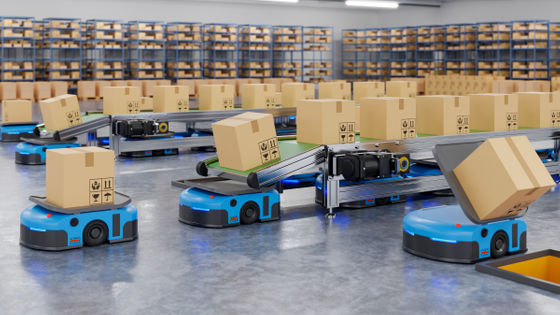
In Japan, the introduction of industrial robots to advance automation is already progressing, and this trend is particularly pronounced in the automotive sector. In addition, the introduction of automated forklifts and warehouse systems is progressing in the logistics sector, and inspection robots are being introduced in data centers and industrial facilities.
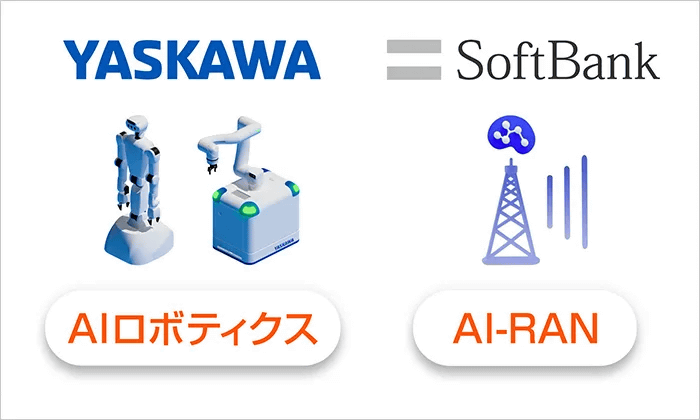
Furthermore, in December 2025, SoftBank and Yaskawa Electric agreed to collaborate on the social implementation of physical AI, utilizing SoftBank's ' AI-RAN ' system, which integrates AI and wireless base stations, and Yaskawa Electric's AI robotics. This is expected to enable robots to interpret their environment and autonomously perform complex tasks by combining visual language models and control systems.
TechCrunch highlights a key characteristic of Japan's physical AI ecosystem: the emergence of a 'hybrid model of startups and large corporations.' While large companies like Toyota and Mitsubishi Electric have strengths in manufacturing scale and deployment capabilities, startups have the potential to play a crucial role in emerging fields such as automation software and perception systems.
Yamanaka told TechCrunch, 'The relationship between startups and established companies is a mutually complementary ecosystem. Robotics requires advanced hardware development, deep operational know-how, and significant capital investment. By combining the vast assets and expertise of large corporations with the disruptive innovation of startups, we can strengthen the global competitiveness of the entire industry.'
Related Posts: