What would happen if you put a Venus flytrap, a carnivorous plant, into a particle accelerator?
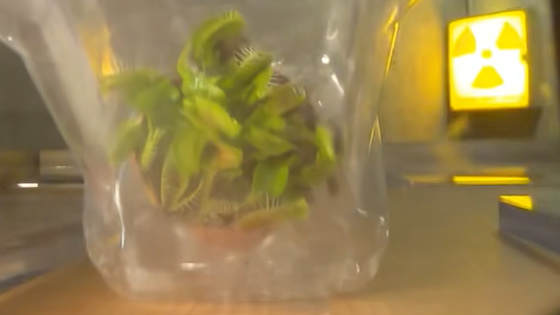
Particle Accelerator VS. Plant - YouTube
Venus Flytrap Takes Ride Through A Particle Accelerator | Hackaday
https://hackaday.com/2026/03/23/venus-flytrap-takes-ride-through-a-particle-accelerator/
Electron Impressions, a YouTube channel that publishes various videos using particle accelerators, explained the results of an experiment on what happens when a Venus flytrap is placed in a particle accelerator. While previous experiments have investigated the effects of radiation on inorganic materials such as acrylic, calcium, Elmo plush toys, and salts, experiments directly observing the effects on organic matter and living organisms have not been conducted due to ethical concerns. Therefore, in this experiment, the Venus flytrap was chosen as 'a living organism that responds to stimuli, but is far from being an organism with sentience.'

When the hairs on the inside of a Venus flytrap's leaf are touched, calcium ions flow into the cells, causing an electrical change. This electrical signal propagates like a wave to surrounding cells, triggering the movement of potassium and chloride ions. As a result, the osmotic balance inside and outside the cell changes, and the movement of water deforms the leaf structure, causing the open Venus flytrap to snap shut.
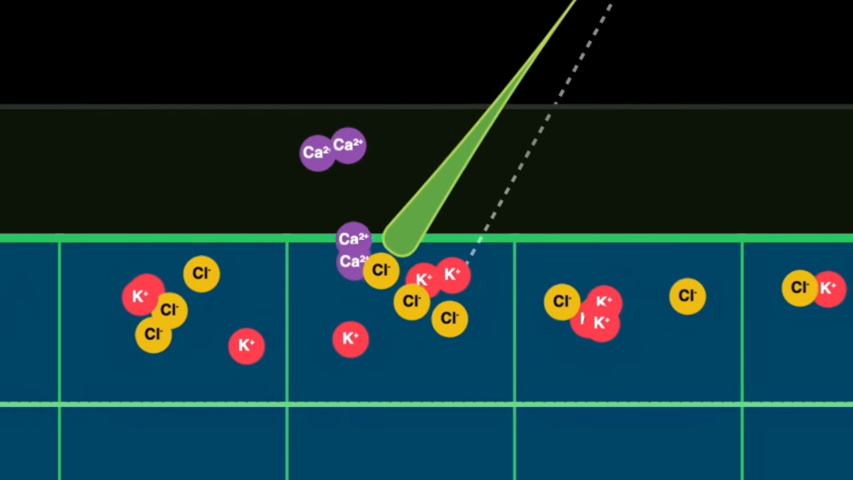
This experiment focused on this 'mechanism driven by ions' and investigated whether ionizing radiation emitted from a particle accelerator could produce a similar effect. It was predicted that ionizing radiation would generate a large amount of random ions within the cells, which could activate the Venus flytrap's trap even without physical stimulation.
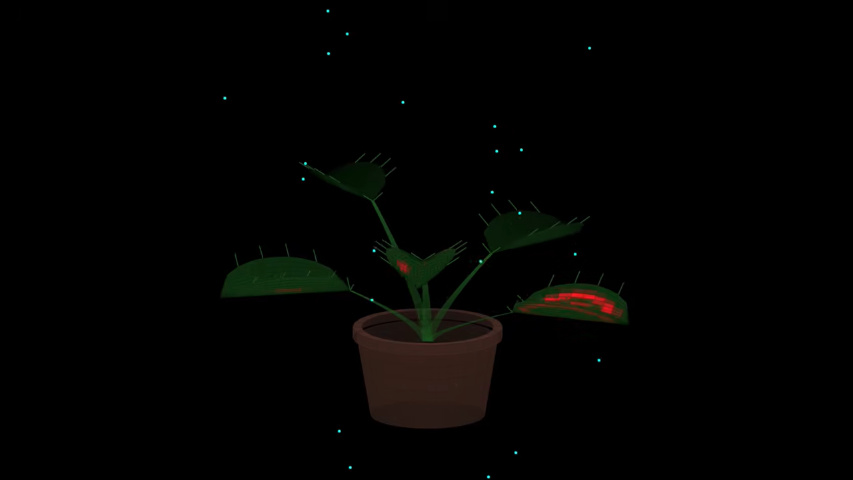
In the experiment, a Venus flytrap was placed directly in front of a radiation-shielded GoPro camera to capture the reaction caused by the particle accelerator beam.
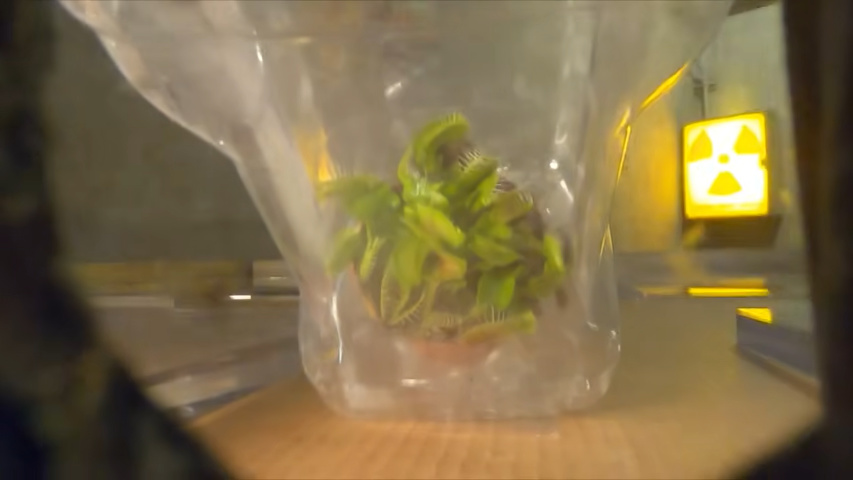
When we actually passed a Venus flytrap through the accelerator beam, we observed that all of its open leaves closed almost simultaneously, just as we had predicted.
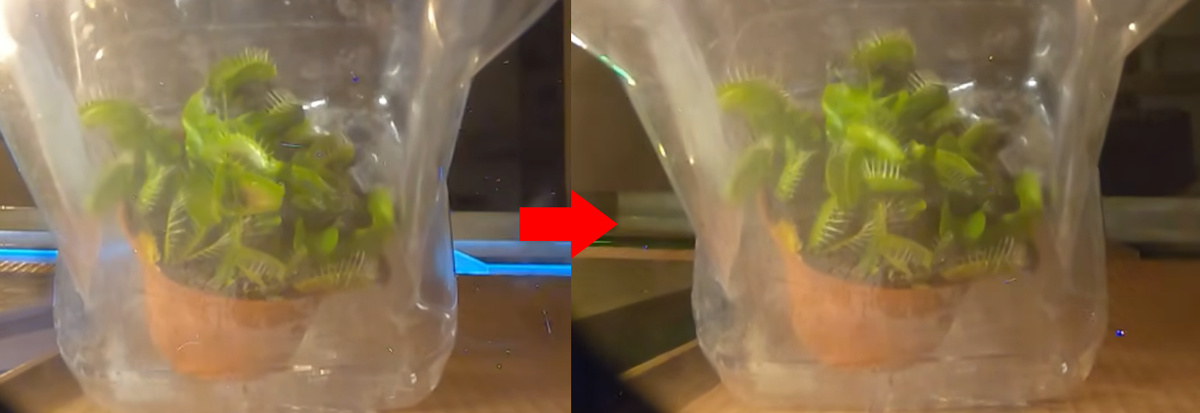
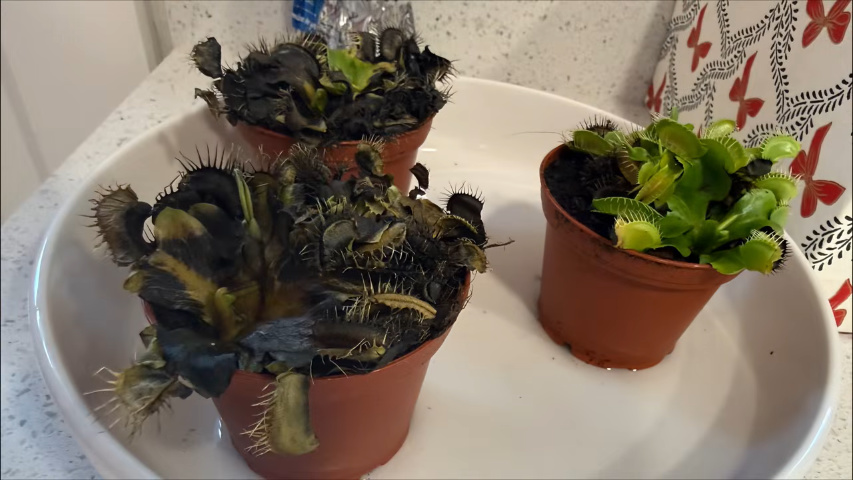
Furthermore, while leaves that have closed accidentally normally reopen after several hours to several days, the closed leaves in this experiment did not recover. Below, the left image shows a Venus flytrap that was irradiated with a particle accelerator beam, and the right image shows a Venus flytrap that closed its leaves when touched. The Venus flytrap that closed its leaves through normal operation gradually reopened over time, while the Venus flytrap that was irradiated with a particle accelerator beam gradually turned black.
The reason Venus flytraps become inactive after being irradiated with a particle accelerator beam is not due to the ions that close their leaves, but rather to '
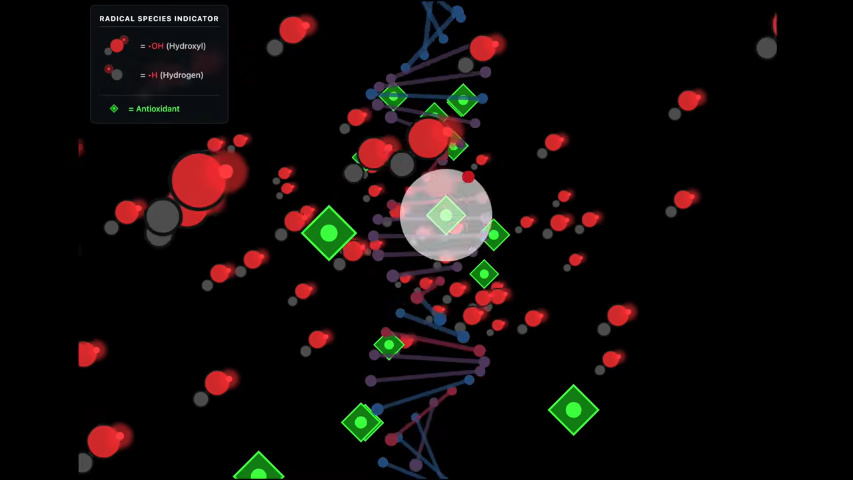
This experiment not only confirmed the operating principle of the Venus flytrap using ionizing radiation, but also demonstrated the biological effects of radiation.
Related Posts:



in Free Member, Video, Science, Posted by log1e_dh