'Ancient coins' minted over 2,000 years ago were used to pay modern bus fares
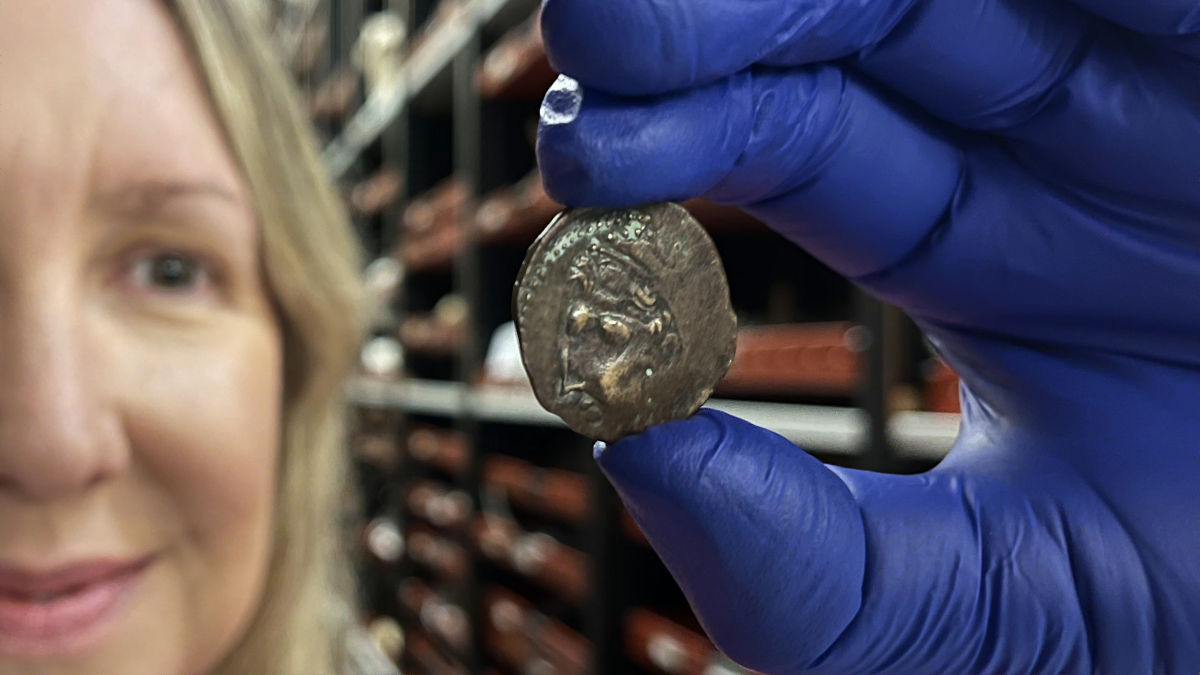
When checking the contents of donation boxes or sales at cash-based sales events, you may occasionally find foreign currency mixed in, making you wonder, 'Why is this here?' A mysterious coin used to pay bus fares in the UK in the 1950s was discovered decades later to be an ancient coin minted by
Fare to say ancient coin has traveled through time
https://news.leeds.gov.uk/news/fare-to-say-ancient-coin-has-travelled-through-time
2,000-year-old Phoenician coin was used as bus fare in England, but 'how it got there will always be a mystery' | Live Science
https://www.livescience.com/archaeology/2-000-year-old-phoenician-coin-was-used-as-bus-fare-in-england-but-how-it-got-there-will-always-be-a-mystery
In the 1950s, James Edwards, a cashier at Leeds Transport in England, would regularly collect and tally fares from bus and tram drivers. He would sometimes remove any unacceptable coins, counterfeit coins, or foreign coins that could not be counted as revenue, and give them to his grandson, Peter.
'My grandfather would remove any coins he came across that weren't made in the UK, and when I visited he would give me some of them,' Peter, 77, recalled. 'It was early in the war, so I think soldiers were bringing coins back from their home countries. Neither of us were big coin collectors, but we were fascinated by their origins and the designs on them. They were treasures to me.'
Decades later, Peter became fascinated by a strange coin whose origins had long been unknown, and set out to uncover its origins. After diligent research, he discovered that the coin was minted in Gadir (now Cádiz ), a city under the Carthaginian empire that expanded its power across the western Mediterranean more than 2,000 years ago.
Cadiz is located in the southern part of the Iberian Peninsula and was founded by the Phoenicians in the 12th century BC as the first colony in Western Europe. Later, in the 3rd century BC, it came under Carthaginian control during the First Punic War between Rome and Carthage, and less than a century later it was ruled by Rome.
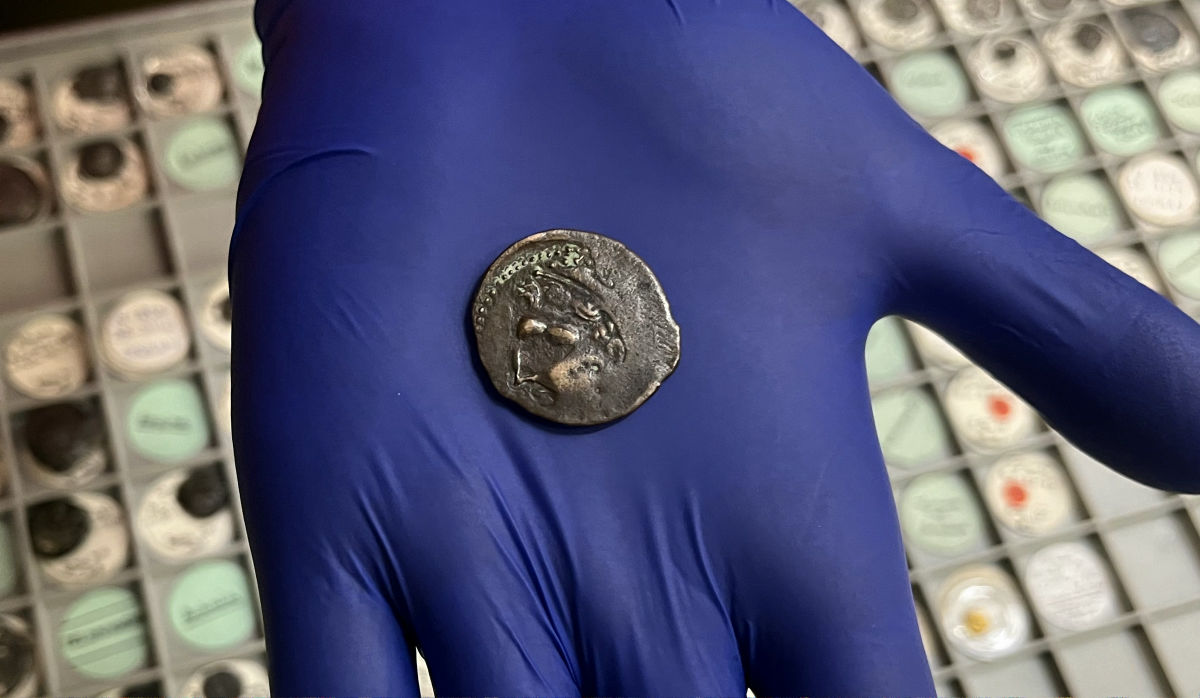
The coin's origins are revealed below. The coin is made of bronze and features the face of Melqart , a Phoenician god and the chief deity of Carthage and Cadiz. Melqart is also considered to be the same as Hercules in Greek mythology, and this coin also wears a lion's head, just like Hercules in mythology.
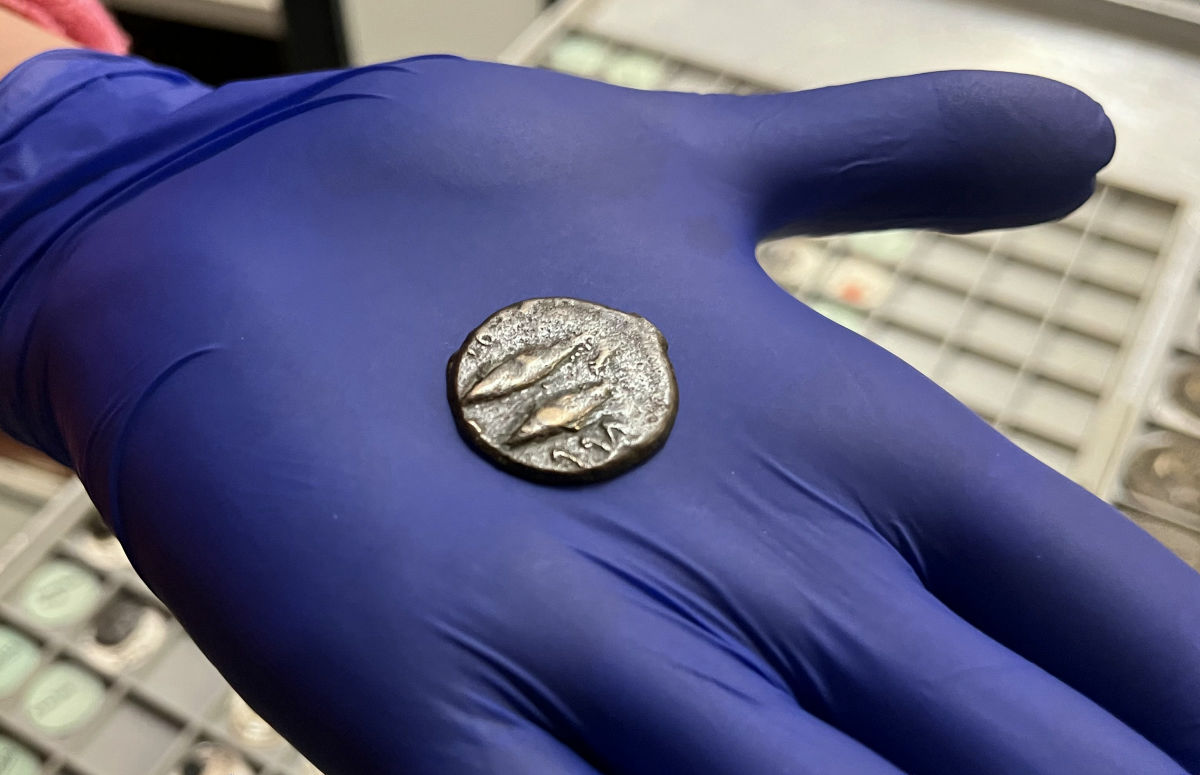
The reverse features two fish, likely
Once Peter realised the coin's age and importance he contacted Leeds Museum and Art Gallery to donate it as part of the museum's ancient currency collection.
Peter said: 'It's difficult to know where this coin came from and it's always intrigued me. When I first learned of its origins I thought I'd like to return it to a laboratory where anyone could examine it, and Leeds Museum and Art Gallery has kindly offered to provide a good home for it. 'My grandfather would be as proud as I am that this coin has returned to Leeds, but how it got here will forever remain a mystery.'
Salma Arif, Leeds City Council's Executive Member for Adult Social Care, Active Lifestyles and Culture, said: 'It is amazing to imagine that such a small piece of history, from an ancient civilisation thousands of years ago, somehow found its way to Leeds and into our collection. Museums like ours don't just preserve objects, but by telling stories like these we encourage visitors to consider the history that lies close to home, sometimes in the most unexpected places.'
Related Posts:

in Free Member, Note, Posted by log1h_ik