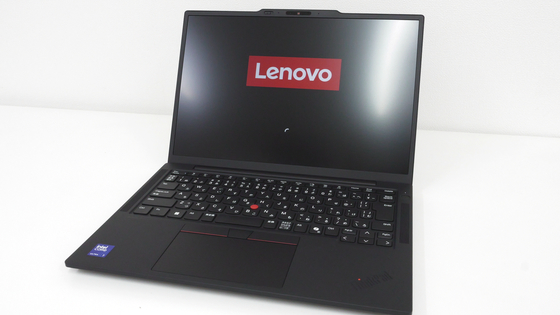
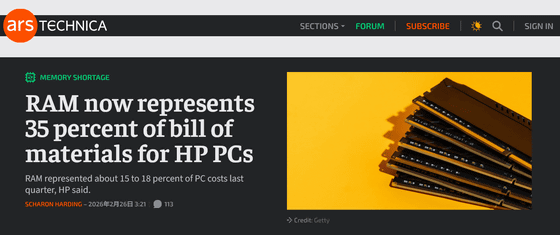
The rising cost of memory means that it now accounts for 35% of the cost of a PC.
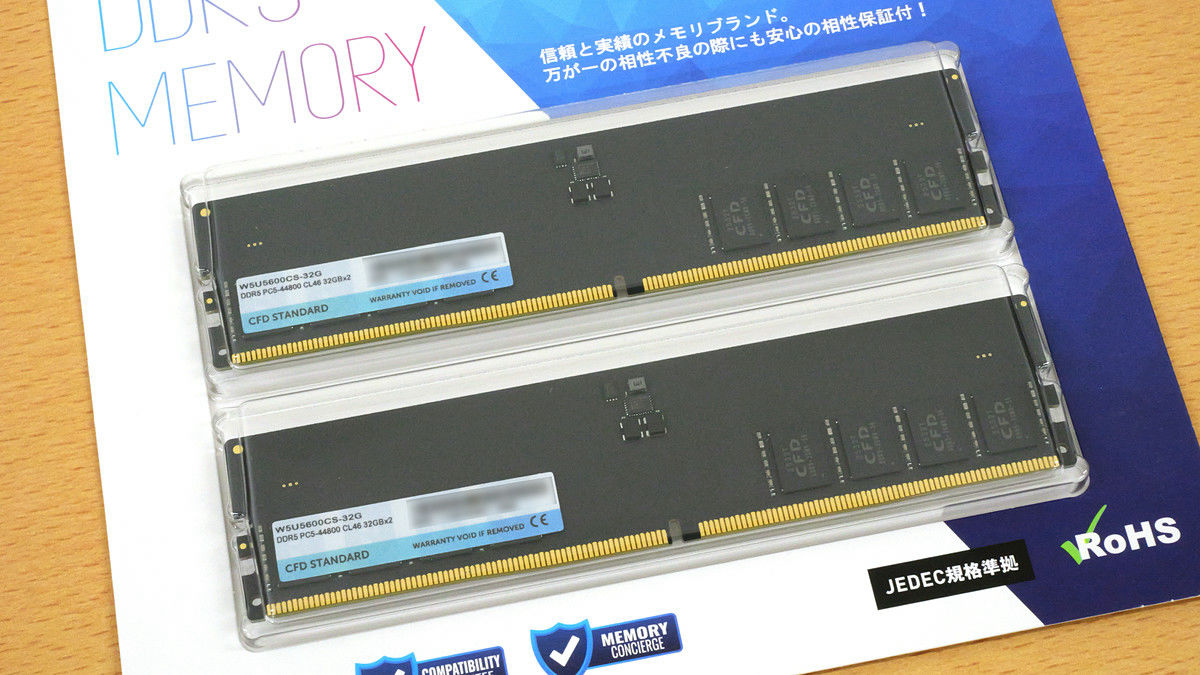
Memory prices have been rising since mid-2025, and with demand for AI continuing to grow, supply shortages are expected to continue into 2026. As an example of the severity of rising memory costs, US-based PC manufacturer
RAM now represents 35 percent of bill of materials for HP PCs - Ars Technica
https://arstechnica.com/gadgets/2026/02/ram-now-represents-35-percent-of-bill-of-materials-for-hp-pcs/
HP Inc. (HPQ) Q1 2026 Earnings Call Transcript | Seeking Alpha
https://seekingalpha.com/article/4874214-hp-inc-hpq-q1-2026-earnings-call-transcript
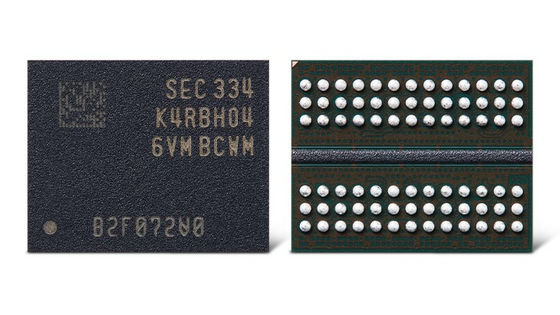
According to market research firm Counterpoint, memory prices are expected to rise 80-90% between the end of 2025 and 2026 due to a sharp rise in the price of DRAM used in servers. HP is also facing rising memory costs, primarily due to rising prices of NAND flash memory used in DRAM and SSDs. 'We expect this volatile environment to continue through fiscal year 2026 and possibly into fiscal year 2027,' said Bruce Brassard, interim CEO and director of HP.
HP Chief Financial Officer Karen Parkhill detailed the company's first-quarter 2026 results. HP's first-quarter 2026 results increased 7% year over year, and 5% on a constant currency basis, with growth across all regions. In the consumer market, volume and revenue grew 14% and 16%, respectively, exceeding expectations. Parkhill noted this was 'largely due to stimulating demand to offset the impact of rising memory prices.'
Furthermore, when asked during the earnings call, 'What is the impact of rising memory costs in the first quarter of 2026?' Parkhill replied, 'Memory costs have increased approximately 100% quarter-over-quarter, and we expect that to increase further as we move into the fiscal year. More specifically, last quarter we announced that memory and storage costs accounted for approximately 15% to 18% of PC component costs, and now we expect that to be approximately 35% for the full year. We expect this impact to be even greater in the second half of 2026.'
HP's AI PC shipments are expected to grow significantly, accounting for more than 35% of PC shipments in the first quarter of 2026. AI PCs require larger RAM capacity than conventional PCs to run AI functions in local environments, which is likely contributing to higher memory costs per unit.
Brassard outlined three key strategies to mitigate rising memory prices. First, on the supply side, he reported that the company has leveraged its strong relationships with suppliers to sign long-term contracts to meet growing memory demand. Second, on the cost side, he said that the company is reducing logistics costs as part of a company-wide AI utilization program. Third, Brassard said that the company is working to build a supply system that meets customer needs by reviewing its product mix and shaping demand.
Regarding the creation of a supply system tailored to customer needs, Ketan Patel, general manager of HP's Personal Systems Division, said, 'By offering a variety of options to our customers, we will ensure a balance between supply and demand and also want to introduce configurations with lower memory capacities.' He explained that the company is also considering releasing lower-priced products with reduced specifications to address memory shortages.
Related Posts: