Could a biocomputer made from human brain cells play DOOM?
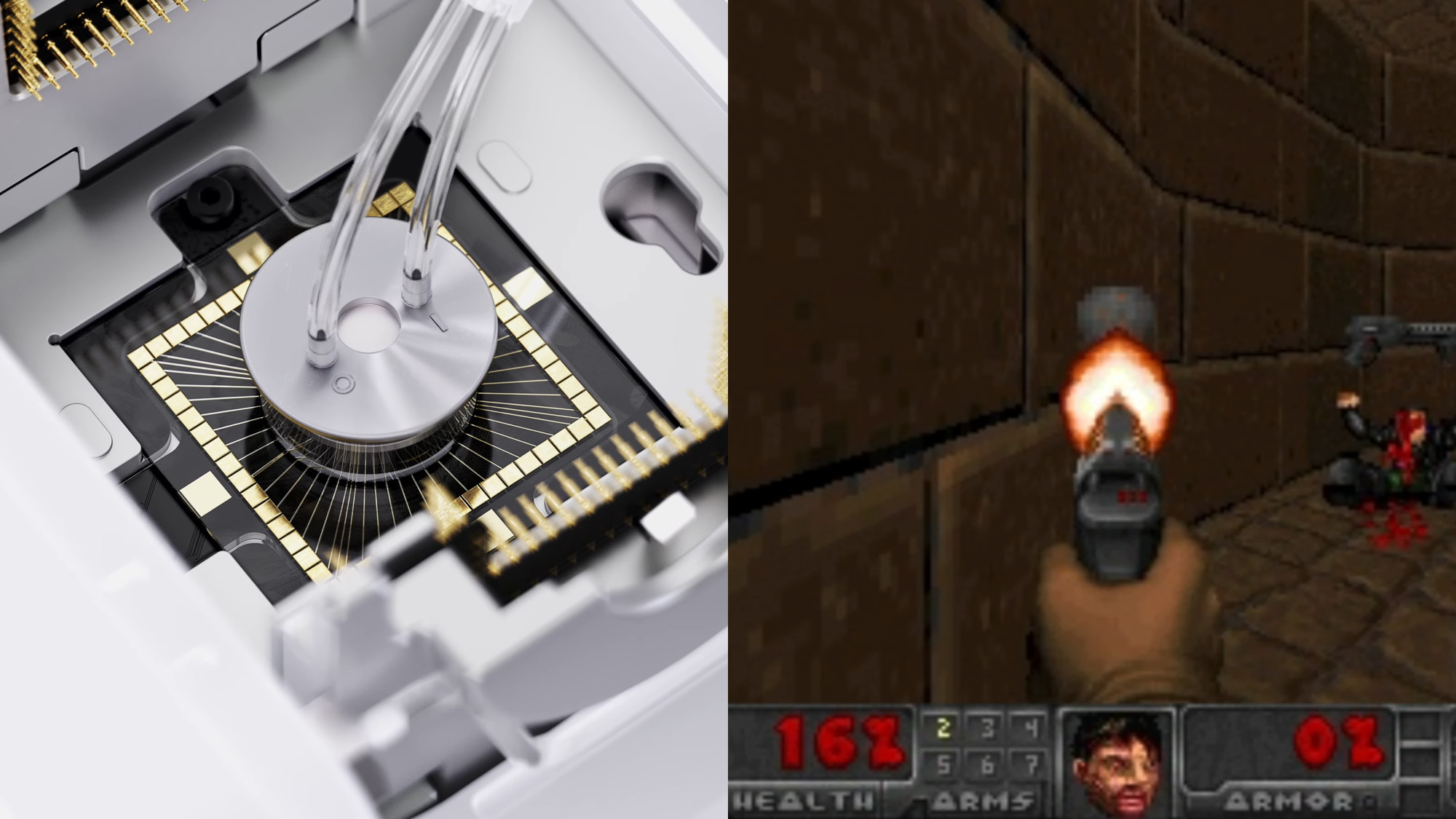
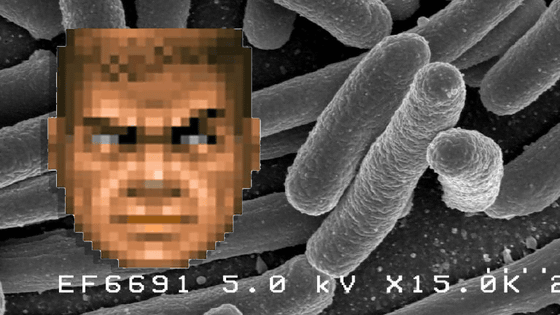
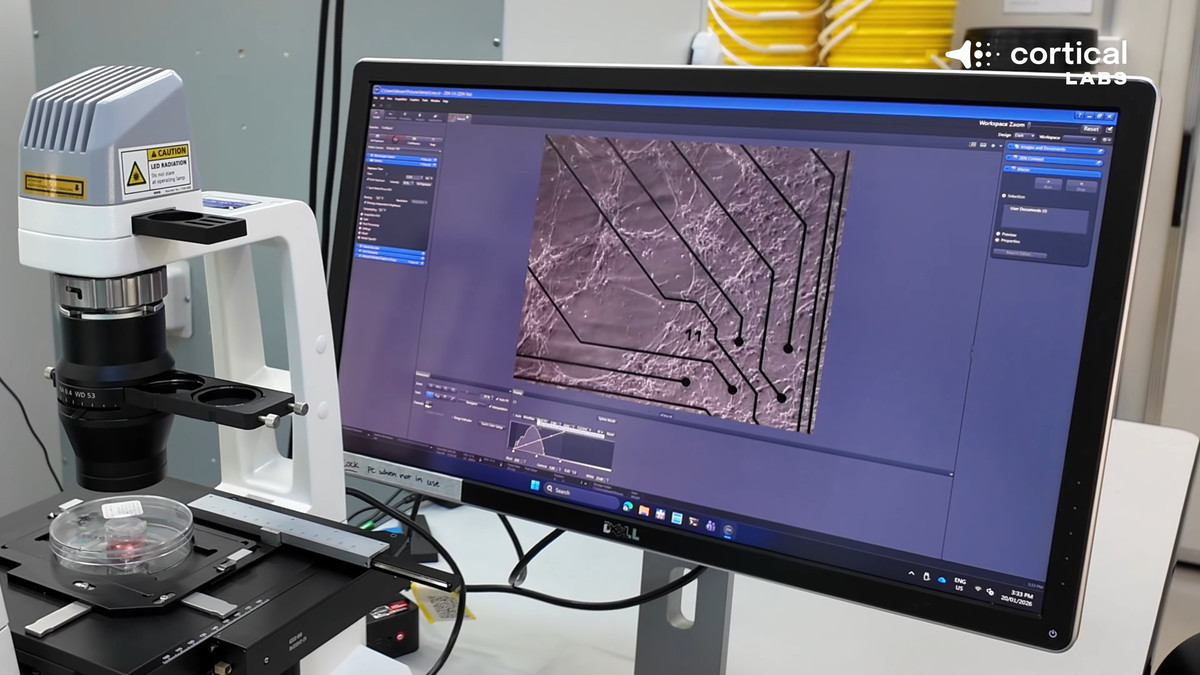
Cortical Labs, an Australian startup developing the world's first commercial biocomputer 'CL1,' which connects human brain neurons cultured from iPS cells to a silicon chip, is attempting to teach the computer to play the FPS game '
Living Human Brain Cells Play DOOM on a CL1 - YouTube
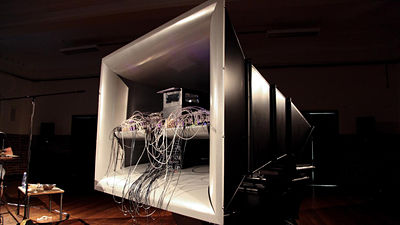
CL1 is the world's first commercially available biocomputer, announced by Cortical Labs in 2025. It connects cultured human brain neurons to a silicon chip and can perform calculations using neural networks, including AI.
The world's first commercial biocomputer using human brain cells has appeared - GIGAZINE
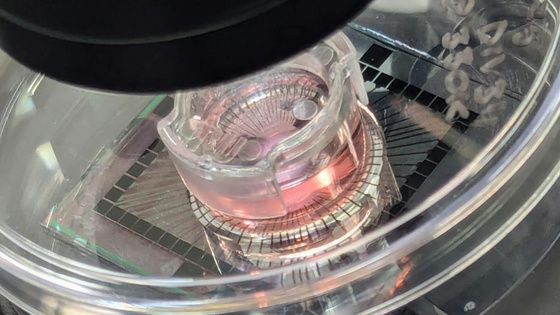
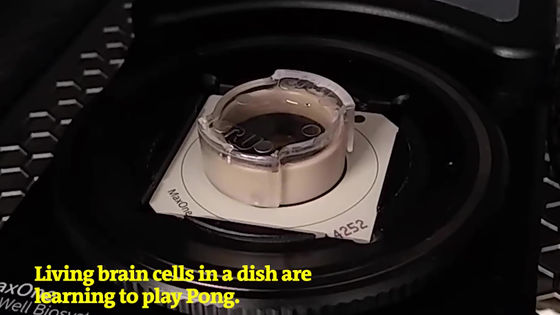
Before completing the CL1, in 2021, Cortical Labs built the 'DishBrain system,' which allows human brain neurons differentiated from iPS cells to interact with machines, and successfully performed the single-player mode of the table tennis game 'PONG' on this DishBrain system.
You can see the DishBrain system actually playing PONG in the movie below. PONG demonstrates 'adaptive real-time goal-oriented learning,' and it took more than 18 months to build the software and hardware.
Human brain cells in a dish learn to play Pong - YouTube
On the other hand, when people on the Internet heard this news, they were inundated with questions such as, 'Will I be able to play DOOM?'

While PONG only requires moving a bar up and down, DOOM requires moving forward, backward, left and right in 3D space and defeating enemies, making it much more complex. To address this, Cortical Labs built a neural network system called the 'Cortical Cloud.' They also developed the 'CL API,' which allows anyone to program CL1 using Python.

Using the CL API, independent researcher Sha was able to map game footage to electrical stimulation patterns.
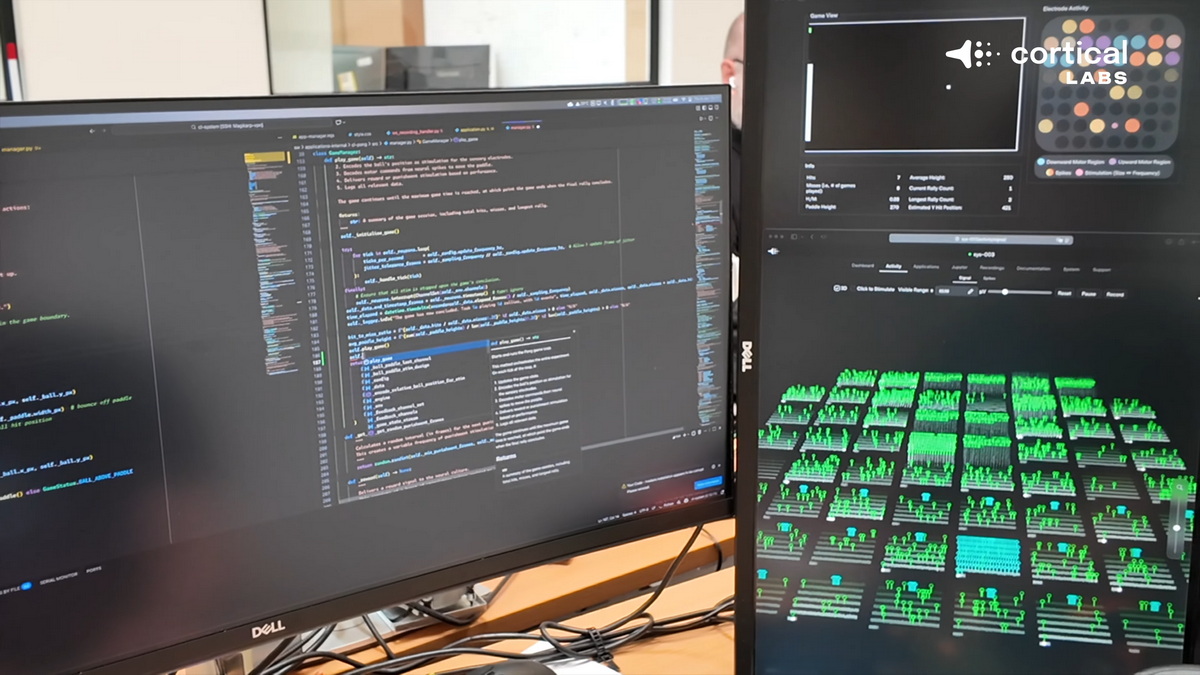
For example, when an enemy appears on the left side of the screen, certain electrodes stimulate the sensory areas of the nerves on the left side.
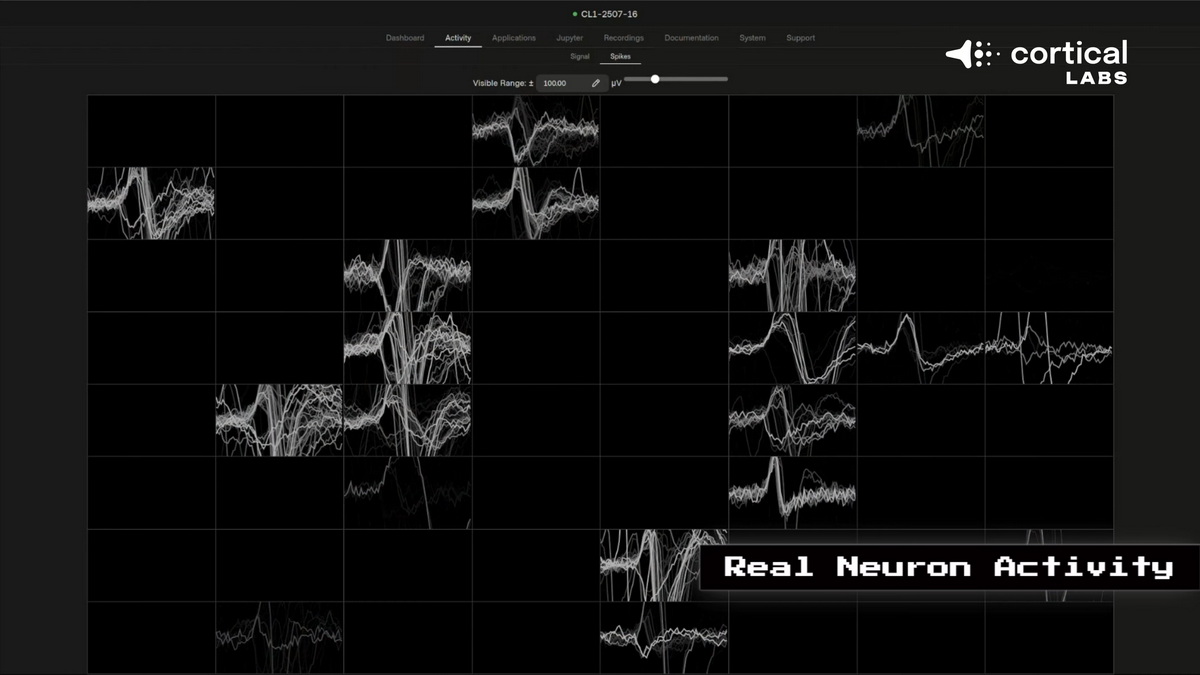
The neuronal responses to these stimuli are converted into motor commands, which are assigned to shooting in a certain pattern, moving right in another, and so on, allowing you to play DOOM.
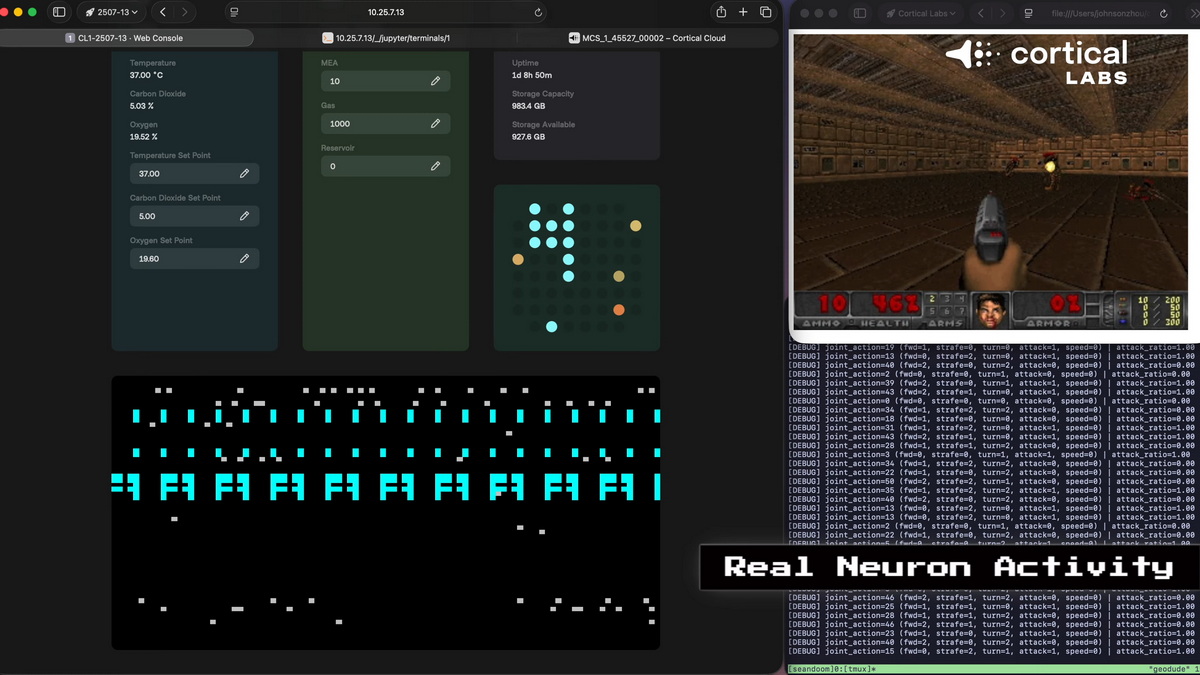
Once the API was in place, Sha implemented a DOOM learning environment on Cortical Cloud in just one week, and began experimenting. At the time of writing, beginners were often defeated quickly, but Cortical Labs says the learning effect is evident, such as finding and shooting enemies.
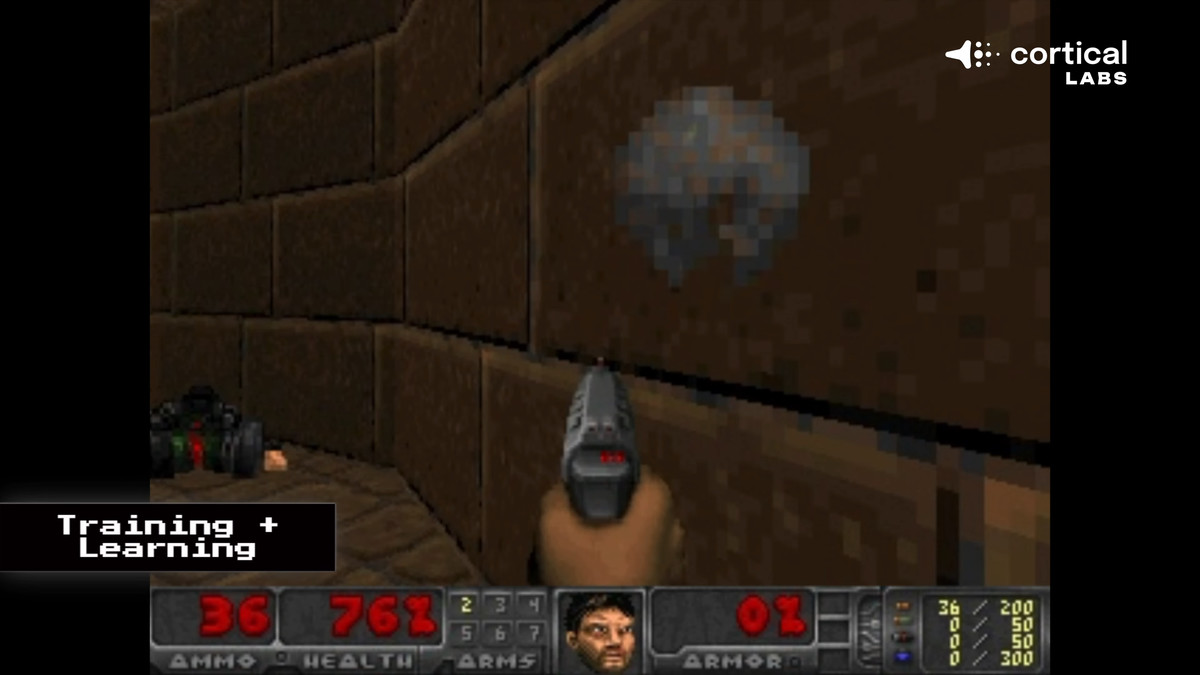
Cortical Labs believes that even with complex tasks like DOOM, they have succeeded in sending digital information to cells as electrical impulses, reading the response, and returning it to the cells for operation, so they have at least solved the input/output connection itself.
He then said, 'The next challenge is to design learning strategies to improve your skills,' and predicted that by improving how information is encoded, how rewards and feedback are given, and how reactions are interpreted, players should be able to play DOOM better.
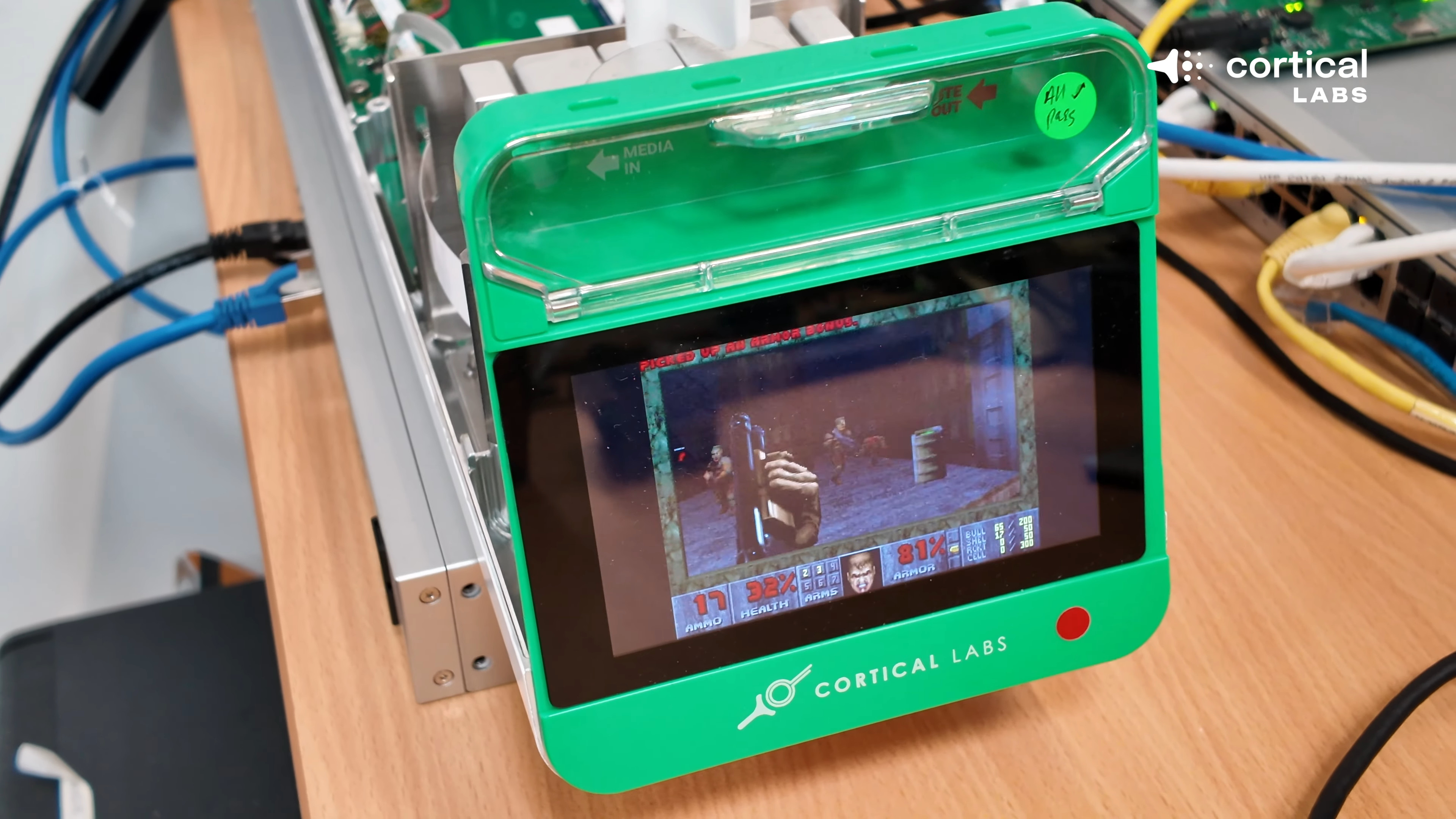
The code developed to make CL1 play DOOM is available on GitHub under the GPL-3.0 license.
GitHub - SeanCole02/doom-neuron: Human brain cells play Doom (CL1)
https://github.com/SeanCole02/doom-neuron
Related Posts: