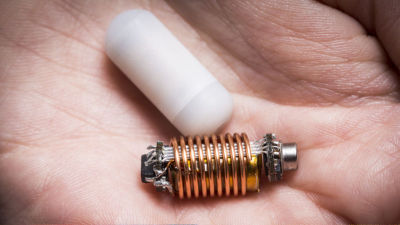
'Smart underwear' developed to measure the quantity and quality of human flatus, detecting farts and tracking hydrogen concentration via Bluetooth
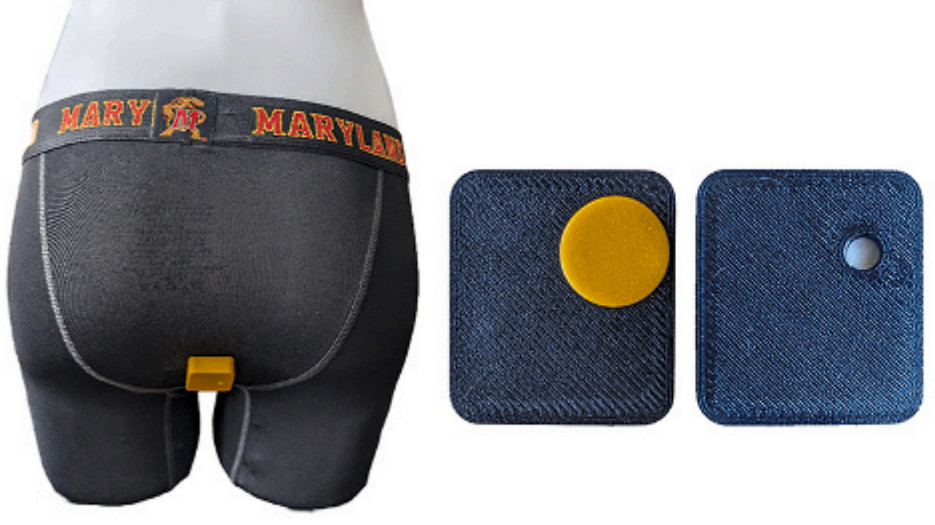
A research team at the University of Maryland has developed 'smart underwear that continuously monitors human gas emissions and visualizes the metabolic activity of gut bacteria.' By tracking the concentration of hydrogen in gases, this device allows for non-invasive, real-time monitoring of changes in the gut environment during daily life. Its key feature is its ability to accurately record the response of gut bacteria to diet and environmental changes on an hourly basis, something that is difficult to achieve with conventional self-reporting or invasive testing methods.
Smart underwear: A novel wearable for long-term monitoring of gut microbial gas production via flatus - ScienceDirect
UMD Scientists Create 'Smart Underwear' to Measure Human Flatulence | UMD Department of Cell Biology & Molecular Genetics
https://cbmg.umd.edu/news-events/news/brantley-hall-umd-scientists-create-smart-underwear-measure-human-flatulence
The developed smart underwear is a small wearable device equipped with two electrochemical sensors for detecting hydrogen, a microcontroller, an accelerometer, a silver battery, and other components.
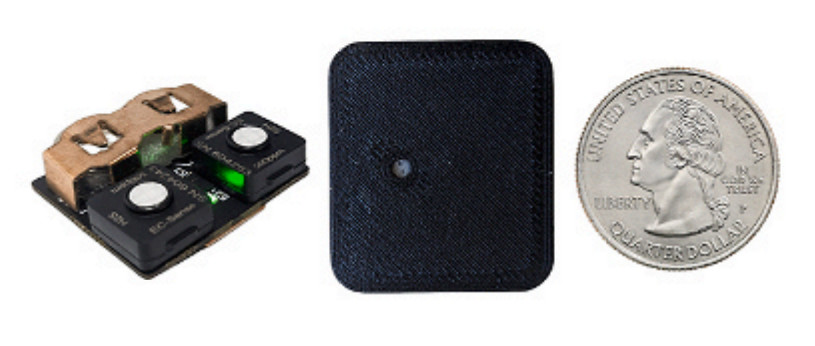
This wearable device can be fastened to the outside of commercially available underwear near the perineum.
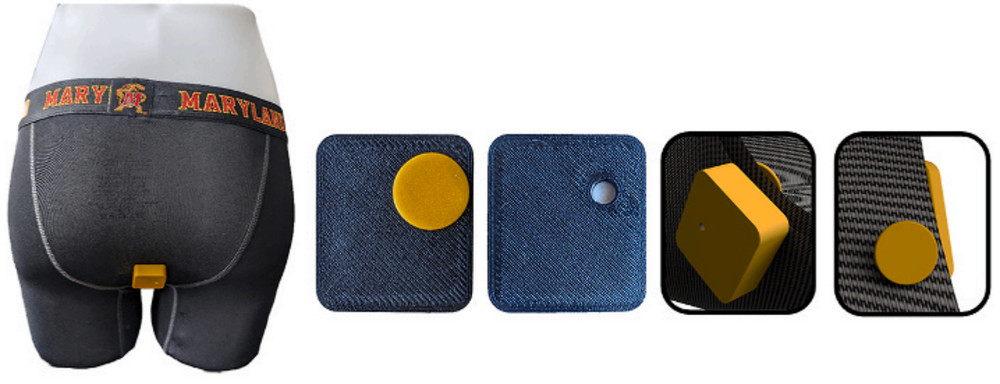
When a fart is released from the anus, the sensor detects the signal, records the data, and sends it to a smartphone via Bluetooth.
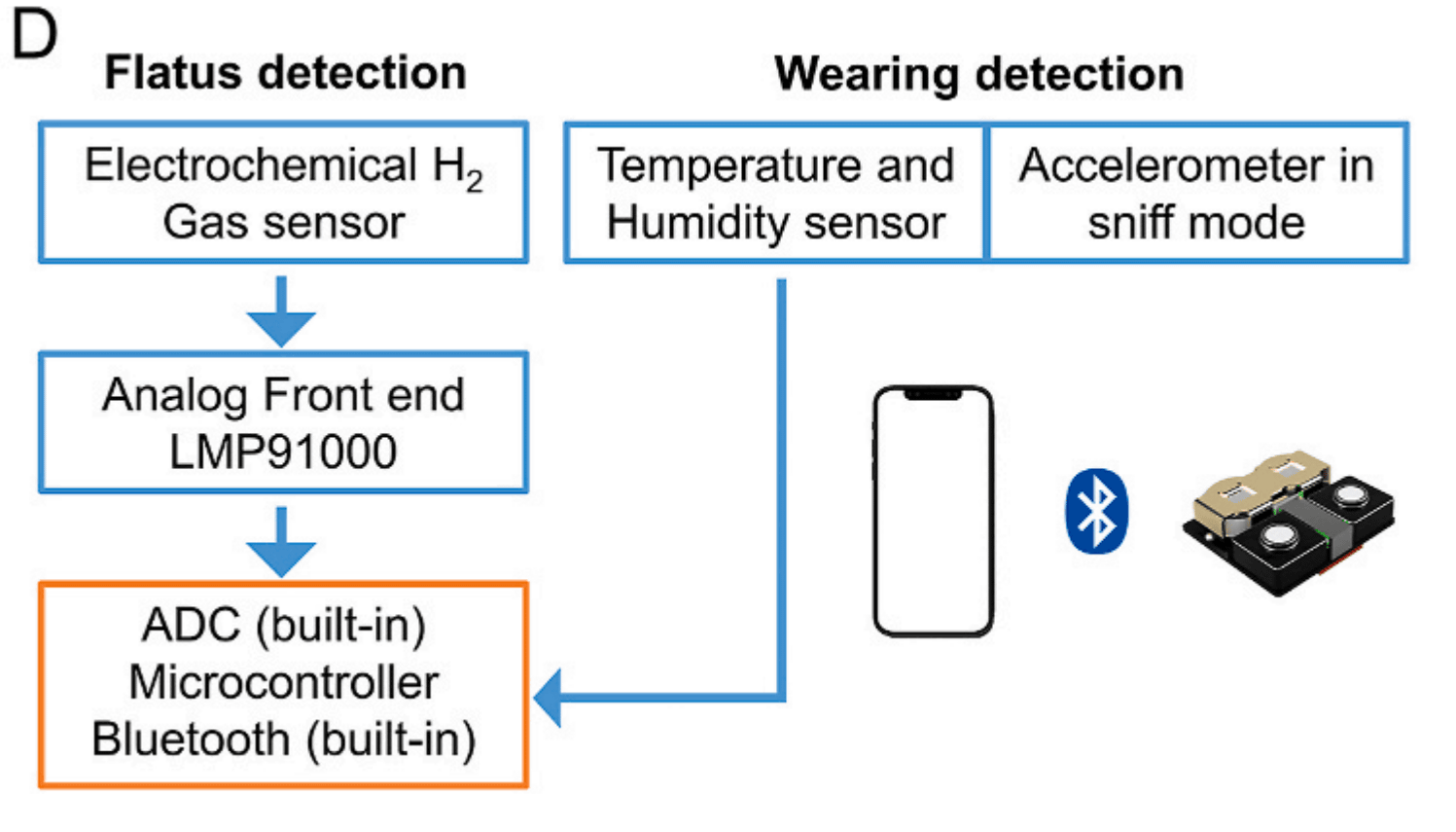
The research team developed a unique index called the 'Microbiome Activity Index (MAI)' that combines not only the frequency of gas but also the intensity and rate of change of gas emissions, and succeeded in quantifying the activity of gut bacteria.
In a study conducted on 38 healthy adults, participants first maintained a low-fiber, low-FODMAP diet for two days to minimize intestinal fermentation. From the third day onwards, the control group consumed regular gummies containing sugars that are easily absorbed in the small intestine and do not easily become food for intestinal bacteria, while the intervention group consumed gummies containing 6g of
Assistant Professor Brantley Hall and his team are launching a 'Human Flatus Atlas' project in the United States, targeting volunteers aged 18 and over.
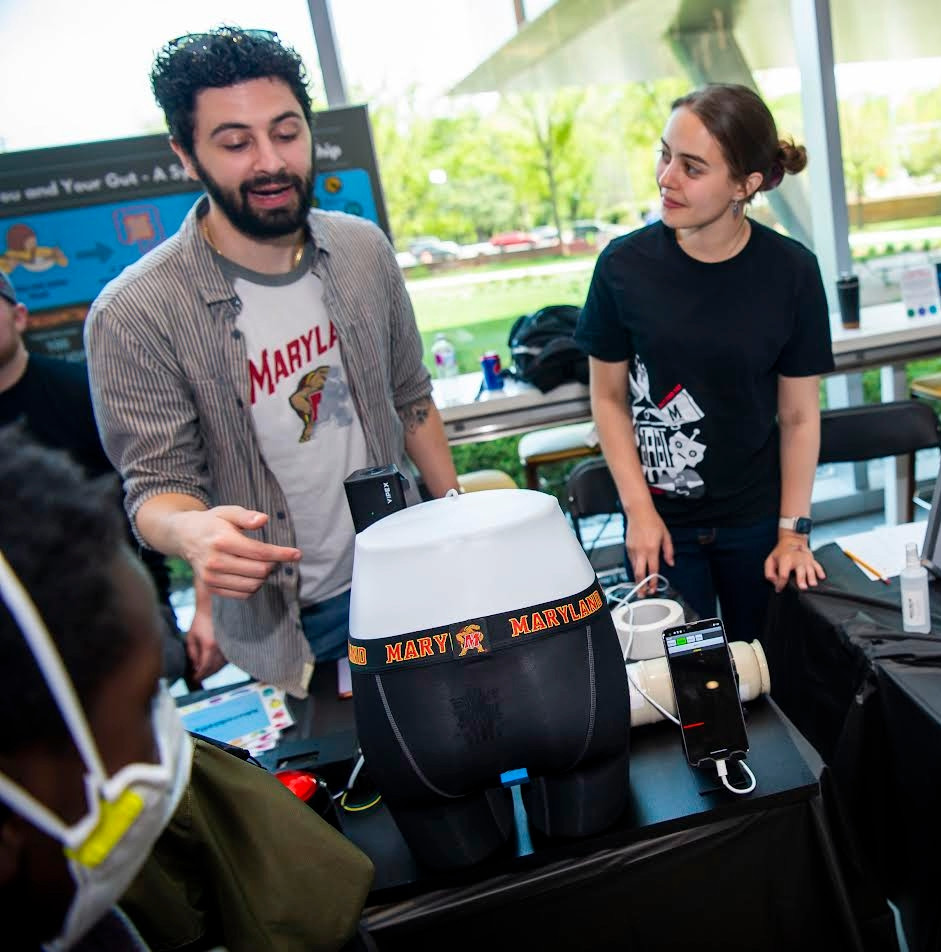
This project aims to establish a baseline for 'normal flatus,' which has not been medically defined until now, like blood sugar or blood pressure. The study recruits participants with extreme characteristics, such as 'Zen Digesters' who produce very little flatus despite consuming a sufficient amount of dietary fiber (25-38g per day), and 'Hydrogen Super Producers' who produce extremely high levels of flatus. The researchers are also collecting fecal samples while continuously monitoring their condition with the device. The researchers hope to understand how the composition of specific microbiota influences gas production patterns.
Furthermore, this technology is already on the path to practical application through Ventoscity, a startup founded by Assistant Professor Hall and his colleagues. Ventoscity has licensed the patent from the University of Maryland and aims to develop smart underwear not only as a mere wellness tool, but also as a medical support device for objectively diagnosing small intestinal bacterial overgrowth (SIBO) and glucose malabsorption. Assistant Professor Hall commented, 'The Human Fart Atlas establishes an objective baseline for gut microbial fermentation and provides an important foundation for evaluating how dietary, probiotic, and prebiotic interventions affect microbiome activity.'
Related Posts: