Research by WHO and other organizations reveals that approximately 40% of cancers worldwide are caused by preventable factors such as smoking and alcohol use
Cancer is a disease that afflicts many people around the world, but a global study by
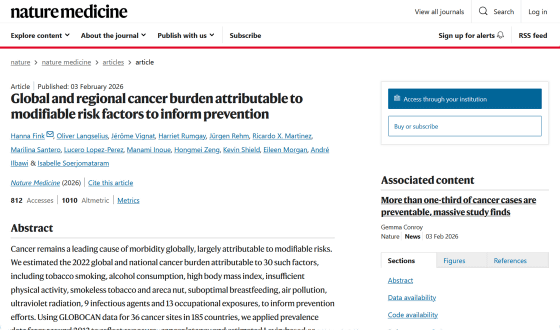
Global and regional cancer burden attributable to modifiable risk factors to inform prevention | Nature Medicine
https://www.nature.com/articles/s41591-026-04219-7
Four in ten cancer cases could be prevented globally
https://www.who.int/news/item/03-02-2026-four-in-ten-cancer-cases-could-be-prevented-globally
Most Preventable Cancers Are Linked to Just Two Lifestyle Habits : ScienceAlert
https://www.sciencealert.com/most-preventable-cancers-are-linked-to-just-two-lifestyle-habits
The research team analyzed various factors associated with cancer development using data on 36 types of cancer collected from 185 countries. They found that approximately 18.7 million new cancer cases will occur in 2022, and that an estimated 7.1 million of these cases, or approximately 37.8%, can be attributed to 30 modifiable risk factors.
The modifiable risk factors identified by the research team include smoking, alcohol consumption, high BMI, physical inactivity, smokeless tobacco, traditional stimulants like betel quid , lack of breastfeeding, air pollution, UV exposure, and infections.
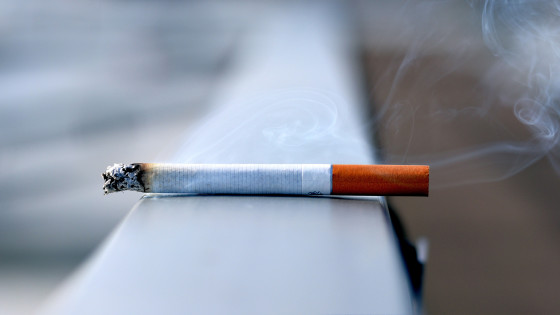
The most common cause of cancer was smoking, accounting for approximately 15% of new cancer cases, and in particular in men, approximately 23% of new cancer cases were caused by smoking. This was followed by infectious diseases, accounting for approximately 10%. In women, the human papillomavirus (HPV) , which causes cervical cancer, was the most common cause of new cancer cases. The next most common risk factor was alcohol consumption, accounting for approximately 3% of new cancer cases.
The proportion of preventable cancers was significantly higher in men than in women, with approximately 45% of new cancer cases being preventable in men and 30% in women. Furthermore, three types of cancer - lung cancer, stomach cancer, and cervical cancer - accounted for approximately half of all preventable cancer cases in both men and women combined.
The main risk factors vary depending on the type of cancer. For example, lung cancer is primarily associated with smoking and air pollution, stomach cancer is primarily caused by
Furthermore, the proportion of preventable cancers varies significantly by region. For women, the difference is 24% in North Africa and Western Asia and 38% in sub-Saharan Africa, while for men, the difference is highest in East Asia (57%) and lowest in Latin America and the Caribbean (28%). These differences likely reflect differences in exposure to risk factors such as behavioral, environmental, occupational, and infectious diseases, as well as differences in each country's socioeconomic structure, prevention policies, and health systems.
'This study is the first global analysis to show how much cancer risk comes from preventable causes,' said study co-author Dr Andre Ilbawi, leader of the WHO's Cancer Control Team. 'By examining patterns across countries and populations, we can provide governments and individuals with more specific information to prevent many cancer cases.'
Related Posts:







in Free Member, Science, Posted by log1h_ik