Will Nike's 'brain-activating shoes' improve your concentration? A neurosurgeon explains the relationship between foot stimulation and the brain.

Nike announced a shoe in October 2025 that claims to stimulate the brain through foot stimulation, improving sensory acuity and concentration.
Can shoes alter your mind? What neuroscience says about foot sensation and focus
https://theconversation.com/can-shoes-alter-your-mind-what-neuroscience-says-about-foot-sensation-and-focus-273759
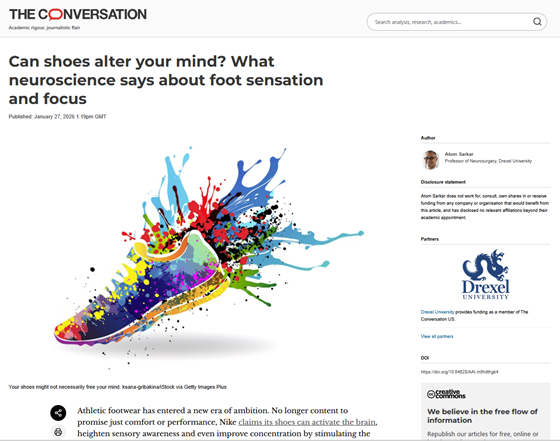
The soles of the feet contain numerous mechanoreceptors that detect pressure, vibration, texture, and movement. The signals picked up there travel from the peripheral nerves through the spinal cord to the somatosensory cortex of the brain. The somatosensory cortex is divided into 'areas' that are responsible for sensory information for each part of the body, with larger areas being assigned to parts that require more sensation. The feet, which are deeply involved in posture, balance, and walking, are also thought to occupy a certain area.
Shoes also affect proprioception, which is the sense of proprioception that determines where the body is in space. Proprioception is also supported by input from muscles, joints, tendons, etc., and changes in feedback from the soles of the feet can change the way a person stands or walks. Neurology and physical therapy place great importance on shoes for people with balance disorders, peripheral neuropathy, and walking problems because changing sensory input can change movement.
However, 'affecting movement' should not be equated with 'improving cognitive function.' While foot stimulation may stabilize posture and give you a 'sense of calm' or 'grounding,' it doesn't necessarily mean improved concentration, says Sarkar.
' Minimalist shoes ,' with their thin soles and high flexibility, allow tactile sensations and information about foot position to reach the brain more easily than shoes with thick cushioning. Previous experiments have shown that reducing cushioning can increase awareness of foot placement and timing, improving balance and gait stability.
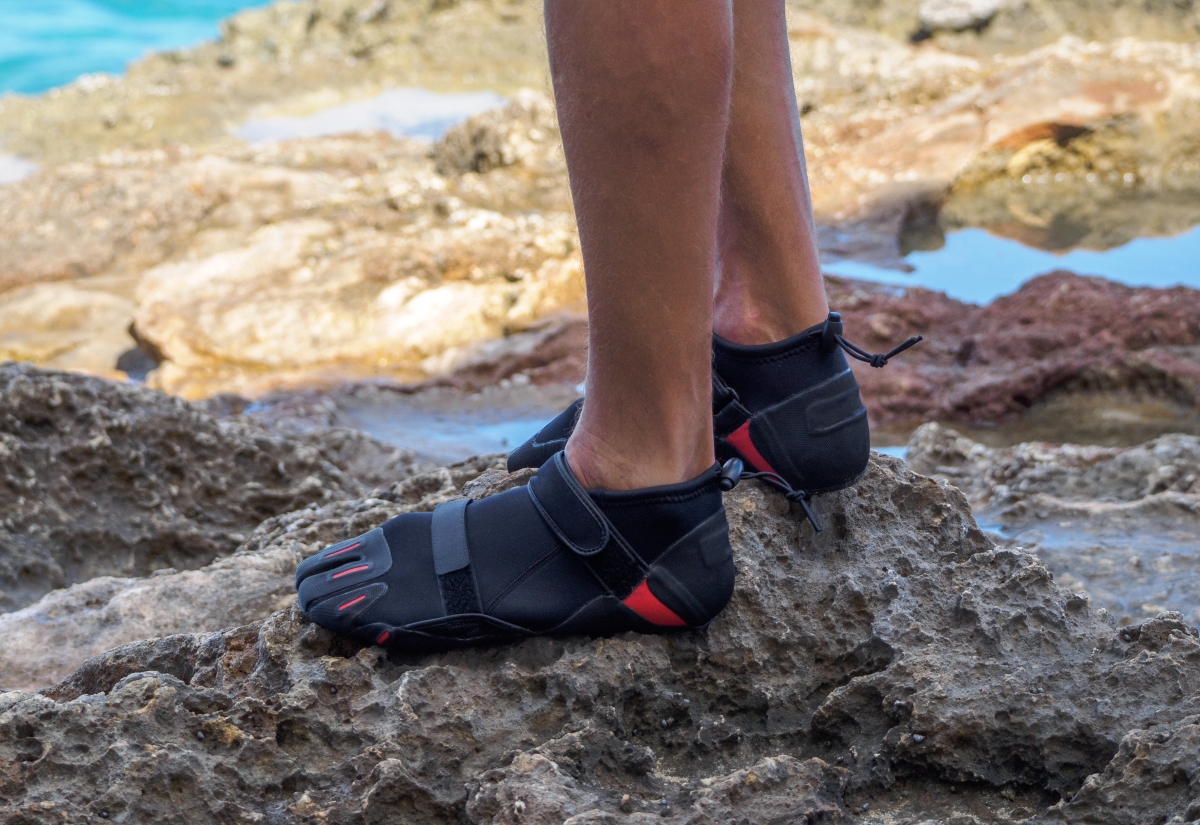
However, Sarkar says, 'more sensory input is not necessarily better.' The brain is constantly selecting and filtering sensory information, prioritizing useful information and suppressing distracting information. Sarkar points out that if someone who is not used to wearing minimalist shoes suddenly starts wearing them and increases the stimulation to the soles of their feet, they will pay more attention to their feet, which could actually increase their cognitive load.
Sarkar is particularly skeptical of Nike's shoes, which claim that 'stimulating the soles of the feet improves concentration.' While it's not unnatural for the somatosensory cortex to become active when stimulated, Sarkar explains that brain activity and improved concentration and executive function are separate issues. Concentration and attention are supported by a network of multiple regions, including the prefrontal cortex, parietal lobe, and thalamus, and are also involved with hormones such as
Sarkar argues that there is little strong evidence that 'passive stimulation of the soles of the feet' using textured soles or special shapes clearly improves concentration in healthy adults. While light stimulation may slightly increase alertness depending on the context, the effect is small and likely condition-dependent. Sarkar concludes that simply increasing stimulation does not necessarily mean that the attention system will function better.
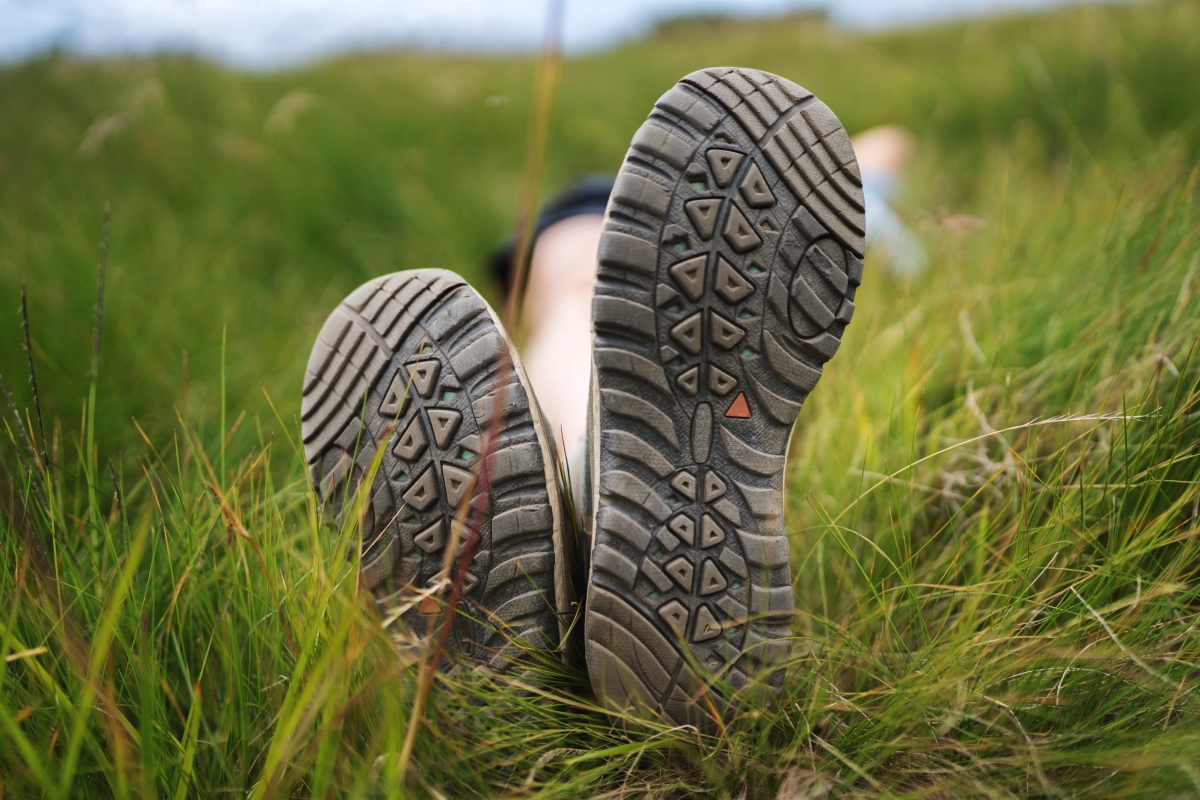
Still, Sarkar says it's undeniable that people who wear them find it easier to concentrate. The placebo effect , in which expectations and beliefs affect perception, motivation, and performance, is well known, and simply believing that the shoes are effective can change how you behave and feel.
There is also the idea of embodied cognition , which states that posture, movement, and bodily stability affect mood, confidence, and mental clarity. If shoes change the way you stand and walk, there is a chance that this could indirectly affect your 'sense of being able to concentrate.'
The problem, Sarkar argues, is that marketing blurs the line between 'influencing the nervous system' and 'enhancing cognitive function.' Neuroscience suggests that shoes may alter sensory input, posture, and movement, but Sarkar concludes that no strong, reproducible effects have yet been confirmed in the general population that can be asserted to 'reliably enhance focus and attention.'
Related Posts:
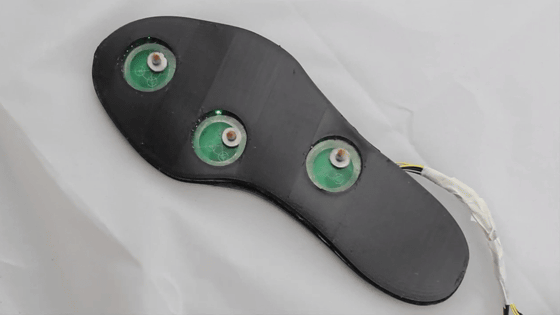






in Science, Posted by log1b_ok