What are the benefits of a 'wooden satellite' made mostly from wood?
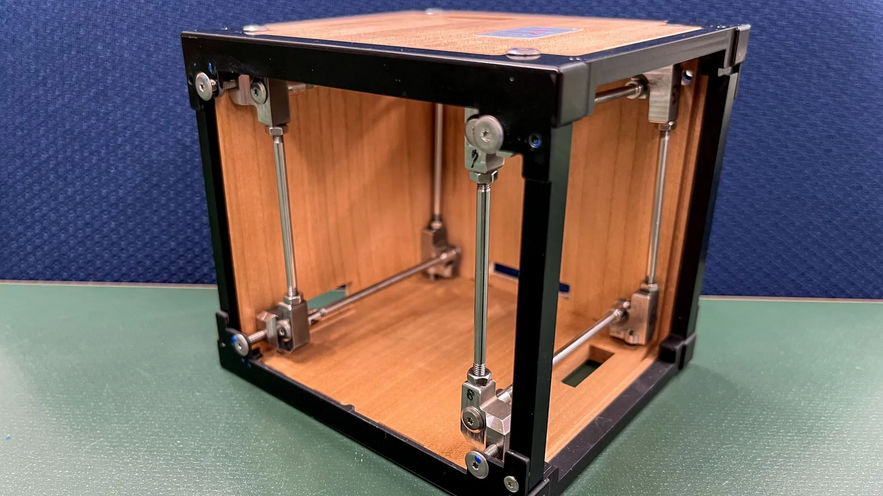
In November 2024, SpaceX launched the world's first wooden satellite,
Satellites encased in wood are in the works
https://www.economist.com/science-and-technology/2026/01/21/satellites-encased-in-wood-are-in-the-works
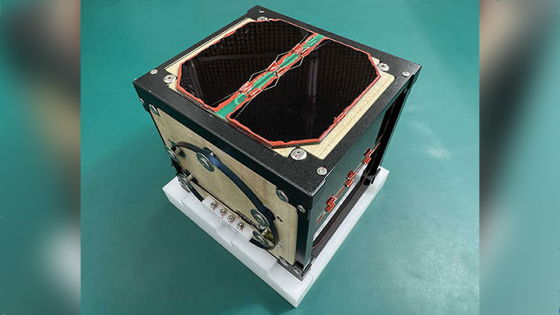
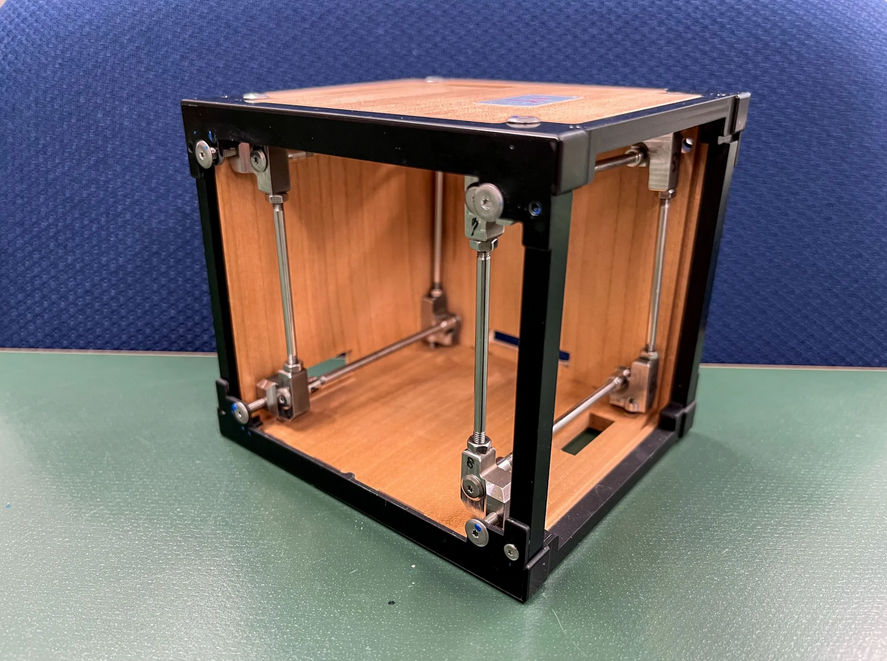
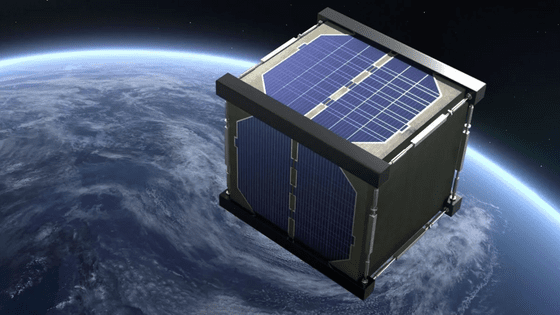
LignoSat, a wooden satellite developed by Kyoto University and Sumitomo Forestry, is a cube with sides measuring approximately 10 cm and weighing approximately 1 kg. The wood used for the satellite is magnolia trees harvested from Sumitomo Forestry's Monbetsu forest. It was delivered to the International Space Station (ISS) in September 2024 and released into space from the ISS on December 9th.
Successful launch of the world's first wooden artificial satellite 'LignoSat' developed by Kyoto University and Sumitomo Forestry - GIGAZINE
Although LignoSat failed to communicate with Earth after being released into space, its wooden panels held up well until re-entry 116 days later, despite the extreme temperature swings (-100°C to 100°C) and solar wind radiation as it entered and exited the Earth's shadow.
Below is a photo of LignoSat being released from the ISS. The small object in the center is LignoSat.
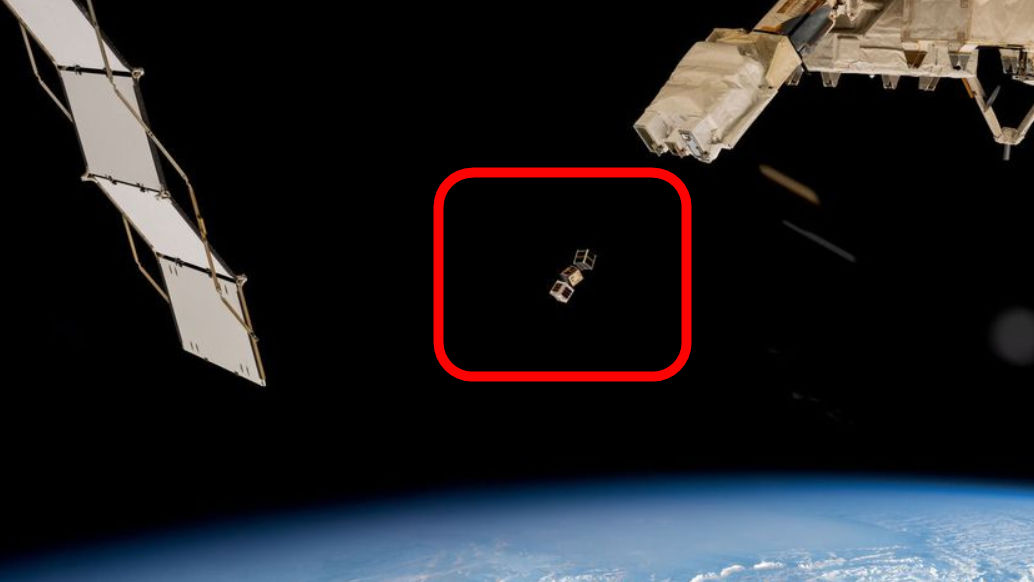
by NASA
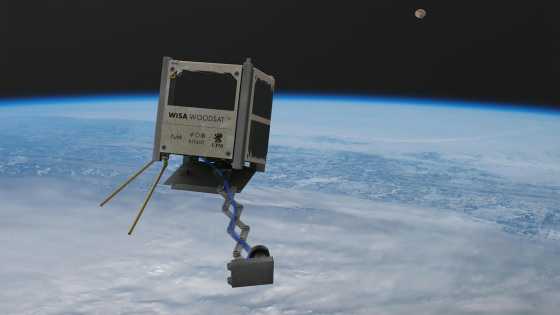
Japan is not the only country developing wooden satellites; Finland plans to launch a test wooden satellite called
One of the benefits of using wood as a material for satellites is that it reduces the amount of metals that evaporate during re-entry. Approximately 290 tons of space debris fell into the atmosphere in 2023, and a study published in the same year reported that approximately 10% of sulfuric acid particles collected in the stratosphere contained metals associated with satellites and rockets.
The dangers posed by metals remaining in the stratosphere are not fully understood, but there are concerns that chemical reactions involving metals in the air could destroy the ozone layer, which absorbs harmful ultraviolet rays. One prediction is that by 2035, as much as 2,800 tons of space debris will fall to Earth from space each year.
Another advantage of wooden satellites is that they burn up more easily than metals during atmospheric re-entry. Modern regulatory agencies require designs that take into account the burnup during atmospheric re-entry to prevent falling satellites and spacecraft debris from raining down on Earth. Generally, satellites weighing more than 300 kg are required to be equipped with special guidance systems and undergo controlled re-entry into uninhabited ocean areas. However, by using wood, which reliably burns up in the atmosphere, spacecraft weighing up to one ton may be able to avoid the additional cost of guidance during atmospheric re-entry.
Another benefit is that wood does not affect radio signals, eliminating the need to deploy communication equipment once the satellite is in orbit and reducing resistance from atmospheric molecules. This idea is planned to be tested on LignoSat's second satellite, scheduled to be launched into an orbit at an altitude of 400 km in 2028. Takao Doi, a former astronaut and professor at Kyoto University Graduate School, estimates that the reduced resistance could extend the satellite's flight time by about 50%.
by NASA
The Economist also points out that wood is cheaper than typical spacecraft alloys, and its ability to absorb vibrations is beneficial for sensitive equipment. It also provides better insulation than metal, meaning the spacecraft's heating coils won't need to be turned on as frequently.
On the other hand, moisture and organic compounds can absorb into wood in space, weakening it, but tests on the birch plywood used in the WISA Woodsat suggest this isn't a problem. A protective coating of aluminum oxide might also help, The Economist explained.
Related Posts:



in Science, Posted by log1h_ik