The most powerful pirate in history, who commanded 70,000 men, was a woman

Pirates have been the subject of manga and movies for a long time, with
The Most Powerful Pirate In History - YouTube
Zheng Yisao was active in the early 19th century, when China is said to have accounted for one-third of the world's population.
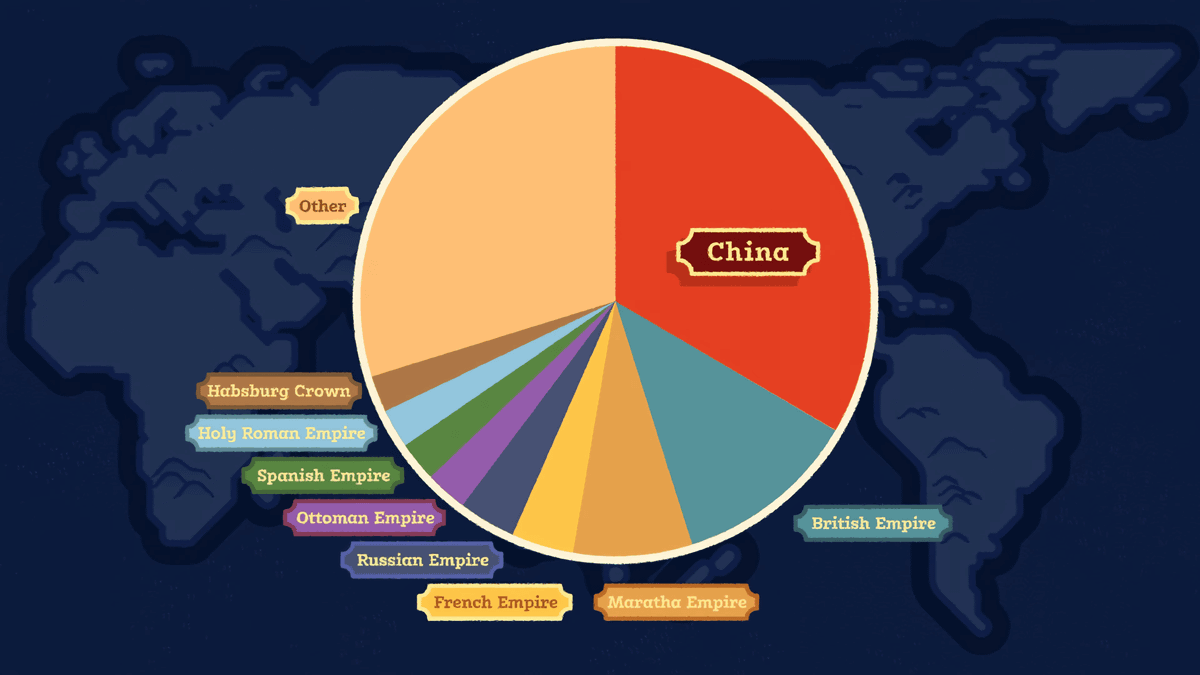
Unlike European countries, where various countries and dynasties continued to kill each other along the land border, China was dominated by the Jin dynasty, which ruled northern China from the 12th to 13th centuries. Since then, China has maintained an absolute centralized state from Beijing, and its basic social system has remained the same, even though dynasties have changed. However, the more remote the region, the weaker the dynasty's control.

Zheng Yisao is said to have been from Guangzhou, Guangdong Province, about 2,000 km from Beijing.
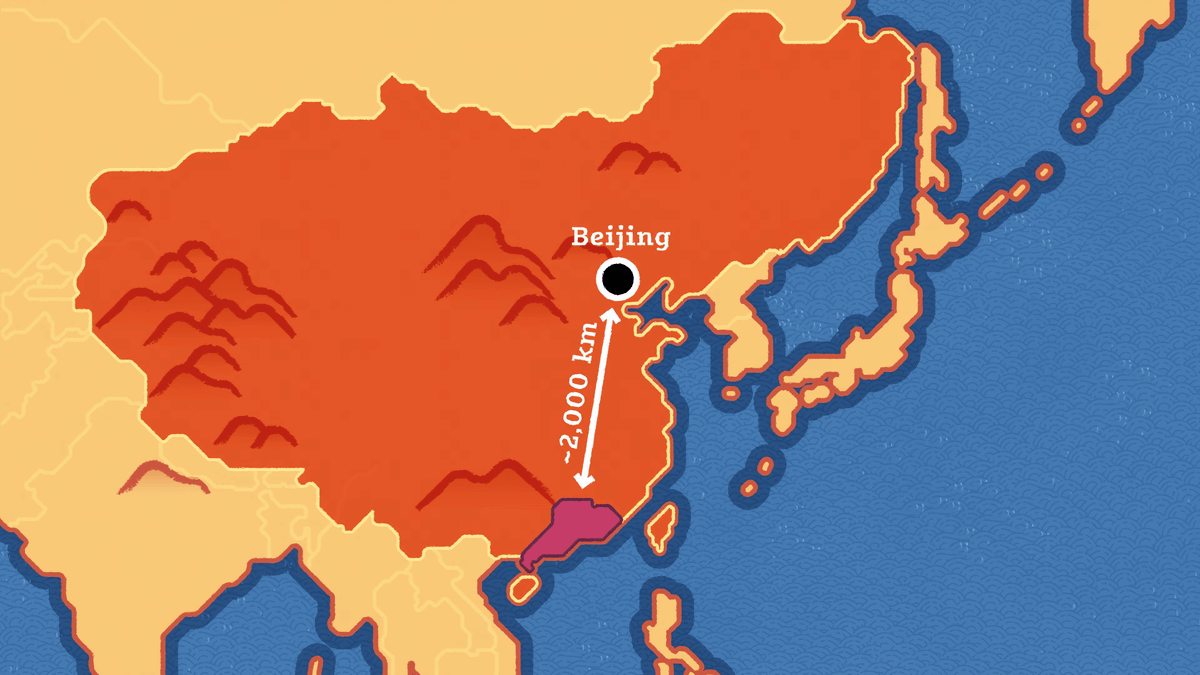
Guangzhou is part of
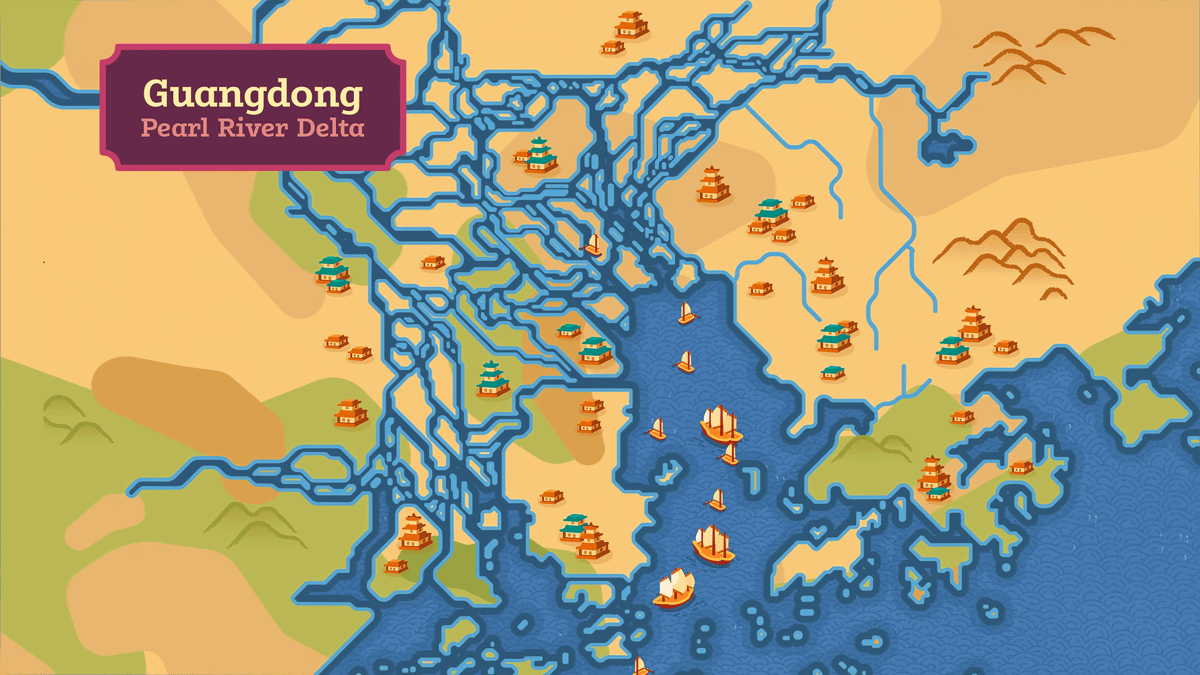
Guangzhou has long been home to people who lived on boats, known as 'water people.' Some water people made a living as fishermen, but in the 19th century, political corruption caused the economy to deteriorate and many people lost their jobs. At the time, water people had a low social status and were discriminated against. Zheng Yisao is said to have been born into this water family, and is believed to have been sold to a brothel operated on the water.

The turning point came when she was spotted by Zheng Yi, who was the leader of a major pirate group at the time, and they married in 1801. Note that Zheng Yi's name is not her real name; it means 'Zheng Yi's wife.'

During the Qing Dynasty, which ruled all of China from the 16th to the 19th centuries, Guangzhou was the only city where trade with foreign countries could be conducted legally, and it was a major source of revenue for the country.
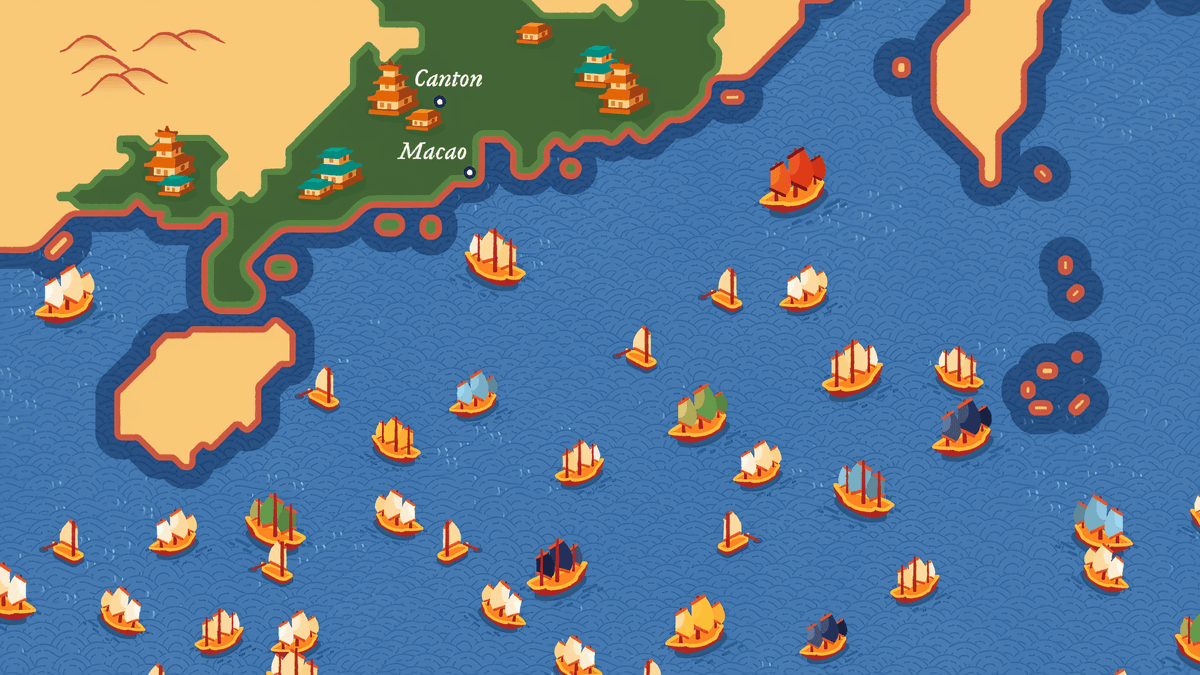
The opium trade with Britain began in the second half of the 18th century, but at this time political corruption in the Qing dynasty was on the rise, and Guangzhou was left largely unchecked. The government's influence was weakening, and piracy targeting trade ships was rampant.

By 1805, pirates were increasingly fighting each other rather than attacking and stealing merchant ships, so the six major pirate gangs agreed to unite and become a larger organization.
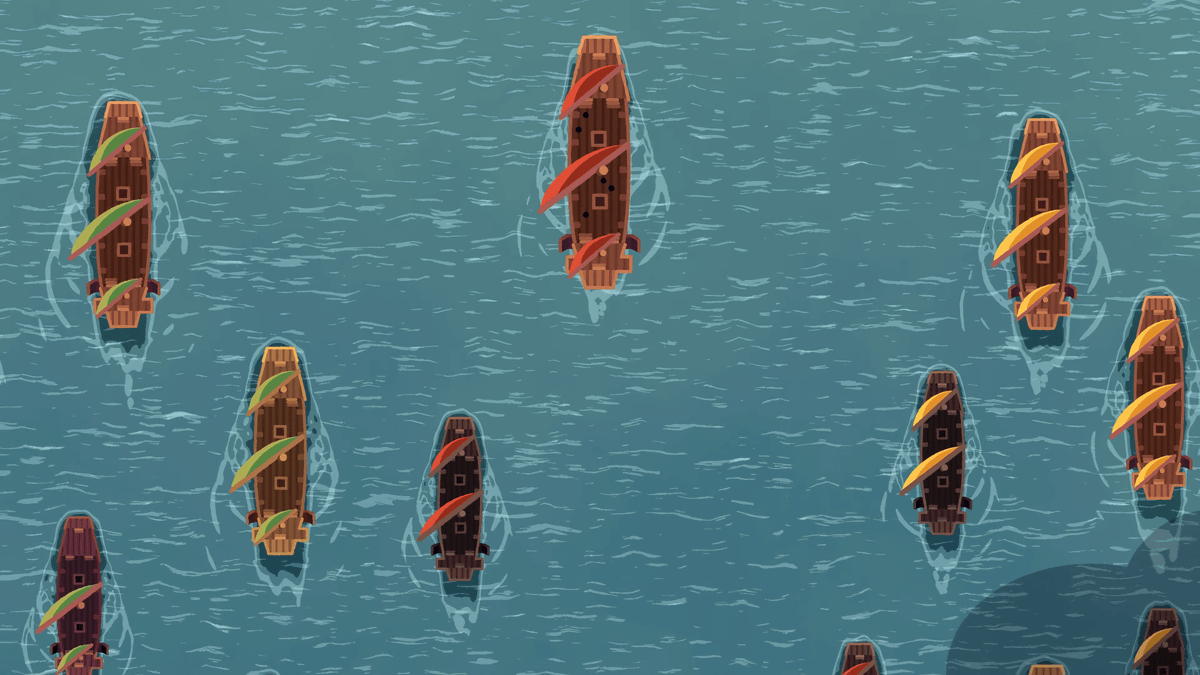
Pirates took over the water trade in Guangzhou, replacing the Qing dynasty's navy, which had become ineffective. Merchant ships could not pass through the port or the Pearl River without a pass issued by the pirates. Ships that attempted to pass without a pass were attacked by pirate ships with overwhelming military power.

Meanwhile, Zheng Yisao assisted Zheng Yi and was involved in the management of the pirate gang from an early stage.

Zheng Yisao likened the pirates to a fleet and organized them accordingly. She clearly defined the hierarchy and enforced absolute obedience to orders. She also established strict rules, such as requiring the pirates to keep 20% of the loot and pay 80% to the pirate organization. She also prohibited violence against prisoners and the trafficking of children.

By enforcing strict discipline, almost like that of the navy, Zheng Yi's pirates grew into the massive organization known as the 'Red Flag Gang,' with 70,000 members and 1,800 ships. This was a far larger organization than the Blackbeard Pirates, which had only four ships and 300 members.

In 1807, Zheng Yi died after falling off a ship during a typhoon. Some say he died of illness. Having lost her husband, Zheng Yi's wife remarried a young captain under her command, Zhang Bao, and continued to reign as the leader of the Red Flag Gang.
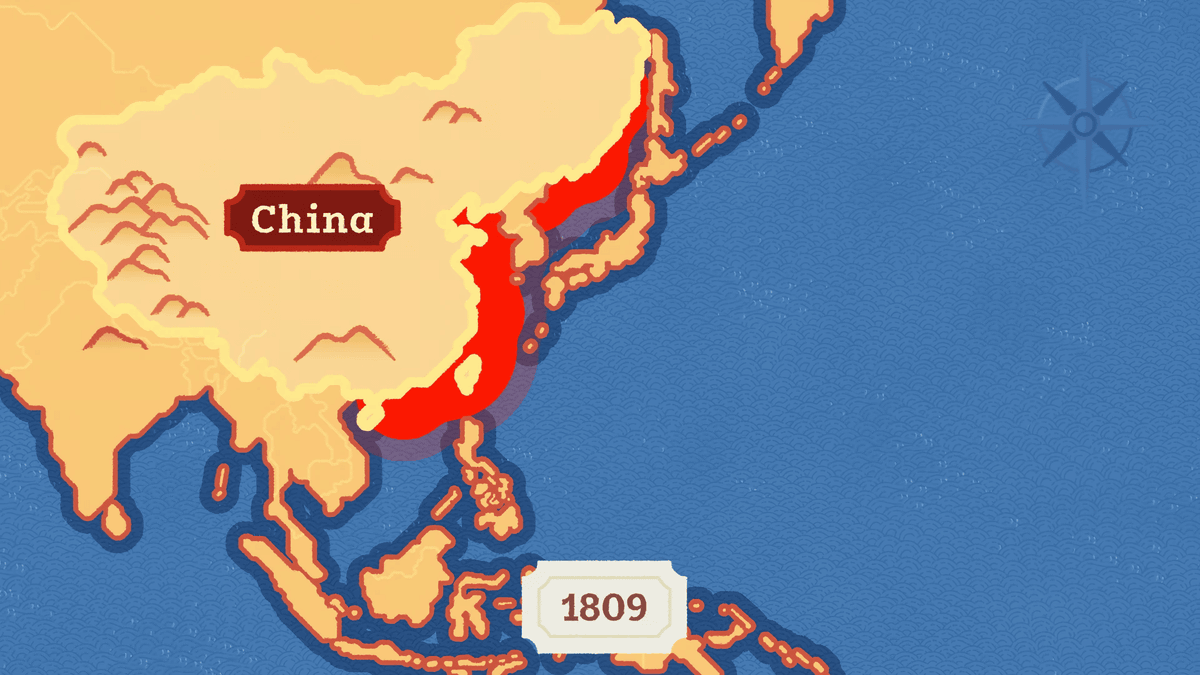
The Qing government was shocked by the continued growth of the Red Flag even after Zheng Yi's death, and finally tried to eliminate them. However, the Qing navy did not have the power to destroy them, so they asked for help from the Portuguese navy, which was stationed in Macau at the time. As expected, the Red Flag suffered a major blow from the Portuguese navy, but they were not completely annihilated.

The government then offered the pirates a full pardon if they surrendered, as well as government jobs and rewards.

In 1810, the second-ranking pirate under their command, Guo Podai, betrayed the Red Flag Gang and took a government position, confirming to Zheng Yisao that even pirates could curry favor with the government.

Zheng Yisao then negotiated with the Qing dynasty, had her subordinates appointed to public offices, was pardoned of all crimes, received her reward, and was able to return to land.

Cheng Yi Sao later opened a high-class gambling den in Macau and lived a wealthy and peaceful life until her death in 1844. Cheng Yi Sao's time as the leader of the pirates was only about three or four years, from Cheng Yi's death in 1807 until she retired to the government, but it is amazing that she was able to maintain the most powerful pirate group in history, rivaling the Portuguese Navy, and live to a ripe old age without losing any of her wealth. Macau was fully colonized by Portugal in the mid-19th century during the chaos of the Opium Wars, and remained an overseas territory of Portugal until it was returned to China in 1999.

Related Posts:





in Video, Posted by log1i_yk