World's largest cog ship, built around 1410, found off the coast of Copenhagen
by
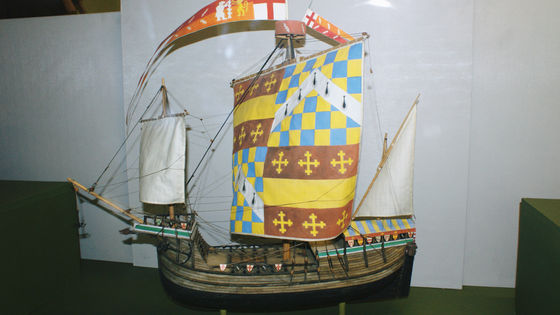
A 600-year-old cog ship has been discovered in the strait between Denmark and Sweden. It is remarkably well-preserved and is said to be the largest ship of its kind ever found in the world.
World's largest cog discovered in Danish waters: Archaeologists reveal a medieval super ship
https://www.vikingeskibsmuseet.dk/en/about-us/news-and-press/press-releases/archaeologists-reveal-a-medieval-super-ship-its-the-worlds-largest-cog
Archaeologists Say They've Unearthed a Massive Medieval Cargo Ship That's the Largest Vessel of Its Kind Ever Found
https://www.smithsonianmag.com/smart-news/archaeologists-say-theyve-unearthed-a-massive-medieval-cargo-ship-thats-the-largest-vessel-of-its-kind-ever-found-180987984/
Cog ships originated around the 12th century and were generally made from oak, which was abundant along the Baltic coast , and were primarily used for maritime trade along the Baltic Sea.
The newly discovered cog ship is approximately 28 meters long, 9 meters wide, and 6 meters high, with an estimated cargo capacity of 300 tons. It has been named 'Svælget 2' after the location where it was discovered. Using dendrochronology, researchers determined that it was built around 1410 and made from wood sourced in two regions: Popomerania, now part of Poland, and the Netherlands.
Cog ships are known for their large cargo capacity compared to other ships. 'The fact that they were so large indicates that merchants had a large number of goods to transport and a large market to accommodate those goods,' said Otto Uldum, a maritime archaeologist who led the excavation of Sverget II.
Because Sverget II was partially buried in sand, it was protected from erosion and was in a much better state of preservation than existing cog ships. This provided many clues to the structure and cargo of the cog ship.
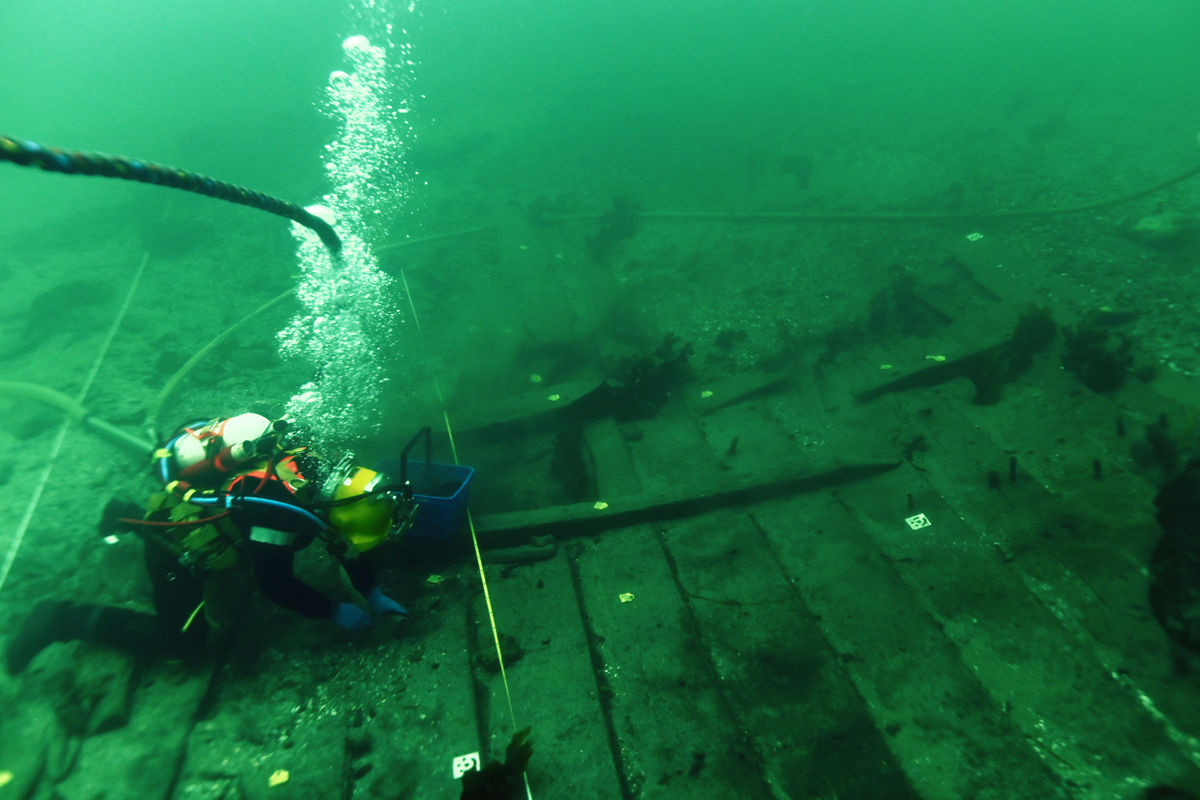
For example, while it was known from historical documents that cog ships had high defensive towers (castles) built at the bow and stern, no solid evidence of their existence had been found. However, a space believed to be a defensive tower was discovered at the stern of the Sverget II, providing archaeological insight. 'A covered deck, where the crew could live relatively safely, is a major improvement over Viking-era ships, which only had open decks in all weather,' Uldum said.
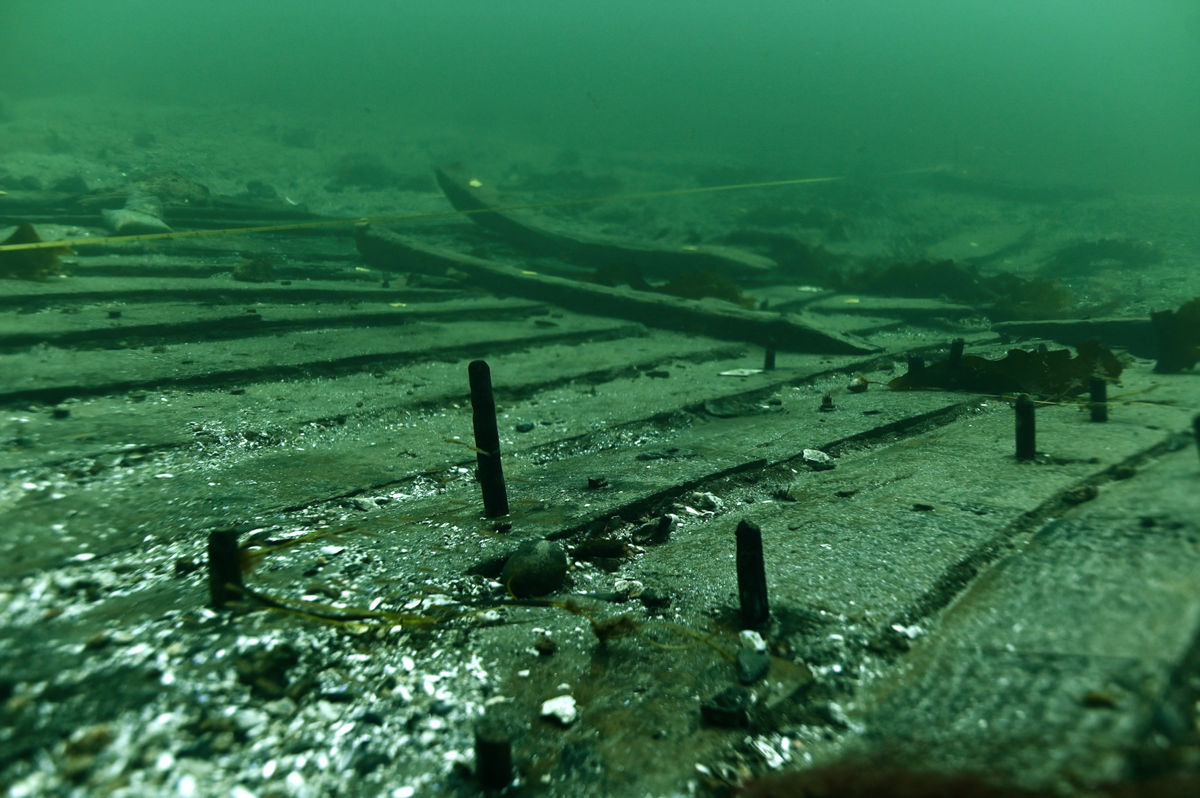
Another major clue was the discovery of a brick galley on board the ship. The galley is made up of approximately 200 bricks and 15 tiles. Bronze cooking pots, ceramic bowls, and remains of fish and meat were also found in the same area. 'This is the first time a brick galley has been seen on a medieval ship discovered in Danish waters,' Uldum said. 'The galley allowed sailors to eat hot meals similar to those on land, rather than the dry, cold food that was once common at sea.'
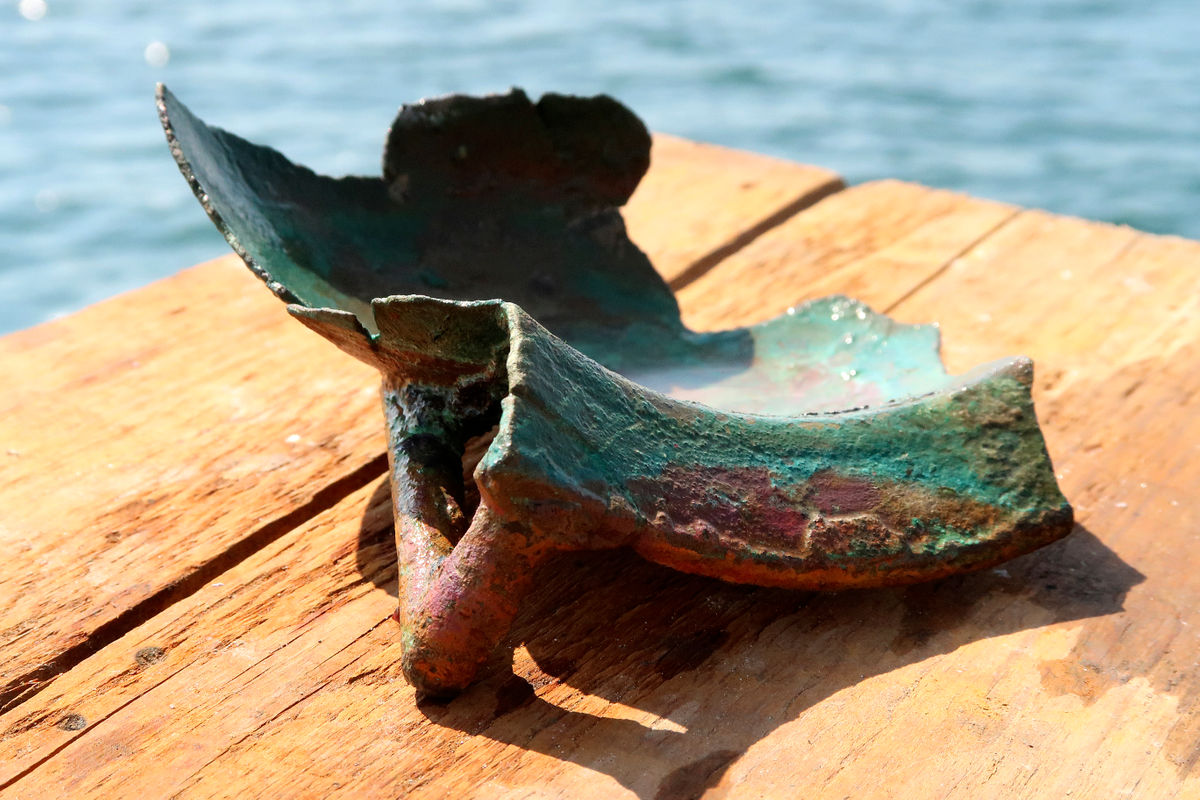
Other finds include painted wooden plates, shoes, combs, and rosaries. However, no trace of cargo has been found, so it is unclear what exactly Sverget 2 was carrying.
'This discovery is a landmark in maritime archaeology. Sverget 2 is the largest surviving cog ship and provides a unique opportunity to understand both the construction techniques and life on board one of the largest trading ships of the Middle Ages,' said Uldum.
Related Posts:



in Note, Posted by log1p_kr