Dark Patterns: Are Games Controlling You?

Game developer
Dark Patterns: Are Your Games Playing You? - YouTube
What are dark patterns?
Dark patterns are designs that intentionally manipulate user behavior, typically used to encourage users to spend or engage more than they intended.
Wilson cites common examples such as hotel booking sites displaying scarcity warnings like 'Only one room left. 4 people are viewing this now'; services that are easy to sign up for but difficult to cancel; confirmation buttons like 'I want to pay full price' that make buyers feel guilty; systems that automatically add options like shipping insurance; and popups that say 'You have items you haven't purchased yet.'
◆Specific examples of dark patterns in games
You can bias app store reviews towards the positive by displaying a survey asking users to rate your game out of 5 stars, and if they select 5 stars they will be taken to the app store to leave a review, and if they select anything other than 5 stars they will be taken to a feedback form for the developer.

Deceptive User Interface
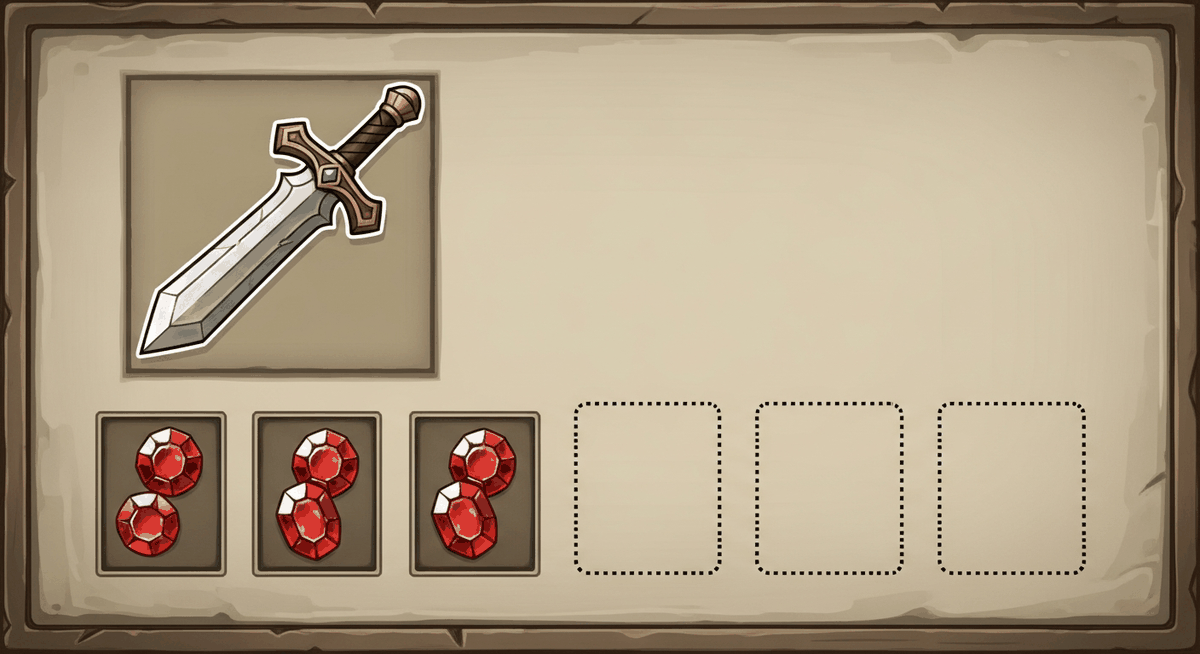
One technique involves manipulating the information displayed on the screen to unintentionally encourage expensive purchases. For example, in a system where leveling up is achieved by adding gems purchased with real money to item slots, if the number of slots displayed initially is fewer than the actual maximum, users will purchase gems, thinking that they will get the maximum effect with the apparent number of slots. However, as soon as all the apparent slots are filled, hidden slots will appear, revealing the need for additional purchases. Users' desire to achieve the maximum effect leads them to continue making unplanned purchases.
◆Daily login rewards and ongoing rewards
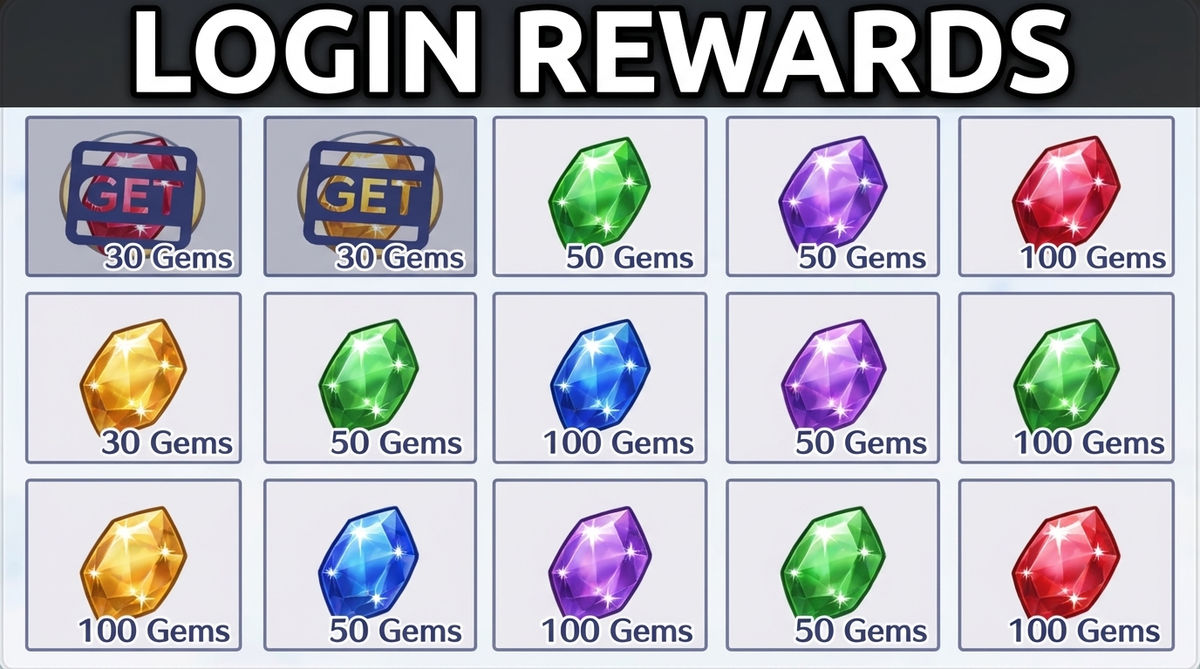
If you log in every day, your reward rank will increase, and if you stop logging in, your rewards will reset to the minimum level. This will make it a requirement for users to log in every day, as they want to avoid losing their rewards. Wilson said, 'My friend even walked 6 kilometers away with his laptop and 3G modem, even during a camping trip, to a place where he could get a signal, just to keep the rewards he received from logging in.' Another method would be to allow users to restore lost rewards for a fee, which would generate revenue while also encouraging users to maintain their loyalty.
Dark patterns that exploit social obligations
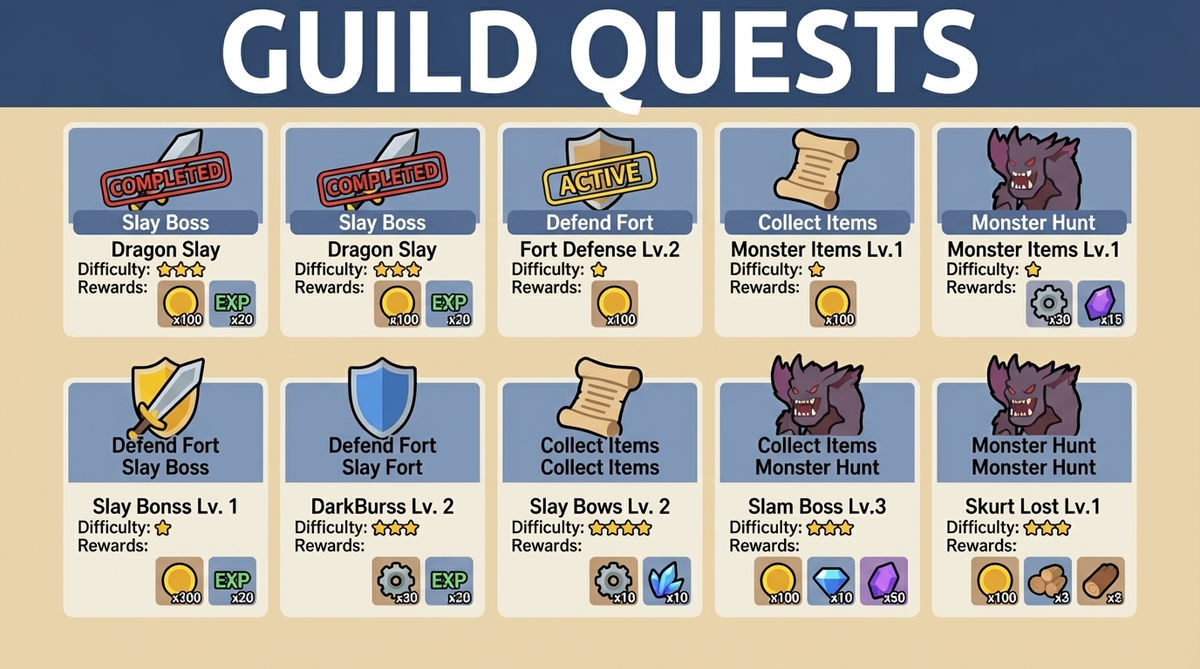
Guilds and clans can impose quotas for completing special quests and obligations to donate acquired resources, encouraging players to play every day due to the guilt and social pressure of disappointing their teammates if they don't complete the tasks. Additionally, by offering additional bonuses for gifting to other users, users feel the need to return the gifts. Furthermore, by offering bonuses for friend referrals, it's even possible to set up
◆ Tasks with time limits
This mechanic, popularized in farming games where crops wither or die if not harvested at the right time, allows the game to control the user's schedule, sometimes even forcing them to get up in the middle of the night to click a button.

Artificial scarcity
Limiting the number of items is a way to increase user purchasing power, which, like gacha, not only encourages more sales but also encourages users to log in to the game daily to check if the item they want is in stock.

◆Premium Currency Tricks
A dark pattern related to premium currency in games is that premium currency packs are designed to be slightly short of the desired item, leading users to buy more premium currency at once than they planned. Another example is placing cheaper items next to more expensive items to make them appear more valuable.

◆ Limited-time event
Some games use special in-game or monetization events that are time-limited or seasonal, giving users the anxiety that they may never get to use them again.

◆ Granted progress effect
There is a psychological effect known as
Why are dark patterns used?
With users having limited free time, they will implement dark patterns that can easily increase addictiveness and profitability as a means to secure
◆Advantages of dark patterns
According to Wilson, 'It's true that some users enjoy daily bonuses and special events for their favorite games, and some developers argue that 'a small psychological boost can increase enjoyment of the game.' There's nothing wrong with limited-time events as long as they consist of interesting new content. And if the login rewards are always the same, users will be satisfied as long as the penalty for not logging in is just missing out on a day's worth of rewards.'
The disadvantages of dark patterns
On the other hand, limited-time events that do not introduce new content are dangerous. One example given was: 'A few years ago, a fellow game director was running a game. In order to increase user activity in the lead-up to a version update, he ran a weekend-only double experience event. This was a huge success, with far more users playing than usual. However, after the event, user activity dropped, so he ran another weekend-only event. After holding the event several times, people began to lose interest in playing on weekdays, and they began to play only on weekends when there were events. Eventually, they were forced to stop playing the game.'
Mr. Wilson's personal opinion
'When it comes to the actual design of the game itself, I think almost everything is fair. As game designers, we need to understand how the human brain works in order to make truly fun games. But I think we need to draw a clear line when it comes to using dark patterns for stickiness, non-game elements, or monetization. No one wants to be controlled by the 'fear of missing out' that forces them to desperately play to avoid missing a limited-time event. No one should have to log in every day just to maintain their login record, or play mandatory games for bonuses, or spam friends for rewards. Games in the past were designed purely to entertain, not to manipulate users. Back then, there were no behavioral scientists or psychologists in development studios trying to hack the human brain.'

What should developers do?
Wilson also argues, 'As game developers, you have an obligation to think carefully before adopting dark patterns. Make sure you communicate drop rates accurately to users, create time-limited events that are long enough, and carefully consider whether event rewards should be exclusive or available again in the same event. Developers need to think about the concept of the game beyond the amount of time users spend playing the game, and make sure the reason you're adding something is to add more fun, not to artificially encourage more stickiness or increase monetization.'
Related Posts:





in Game, Posted by darkhorse_logmk