Vitamin C may protect lungs from air pollution

Air pollution has a significant negative impact on people's health and is said to be one
Vitamin C attenuates low-level PM2.5 exposure-induced lung inflammation and mitochondrial loss - ScienceDirect
https://www.sciencedirect.com/science/article/pii/S0160412025006804
Vitamin C may protect against air pollution
https://www.uts.edu.au/news/2025/12/vitamin-c-may-protect-against-air-pollution
A Common Vitamin Could Help Protect Your Lungs From Air Pollution : ScienceAlert
https://www.sciencealert.com/a-common-vitamin-could-help-protect-your-lungs-from-air-pollution
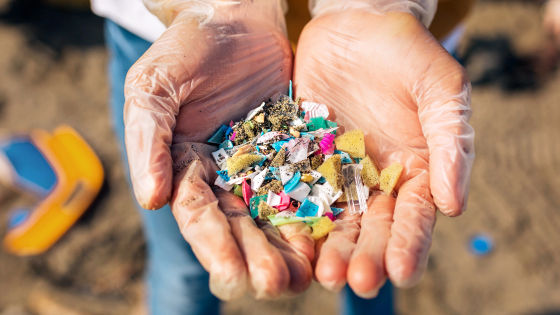
Fine particulate matter (PM2.5) , generated by traffic congestion and bushfires, is a type of fine particle smaller than 2.5 micrometers that floats in the air and can easily penetrate deep into the lungs, adversely affecting the respiratory and circulatory systems. Even major Australian cities are not safe from PM2.5 air pollution, and even low levels of PM2.5 can cause lung diseases such as asthma, chronic obstructive pulmonary disease (COPD) , pulmonary fibrosis, and lung cancer.
PM2.5 is a powerful oxidant, and when toxic substances such as polycyclic aromatic hydrocarbons (PAHs) attached to its surface enter the body, they cause oxidative stress and damage the body.
So, this time, a research team led by Brian Oliver, professor emeritus at the School of Life Sciences at the University of Technology Sydney in Australia, investigated whether vitamin C, which is used as an antioxidant supplement for conditions such as COPD and cardiovascular disease, could protect the body from the damage caused by PM2.5.
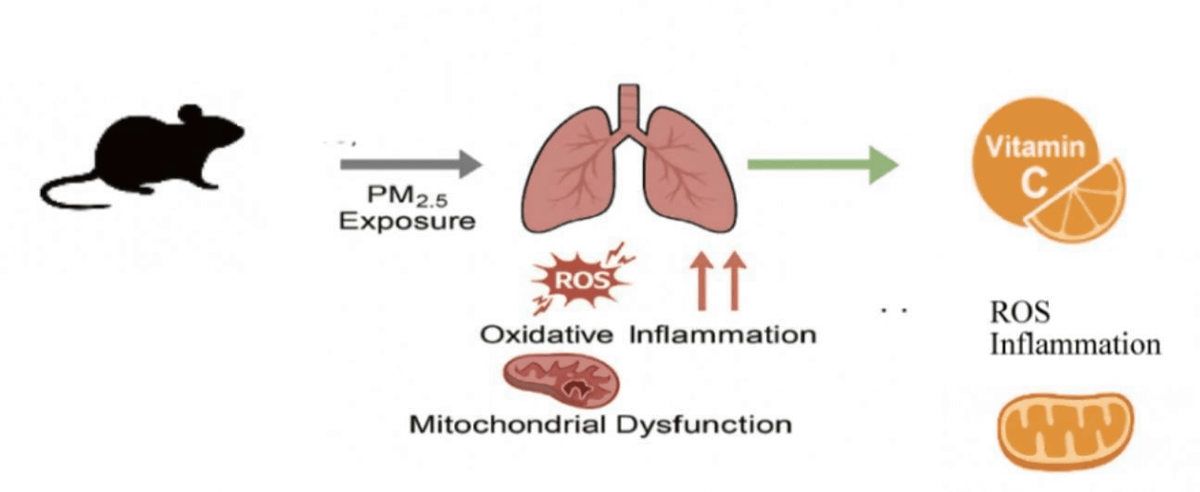
The research team compared the effects of PM2.5 exposure on male mice, who were given either water containing vitamin C or saline, after which they were euthanized and their lung tissue was analyzed. They also treated cultured human lung epithelial cells with vitamin C before exposing them to PM2.5 and examined cell viability and inflammatory responses.
Experimental results confirmed that mice receiving high doses of vitamin C suppressed the loss of mitochondria, which are involved in cellular energy production, reduced harmful inflammation, and prevented cell damage caused by oxidative stress. It has also been reported that treatment with vitamin C in cultured human lung epithelial cells improved cell viability, inflammatory responses, and effects on mitochondria.
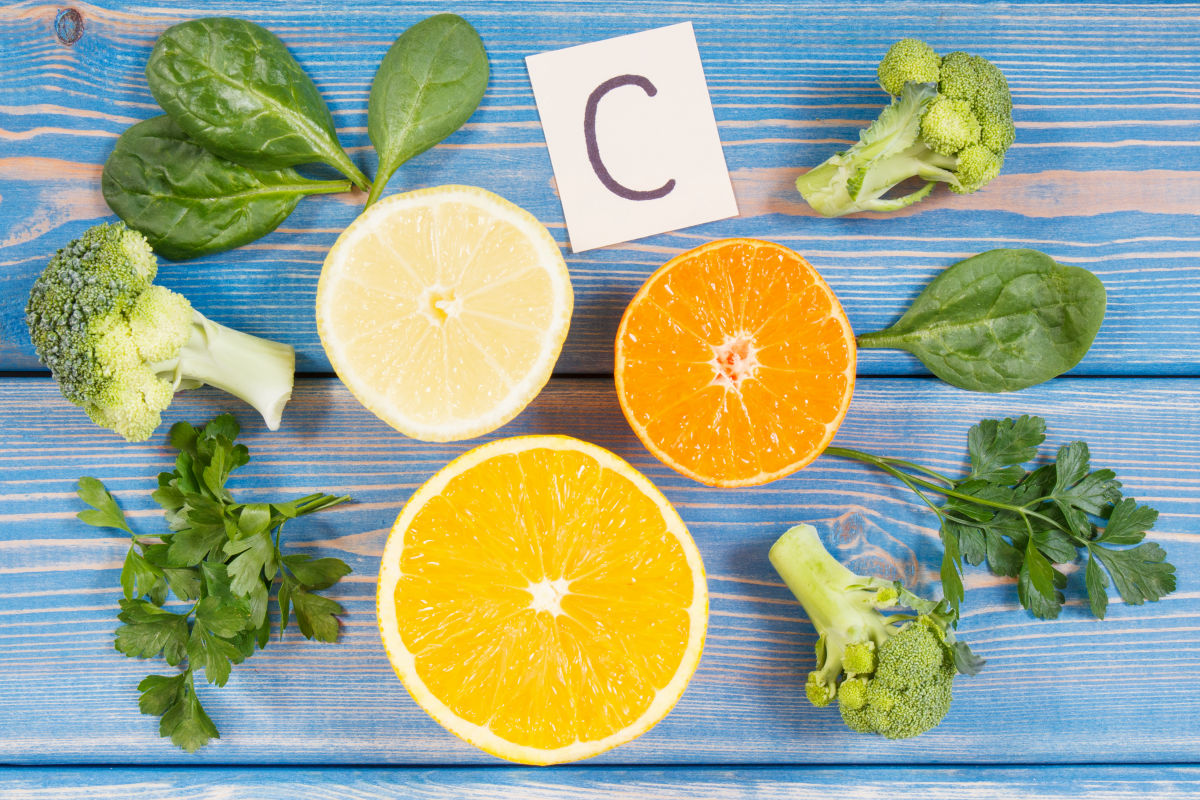
Vitamin C is found in a variety of foods, including citrus fruits like lemons and grapefruit, as well as kiwi, tomatoes, broccoli, potatoes, spinach, and bell peppers. It can also be taken as a supplement.
'This study suggests that taking the highest tolerated dose of vitamin C could potentially be beneficial, but people should speak to their doctor to make sure they are taking the right type of supplement in the right amount, and to avoid accidentally taking too much of other ingredients in over-the-counter supplements,' Oliver said.
While the findings are promising, further research is needed to determine whether vitamin C supplementation protects against air pollution in real people, not just mice and laboratory-cultured cells. Because the PM2.5 pollution levels and vitamin C doses in the study were carefully controlled, the results may not necessarily reflect real-world exposures or intakes.
'For the first time, we offer hope for a low-cost, preventative treatment for a global problem that affects hundreds of millions of people,' Oliver said. 'We already know that there is no safe level of air pollution and that wildfires, in particular, cause lung inflammation and contribute to a myriad of respiratory and chronic diseases.'
Related Posts:




in Free Member, Science, Posted by log1h_ik