Kimchi may boost immune function, study finds
Single-cell RNA sequencing reveals that kimchi dietary intervention modulates human antigen-presenting and CD4⁺ T cells | npj Science of Food
https://www.nature.com/articles/s41538-025-00593-7

Kimchi may boost immune function, recent study shows
https://theconversation.com/kimchi-may-boost-immune-function-recent-study-shows-270747
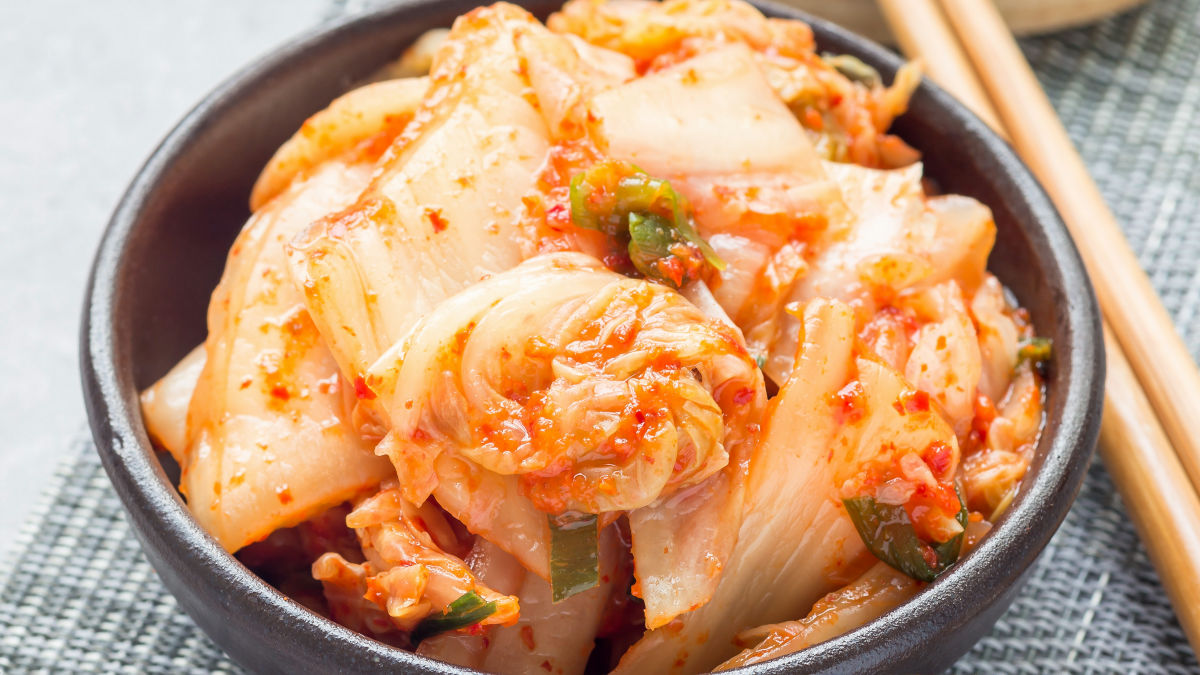
Kimchi, a traditional Korean fermented food, undergoes lactic acid fermentation by lactic acid bacteria, which produces not only its sour and umami flavors but also a variety of physiologically active metabolites, such as organic acids and peptides. The microorganisms and metabolites associated with the fermentation process are known to exert antioxidant, anti-obesity, and immunomodulatory effects, but the specific effects of kimchi on the immune system remain unclear.
A Korean research team conducted a two-week study of 13 obese adults. They randomly divided the subjects into three groups. One group was given kimchi powder fermented naturally by environmental microorganisms, another group was given kimchi powder fermented using a carefully selected bacterial culture kit, and the third group was given a placebo powder every day. The amount of powder given to the subjects was roughly equivalent to eating 30g of fresh kimchi.
The researchers took blood samples from the subjects before and after the experiment and analyzed them using a technique that looks at the activity of individual immune cells, which gives them an idea of how each cell in the immune system responded.
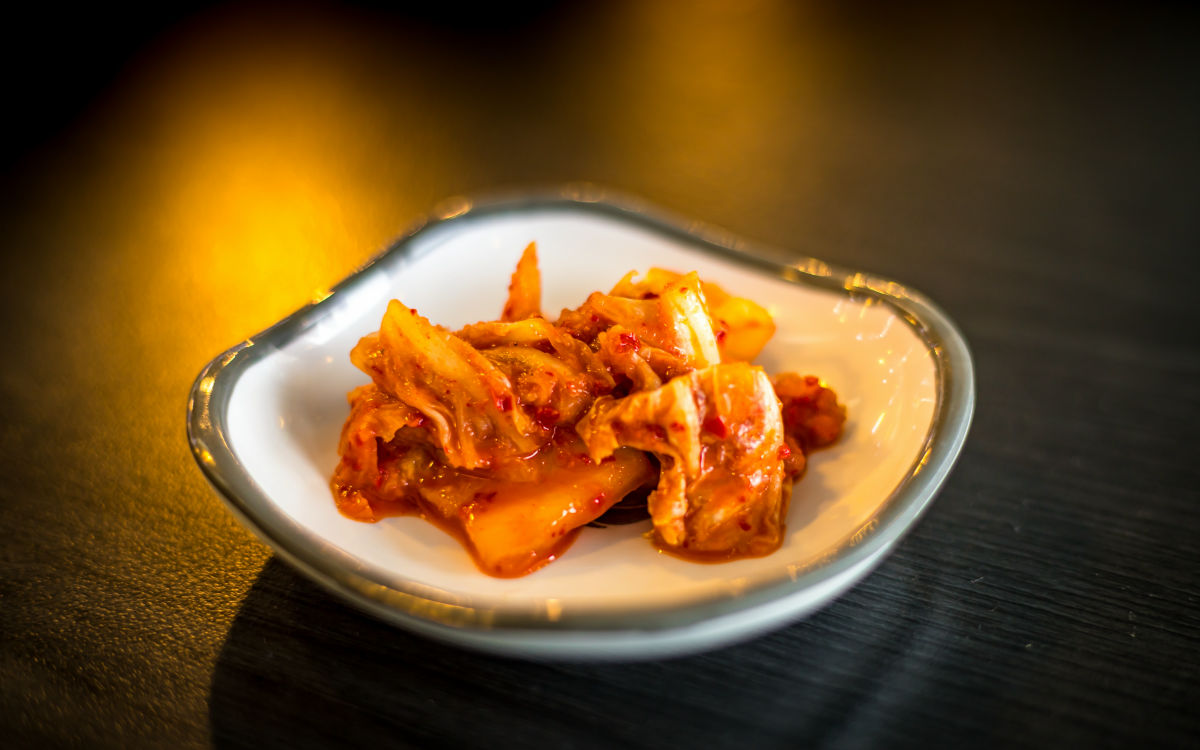
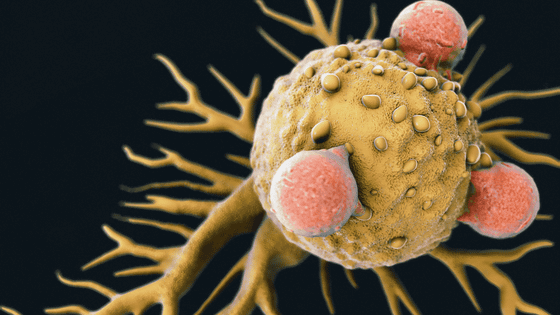
The results of the experiment showed that subjects who consumed kimchi powder had increased activity of
Furthermore, kimchi powder increased the activity of certain genes that help antigen-presenting cells send signals to helper T cells, as well as genes that enable helper T cells to respond more quickly to targets that provoke an immune response. Because helper T cells are responsible for coordinating the immune response, these changes can also support the work of other immune cells.
'Kimchi powder only activated antigen-presenting cells and helper T cells, with little change observed in other immune cells. Because an overreaction of the immune system can be harmful to health, these results suggest that kimchi effectively boosts the immune system without causing excessive inflammation.'
All types of kimchi powder were effective, but the kimchi made using the bacterial culture kit had a slightly stronger effect.
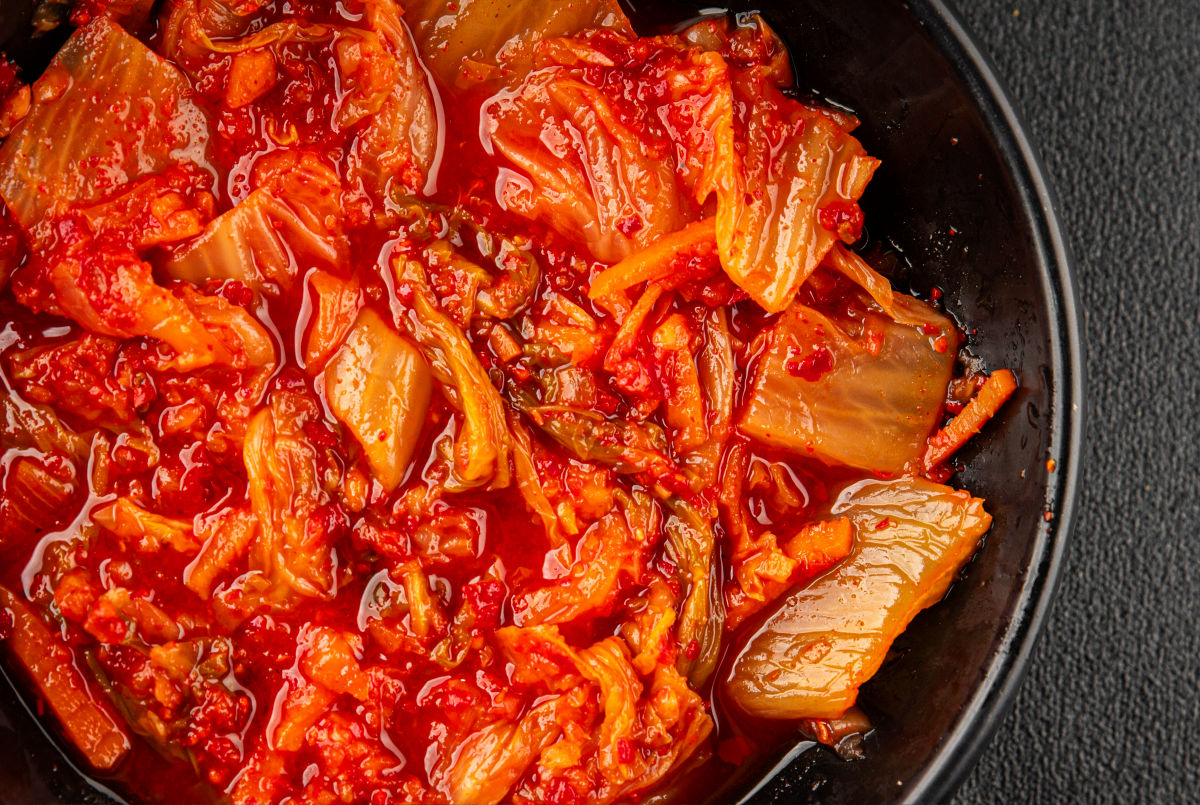
The results of this study suggest that kimchi may have potential benefits in areas such as virus protection, vaccine response, and inflammation regulation. However, it should be noted that the study was small and did not actually examine health benefits such as suppressing infection or inflammation.
Related Posts: