More than 140 titles and valuable materials that were distributed on the 'Sega Channel,' which was ahead of its time, will be restored
Phil Salvador of the Video Game History Foundation (VGHF) announced a major project on December 15, 2025, to preserve the history of the Sega Channel, a cable TV game streaming service developed by Sega in the late 1990s. Since its service ended in the late 1990s, the Sega Channel has been shrouded in mystery for many years due to the loss of data and materials. However, after two years of investigation, the VGHF has successfully restored valuable materials, including over 100 new ROMs.
The Secrets of Sega Channel: VGHF recovers over 100 Sega Channel ROMs (and more) | Video Game History Foundation
Don't Just Watch TV: The Secrets of Sega Channel - YouTube
Sega Channel was a service for cable TV subscribers that began in 1994. By inserting a dedicated cartridge into the Mega Drive console, users could play a variety of games via cable TV for 3,000 yen per month. It also offered game hints, demos, and even titles that were not released in Japan or the US. The following website compiles the actual cartridges released in Japan, as well as the original manuals and screen shots.
■About the Sega Channel...
https://www.lcv.ne.jp/~mgs1988/sega/segachannel.html
The Sega Channel was a service that was ahead of its time in that it delivered game data to home game consoles for a fixed monthly fee. However, as the transition to the next-generation console, the Sega Saturn, began in 1994, the service was discontinued in Japan in 1996 and in the United States in 1998.
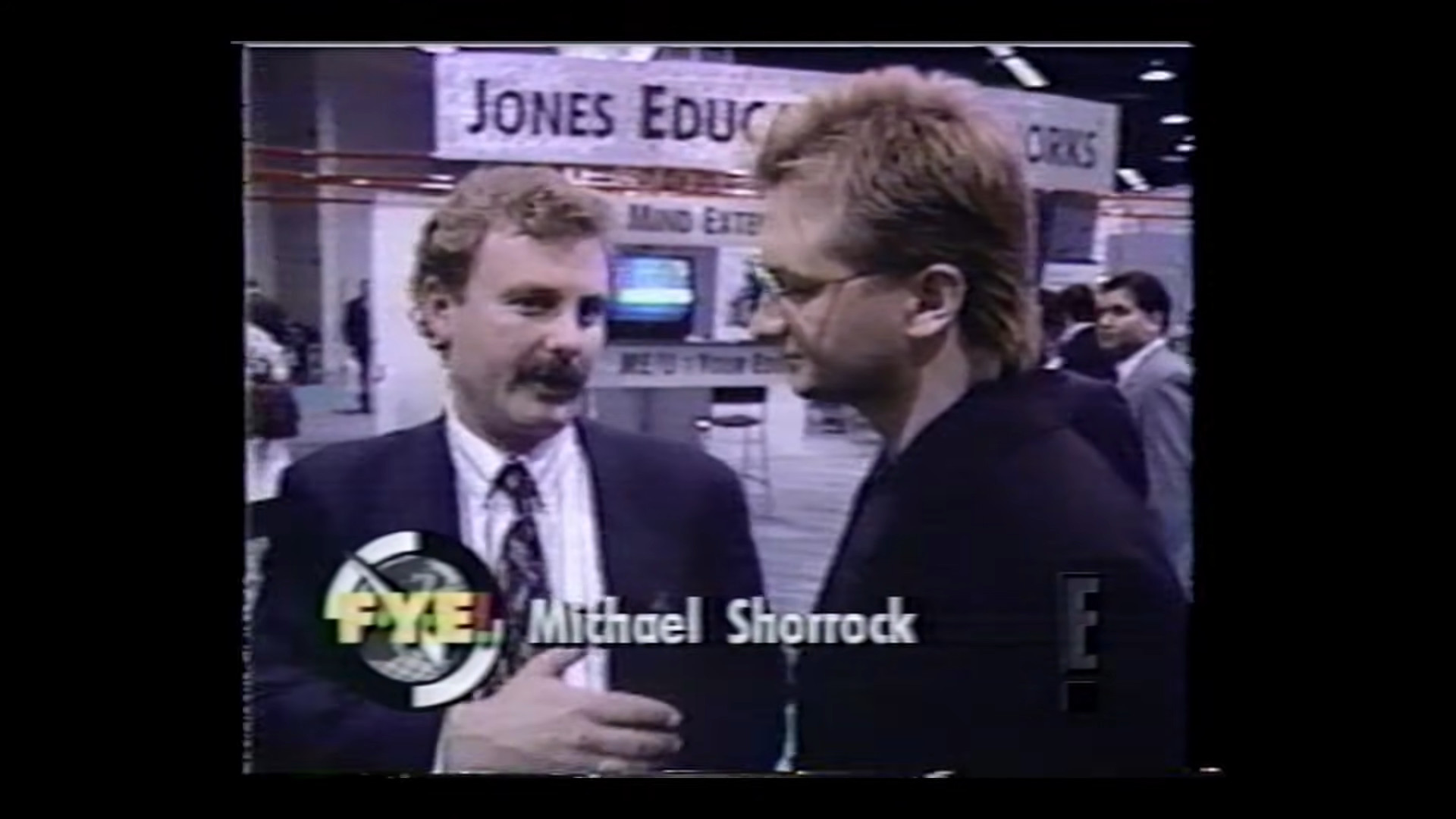
This project got off the ground when VGHF met Michael Shorrock, former vice president of programming at Sega Channel, at GDC Expo 2024. At the time, VGHF's booth happened to have a promotional pamphlet with Shorrock on the cover, which led to the formation of a collaborative relationship.
At the same time, a community member named Ray, who goes by the name 'SegaChannel Guy,' contacted a former staff member and obtained tape backups containing internal data and numerous ROM data. By combining Shorrock's personal collection with Ray's data backups, a comprehensive story was constructed that sheds light on the operation of the Sega Channel and the full picture of the content it streamed, which had previously been shrouded in mystery.
The results of this project are divided into two main collections: the 'Michael Shorrock Collection,' which includes internal documents, memos, and presentation materials related to the establishment and audience of the Sega Channel, as well as information about Express Games, a planned but unannounced PC streaming service that was intended to succeed the Sega Channel.
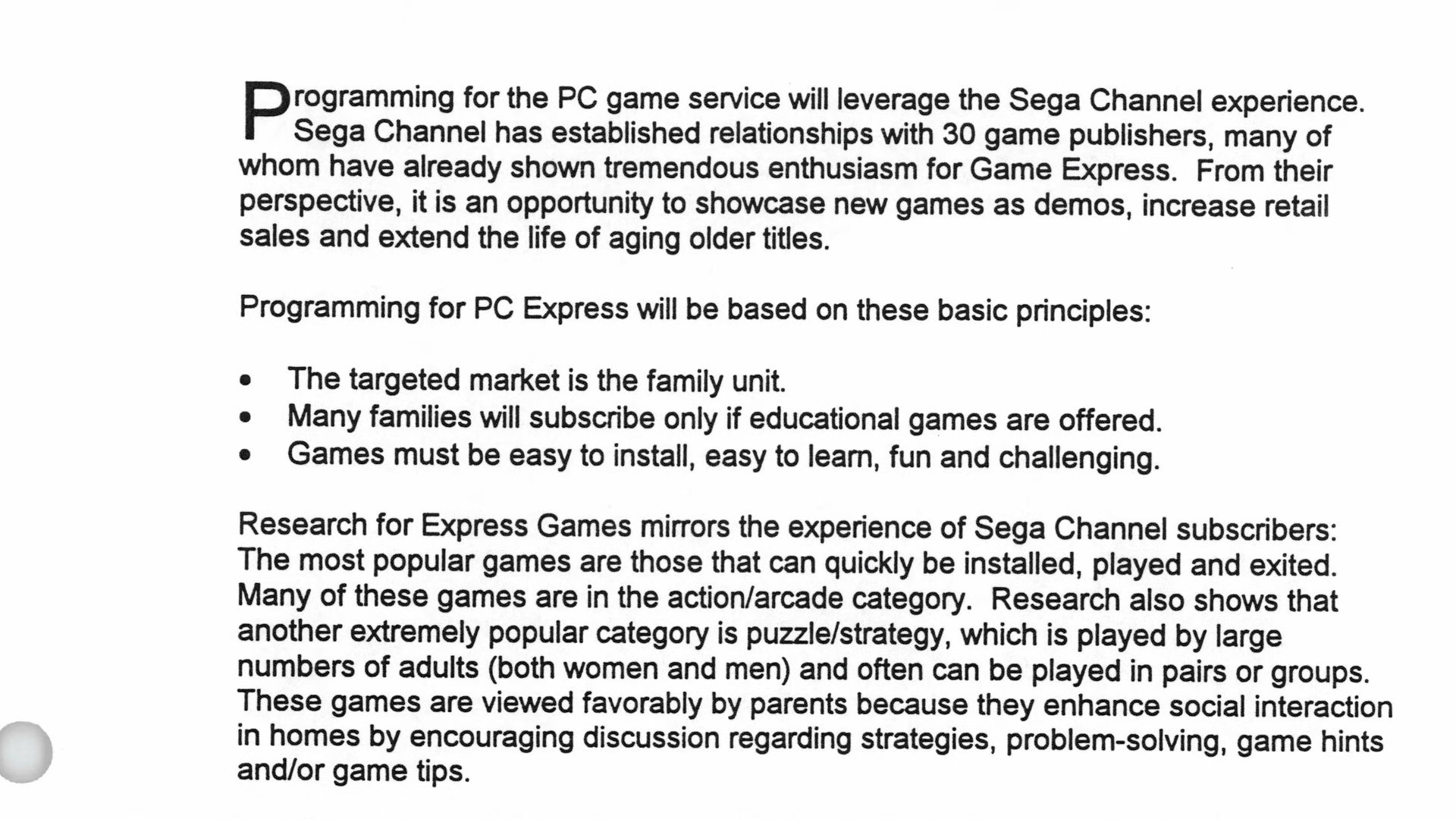
The other is the Sega Channel ROM Data Collection. Initially, it was said that there were 142 games distributed on the Sega Channel, but after recounting, two different versions were found, and it was confirmed that there were a total of 144 titles. Salvador said that this project has covered almost all of the games exclusive to the Sega Channel.
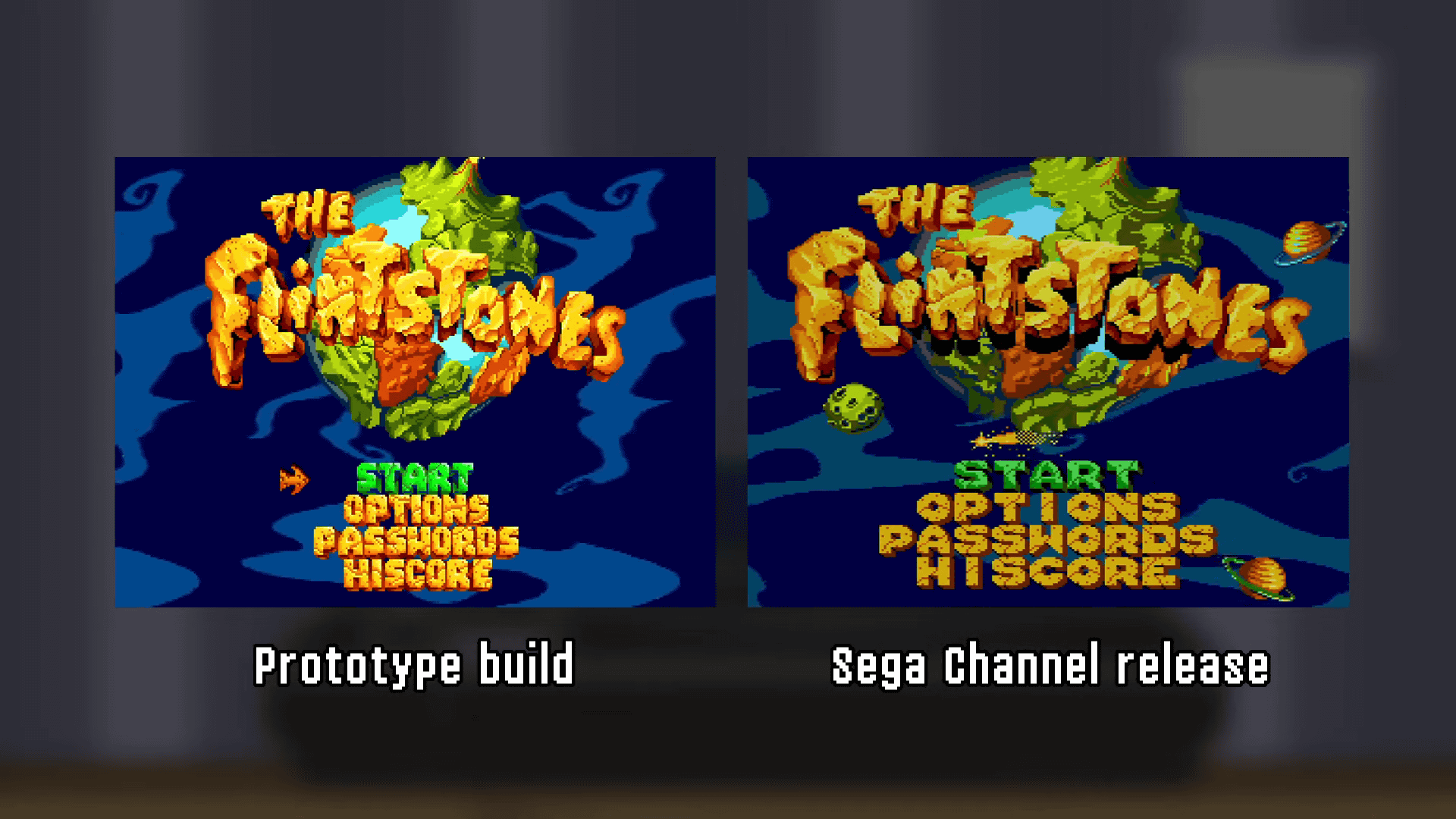
In particular, games previously thought to be lost, such as 'Garfield: Caught in the Act - The Lost Levels' and 'The Flintstones,' as well as many versions exclusive to the Sega Channel, have been discovered. These are likely projects that were abandoned and reused as content exclusive to the Sega Channel.
Additionally, it has been confirmed that 'Ozone Kid,' which was previously reported in a magazine article as the first Sega Channel exclusive title, was never actually released. Internal data indicates that it was removed from the plans in July 1994 due to development issues.
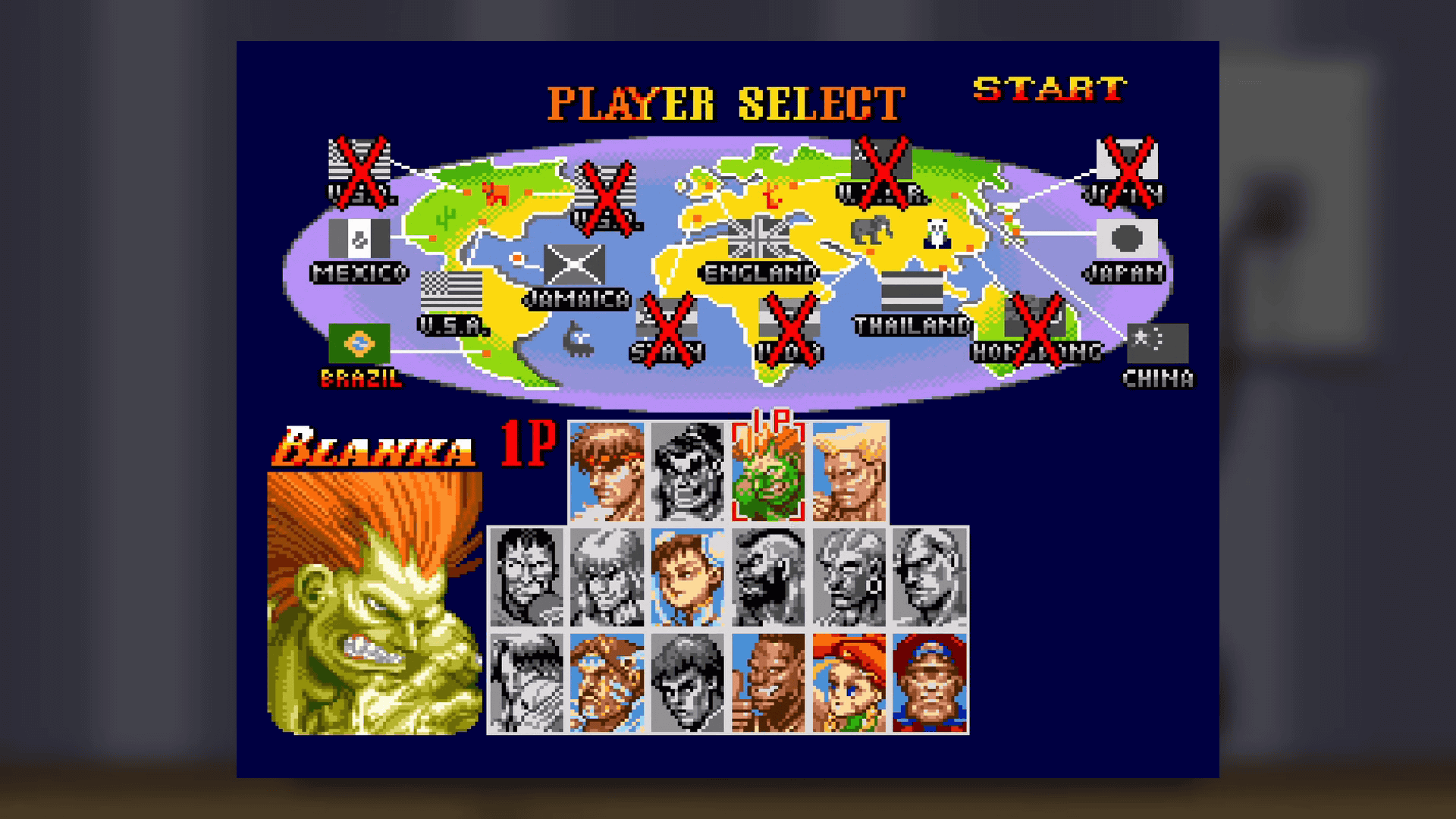
In addition, special editions with reduced content to fit file size limits have also been preserved, including Super Street Fighter II with a reduced number of characters and Sonic 3D Blast, which was split into separate games with a password function. In addition to these titles, almost every title released between 1994 and mid-1997 has also been discovered, including a prototype web browser that delivered websites over cable TV lines.
Salvador also noted that this project would not have been possible without the cooperation of data tape expert Chuck Guzis, who passed away in 2025. He credits Guzis's work with salvaging the data from the tapes, and his contributions to the digital preservation community are invaluable.
Related Posts: