Amazing example of a 3D model rendered from over 100 million 3D Gaussian distributions after scanning an entire city
Using
Real time rendering 106.4M Gaussian Splats in M2 MacBook Air without any preprocessing in AirVis Engine, I guess it's too much.
— Arun Kurian (@AKurian001) November 7, 2025
Scan by @AndriiShramko pic.twitter.com/45zm9rkYMC
The rendered 3D model of the city can be seen below.
Jastrzębia Góra 103M Splats by Andrii Shramko — splatter.app
https://splatter.app/s/lzs-xtl
The above site looks like this. You can change the camera direction by dragging the mouse, or change the viewpoint by right-clicking and moving the mouse. You can also move the viewpoint more precisely by using W (forward), S (backward), A (left), D (right), Q (up), and E (down) on the keyboard.
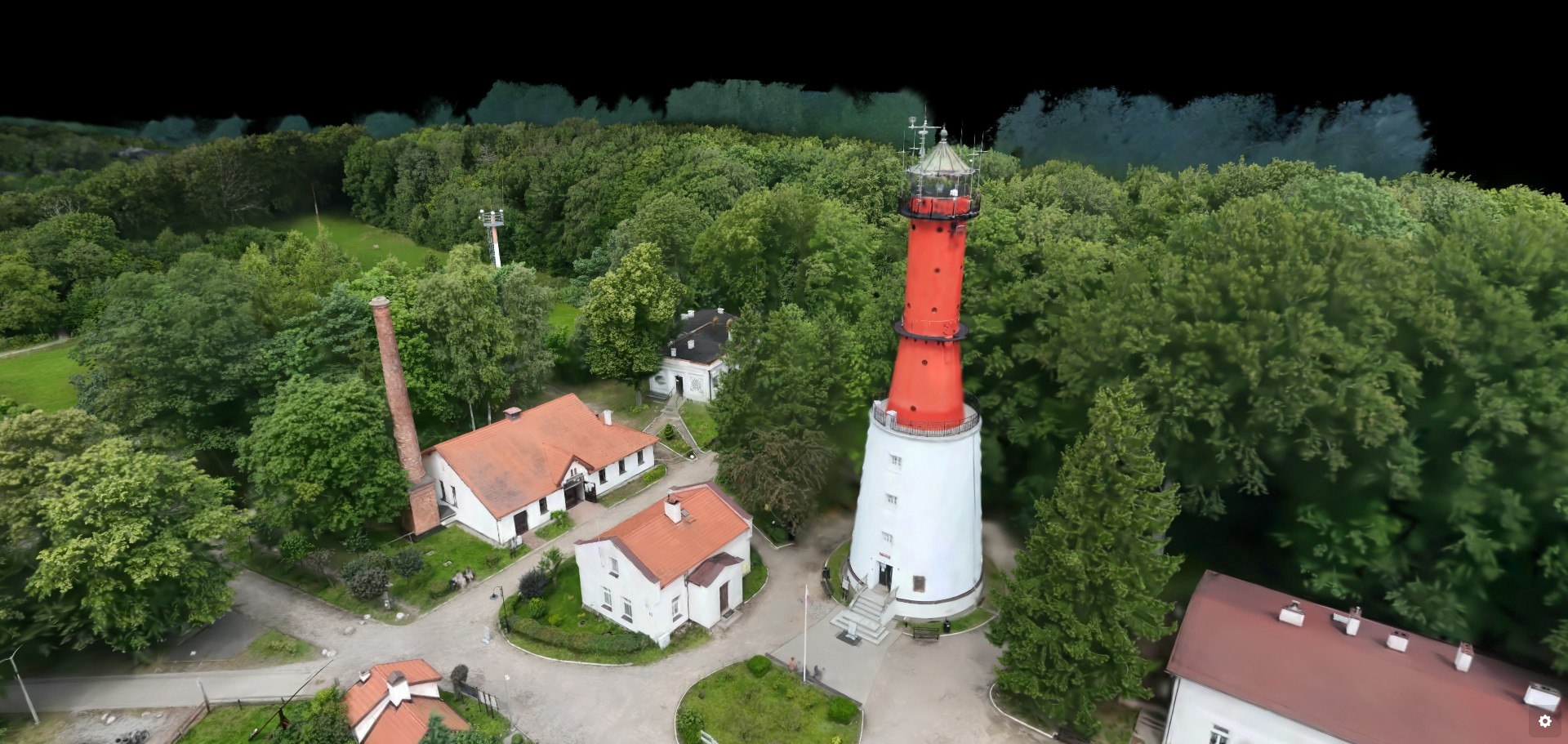
The camera is pulled back a little to move the viewpoint behind the building. You can see from the image that it is so intricately crafted that it is hard to believe it was rendered.
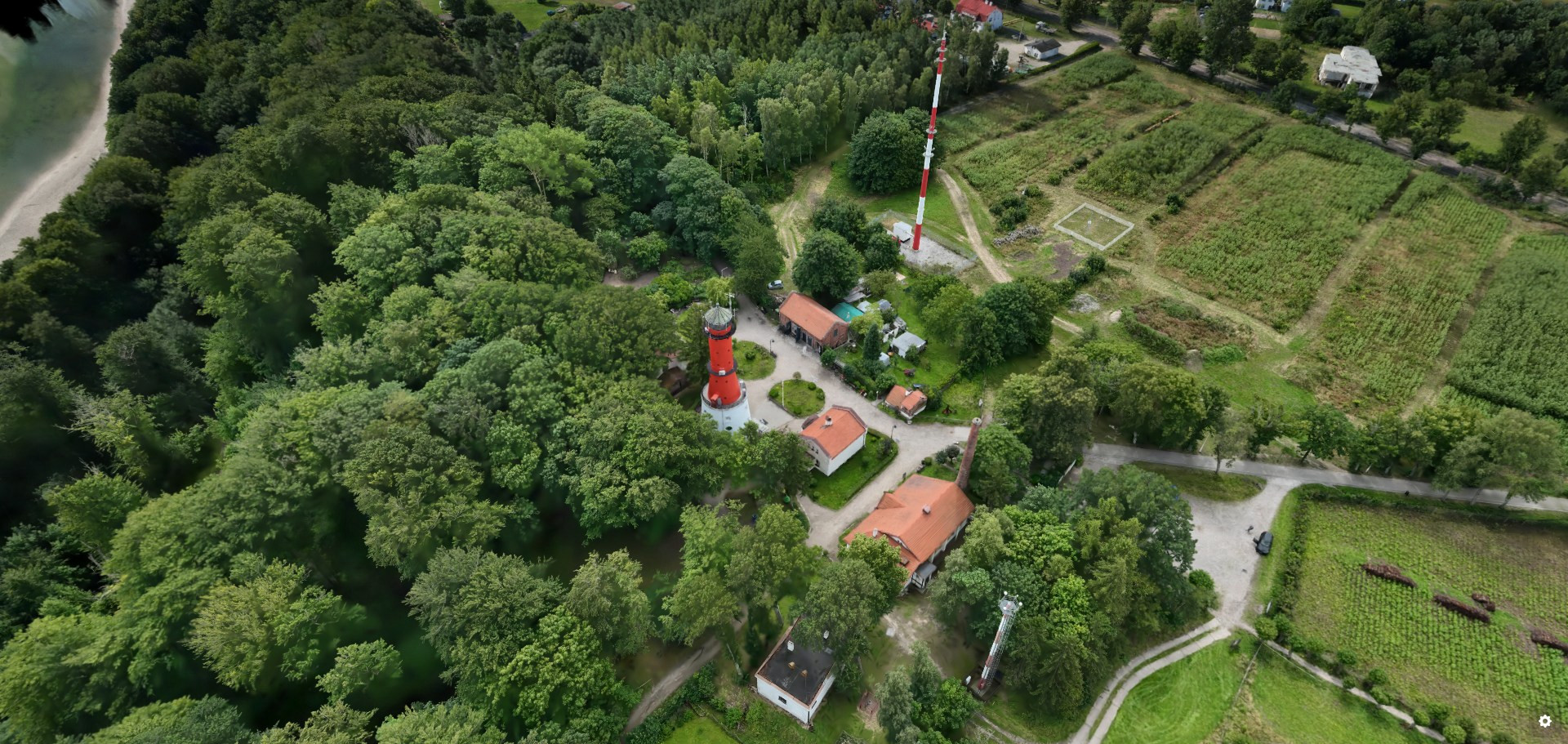
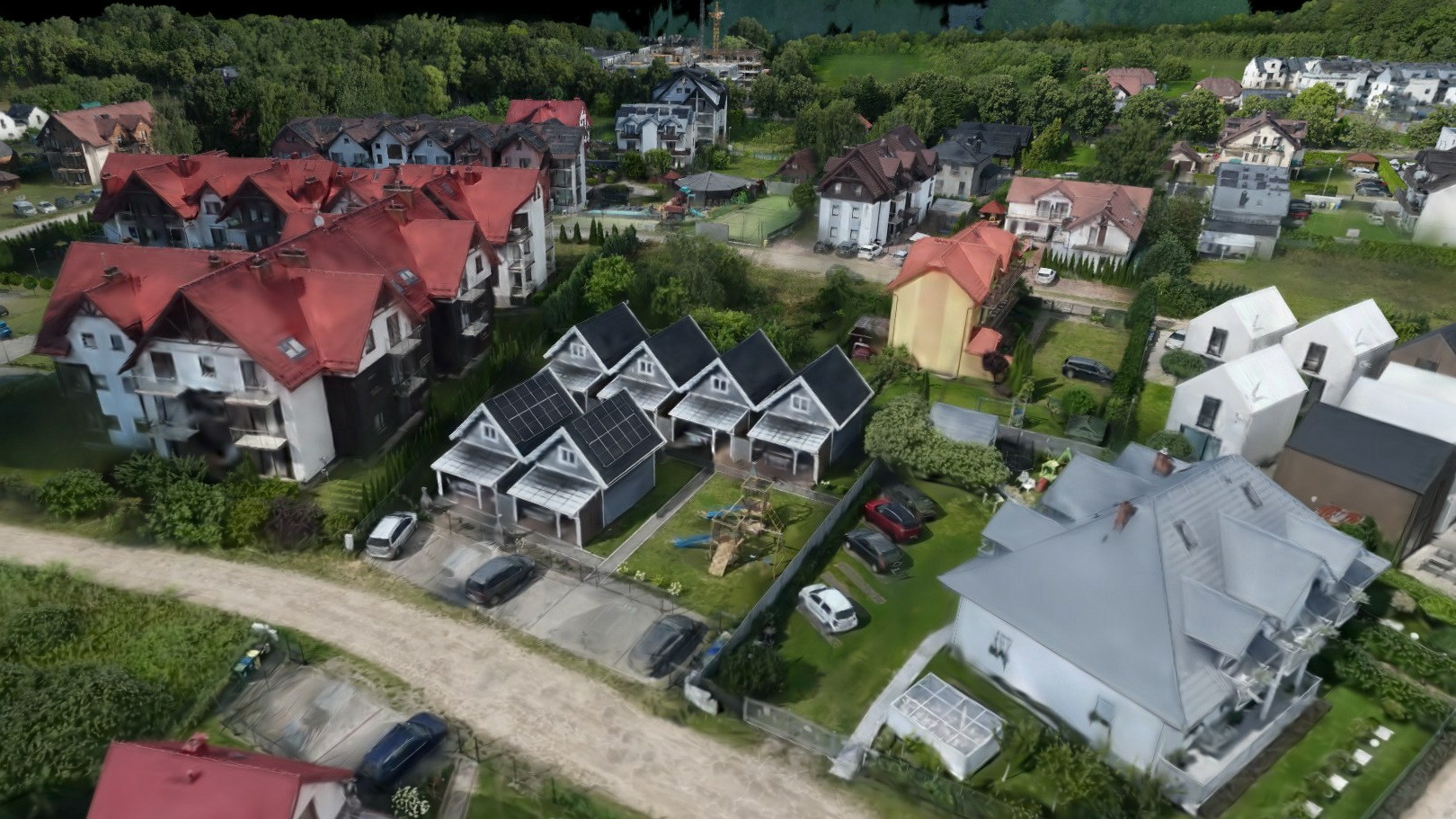
Here's a closer look at another building. Because it was rendered from an image, the texture is a bit rough, but the shape of the roof, the ducts running along the walls, and even the cars parked in the parking lot are all accurately reproduced in 3D.
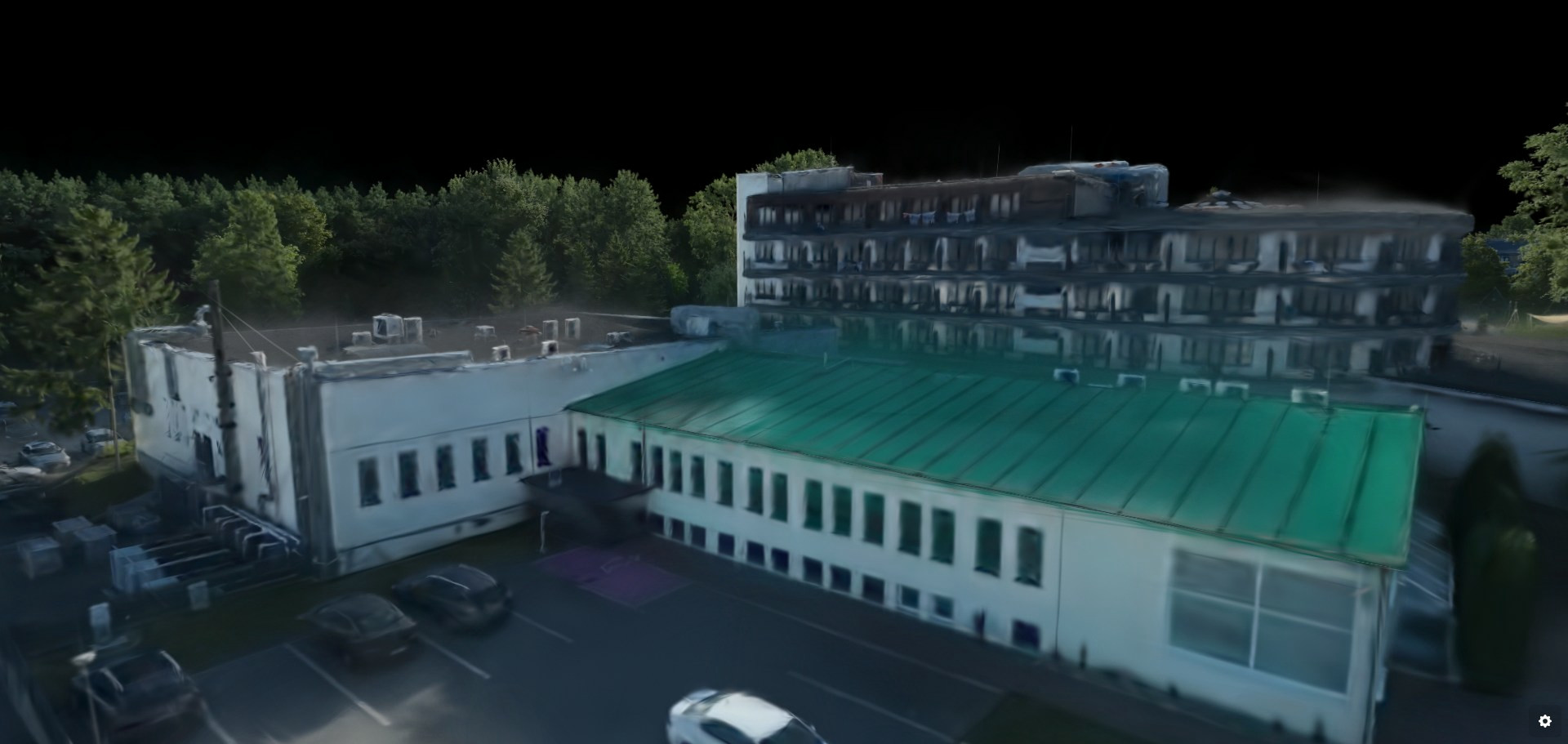
The camera angle is lowered to recreate the view of the city from above. The height and shape of the buildings are accurately modeled, giving the experience a sense of realism.
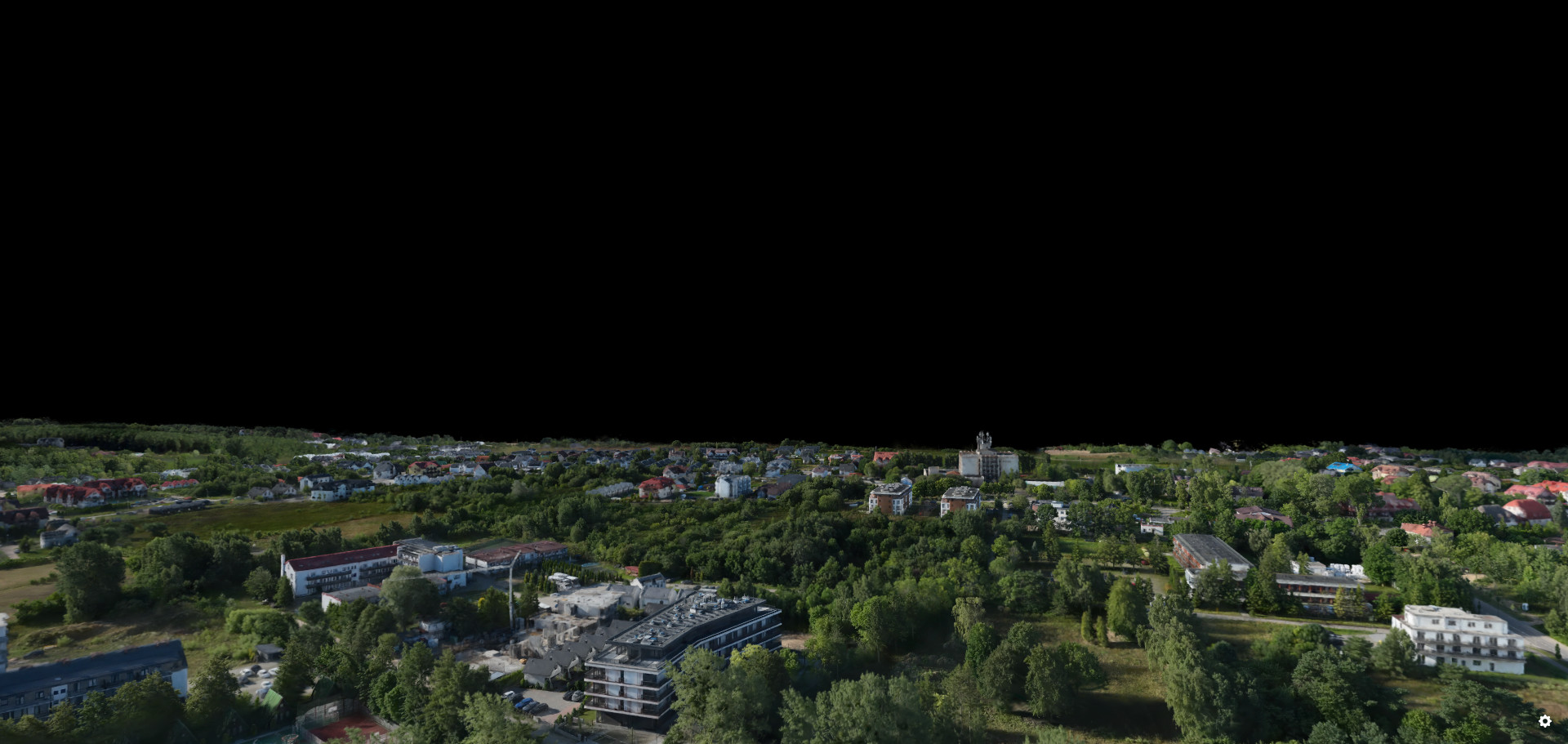
If you pull the camera back as far as you can and fit the whole city into the frame, it looks like this.
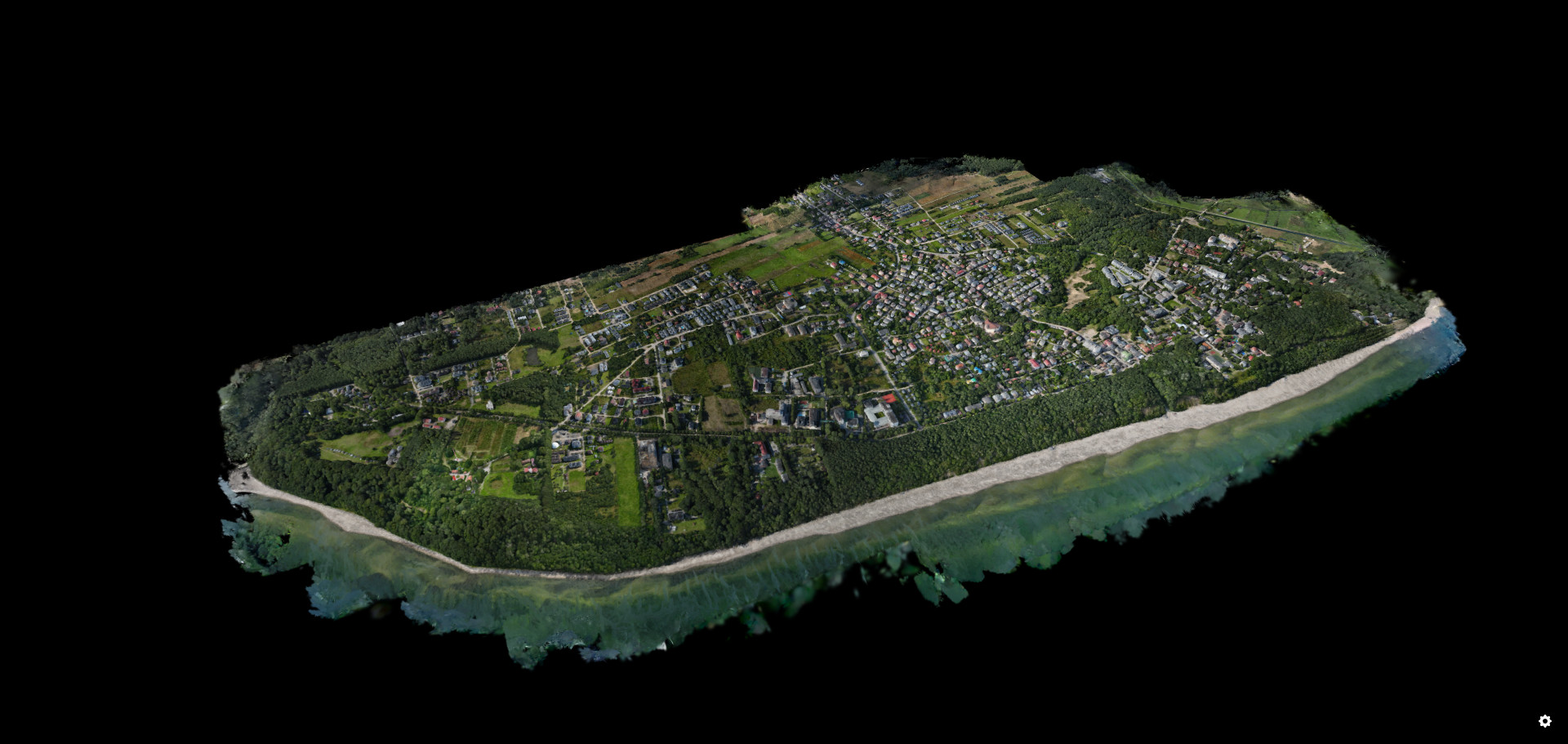
The 3D model of the city was rendered from photos taken by Andriy Shramko using AirVis , an app that allows you to create 3D spaces, and a MacBook Air with M2.
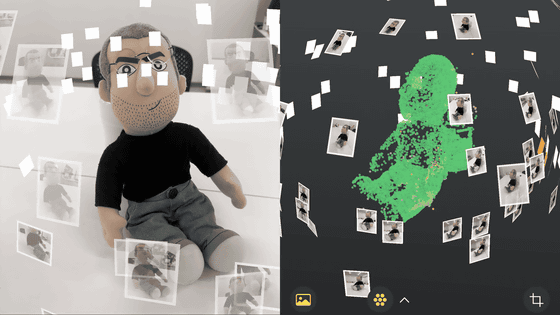
Scanning and rendering with AirVis allows you to instantly create a 3D model of your surroundings.
3D Scanning took a huge leap this year.
— Arun Kurian (@AKurian001) December 10, 2025
Below scans took less than a minute each, using just a phone.
Scanned and Viewed with AirVis App https://t.co/lxb9BmdFrd pic.twitter.com/khnDcoykHa
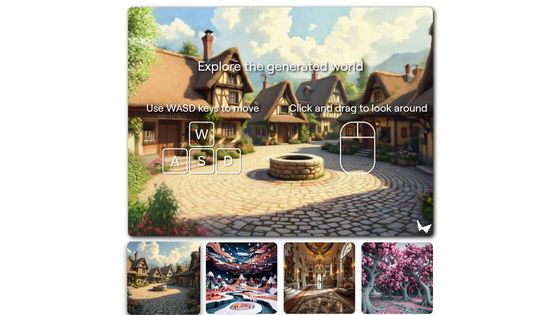
It seems that the 3D world created by World Labs can also be explored with AirVis using Apple Vision Pro, Meta Quest 3, etc.
Recreating the world of Avatar in just a few minutes.
— Arun Kurian (@AKurian001) December 11, 2025
Made using WorldLabs.
Viewed in AirVis app
Apple: https://t.co/lxb9BmdFrd
Android: https://t.co/BaDvGZ2p45
Quest: https://t.co/jDXjAD9786 pic.twitter.com/OrxTgrIlwT
Related Posts: