How does a tattoo removal laser work?
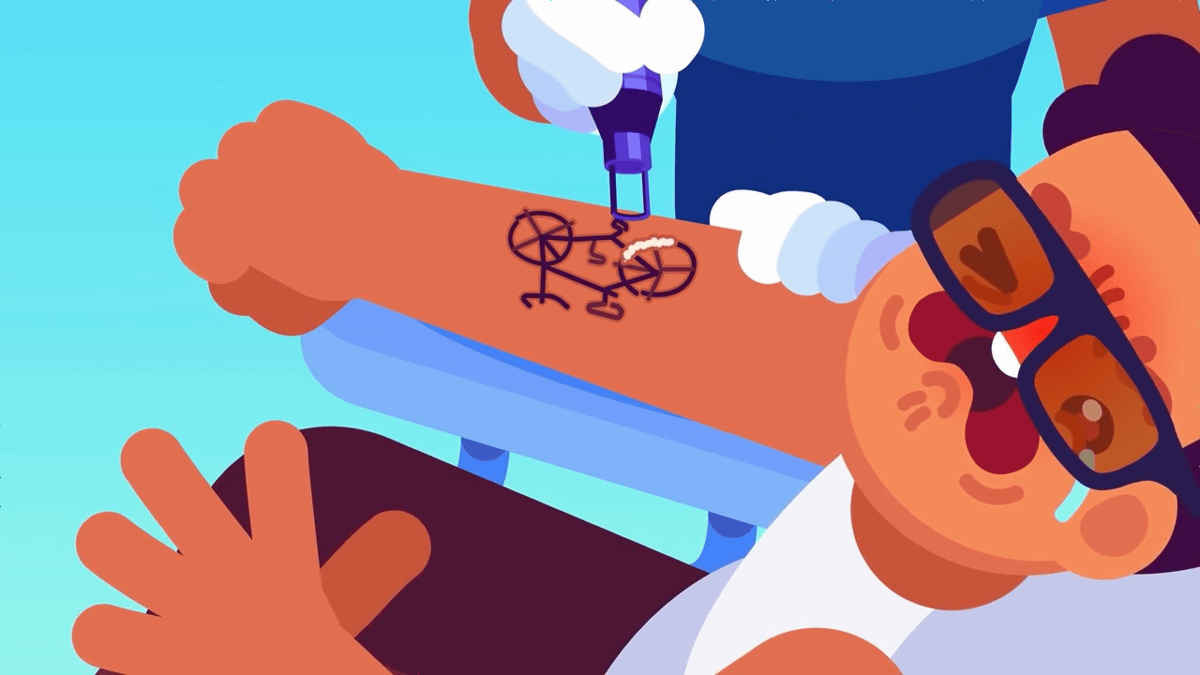
Some people get tattoos as a way of fashion or self-expression, but there are also disadvantages, such as not being able to undergo MRI scans or being denied access to hot springs. The science-based YouTube channel Kurzgesagt explains how laser treatments can be used to remove such tattoos.
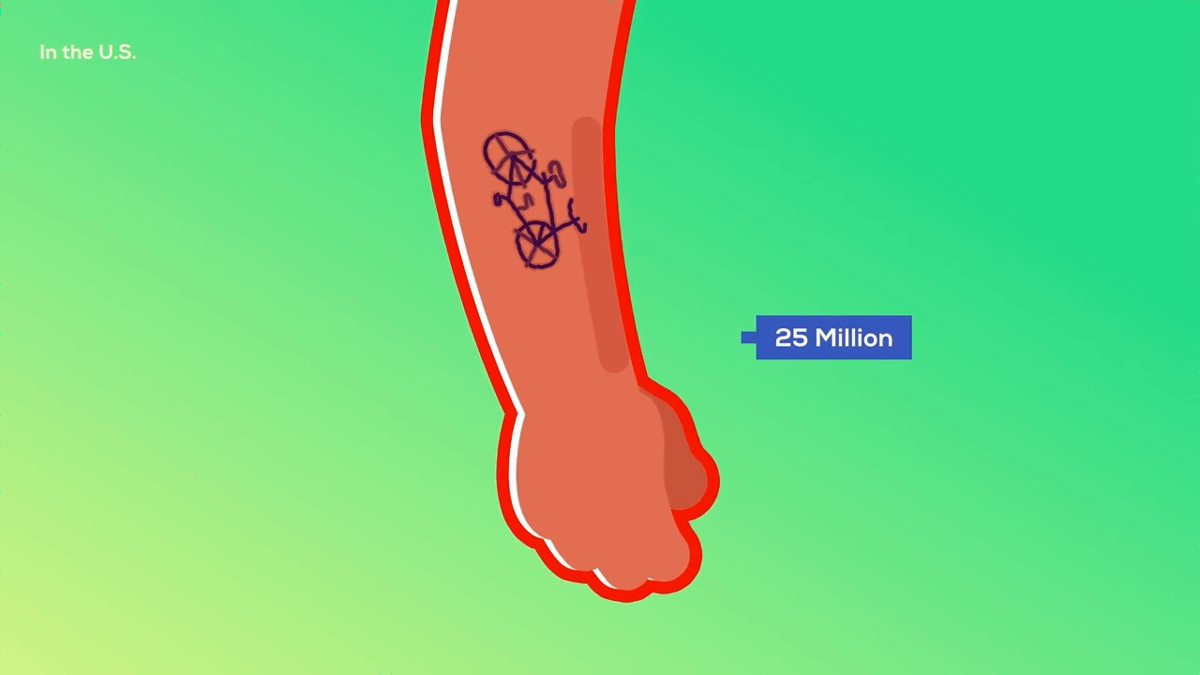
One in four people with tattoos regret getting one, and 25 million Americans think they shouldn't have gotten one.
Young people in particular often use tattoos to express illustrations that reflect modern culture, messages commemorating milestones in life, designs that show off their individuality, and marks that indicate membership in a group.
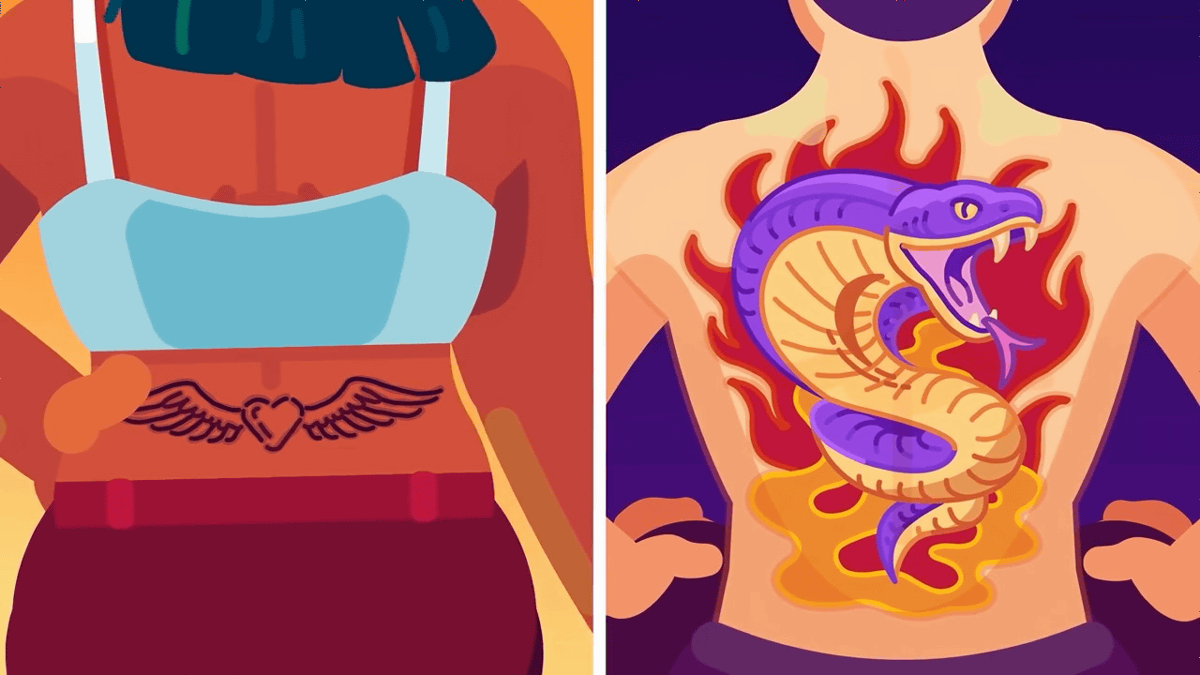
However, as people get older, they may find that the message of their tattoo no longer suits them, their values change from when they were younger, or they may feel that their tattoo is dirty, and they may want to remove it. Today, the number of people seeking laser tattoo removal is on the rise, and it has become as common as visiting the dentist.

Laser tattoo removal is one of the 'most metallic things you can do to your body,' says Kurzgesagt, a high-tech procedure that can be extremely painful.
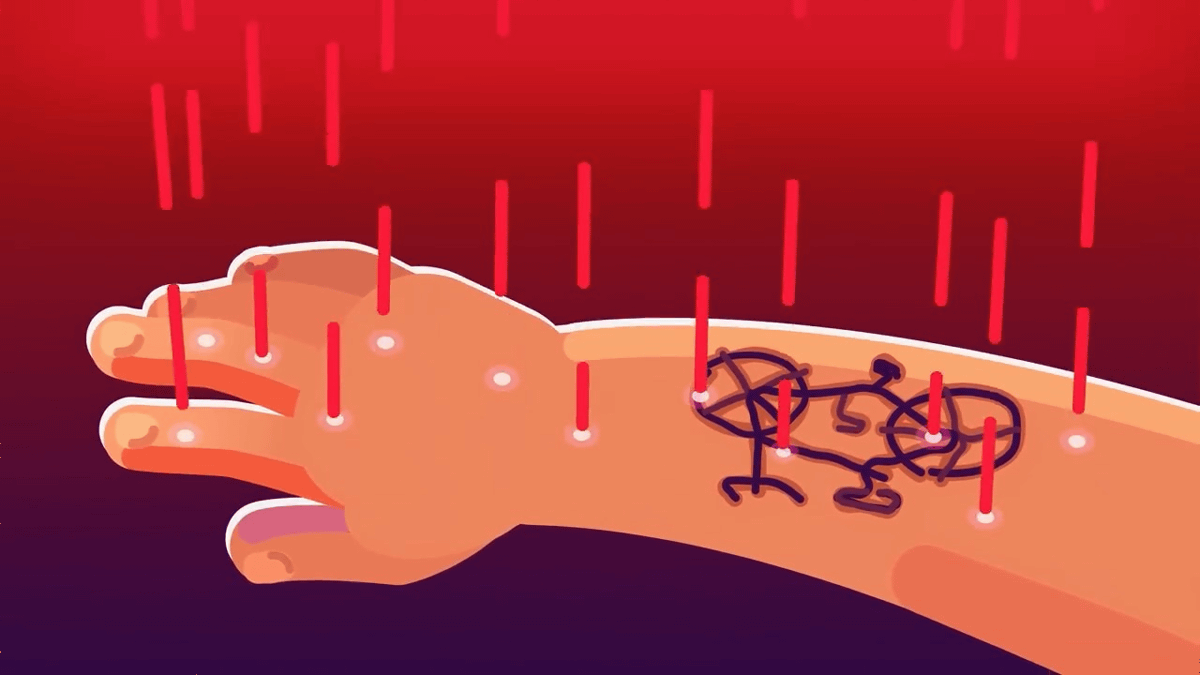
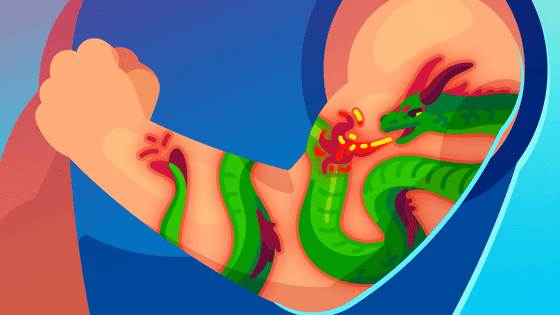
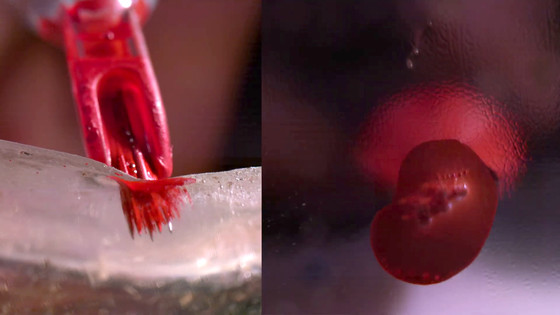
Tattooing involves creating an incision with a large needle and injecting ink deep into the dermis to color the skin.
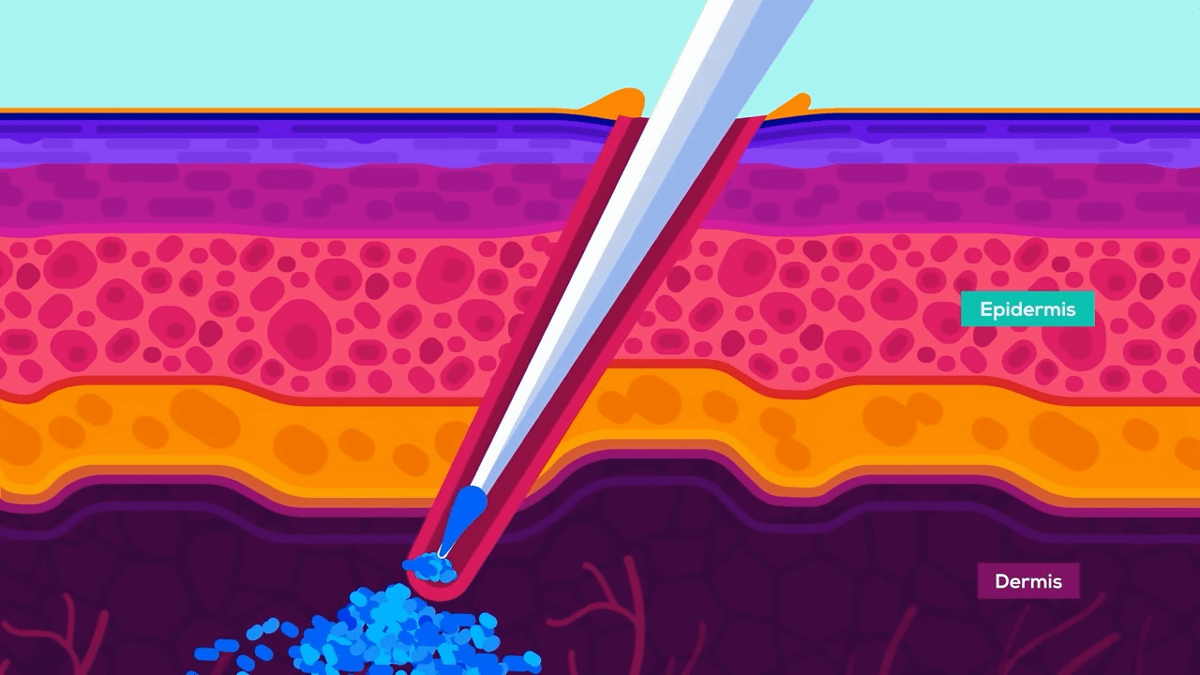
The body tries to remove tattoo ink, but the ink particles are too large for immune cells to carry away or ingest, so as a temporary fix, it traps the ink in place with

Tattoo removal lasers work by breaking down established ink particles, but it's difficult to do so without causing significant damage to the human body.

Tattoo removal lasers are essentially
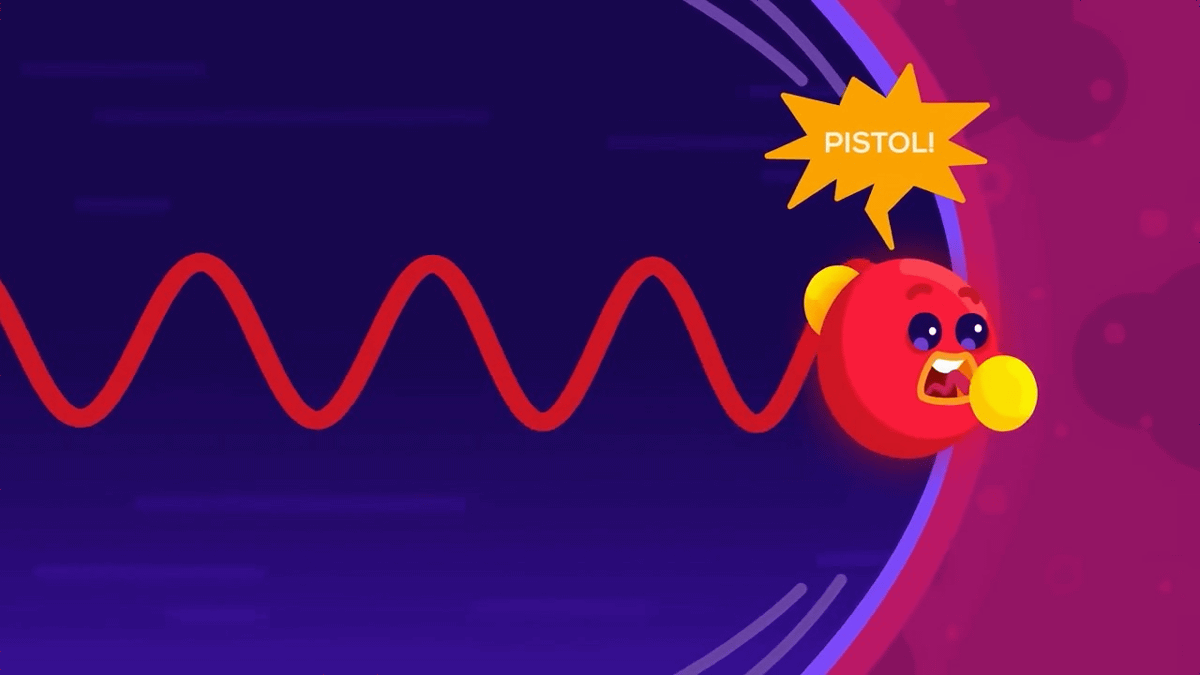
Think of human skin as jelly and ink particles as pieces of burnt toast. When you shine an electric light on it, most of the light passes through the jelly, but the pieces of burnt toast absorb more of the light and are therefore clearly visible.
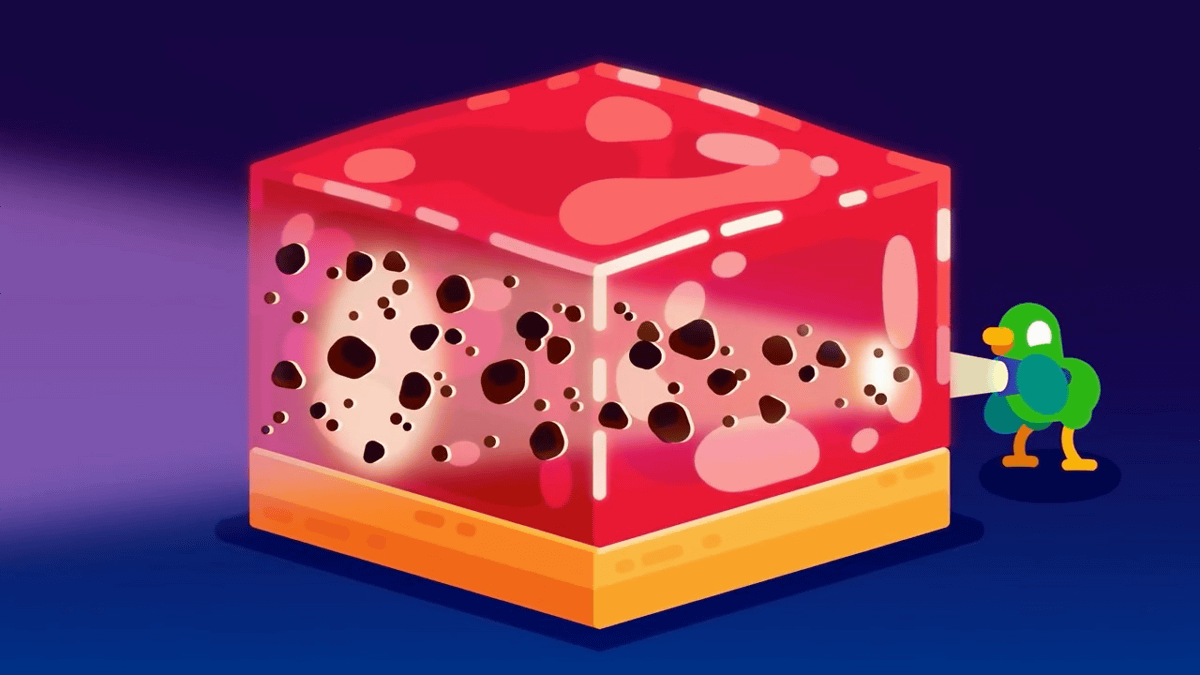
Similarly, certain laser frequencies pass through the skin without causing much damage, but dark ink particles absorb this light. Different ink colors absorb different colors, so different color lasers will be needed depending on the color of the tattoo you want to remove.
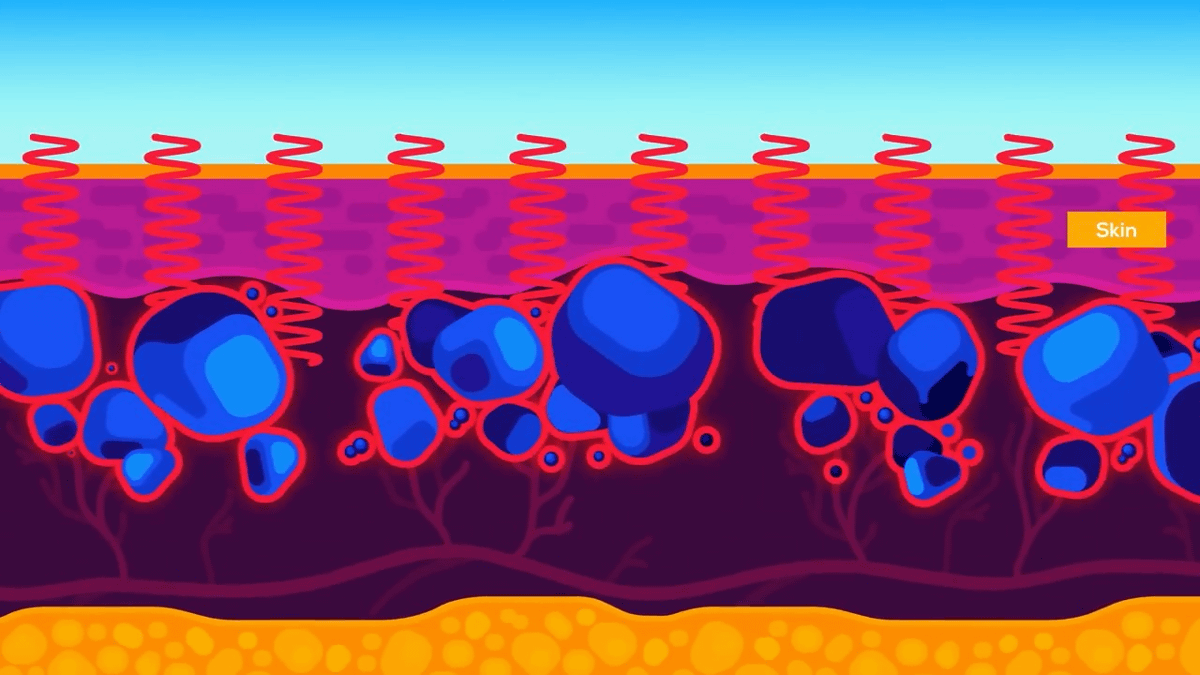
In recent years, tattoo removal using a pico laser, which emits extremely short pulses of about one trillionth of a second, has become more common.
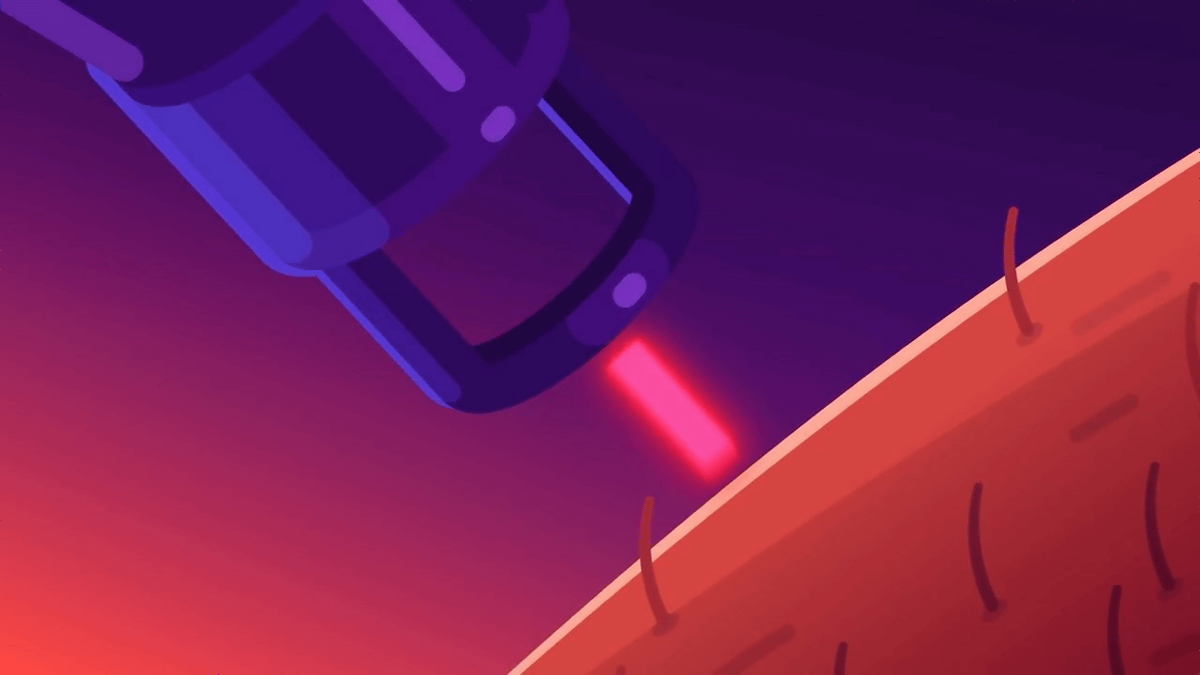
Let's take a look at what actually happens when you apply a tattoo removal laser.
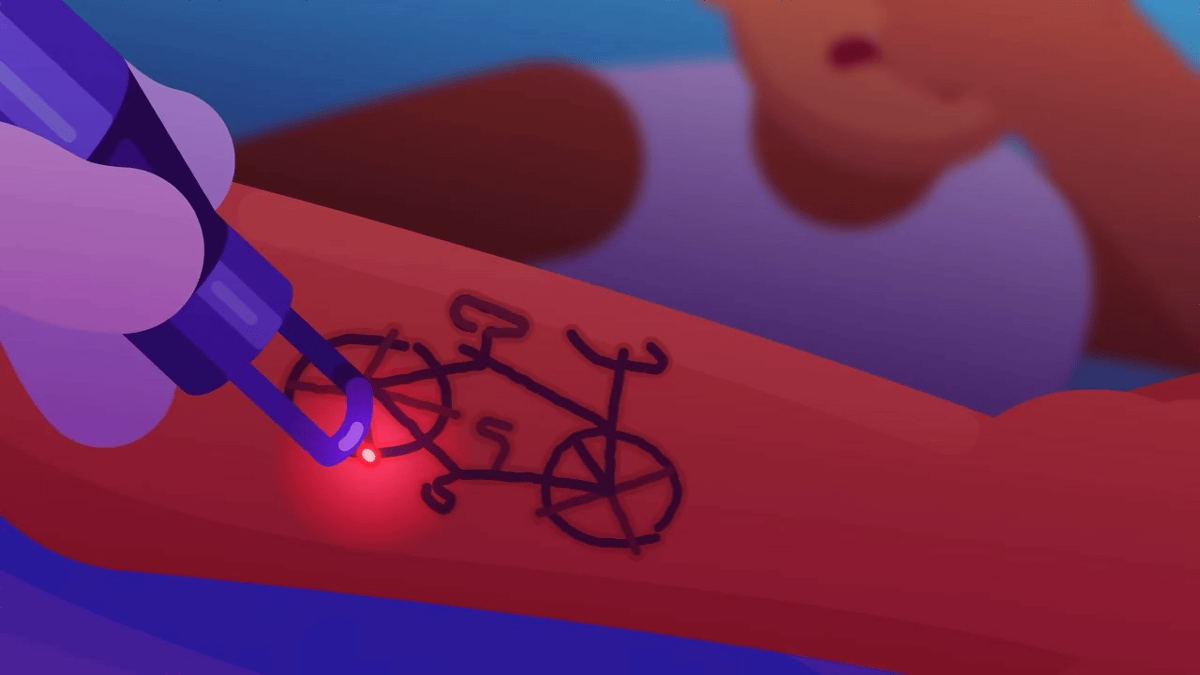
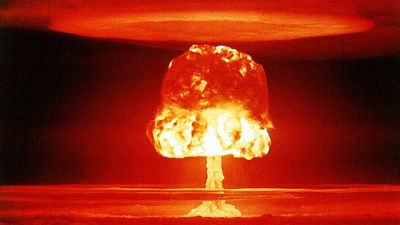
A pulse of high-energy photons hits your arm at nearly the speed of light, penetrates your skin, and reaches the dermis. Most cells don't absorb much of the laser's energy, leaving them largely unharmed. But that changes when the photons continue on their way and collide with ink particles.

The high-energy photon hits the ink particle for only a nanosecond (one billionth of a second), but when it hits a molecule in the ink particle, it is absorbed by an electron in the molecule and annihilated—that is, all of the photon's energy is transferred to the electron.

This sudden influx of energy is converted into heat with nowhere to go, causing the ink particles to quickly rise in temperature to between 200 and 600 degrees Celsius. Overwhelmed by the sudden heat, the ink particles expand rapidly and are subjected to such intense physical stress that they violently split and shatter, seemingly exploding.

This creates a huge amount of ink particle fragments that are hot enough to boil water at the tattoo site.
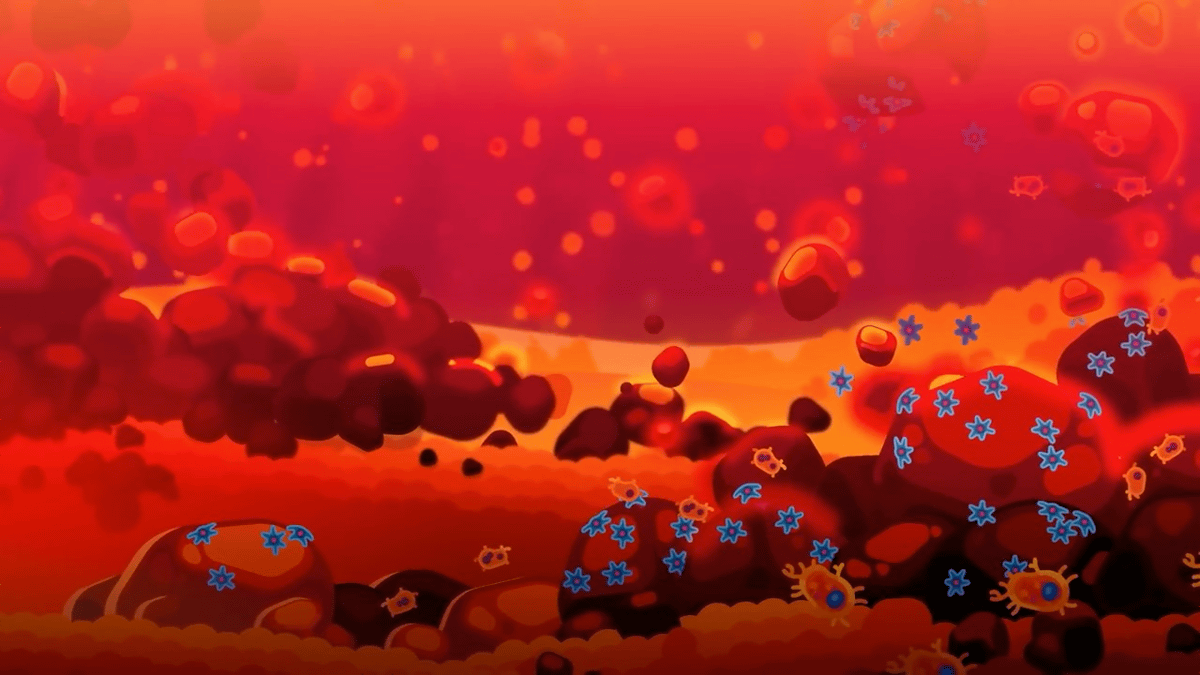
As this happens within the skin, the water in the surrounding tissue and cells instantly evaporates, causing rapid expansion. This tears cells apart, creating cavities of hot steam bubbles inside the skin. Furthermore, the shock waves from this sudden expansion can destroy nearby tissue, causing further chaos and damage, Kurzgesagt explains.
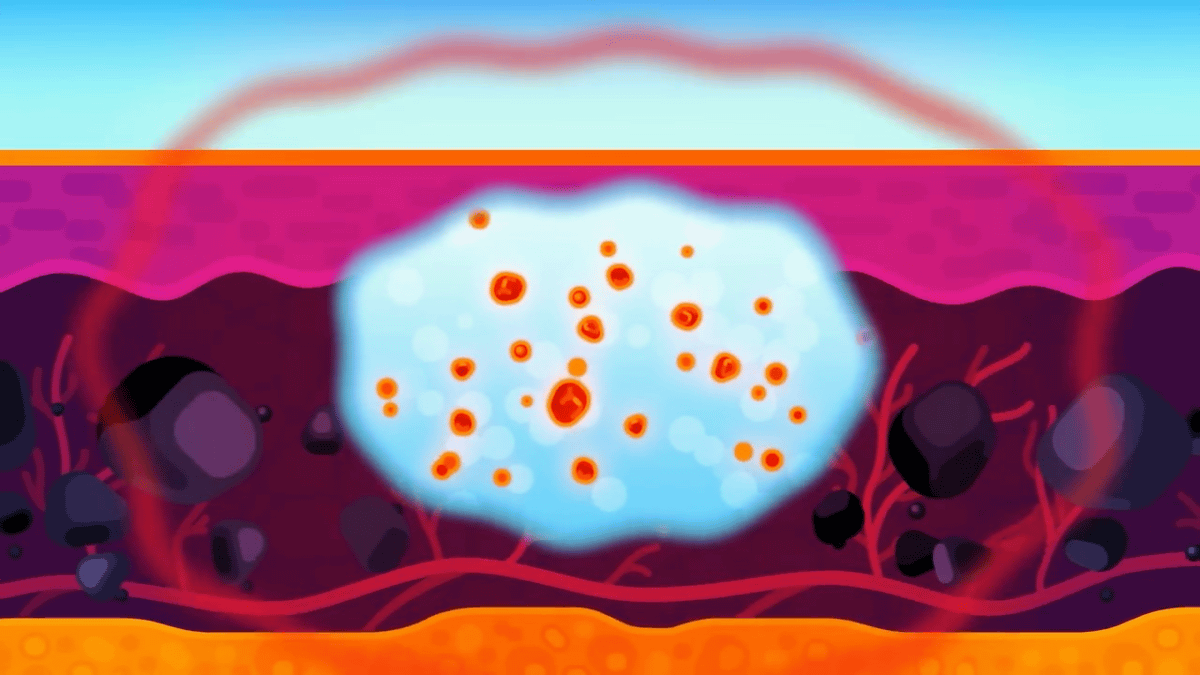
'The cells that previously maintained the tattoo are thrown into chaos. The cells that hold the tiny ink particles inside are torn apart, and the cells that surround the larger ink particles are severely damaged. The tiny blood vessels in the area are severely torn and bleed. Because the tattoo removal laser is used repeatedly, these events occur repeatedly in the same area.'
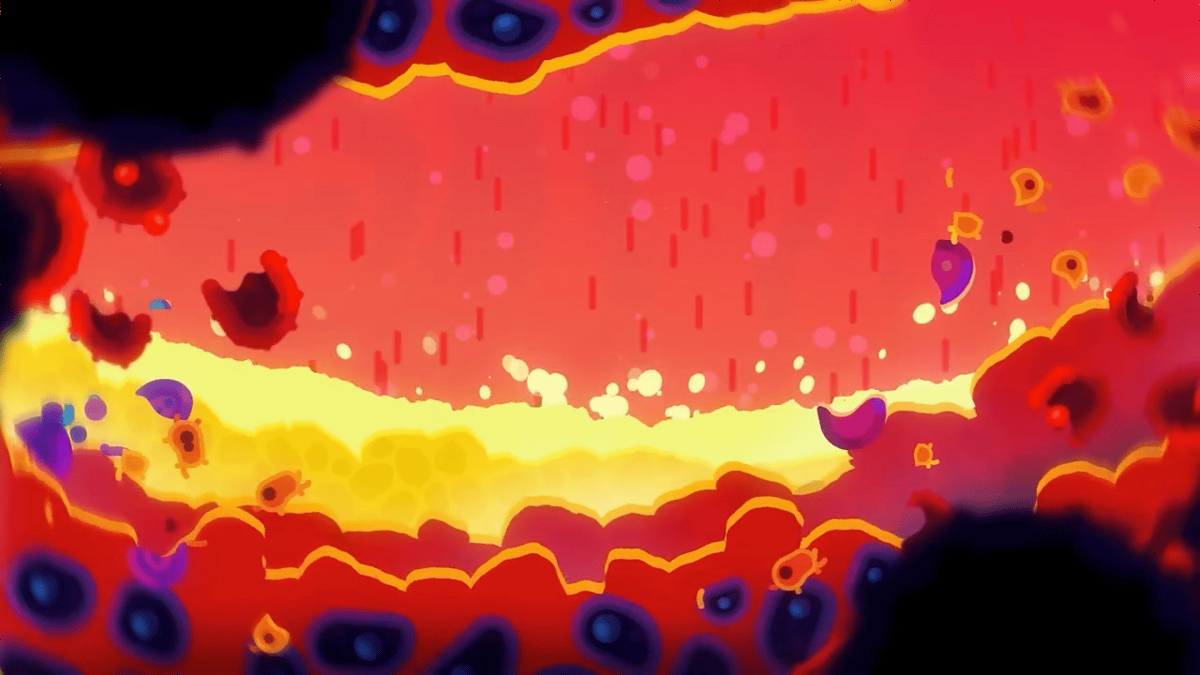
The person receiving treatment may feel a sharp pain similar to an electric shock, smell something like burnt hair, and hear a crackling sound.
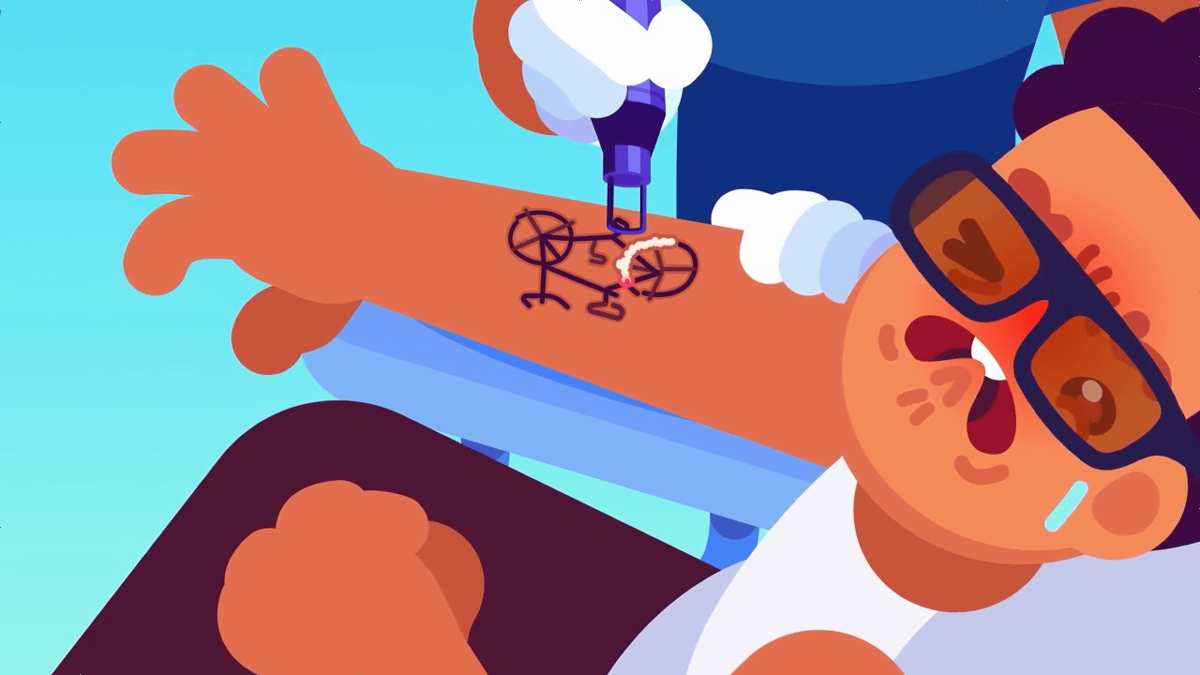
The area of the tattoo that the laser hits will immediately turn white because hot gas bubbles expand under the skin. To ease the pain, the area may be cooled with cold air for a while.
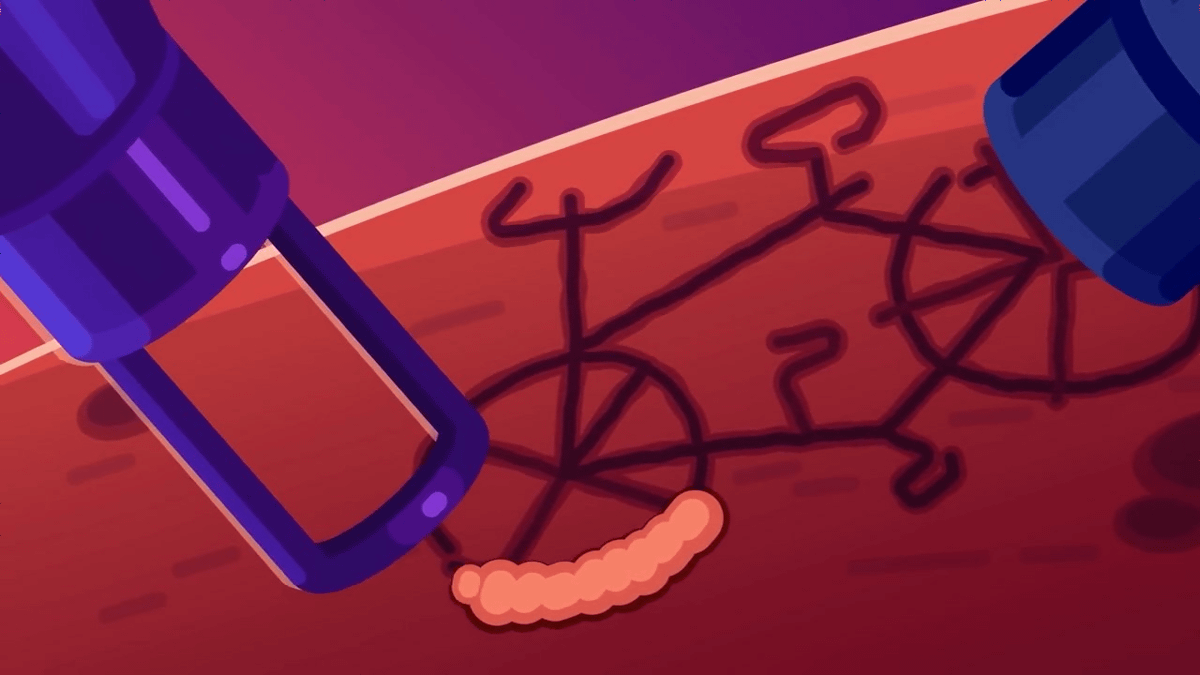
After the laser hits the body, the heated, torn pieces of cells float among the hot ink particles and water vapor, damaging many cells and sending out chemical signals, just like an internal burn.
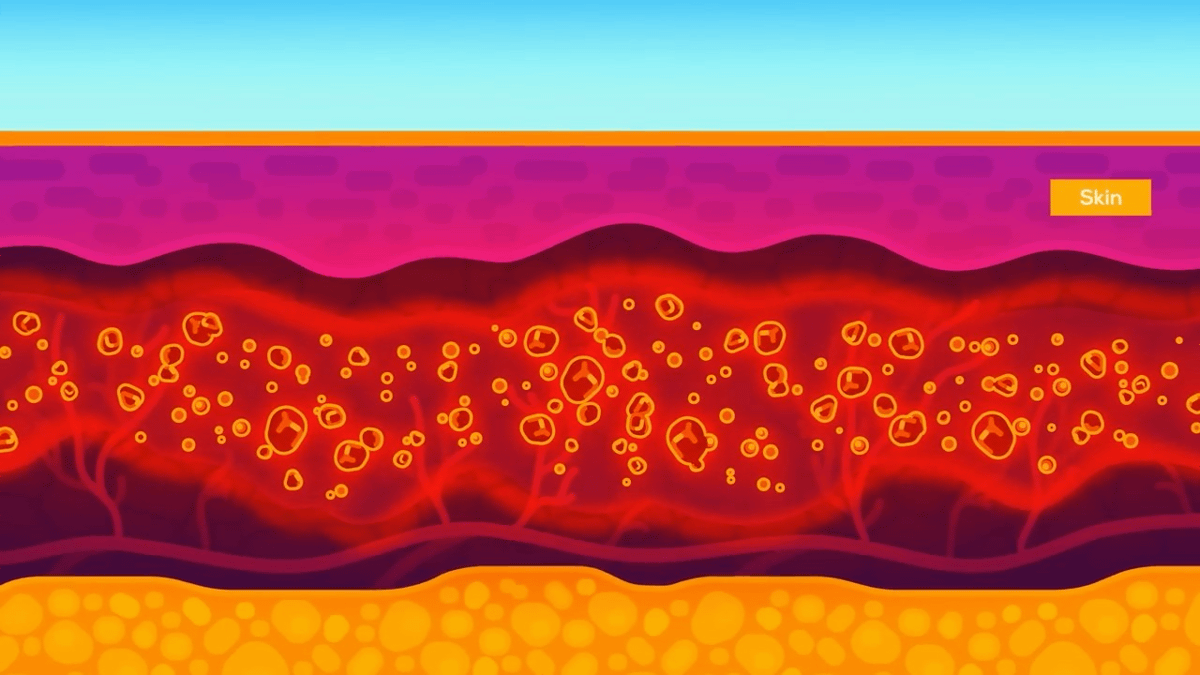
A large number of macrophages flow into the area irradiated with the laser and clean up the dirt. This induces inflammation, which opens blood vessels and allows fluid to flow in. As a result, the injured skin becomes swollen and red.
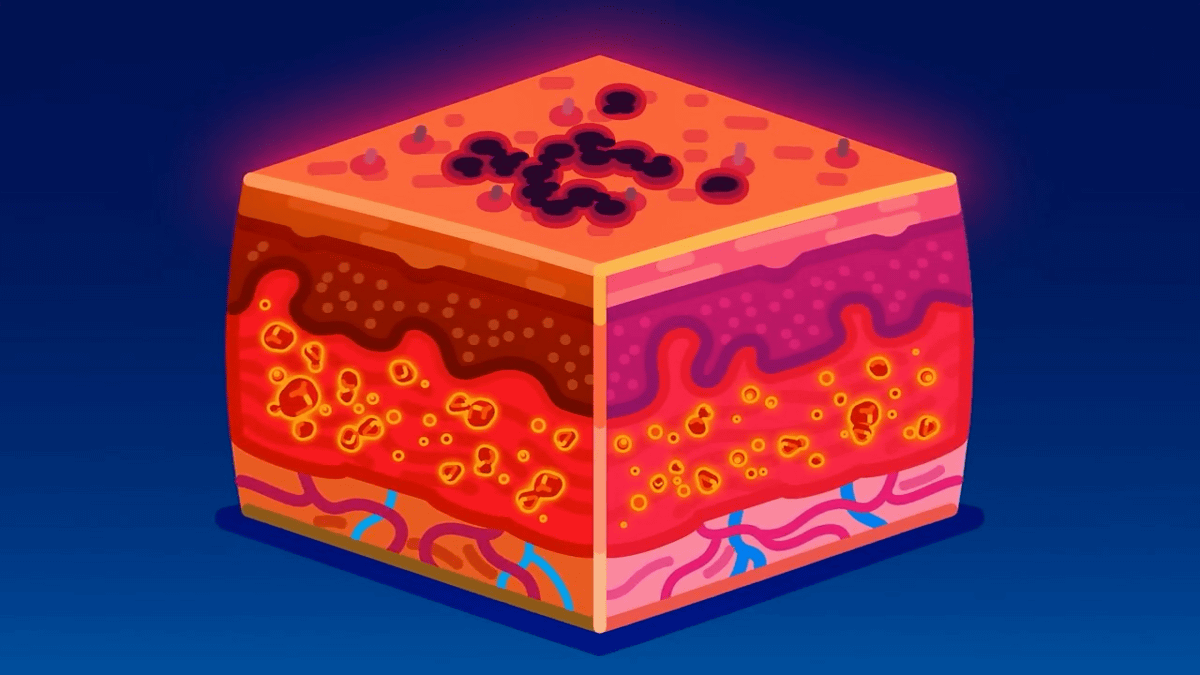
Fragments of ink particles are also shed by body fluids or ingested by macrophages and transported to lymph nodes.
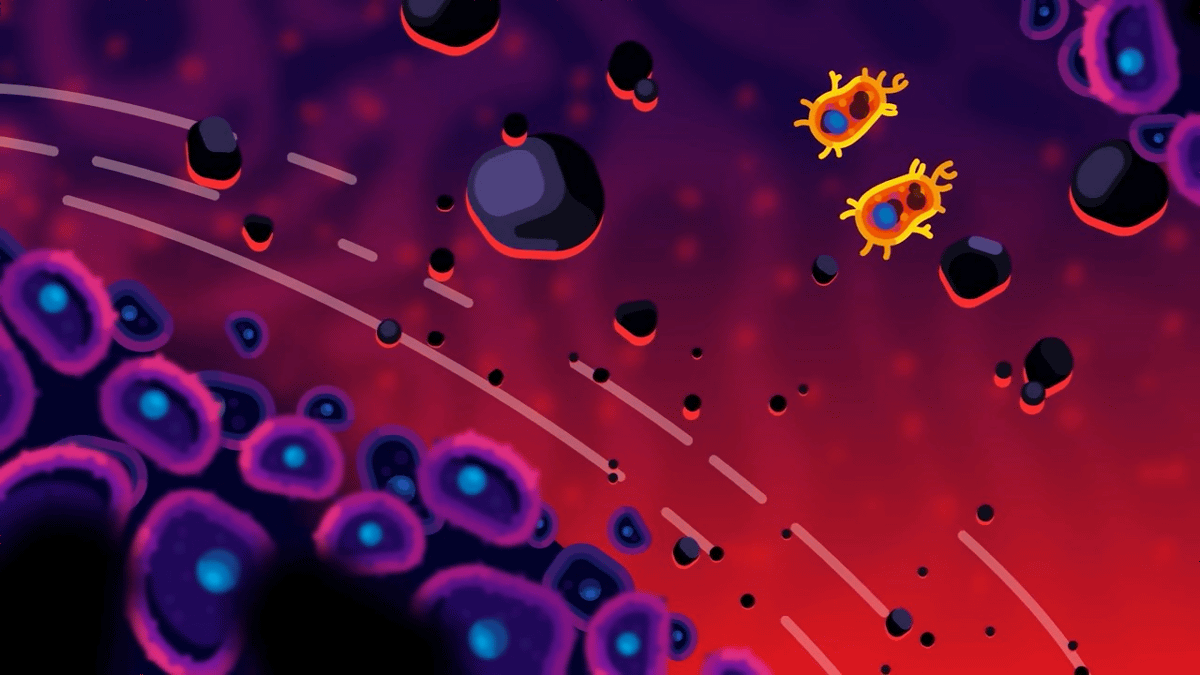
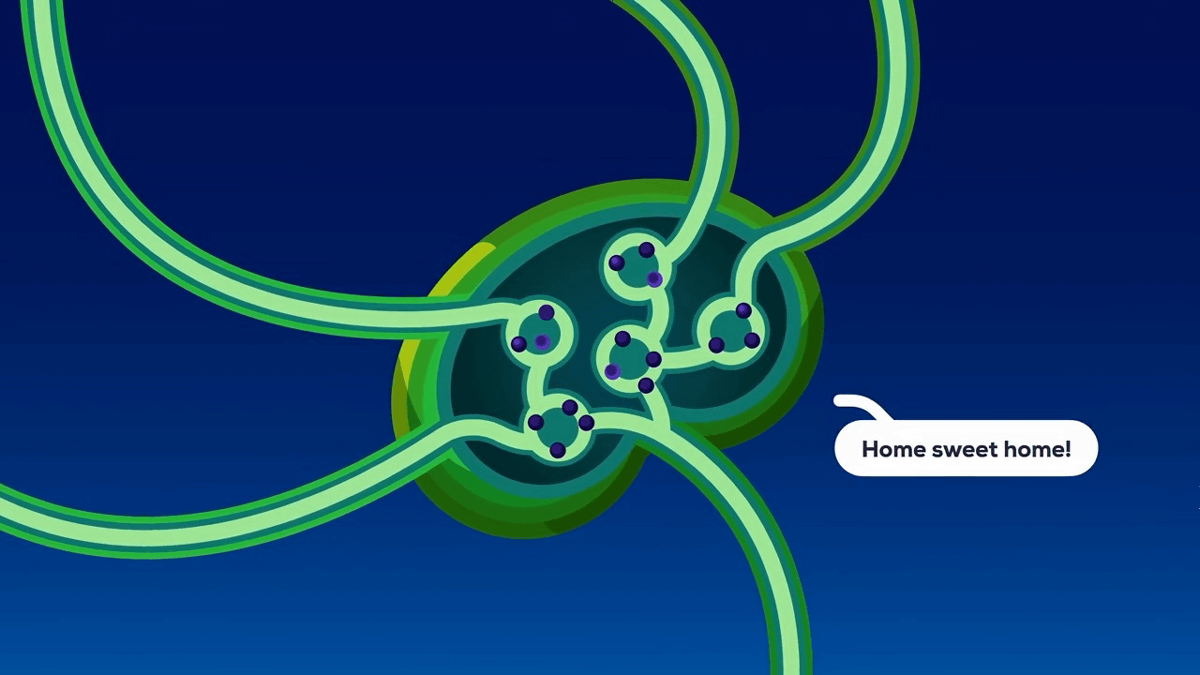
If possible, the ink particles will break down further and be excreted in urine, but if not, they will collect in lymph nodes, where they will remain for life.
However, not all ink particles are processed in one laser shot, and most of the ink particles are still too large or too numerous to be processed.

As a result, some ink particles remain in place after the laser treatment, which is why it takes 5 to 12 sessions to remove a tattoo with the laser: each treatment removes part of the tattoo, gradually fading it.

When you receive a tattoo removal laser, the skin around the tattoo will become red, swollen, and tingly within the first few hours, similar to a severe sunburn. In many cases, blisters will form and the area will swell, but you should leave it as is.
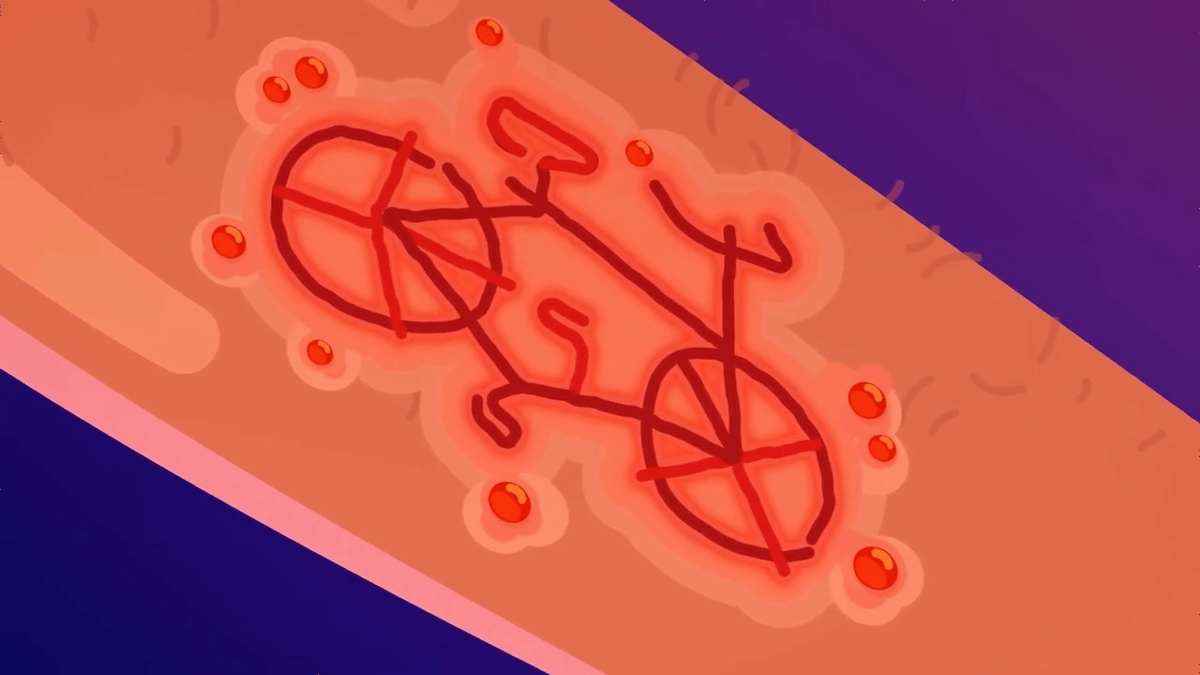
The wound will be red, swollen, painful, and itchy for a few days.

After about a week, the damaged skin will be replaced by new pink skin and the wound will form a scab.
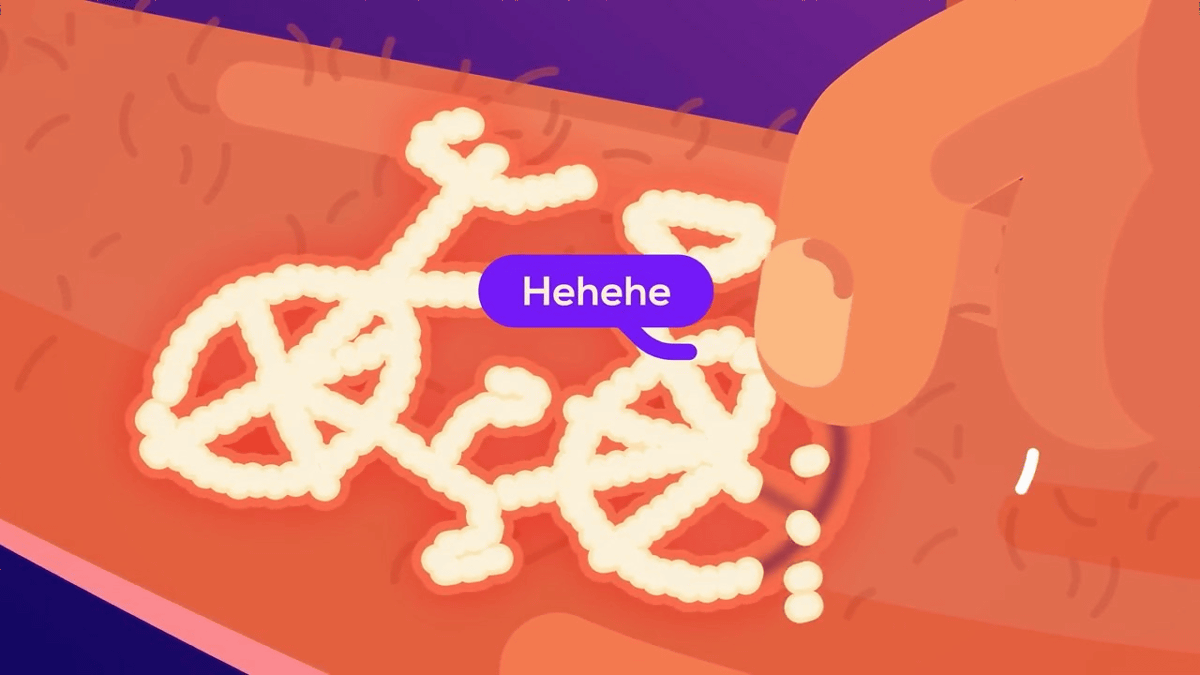
The tattoo will gradually fade, and if treated by an experienced professional, it can be almost completely removed in about two months.
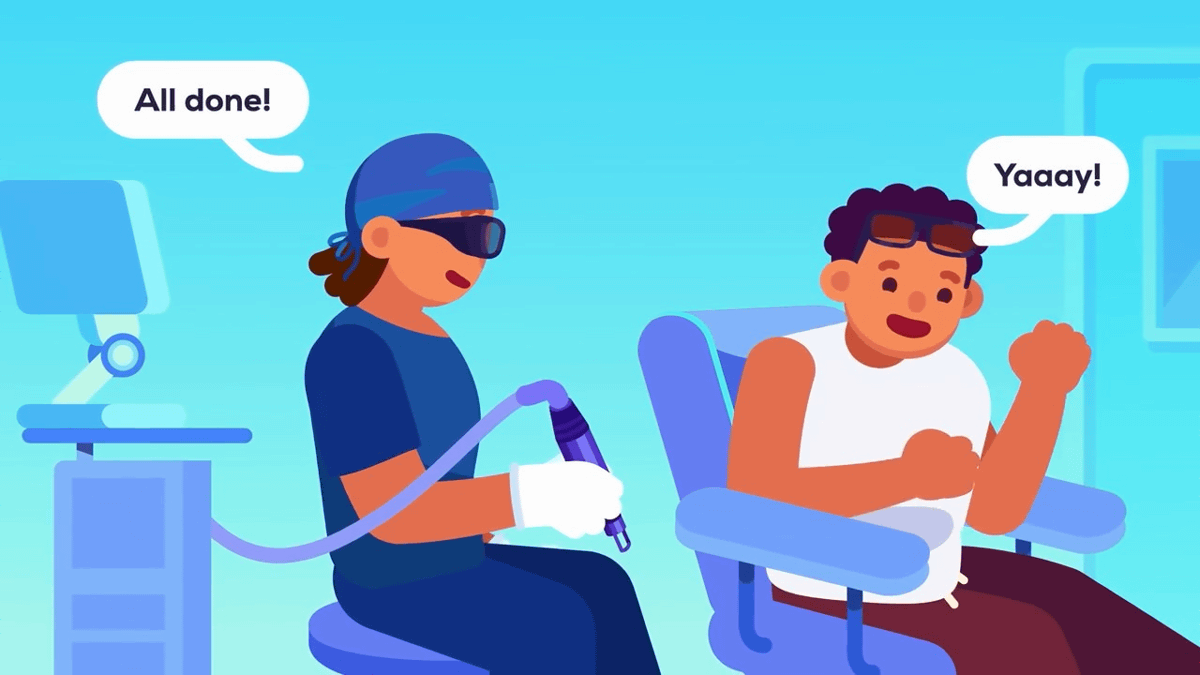
However, if you choose non-professional treatment or older methods, you may be left with slight scars or changes in skin color.
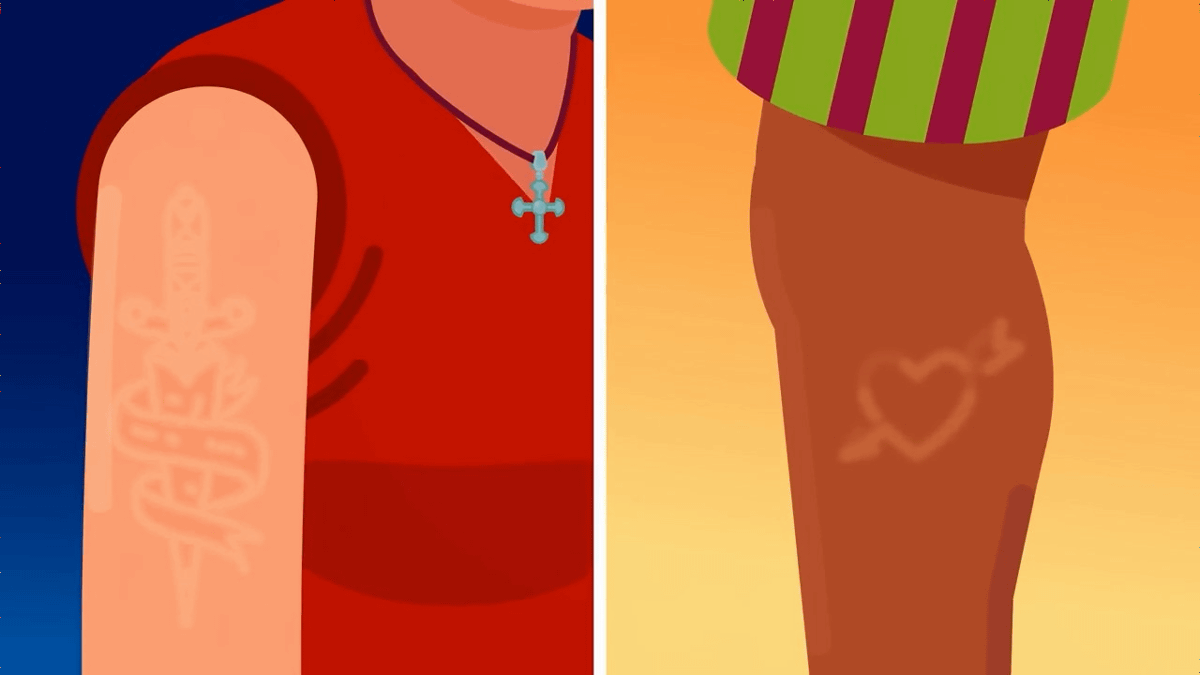
'Do your research when deciding who to have your laser done,' Kurzgesagt advised.

Related Posts: