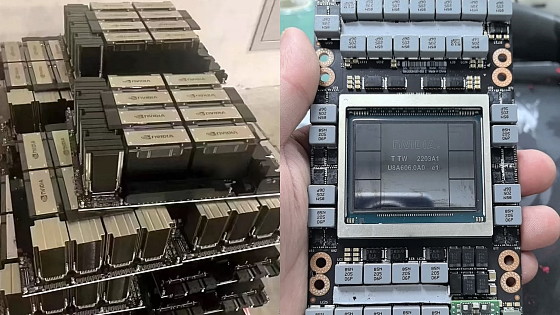
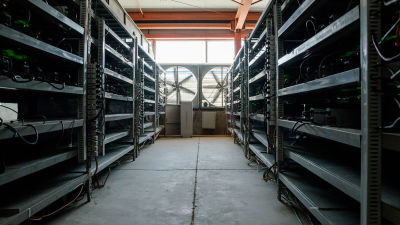
The terrifying truth about the black market for NVIDIA GPUs used in AI: How can you get hold of GPUs that are banned from export to China by the US government?
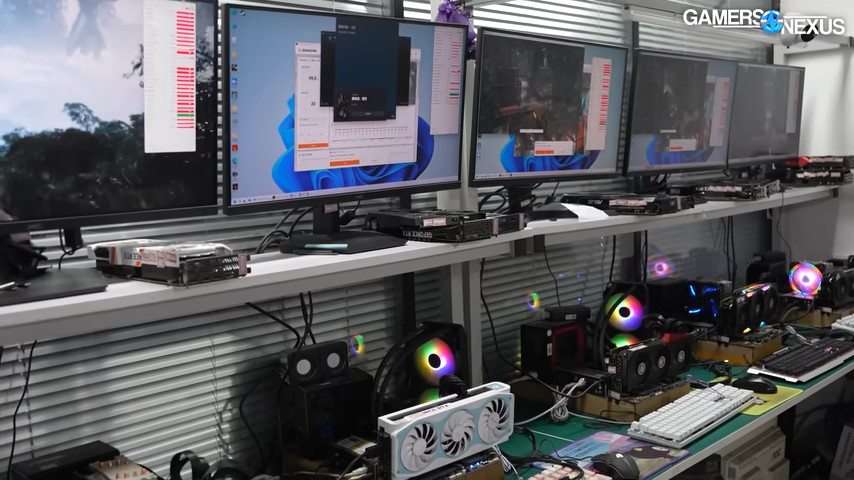
Despite US government export restrictions on China, NVIDIA's high-performance AI GPUs remain available in China. A team from Gamers Nexus, a gaming news outlet, visited Hong Kong, Shenzhen, Zhengzhou, and other cities to directly contact smugglers, middlemen, engineers, end users, and other people involved in the GPU black market, exposing the reality of the situation.
Rather than being a large-scale organized crime, the GPU smuggling itself is carried out by a network of individuals working together, like an 'ant parade.' The process goes in the following order: 'suppliers' who acquire GPUs in the US and elsewhere; 'buyers' who drive around the US individually buying up GPUs like the RTX 4090; 'transporters' who carry one or two GPUs at a time across the border as personal luggage; 'middlemen' and 'fence dealers' who manage and distribute the GPUs stored in warehouses in Hong Kong and Shenzhen; 'repairers' who repair broken GPUs or modify their specifications to enhance them for AI use; and finally, the GPUs are released onto the black market.
'Suppliers' are the starting point for smuggled GPUs. There are two patterns: regular consumers purchasing genuine products at electronics retailers or online shops, and products that fail quality control at manufacturing plants in China or are scheduled for disposal are not discarded and instead end up being sold through back channels. The latter is said to have 'fallen off the production line.'
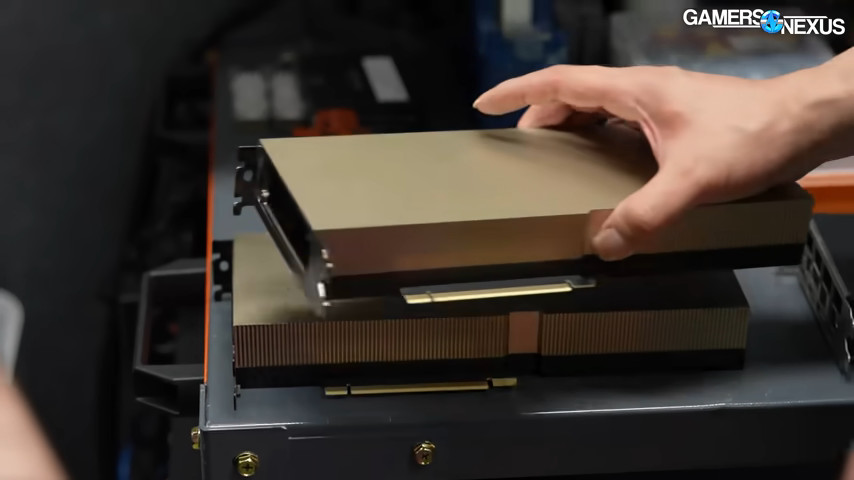
'Mules' physically transport GPUs from the 'supplier' to the next 'intermediary.' They're also known as 'ants' because they often transport them hidden in personal luggage rather than in large containers. Mule operators are often international students, travelers, or students returning to China from the United States, who carry one or two GPUs in their own luggage. Even if stopped at customs, they can easily claim they're for 'personal use as a gaming PC,' making them difficult to detect. In the past, there have been
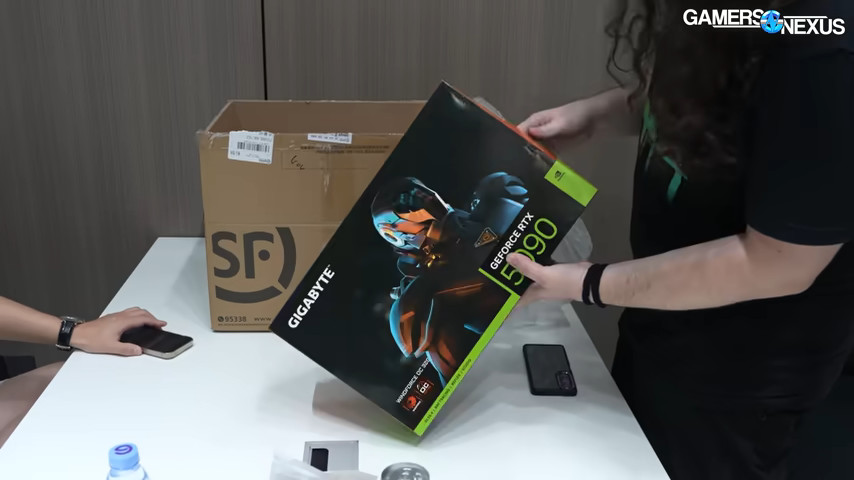
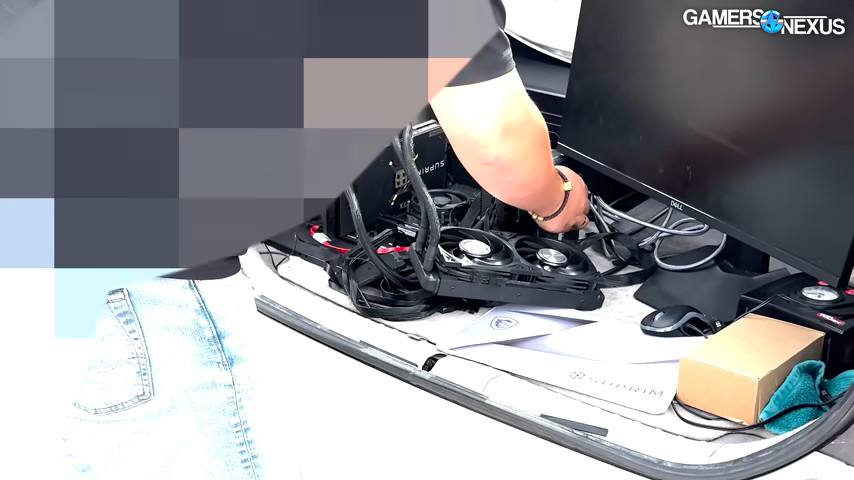
In some cases, 'buyers' secure products directly from suppliers and resell them to Chinese dealers. They drive around the United States, buying up NVIDIA GPUs through private sales. They carry portable batteries and test PCs in the trunks of their cars, test them on the spot, and then buy them for cash.
'Middlemen' are the contact points for receiving smuggled GPUs. Based in Hong Kong or Shenzhen, they manage the GPUs collected from multiple buyers and factory routes. The middlemen operate warehouses where large quantities of GPUs are stored in cardboard boxes. They do not sell directly to end users, but wholesale to second-hand dealers and local distributors.
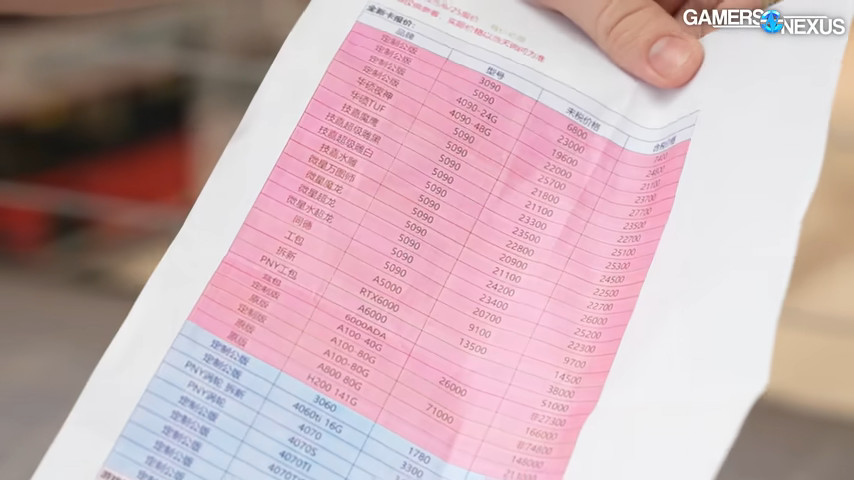
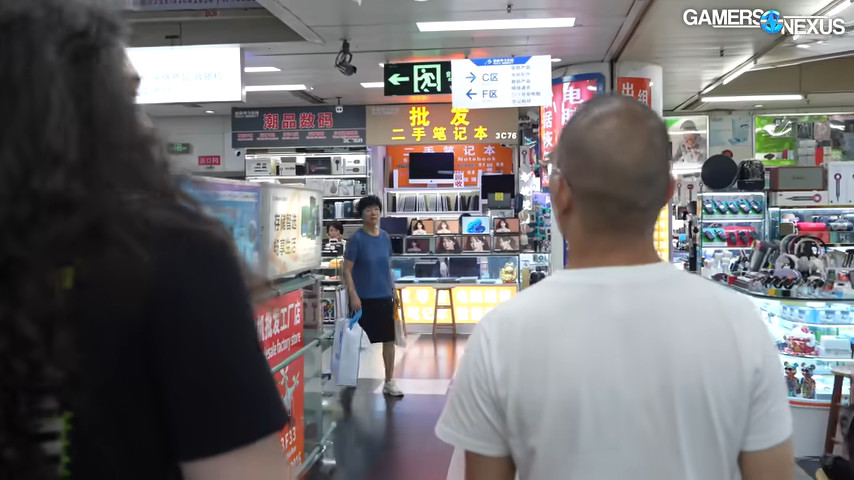
'Fake dealers' are essentially underground brokers, local retailers who connect intermediaries with end users. They have offices in places like Shenzhen's electronics district, and when an order comes in, they order products from their warehouses and sell them. For a fake dealer, it's important to have 'connections,' as they know who has inventory and who is safe to sell to.
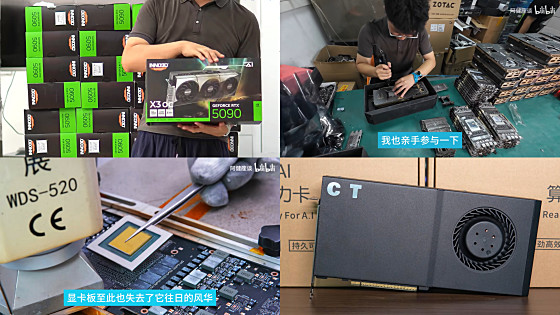
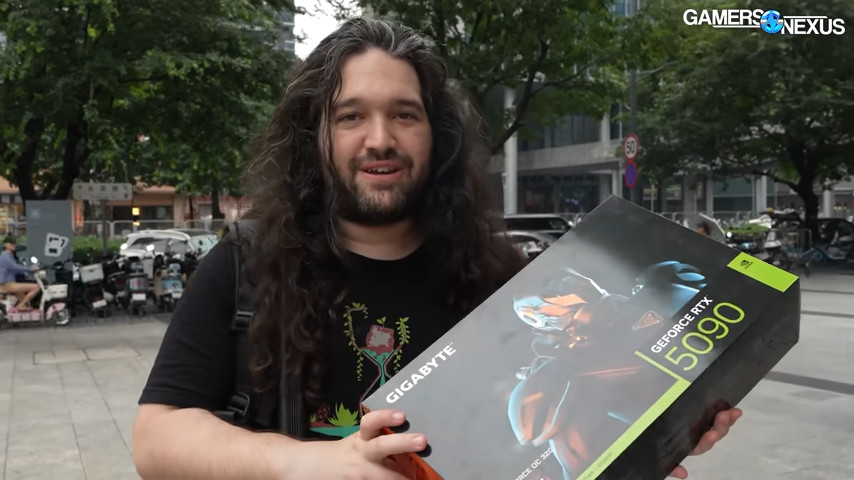
The Gamers Nexus reporting team managed to purchase the latest GeForce RTX 5090, which is subject to export restrictions, in Shenzhen's electronics district.
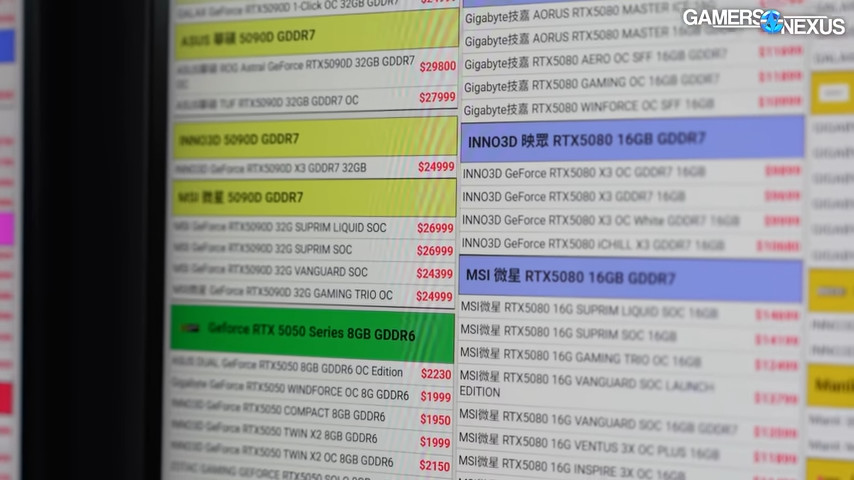
Some of the selling prices are almost the same as the list price in the US, indicating that GPUs, which are supposed to be regulated, are so widely available that they have not even caused prices to rise.
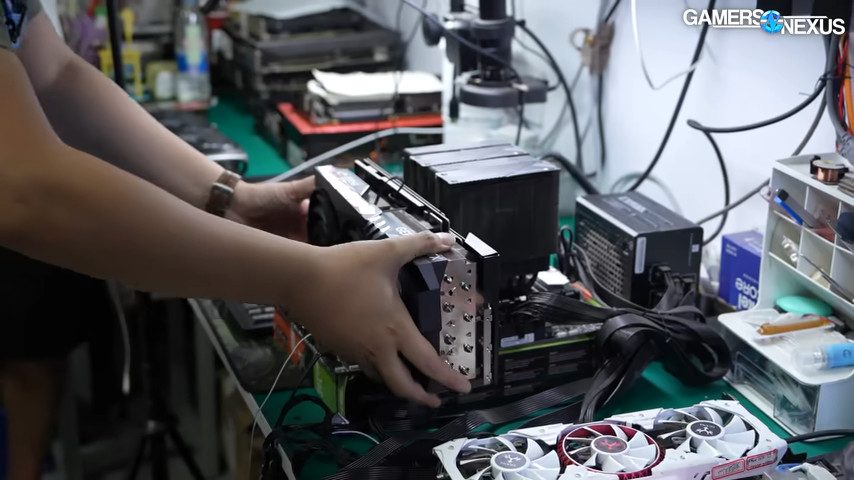
'Repair shops' repair broken GPUs or modify their specifications to increase their value. They also repair contraband that doesn't have a manufacturer's warranty. In the video, a 'magic modification' was performed, removing the GPU chip and memory from a broken RTX 4090, transplanting it into a new board, and doubling the memory to 48GB.
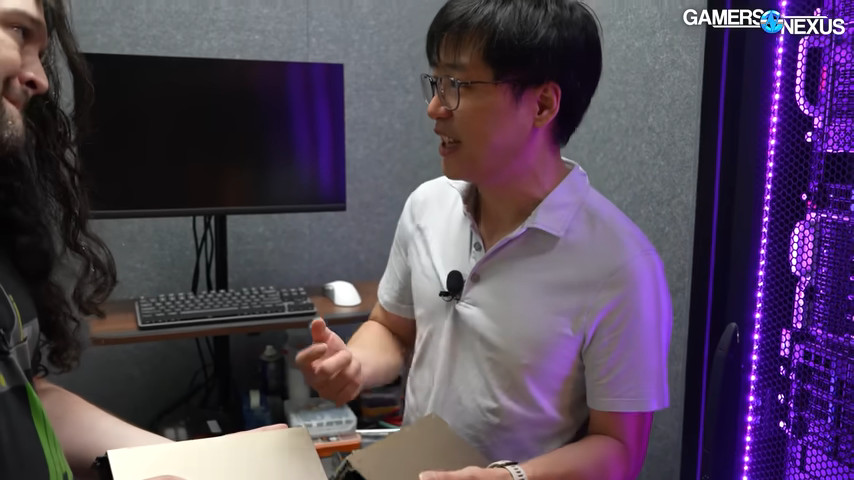
The organizations and individuals who ultimately purchase and use these GPUs are known as 'end users.' These organizations primarily include university laboratories, AI development companies, and data centers. End users are using any means necessary to acquire GPUs in order to win the AI development race. University researchers in Hong Kong who responded to interviews said they continue their research using GPUs they acquired before the restrictions or procured independently, and that the impact of the restrictions will be limited if they are making small-scale purchases.
Gamers Nexus stated that many local stakeholders believe that NVIDIA could have tracked the leaks using product serial numbers, but is turning a blind eye to the issue in order to make profits. Gamers Nexus claims that, based on its interviews, NVIDIA and AMD entered into a deal to allow the sale of certain restricted chips, such as the H200 and MI308, to China in exchange for paying 15% of their sales to the US government, effectively a tax and revenue sharing arrangement.
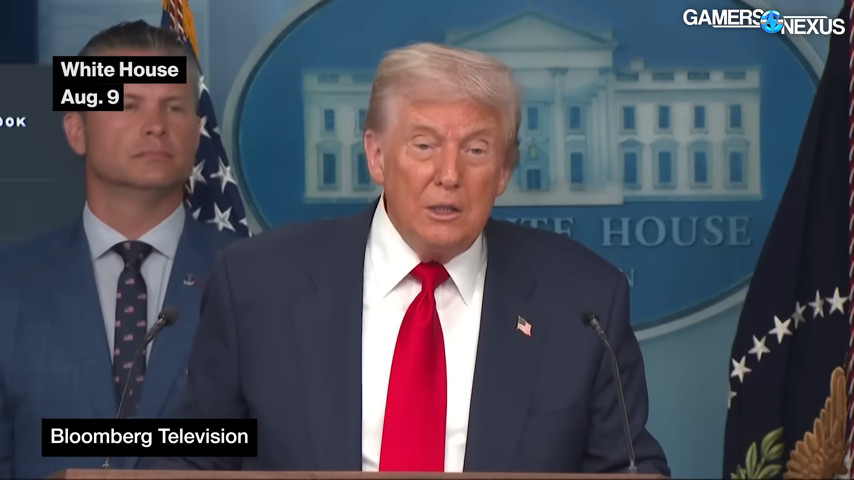
Gamers Nexus criticized NVIDIA, saying, 'NVIDIA has transformed from a hardware manufacturer into a huge, cunning political player that manipulates politics for money and turns a blind eye to ethical issues.' They also pointed out that the GPU black market functions as a necessary evil ecosystem born out of the gap between the company's corporate attitude and the US-China conflict.
Related Posts: