A state government has successfully reduced licensing costs by approximately 2.7 billion yen by switching from Microsoft Office products to free software, and has also significantly reduced transition costs.

The German state of Schleswig-Holstein announced that it expects to save 15 million euros (about 2.7 billion yen) in one year by switching from corporate-managed tools to self-managed tools.
Goodbye, Microsoft: Schleswig-Holstein relies on Open Source and saves millions | heise online
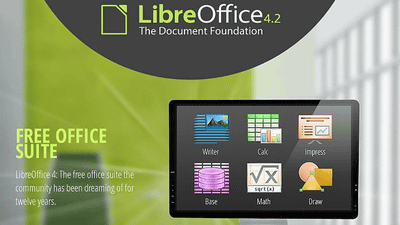
In 2024, Schleswig-Holstein's Minister of Digital Affairs, Dirk Schröder, announced that the state government would switch to open source software. This meant that state government employees would quickly replace many of their tools, including switching from Microsoft Office to LibreOffice and from Windows to Linux.
German government switches 30,000 PCs to Linux and migrates from Microsoft Office to open source LibreOffice - GIGAZINE

Although the transition initially caused many problems and frustration among employees, it has been largely successful, with 80% of operations having switched from Microsoft Office to LibreOffice as of December 2025. Thanks to the work undertaken to date, the state is expected to save more than 15 million euros in licensing costs in 2026 alone, with similar savings expected in the coming years.
Meanwhile, a one-time investment of 9 million euros (approximately 1.6 billion yen) is expected in 2026. This will be required for the construction and development of the environment over the next year, and considering the annual savings, the investment is expected to be recouped in less than a year.

Regarding the benefits of changing the software used, Schroeder explained, 'It's about reducing dependency on individual companies.' By moving away from tools that companies manage everything, it's important to reduce costs, manage personal information on our own, and create a system where the government can take the lead in managing the system.
Opposition parties have continued to criticize this transition, with one lawmaker pointing out, 'On paper, we may be 80% migrated, but the number of employees who can properly use these tools is far less than 80%. The initial difficulties in adopting open source tools are causing ongoing dissatisfaction among employees in certain areas.'

In Germany, the city of Munich in Bavaria was previously in the process of switching from Windows to Linux, with both operating systems running in parallel. However, after the change of government in 2017, the city returned to Windows entirely. This decision is suspected to have been influenced by Microsoft's move of its German headquarters to Munich.
Related Posts:


in Software, Posted by log1p_kr