Why is it so difficult to take a beautiful photo of the moon with a smartphone?

Even if you take a photo of the moon with your smartphone at night, it may appear as a blurred white rice cake. Australian astronomer Michael Brown explains how difficult it is to take a clear photo of the moon as seen through a telescope.
Why is it so hard to take a good photo of the Moon with my phone?
Brown says that when taking photos of the moon with your smartphone, it's important to remember that it's not actually night. Because the moon has so much light, photographing it like you're photographing a nighttime landscape can be a mistake.
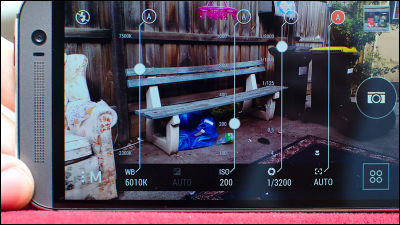
Most smartphone cameras automatically switch to night mode when turned on at night, so it's best to use settings closer to daytime settings when photographing the moon. It's recommended to try various settings, such as turning off night mode and shortening the exposure time.
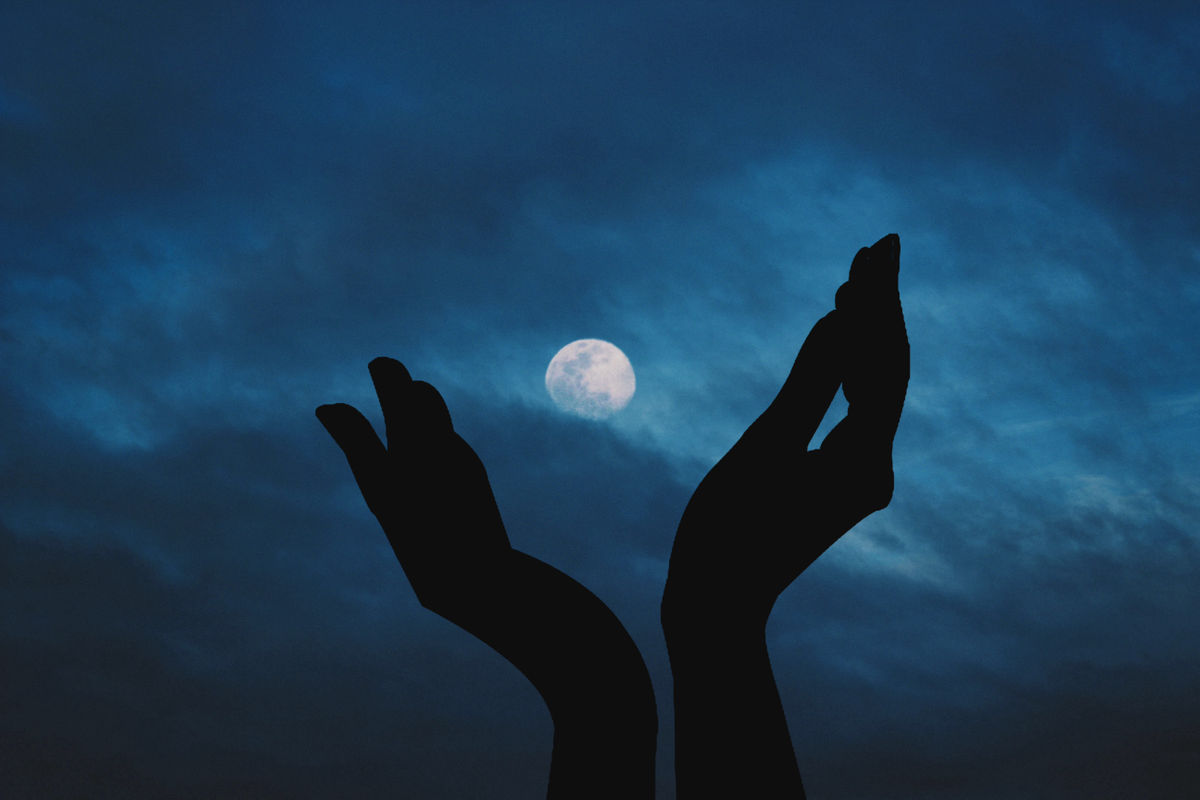
Even with these settings, you might still end up with a mediocre photo, which Brown says has to do with the limitations of your camera's capabilities.
While standard smartphones excel at capturing close-ups, such as selfies, and wide-open landscapes, unfortunately, the moon, which lies just 0.5 degrees in size in the sky, gets lost in a wide-angle image like this one.
The detail in a captured image depends on the pixel size and focal length. For a simple lens, the focal length is roughly equivalent to the distance from the lens to the detector. Unlike a high-precision digital camera, a smartphone's lens has a focal length of just a few millimeters, and the sensor's pixels are a few thousandths of a millimeter. On a typical smartphone, the angle of light received by each pixel is about 0.02 degrees, while the moon in the sky is 0.5 degrees, so the image of the moon would fit into a space just 25 pixels wide.
There's no way an image that's only 25 pixels wide can capture much detail. Your phone's camera software will add pixels, sharpen the image, or interpolate to make more pixels, but these processes don't add detail to a photo of the moon.
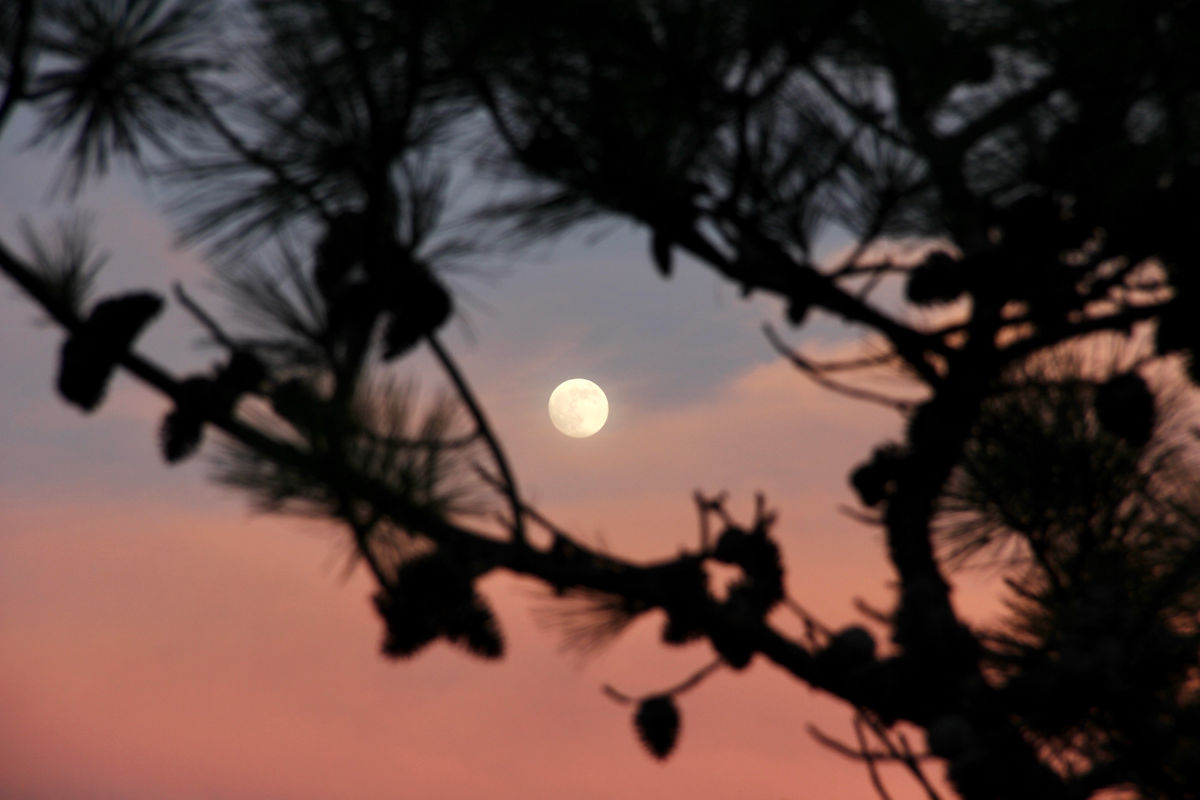
If you zoom in to take a photo of the moon, you can see some detail, but smartphone cameras zoom digitally beyond a certain point, so the physical focal length remains the same and the photo you take will still be blurry.
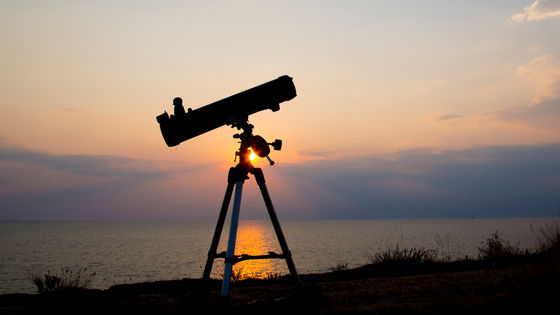
For those who insist on taking beautiful photos of the moon with their smartphone, Brown advises pairing it with a telescope. Pointing the telescope at the moon and carefully suspending the eyepiece directly above the smartphone can produce surprisingly good photos. This is because the telescope's magnification effectively extends the camera's focal length.
Below are photos taken by Mr. Brown with a telescope and smartphone.
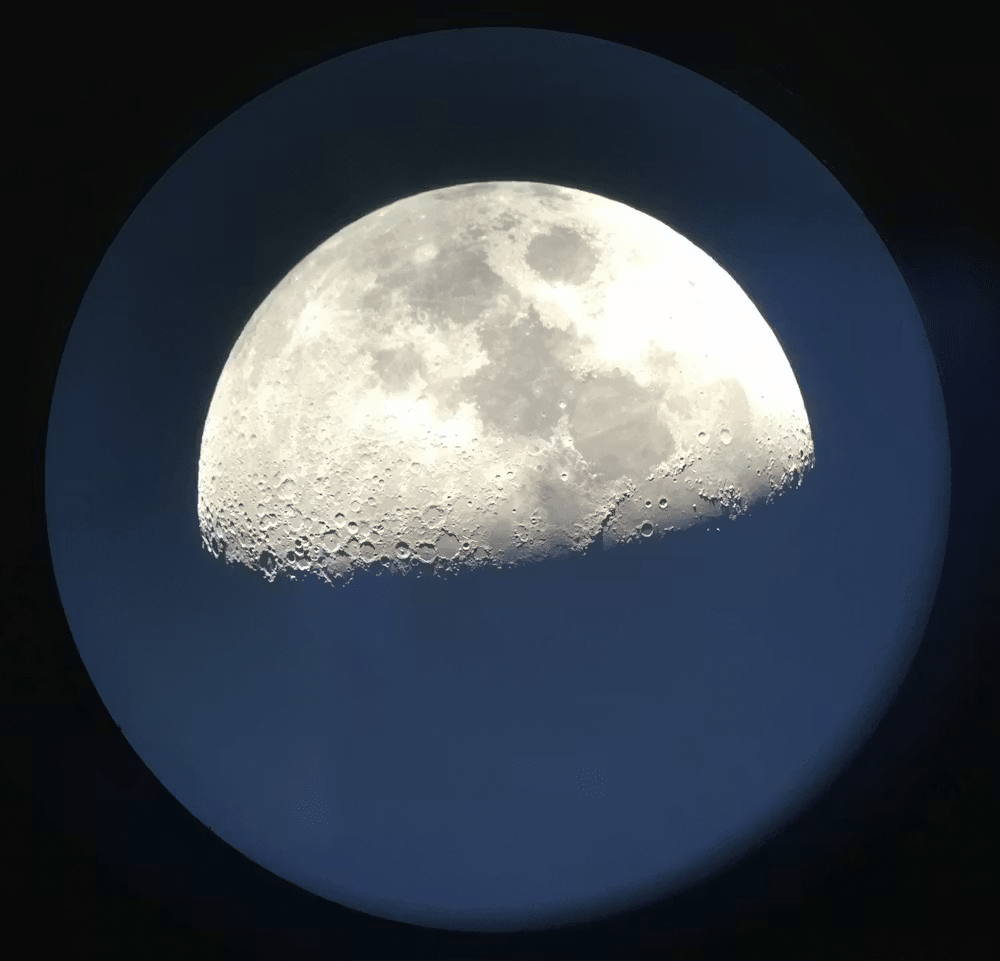
MJI Brown
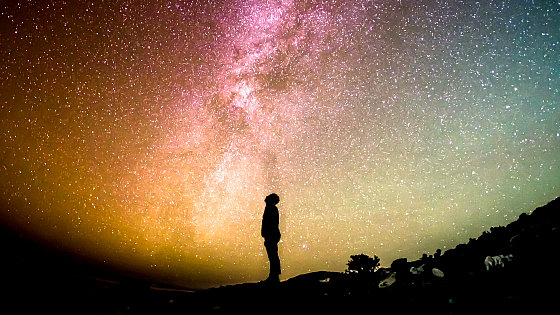
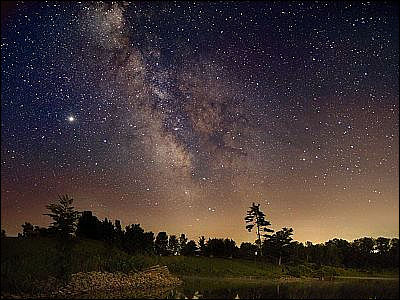
'Don't have a telescope? Try zooming out instead of zooming in. Remember, your smartphone is great at capturing vast landscapes. You might not be good at taking pictures of the moon, but you can take amazing photos of the Milky Way. If you're lucky, you might even capture a bright comet or an unusual object like the aurora borealis,' Brown concluded.
Related Posts:

in Note, Posted by log1p_kr