A series of impossible observations of the universe have revealed the possibility that our understanding of the universe to date may be fundamentally wrong.
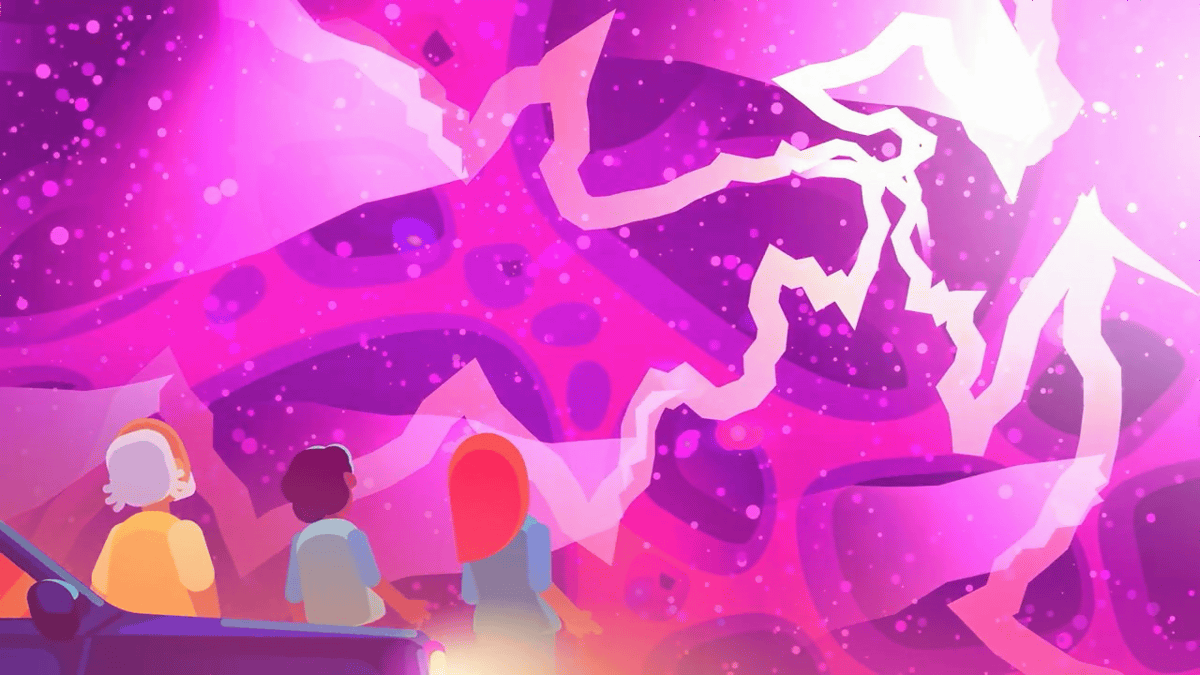
Astronomers have been observing the universe for many years and have developed
Astronomy Is In Crisis...And It's Incredibly Exciting - YouTube
'Thanks to amazing new technologies, our understanding of the universe is advancing faster than ever before, and with any luck, we may be on the brink of the next revolution in how we view the universe,' Kurzgesagt said.
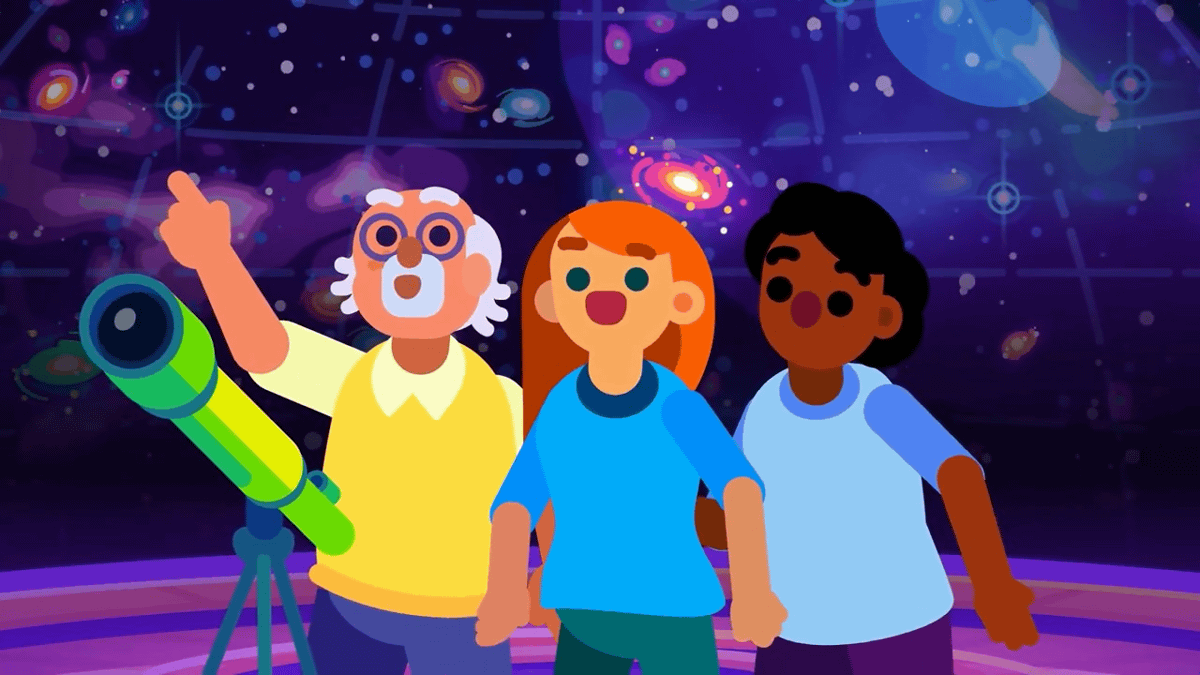
The next revolution in space may be as exciting as discovering that the Earth orbits the Sun, that stars are other suns, or that our galaxy is just one of trillions of galaxies. Kurzgesagt points out that 'for the first time in a long time, our universe is in a terrible state of disarray.'
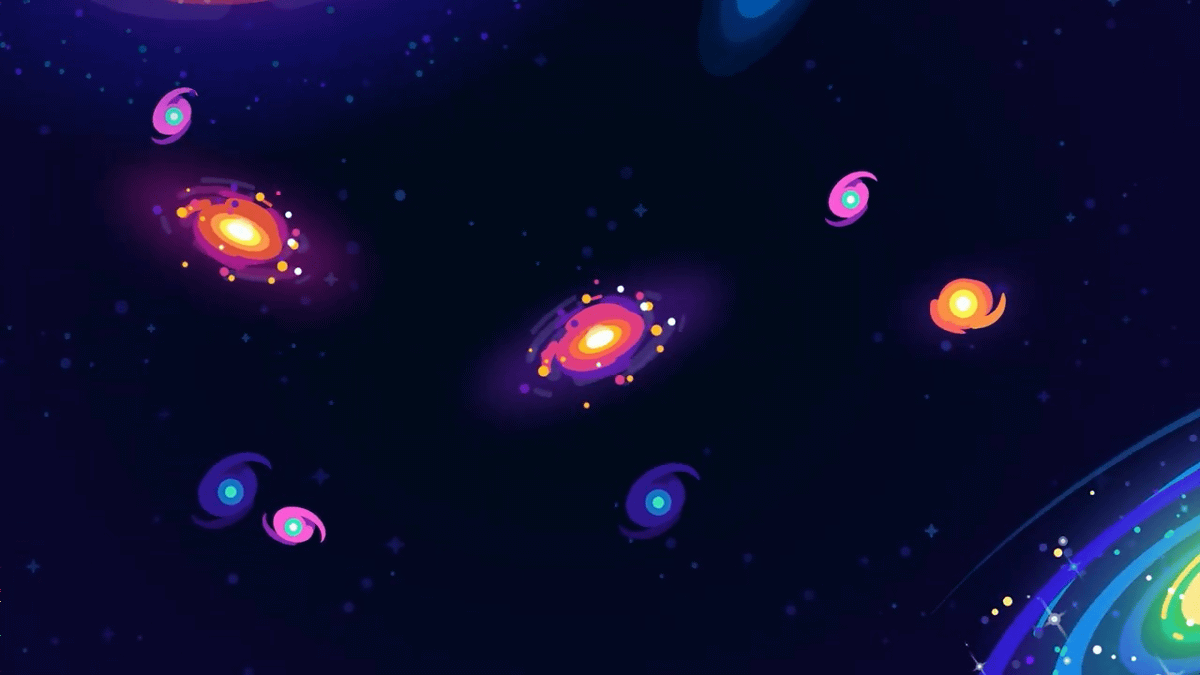
For many years, astronomers have believed in a beautiful cosmology that explains how the universe began, what it is made of, and how it behaves.
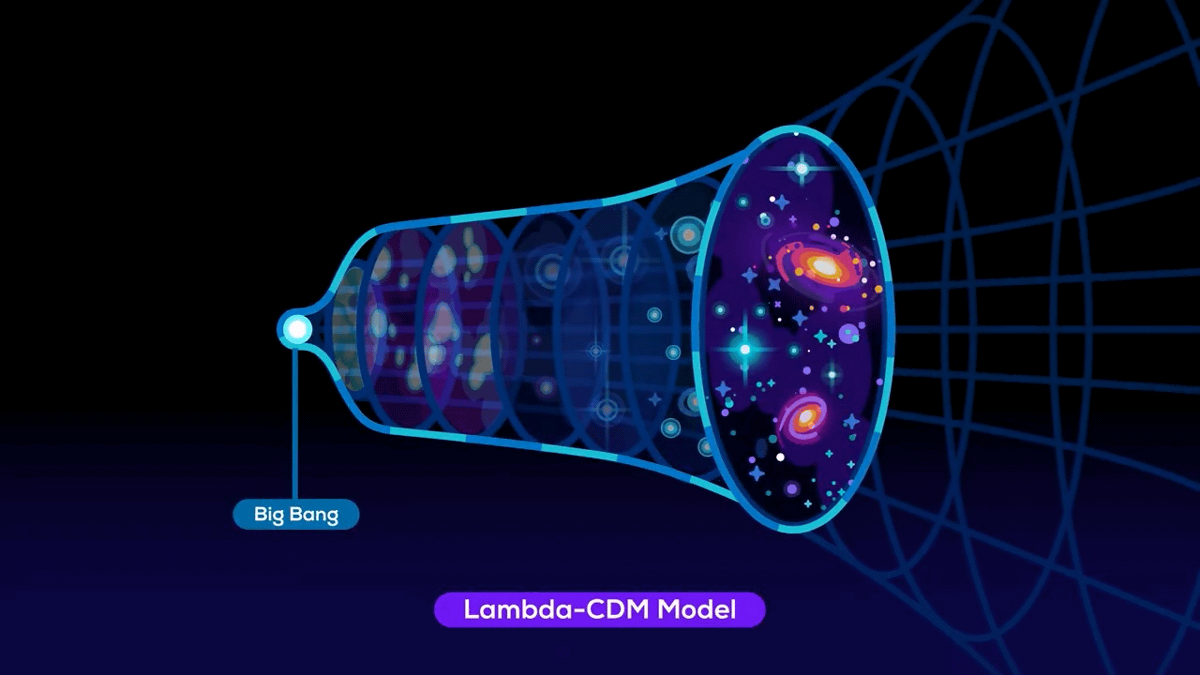
This was surprisingly consistent with what people had observed, and it felt as if they had deciphered the code of the universe.
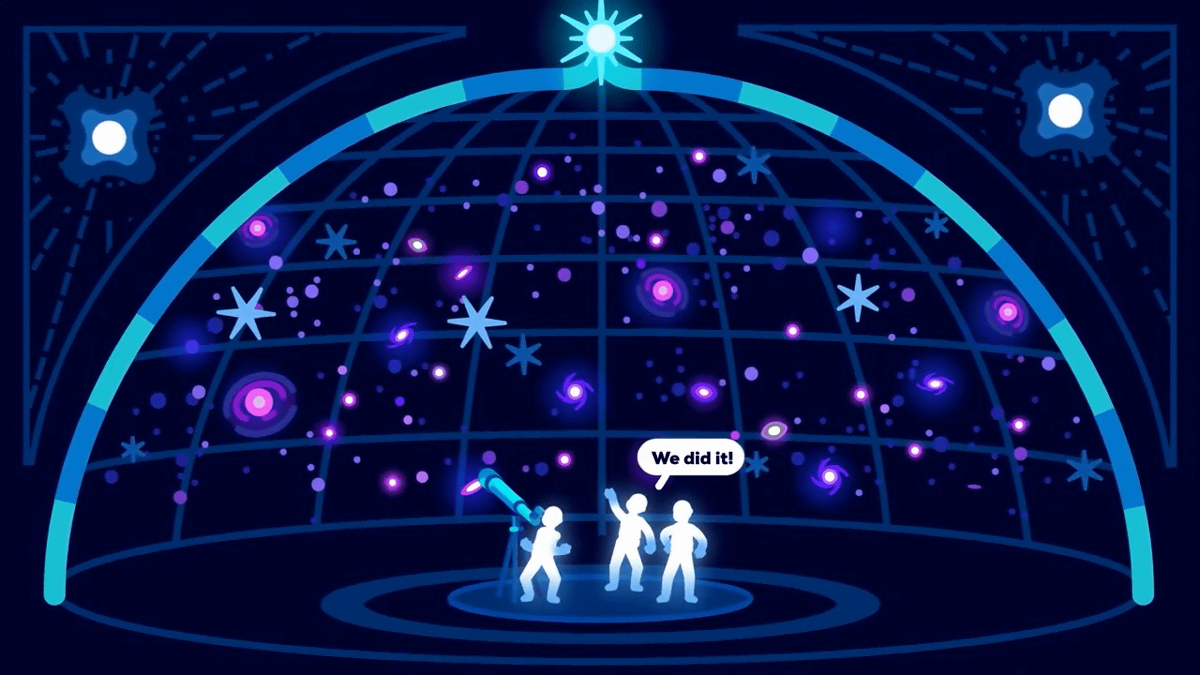
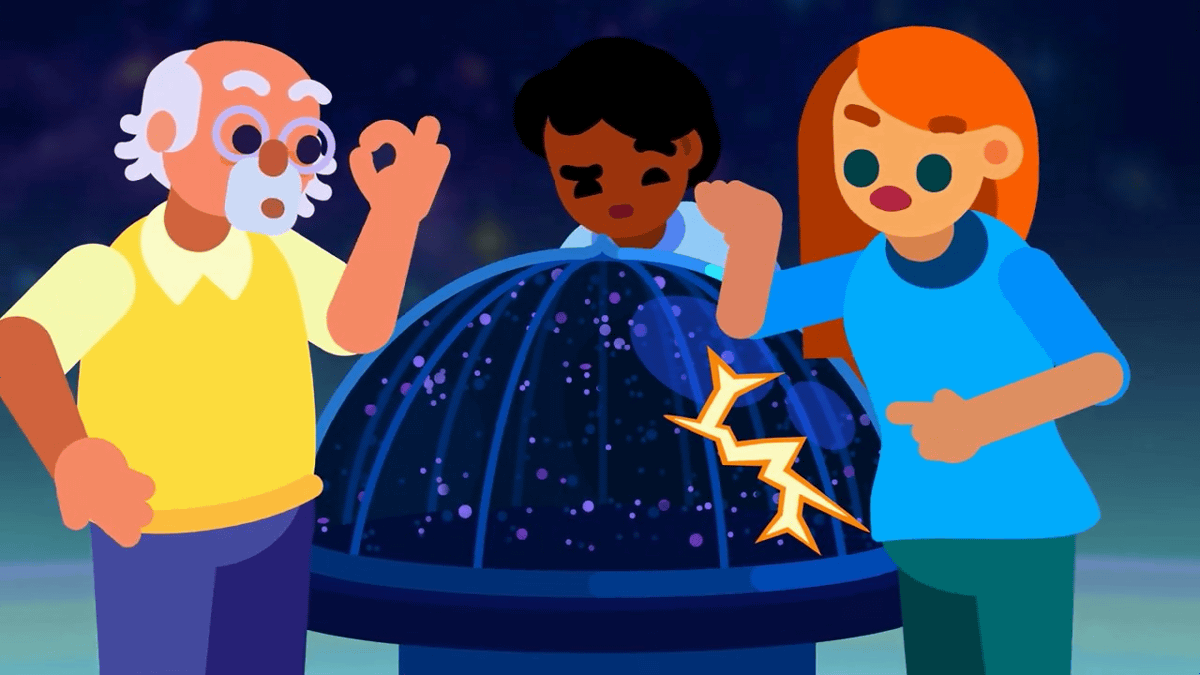
But as the data became clearer thanks to improved telescope capabilities over the past few years, cracks in this cosmology began to appear: strange discrepancies began to appear between what the theory predicted and what we actually observed.
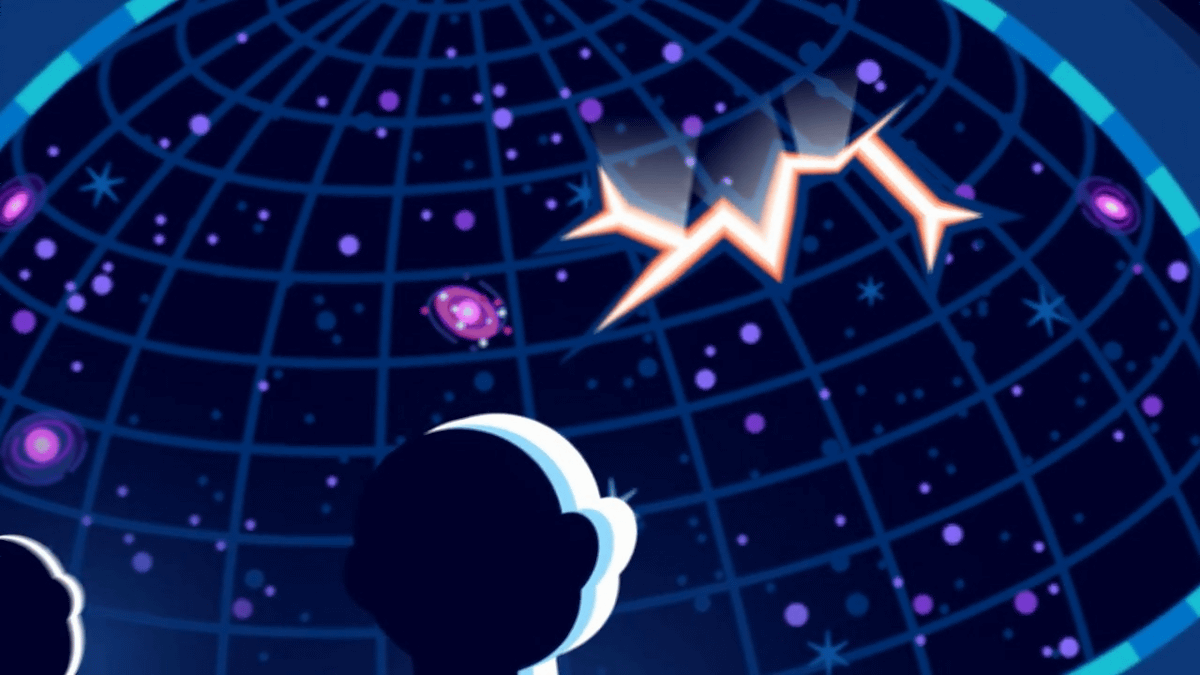
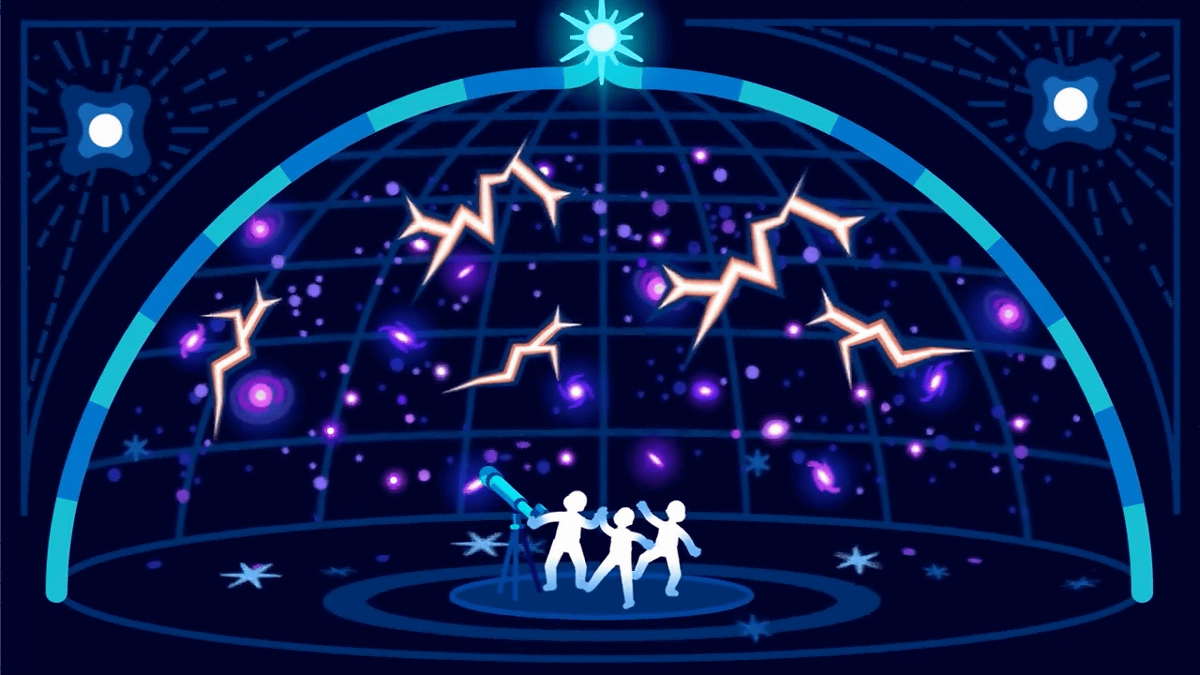
At first, these were thought to be silly mistakes or noise in the data, but as new data came along, some of the cracks not only grew larger, but new ones even appeared, making what was once a perfect cosmology even more imperfect.
Of course, this is not the first time that existing cosmology has had to be revised. About two centuries ago, astronomers noticed that the orbit of Uranus did not perfectly obey the laws of gravity. Rather than denying gravity, astronomers proposed that the gravity of an 'unknown planet' was pulling on Uranus from far away.
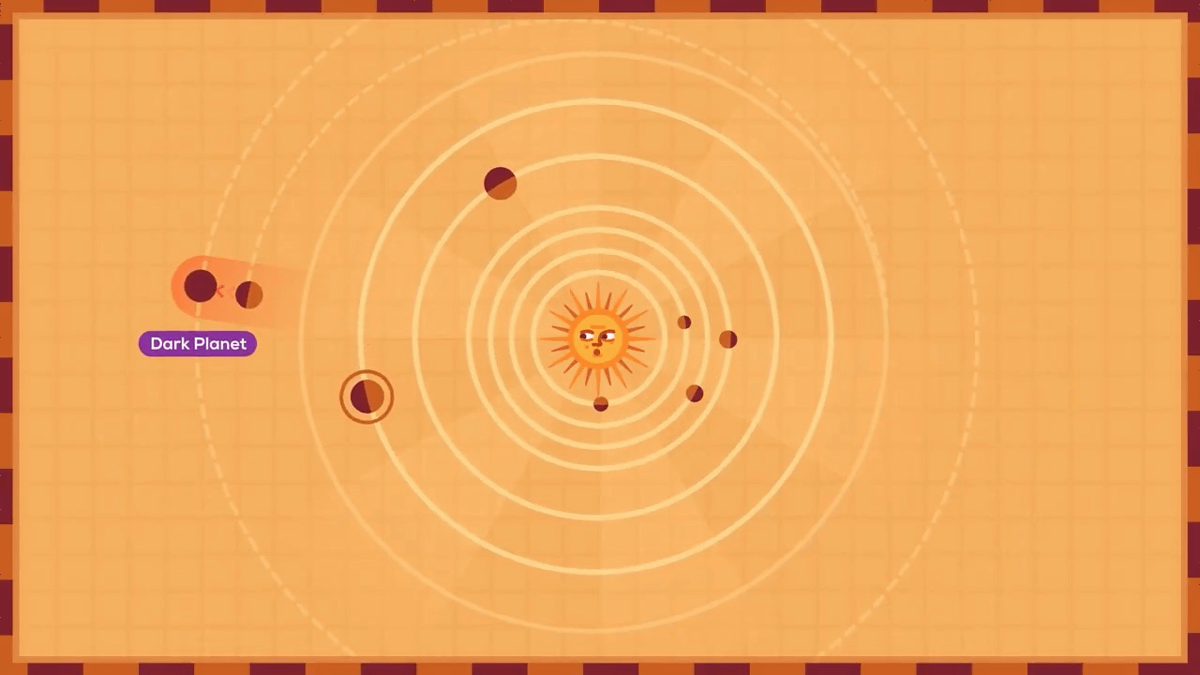
As it turned out, Neptune was soon discovered in the mathematically predicted position, proving the revised theory correct.
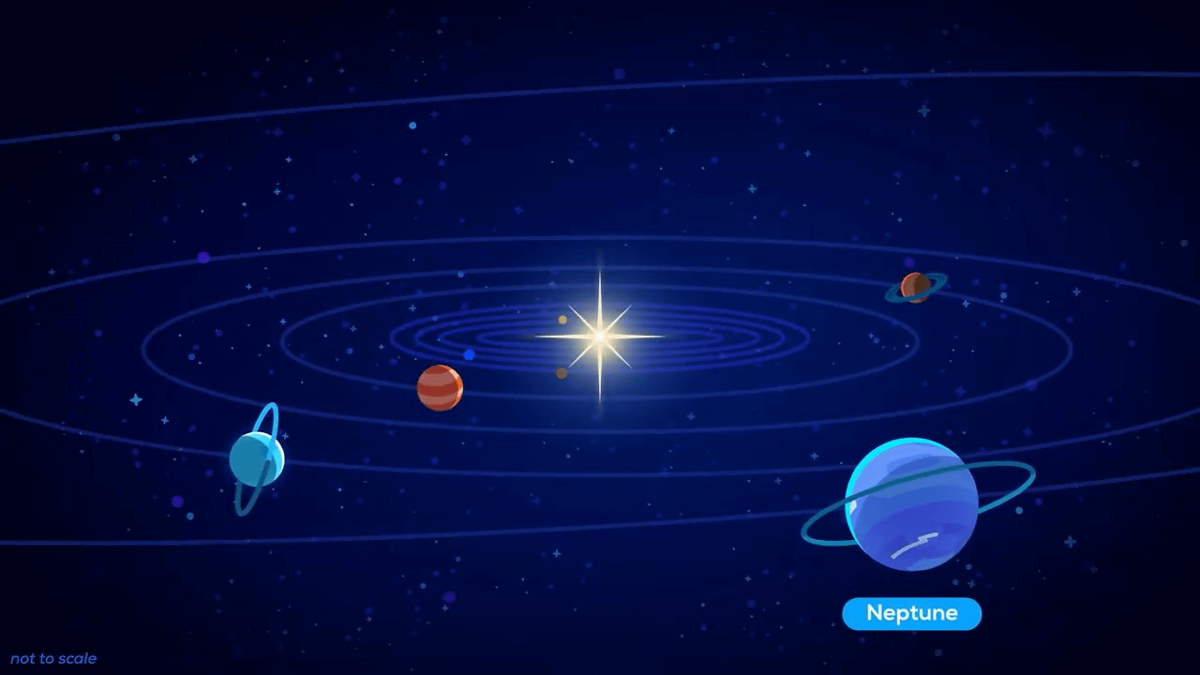
However, the problem did not end there. Later, it was discovered that Mercury's orbit did not obey the laws of gravity either, and astronomers searched for a new planet similar to that of Uranus, but were unable to find any.
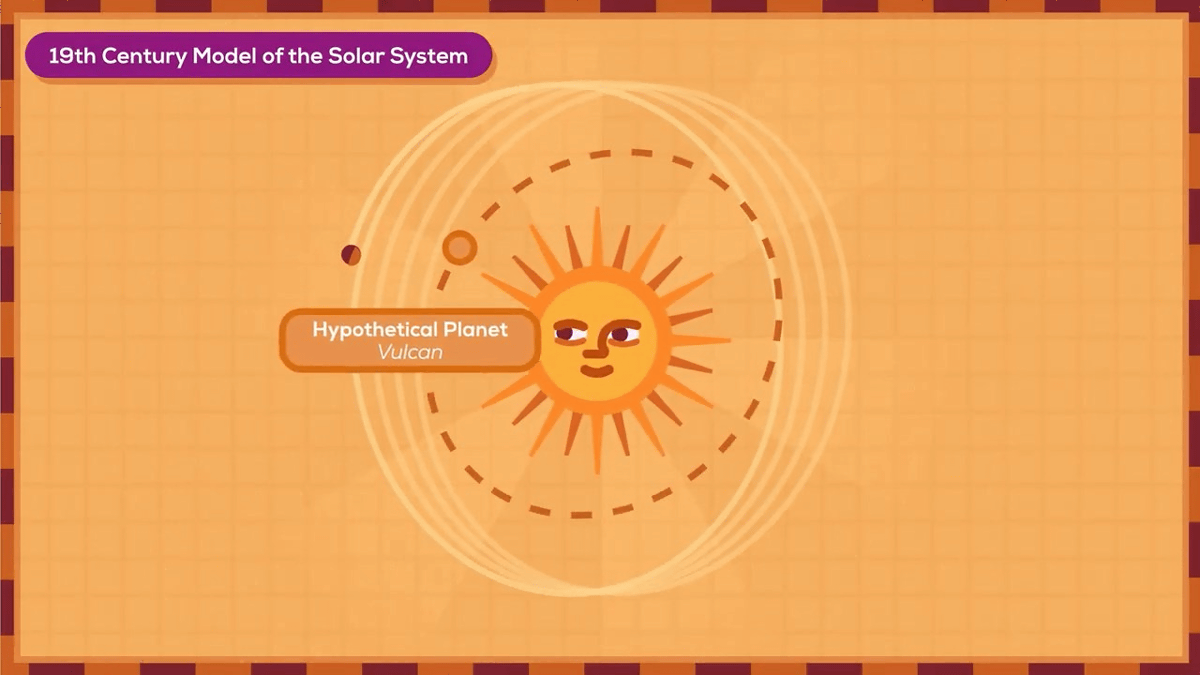
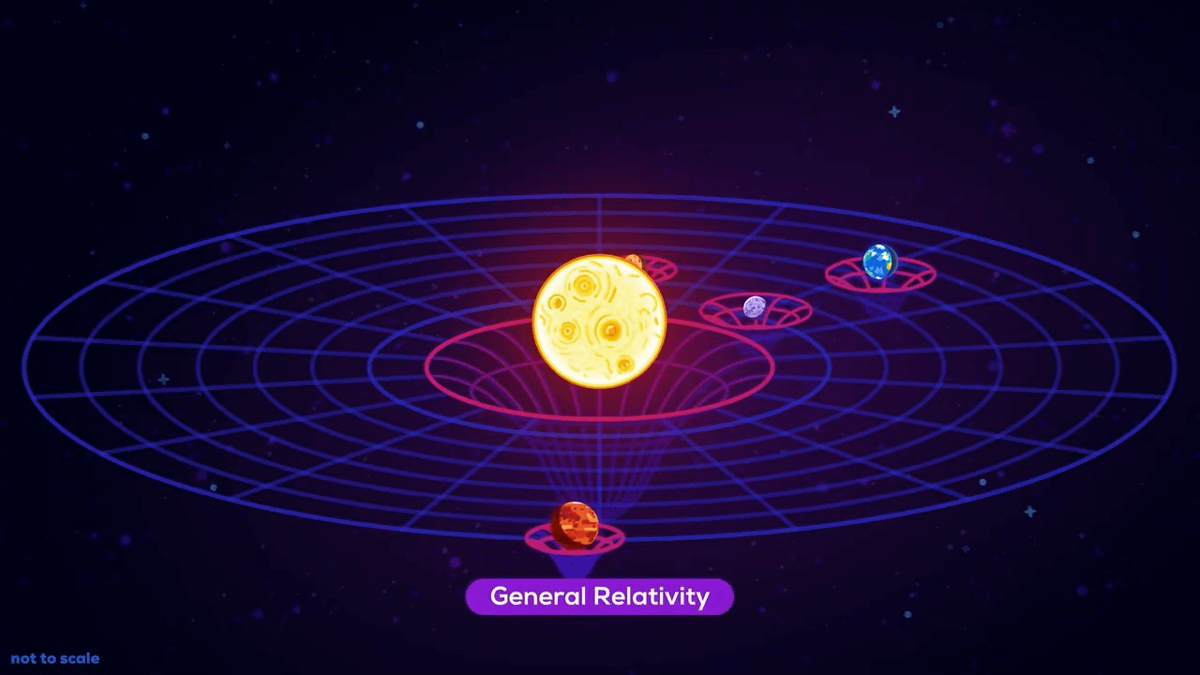
So scientists rethought gravity itself, leading to the invention of
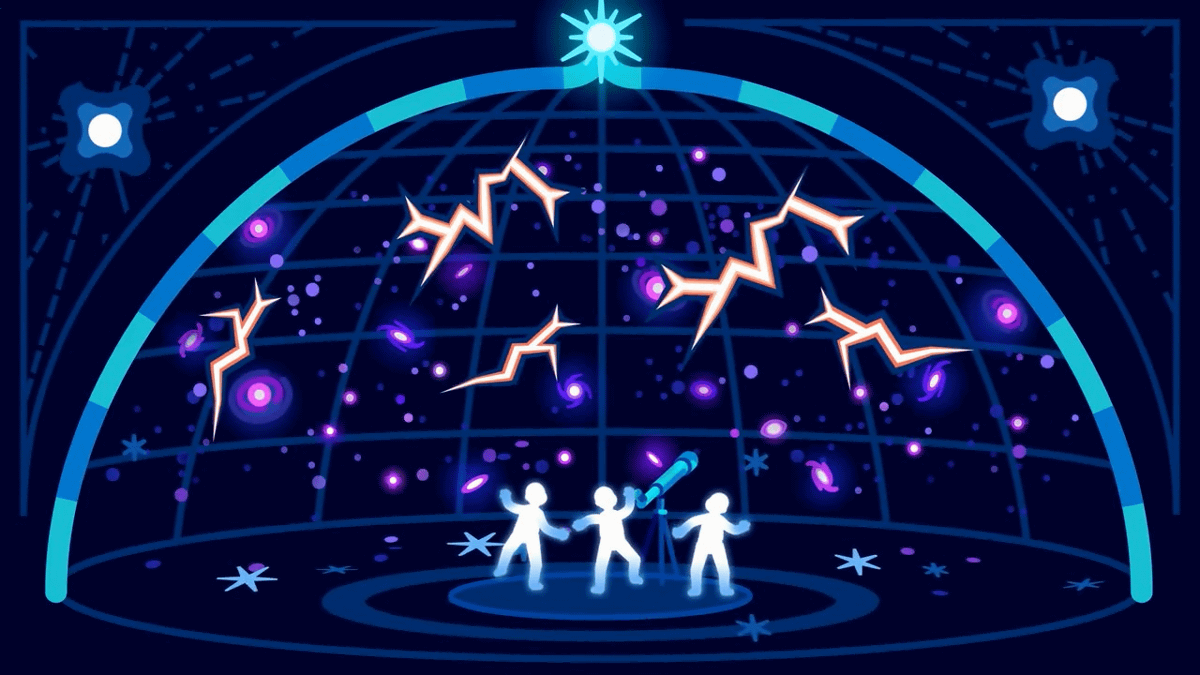
The first cracks discovered by astronomers in recent years are strange beings that could be called 'space monsters.'
The '
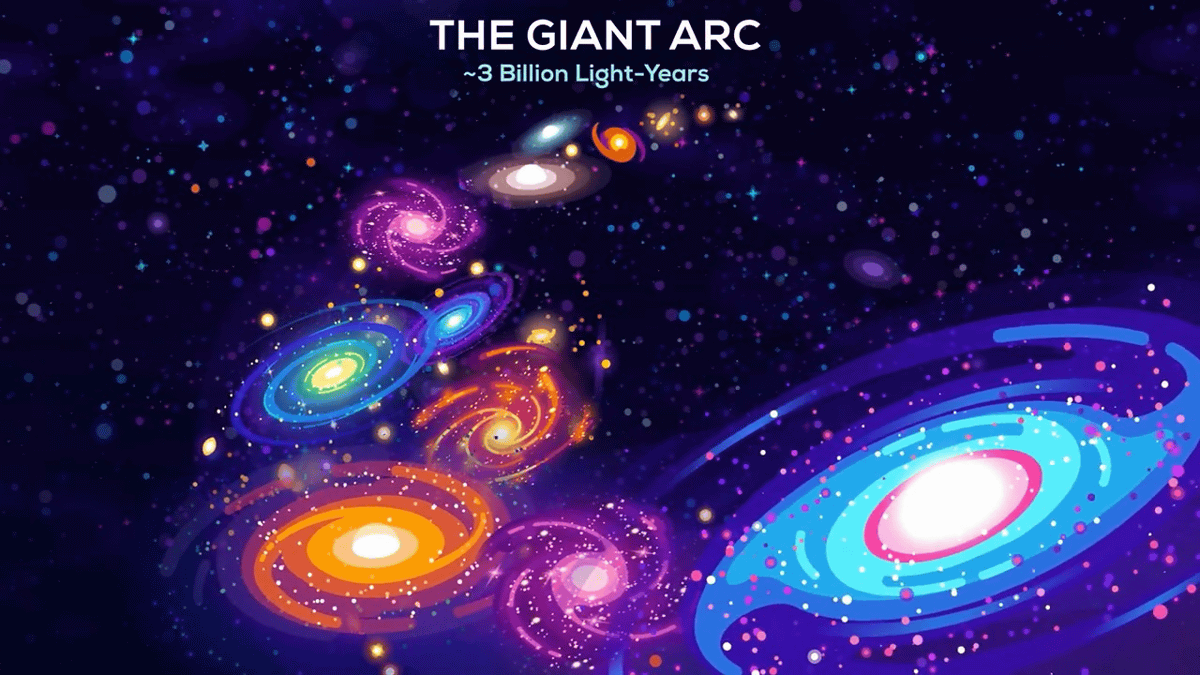
'
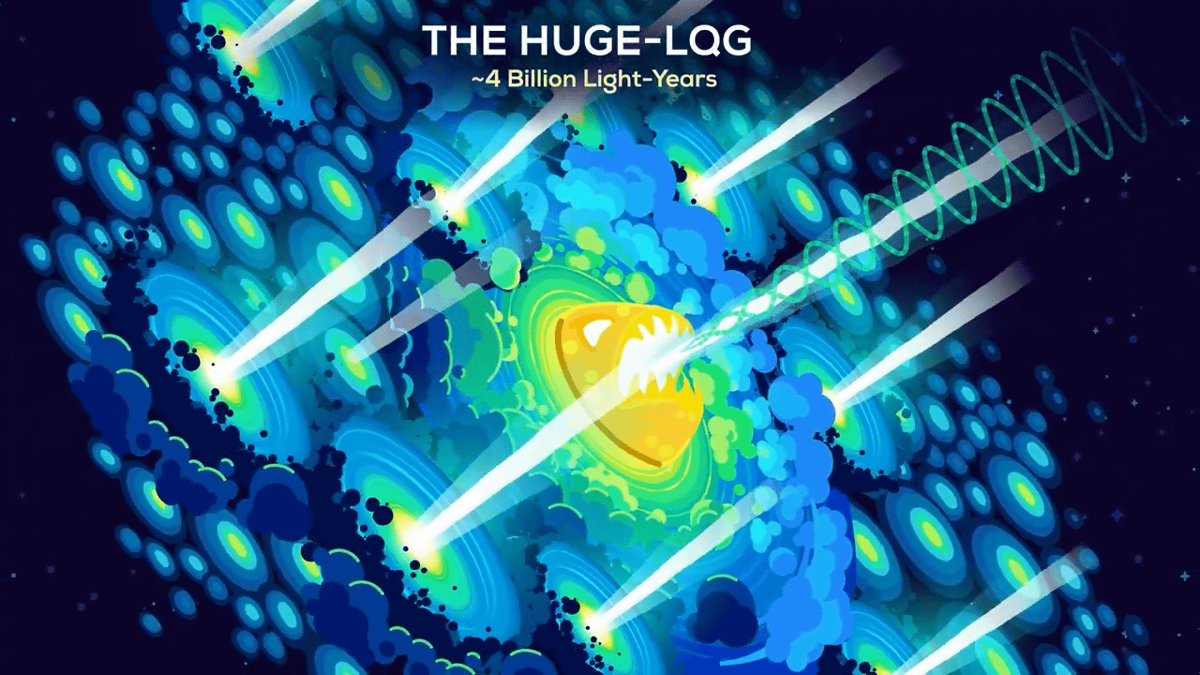
'
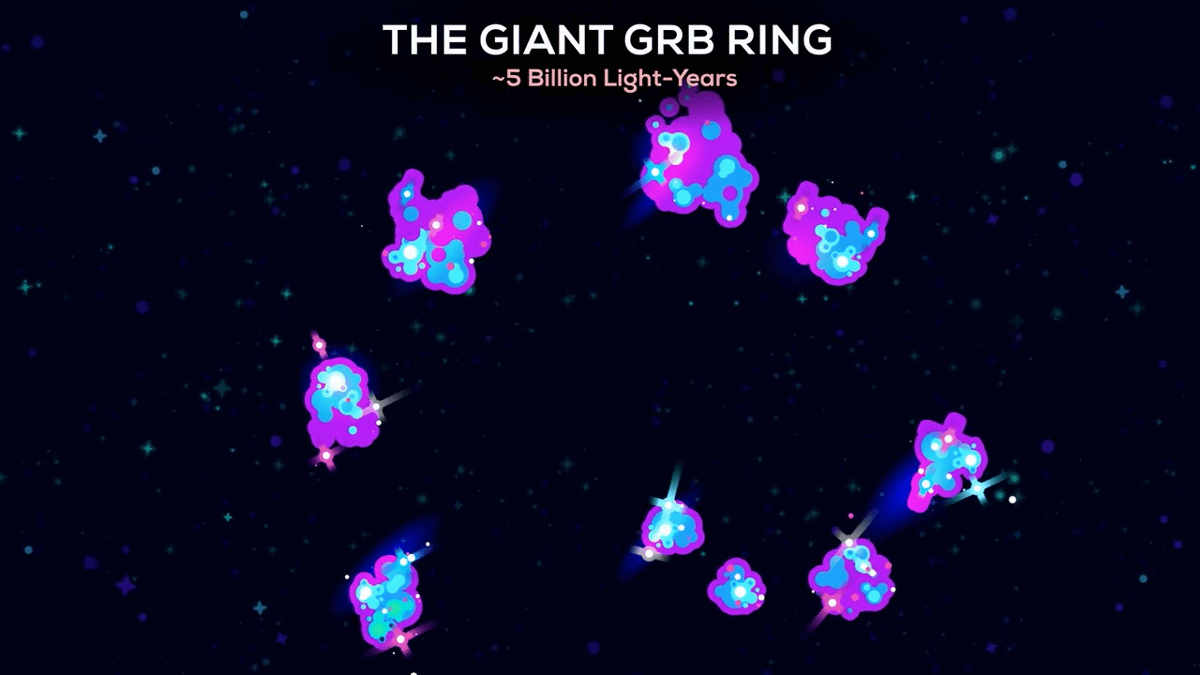
These include the '
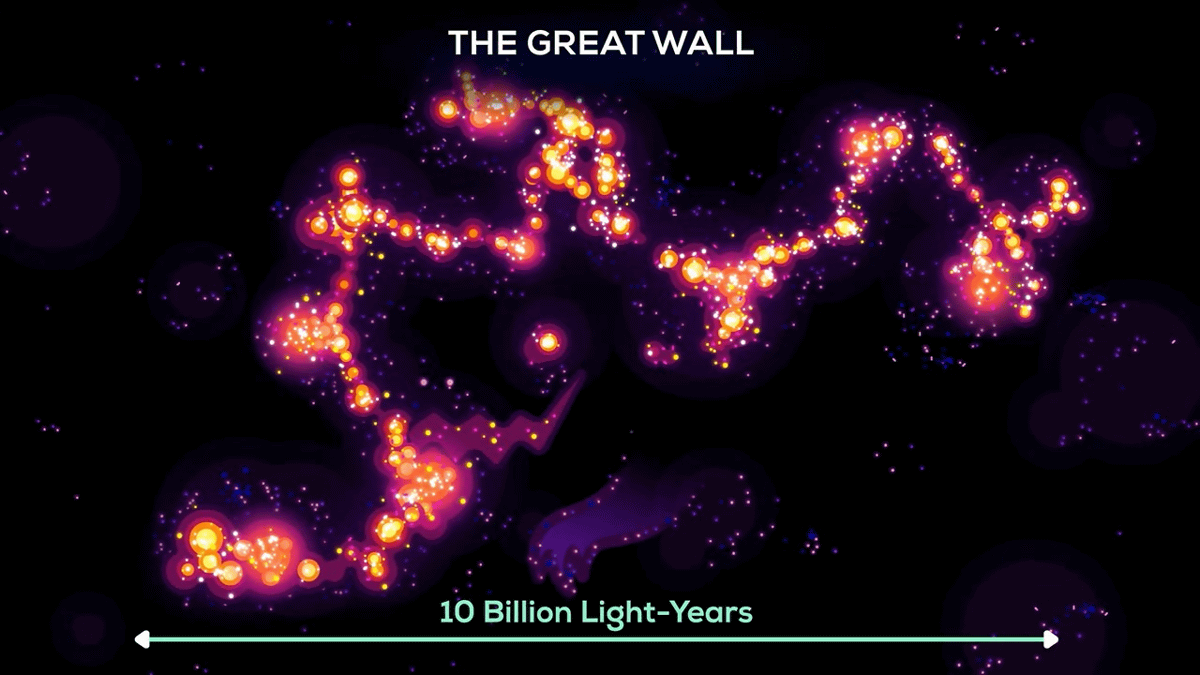
Furthermore, we know that there are vast cosmic deserts with far fewer galaxies than usual, known as '
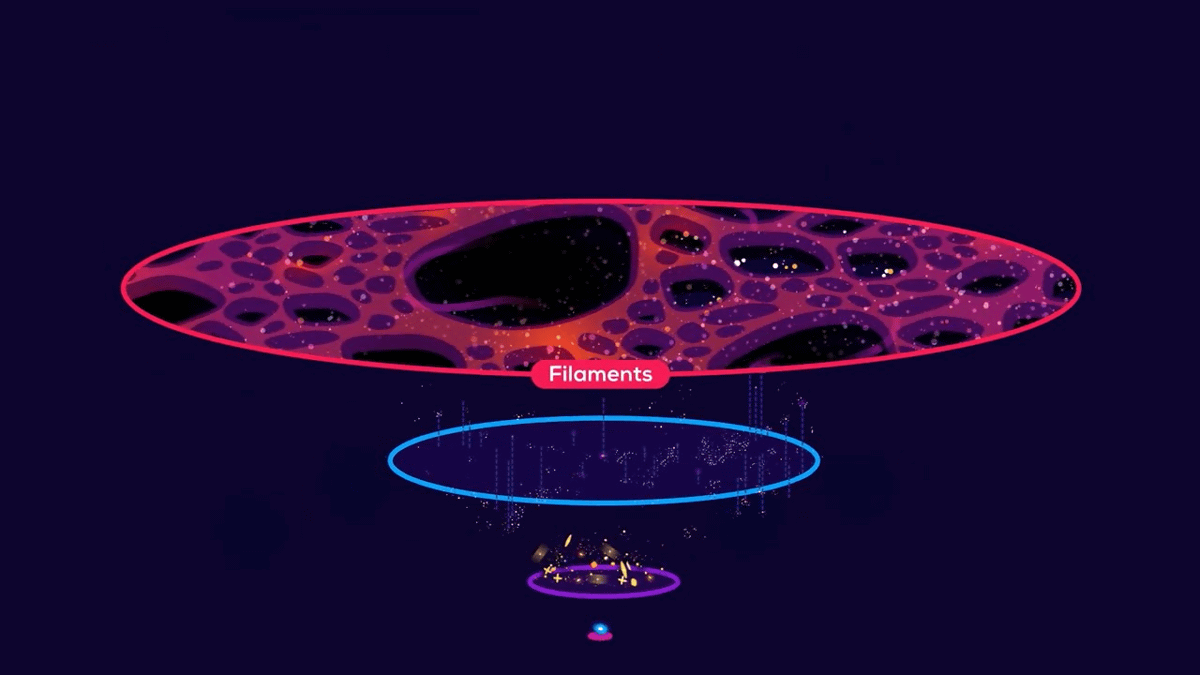
The universe grows in scale from galaxies to galaxy clusters, superclusters, and finally is formed by gigantic structures separated by gaps called
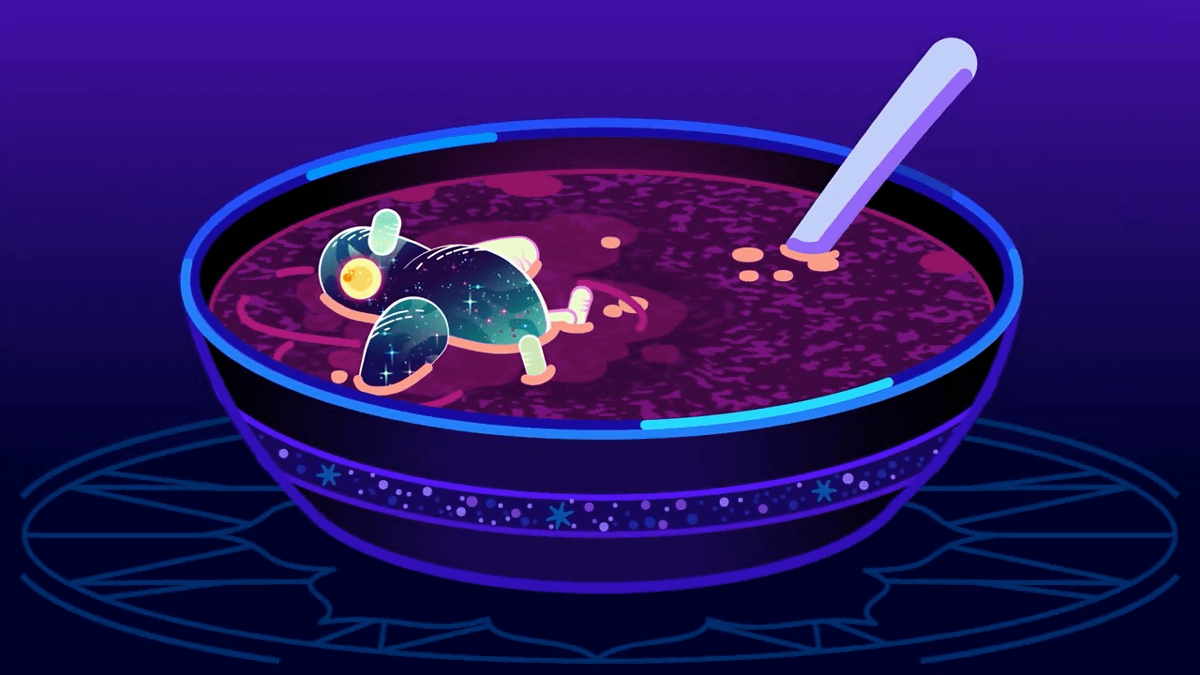
According to existing cosmological theories, these things should grow evenly, and at scales beyond a billion light-years, the filaments and gaps should blur together, giving the appearance of a homogeneous soup.
This idea is not just a detail, but a fundamental pillar for understanding the universe itself.
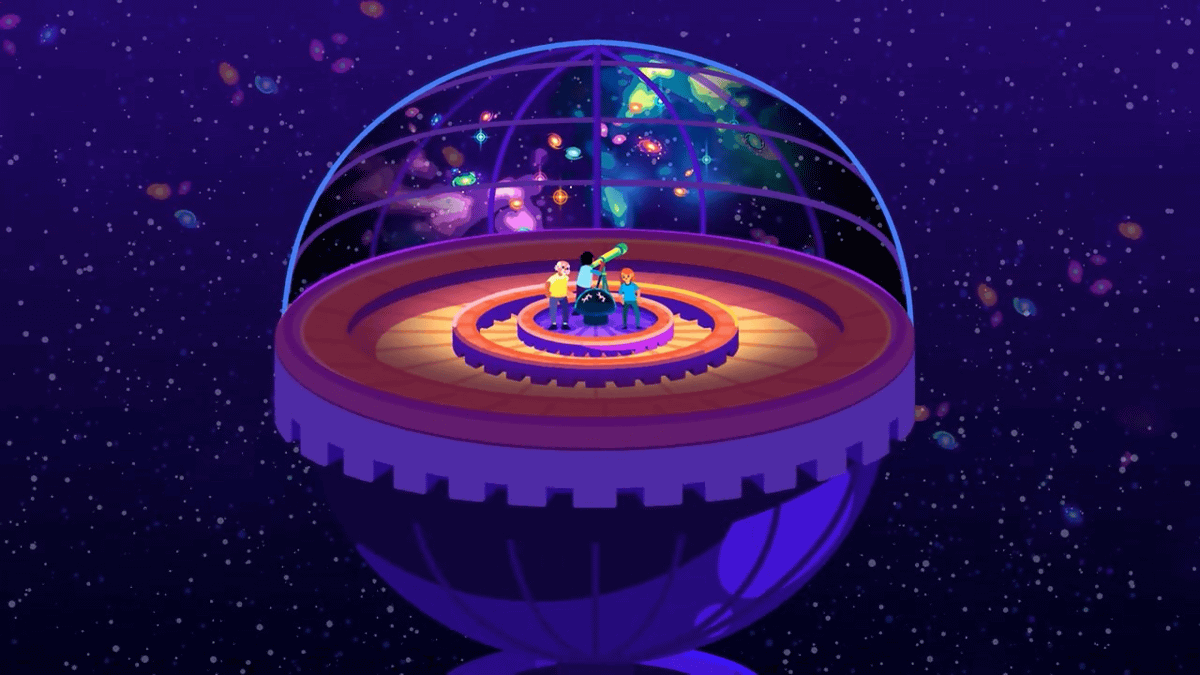
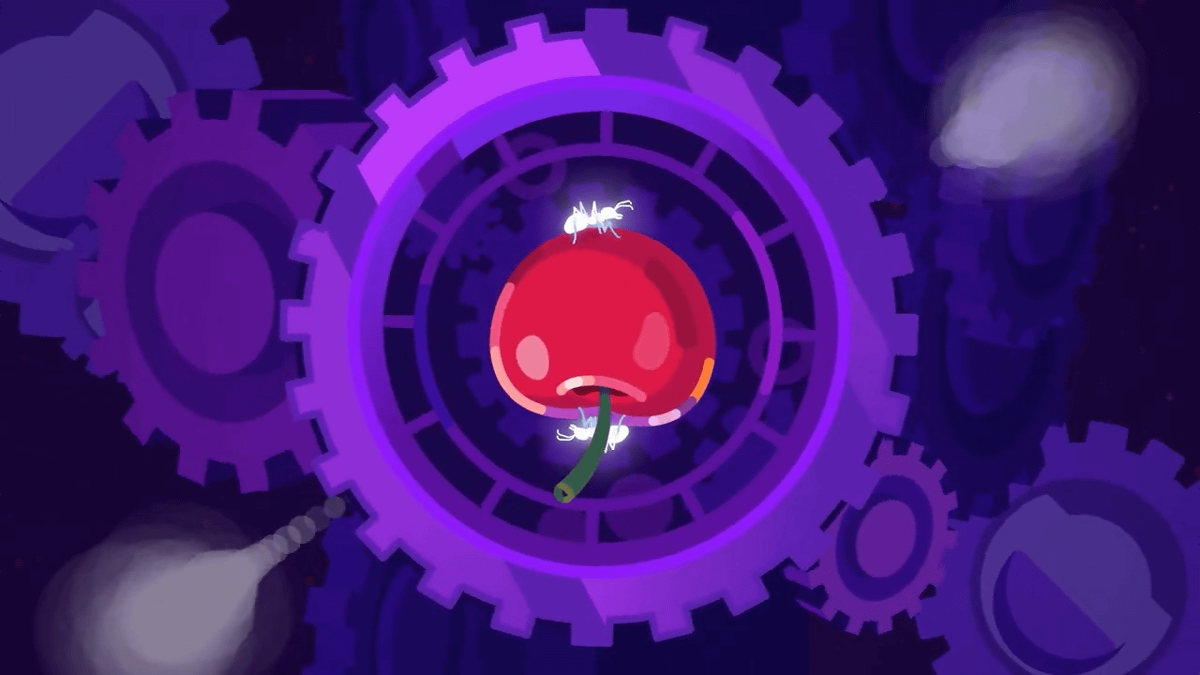
Our understanding of the universe is based on the assumption that if we zoom out far enough, the universe will be uniform and look the same everywhere. This is a very important assumption because it means that our view of the universe is a fair sample of the whole. This means that we can get a correct understanding of the universe no matter where we are in the universe.
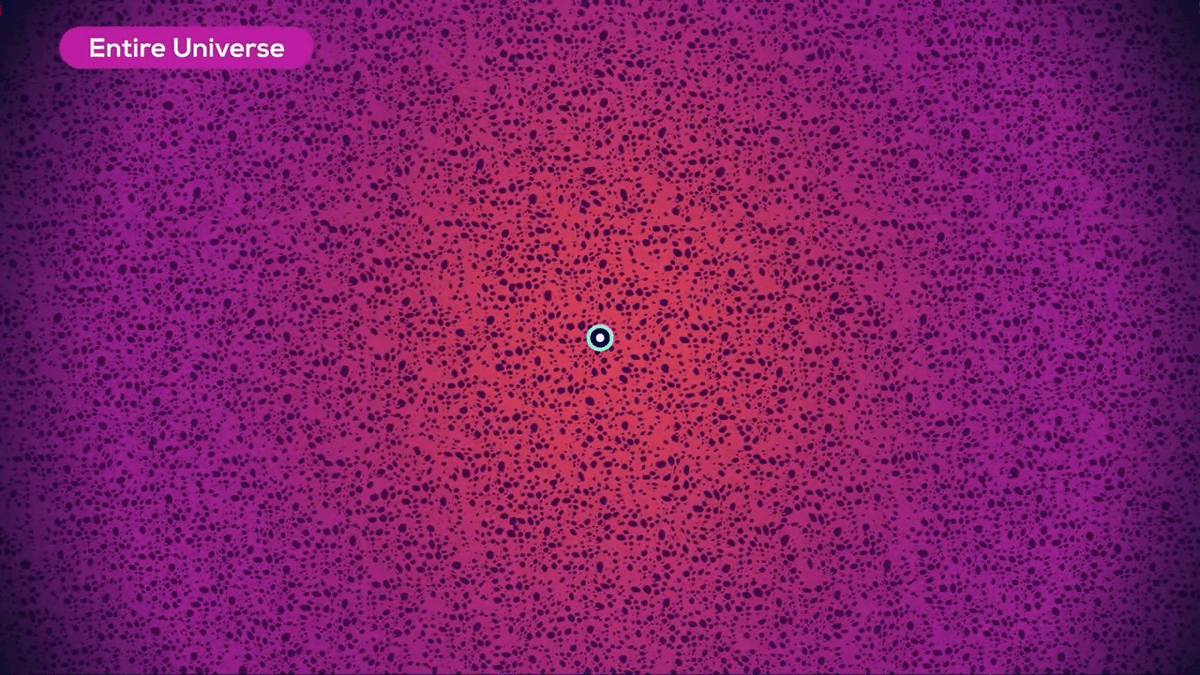
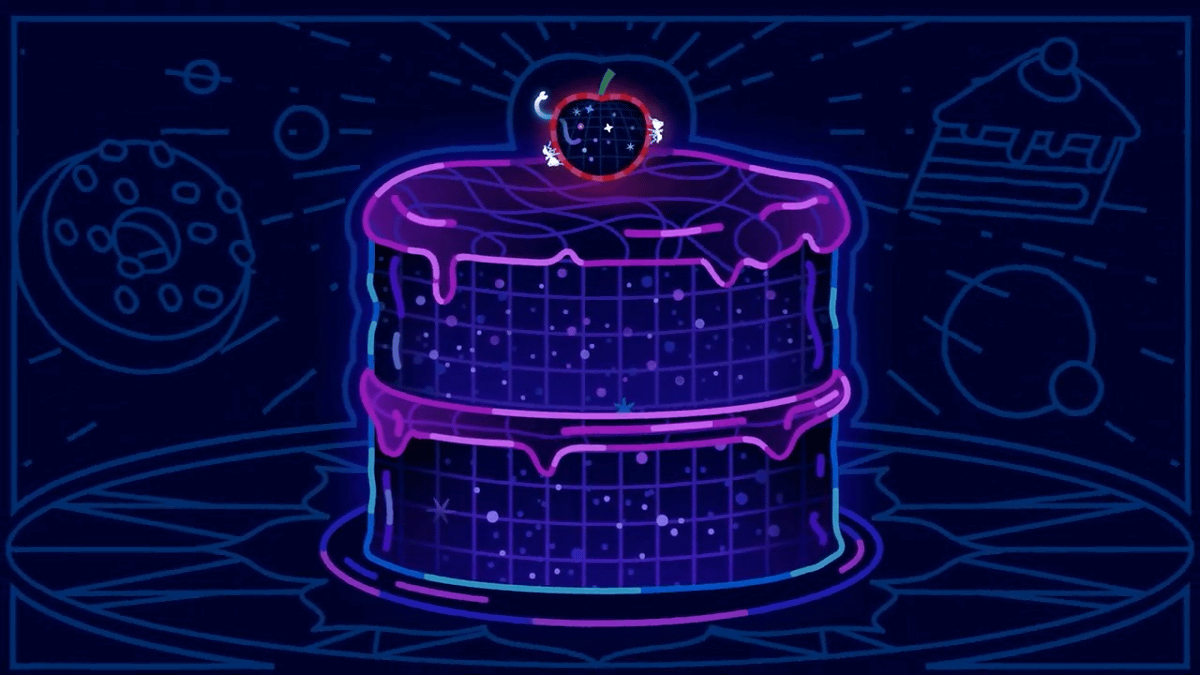
However, if the place where humanity is located is unique and biased, then our fundamental understanding of the universe would be shaken. This is because humanity's place is like the 'cherry on top of a cake,' and it would be like trying to guess the taste of the whole cake by looking at only the cherry.
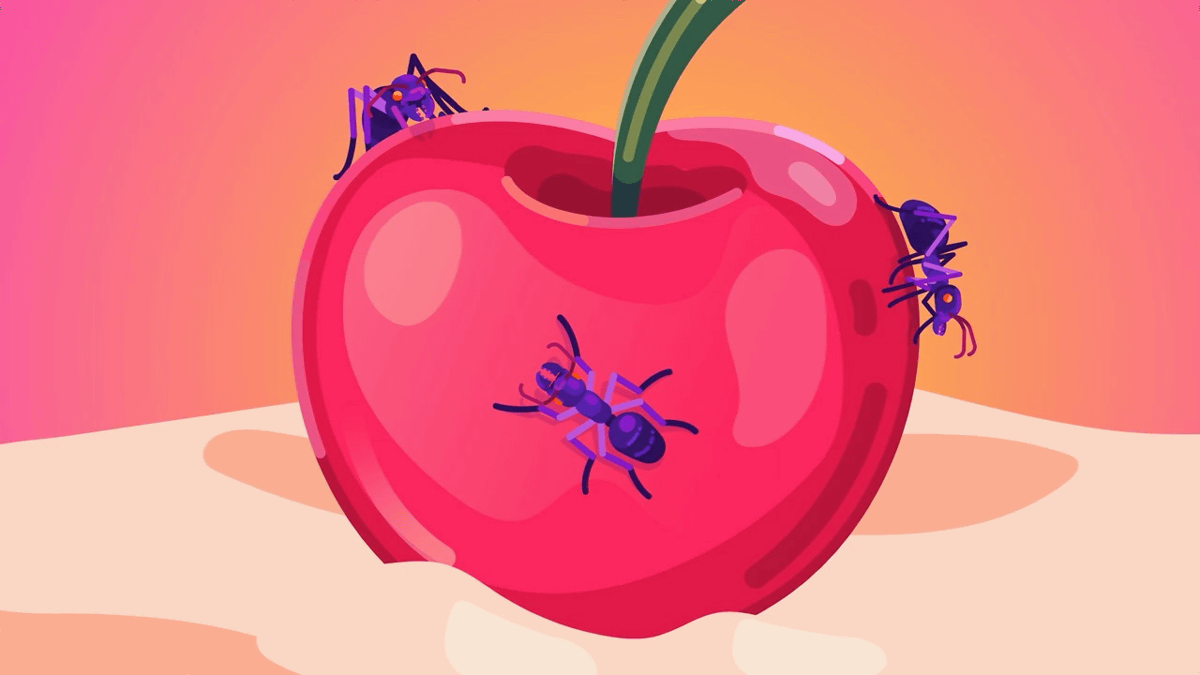
'Maybe everything we see is just a local oddity, a quirk that doesn't tell us anything about the universe,' Kurzgesagt said.
Another crack is the issue of 'how fast the universe is growing.'
It has been confirmed by several methods that the universe is gradually expanding, but there is no consensus on how fast it is expanding, and there are two different results.
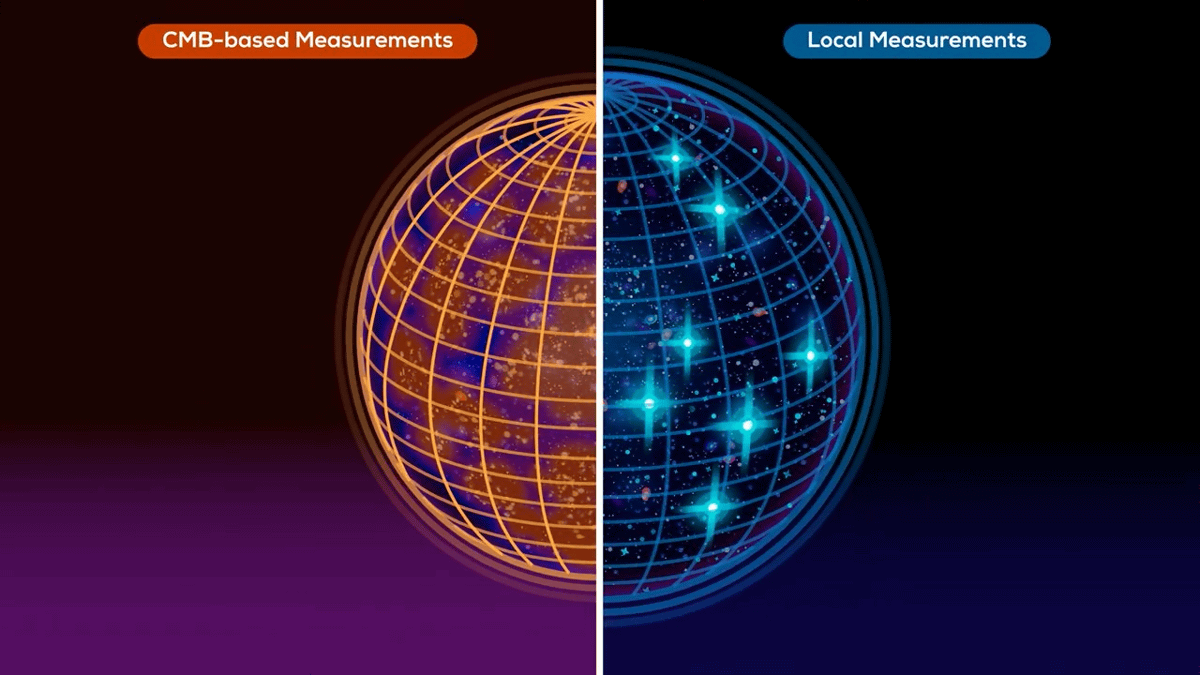
To put it in perspective, it's like the speedometer and GPS measuring a car's speed being different.
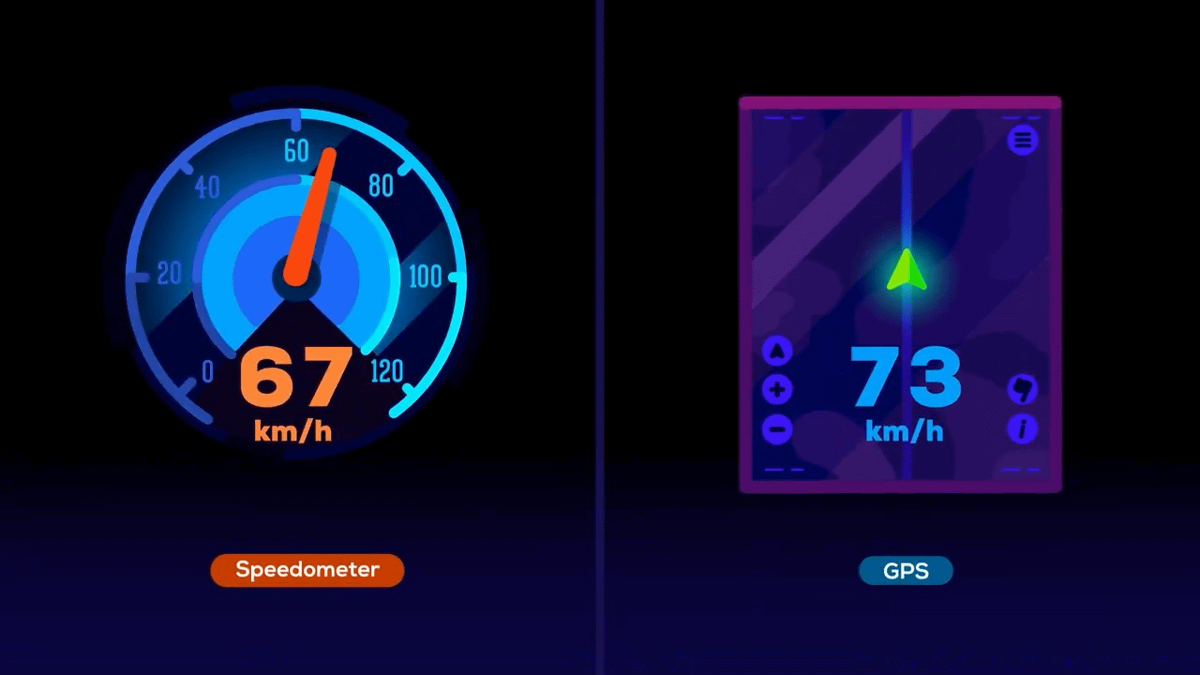
Normally, one of these two devices would be broken, but studies of the expansion speed of the universe have repeatedly confirmed that both speeds are correct. The more precise the measurements and calculations, the worse the discrepancy between the two speeds becomes, and the more likely it is that the discrepancy is merely coincidence, the more likely it is that it is less than one in a million.
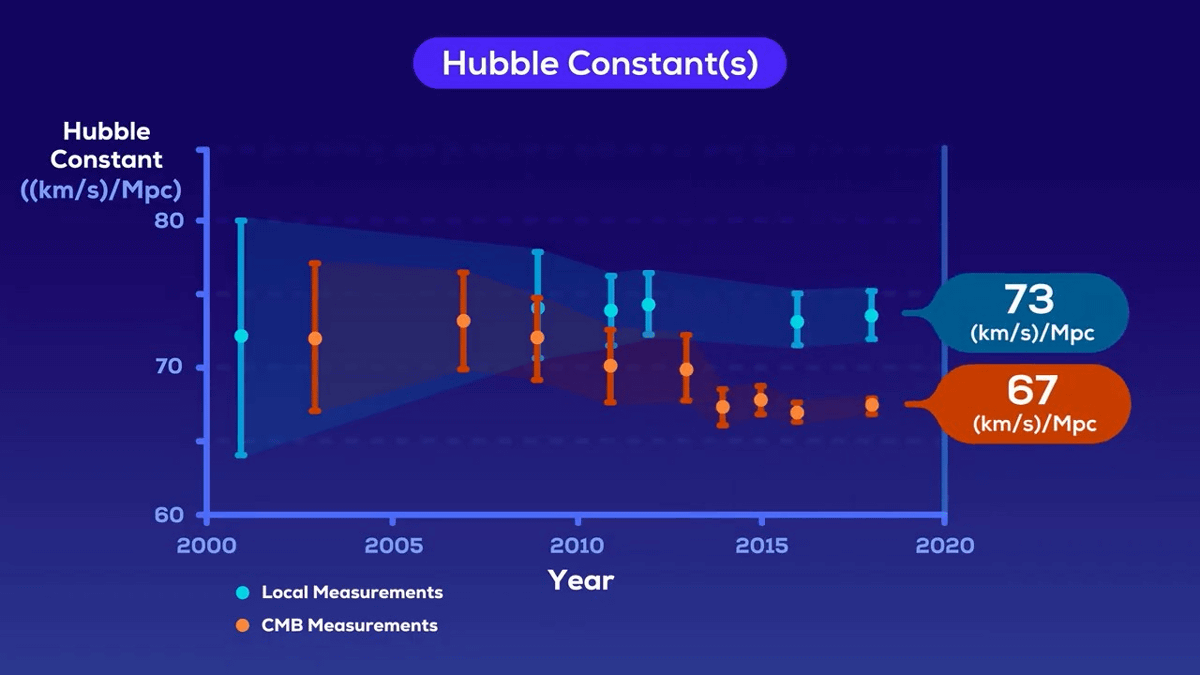
'The universe is literally giving us two different answers to the same question, so either our measurements or our fundamental understanding of the universe is broken,' Kurzgesagt said.
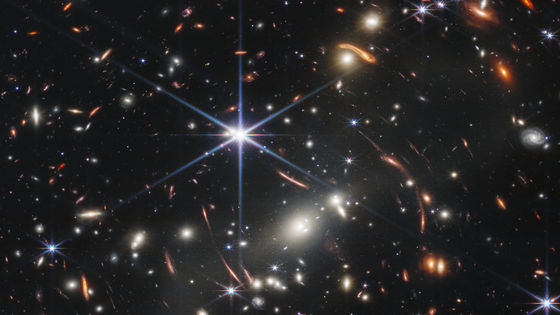
And the third crack is the observation that there are old galaxies in a young universe.
It takes a very long time for the light observed by a telescope to reach us from a distant galaxy. For this reason, telescopes that observe the far reaches of the universe can be thought of as 'time machines that peer into ancient galaxies.'
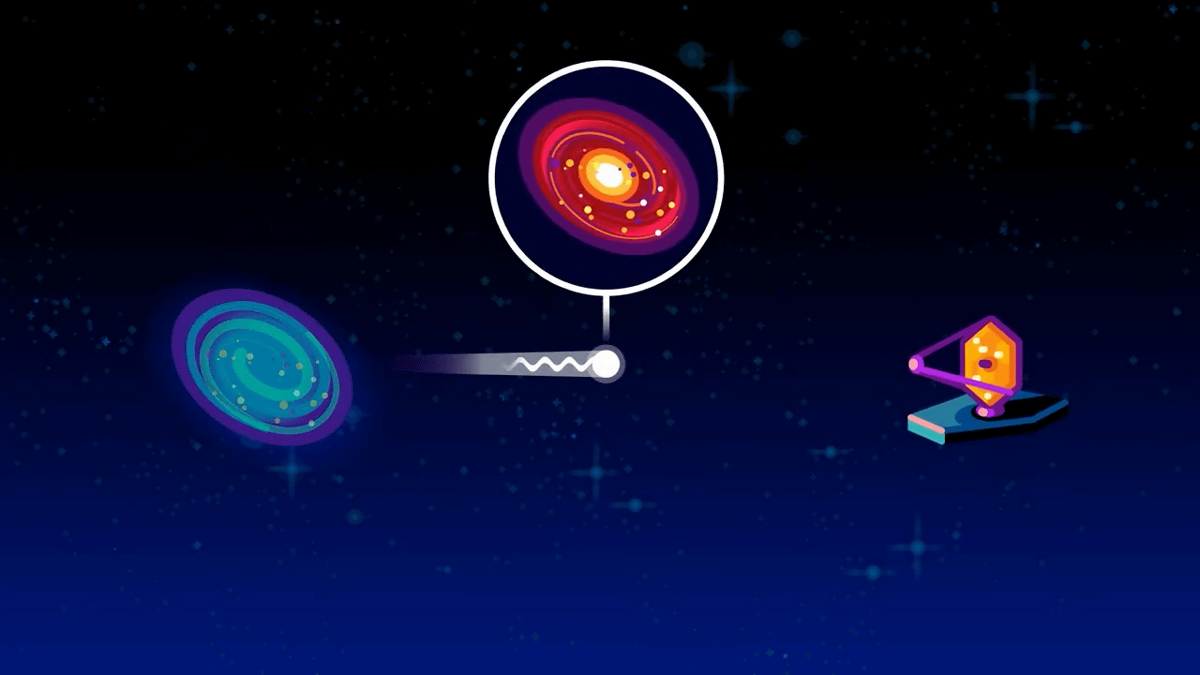
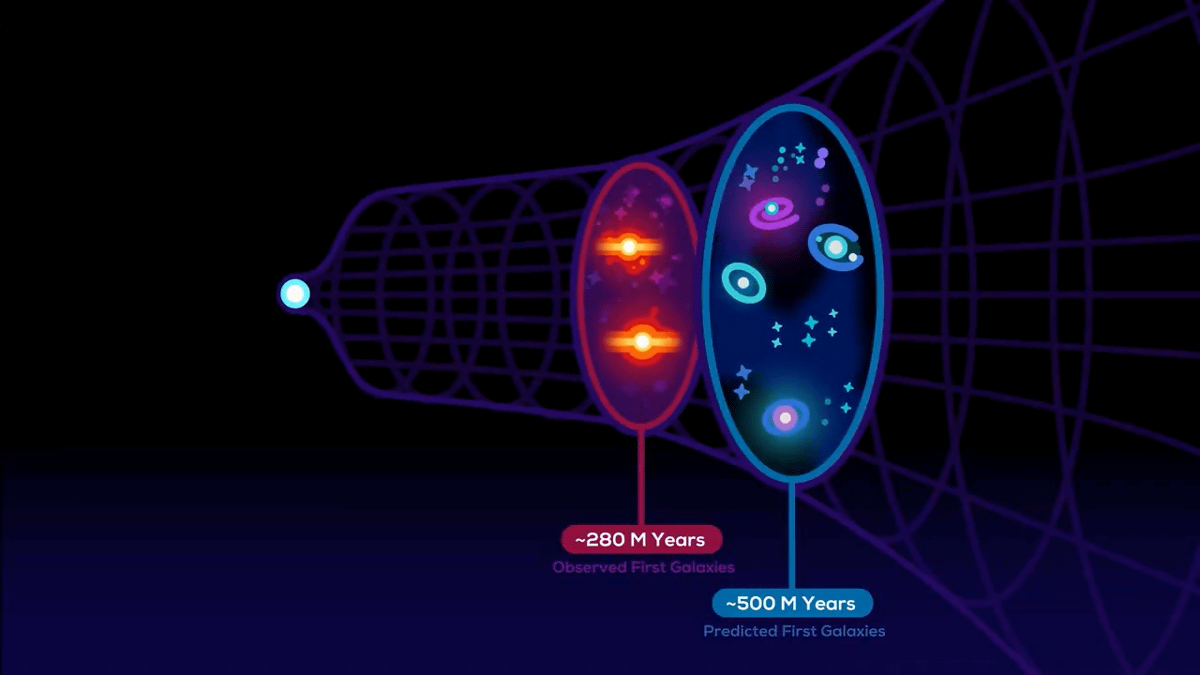
In 2025, the James Webb Space Telescope discovered
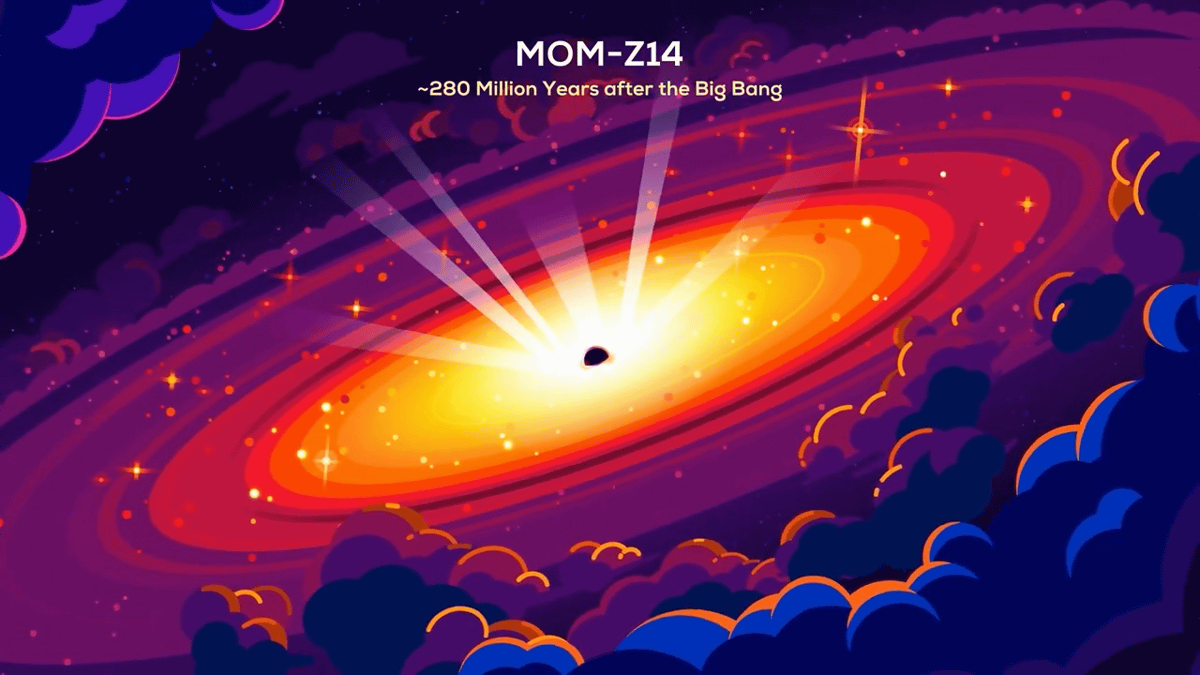
According to previous cosmological theories, the material soup created by the Big Bang merged over a long period of time, eventually forming the first galaxies. However, because this process takes so long, it was thought that the first galaxies only appeared about 500 million years after the Big Bang.
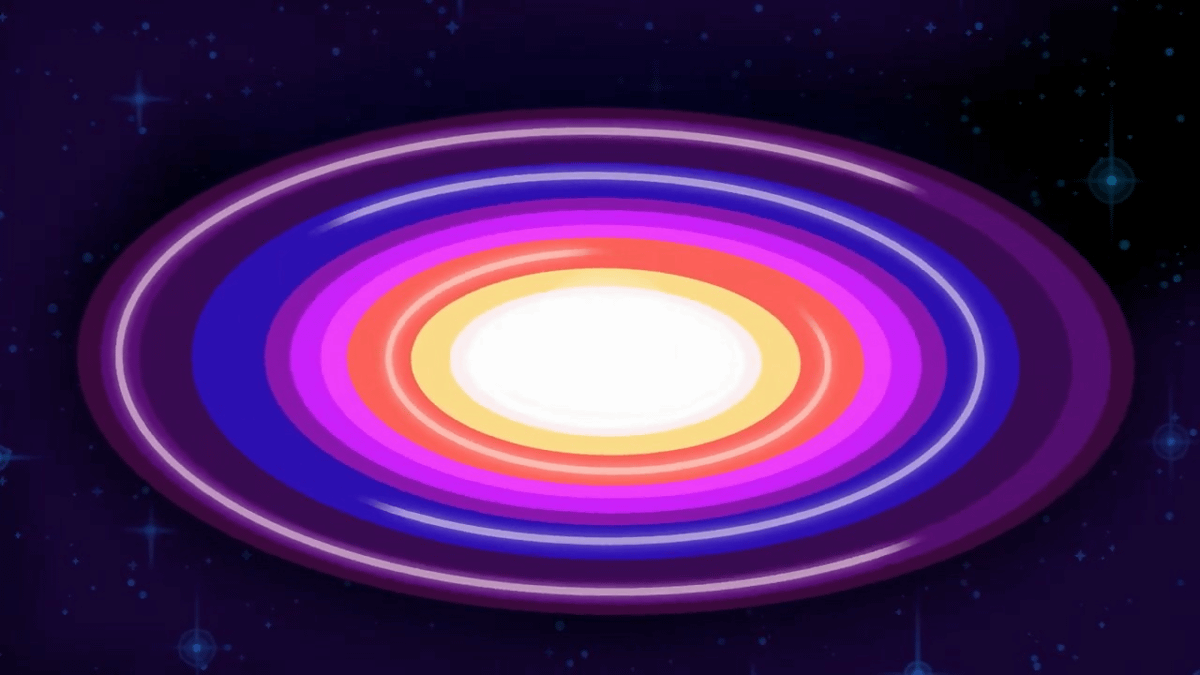
In other words, MoM-z14 is a galaxy that was born at a time when galaxies should not have been able to exist.
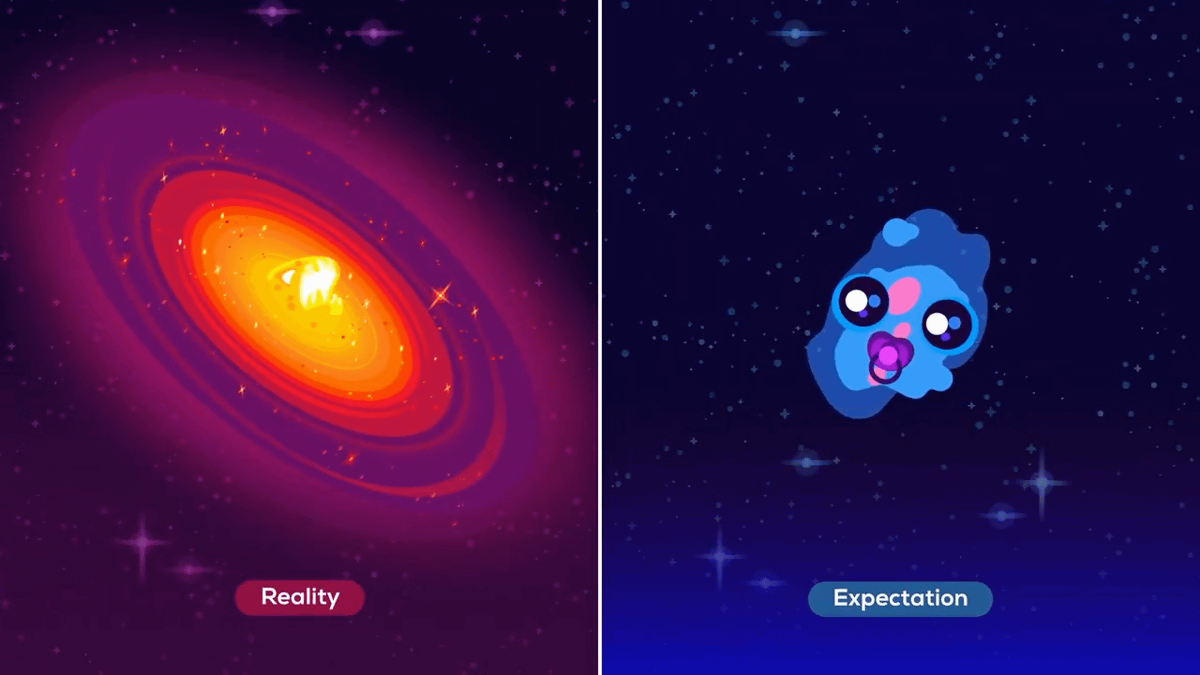
It has also been observed that newborn galaxies are maturing at a rate that would not be possible under normal circumstances.
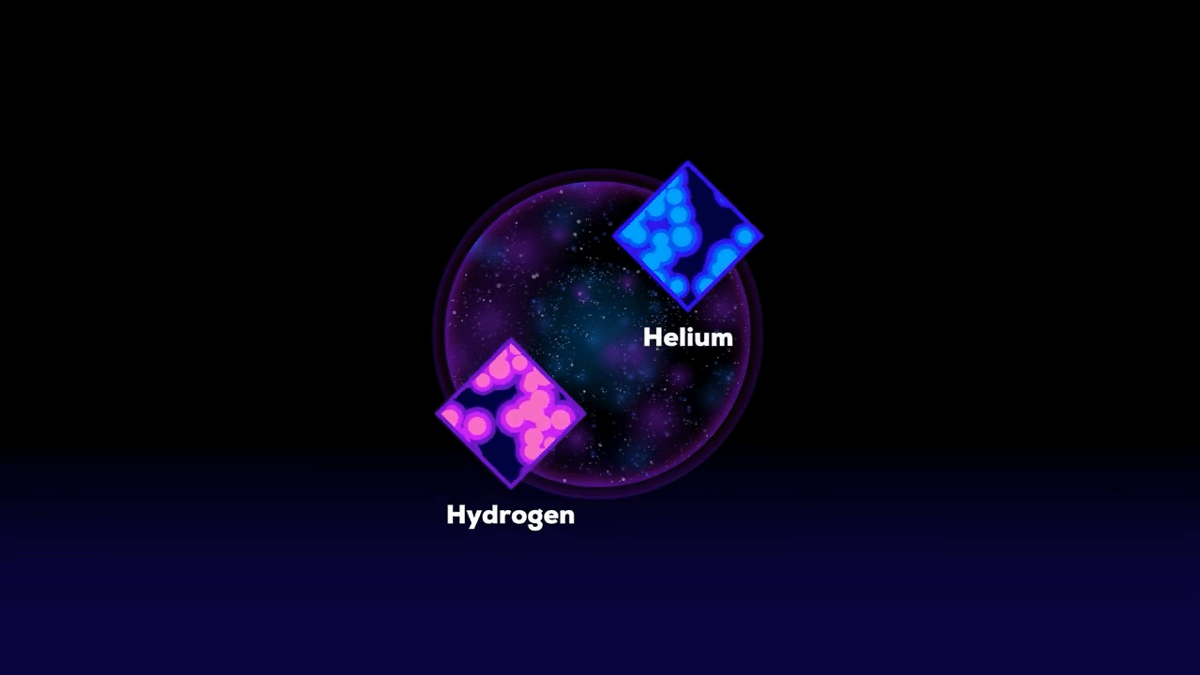
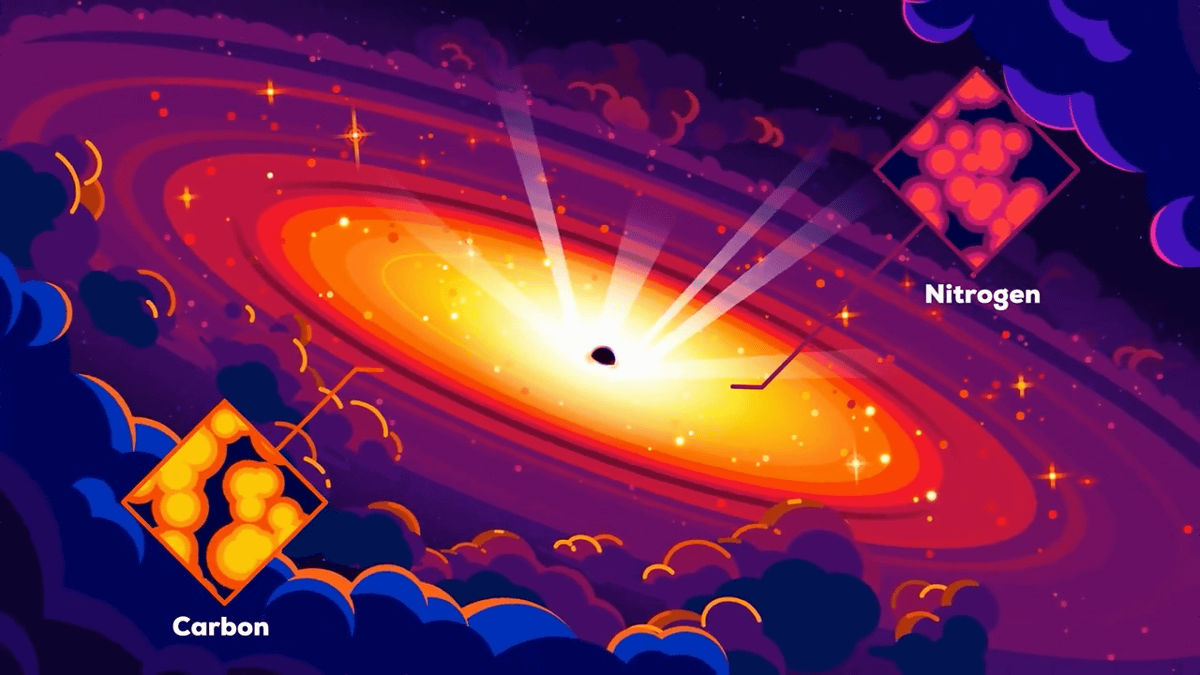
Immediately after the Big Bang, matter in the universe was composed almost entirely of hydrogen and helium. Heavier elements like carbon and nitrogen are thought to have first formed in the cores of stars, which then expelled them into space when they exploded.
However, some of the very early galaxies observed by the James Webb Space Telescope contained large amounts of heavy elements, suggesting that some stars were born, produced heavy elements, and exploded before these galaxies were formed.
'This is like finding an adult child in kindergarten. Either the first galaxies arose in fast forward, or we're missing something big about the universe's childhood,' Kurzgesagt said.

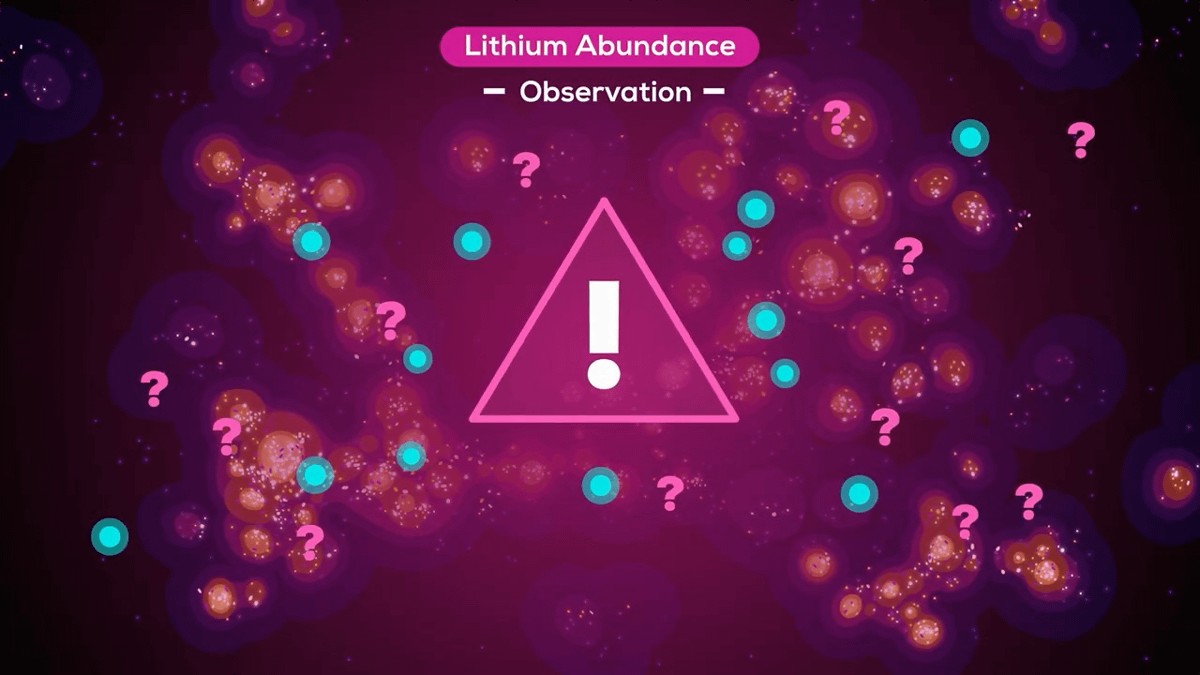
There are many other questions about the universe, including the fact that current cosmological theories suggest that the Big Bang should have produced three times as much lithium as we currently know, a problem that astronomers have been unable to solve for decades.
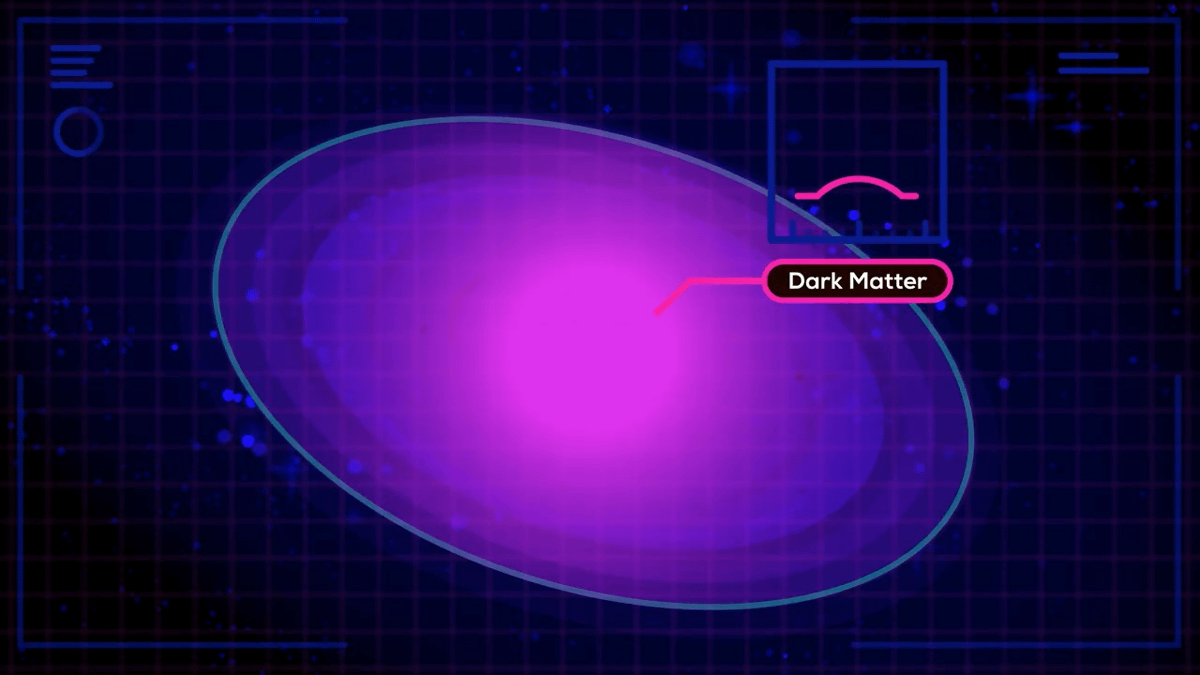
Also, dark matter is thought to accumulate extremely at the center of galaxies, but in reality its distribution is more gradual.
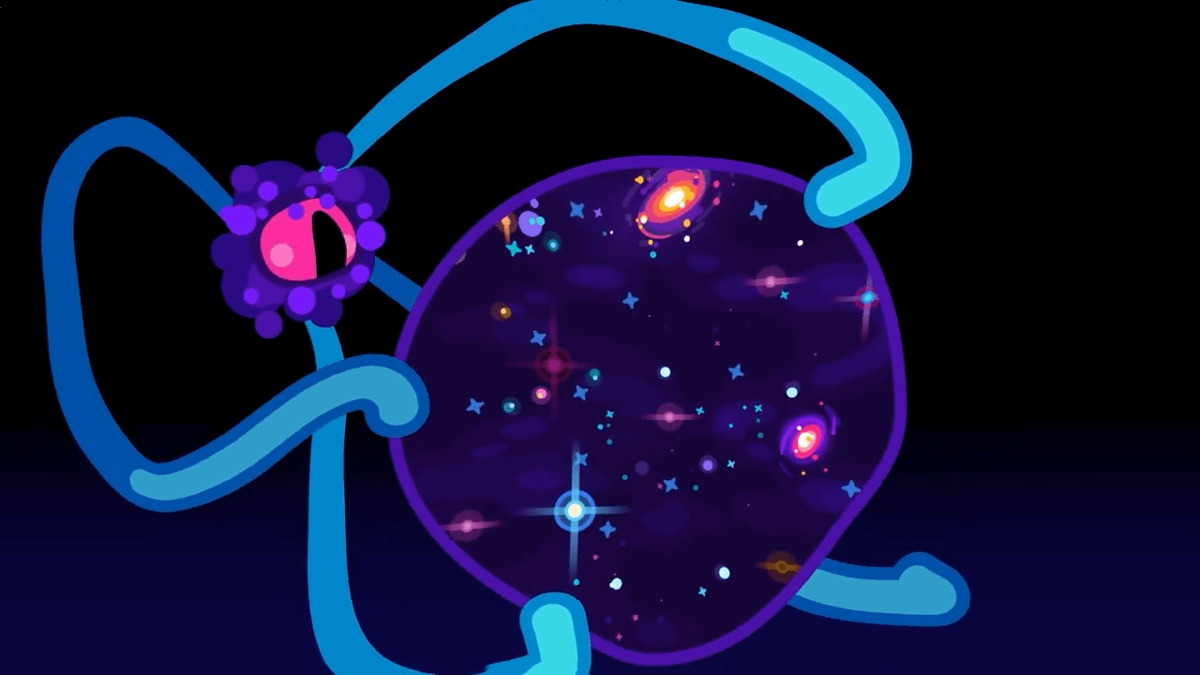
The dark energy that propels the universe forward was thought to have been constant since the Big Bang, but a large-scale galaxy survey conducted in 2024 suggests that galaxies' dark energy may be changing over time. If true, this could change our view of the universe, its past, and its future.
Even
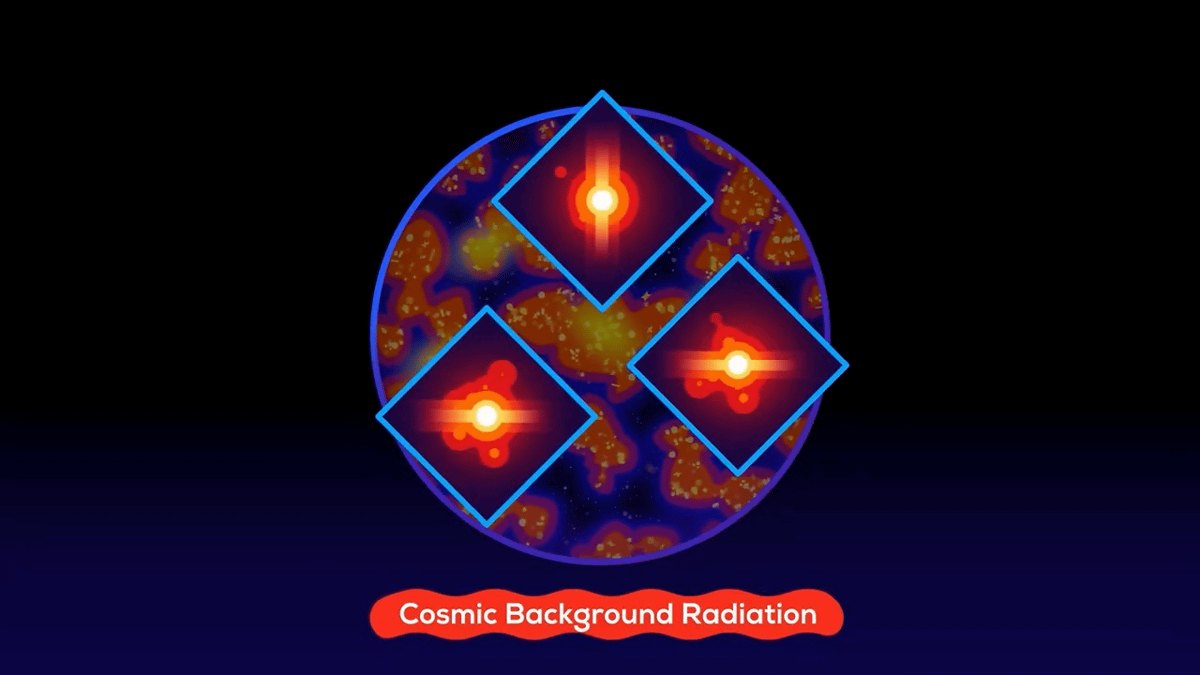
Although further evidence is needed to confirm these observations, the very fact that such a fundamental pillar of cosmology is being debated is surprising.
Astronomers continue to debate whether these cracks will resolve over time, whether they will ultimately provide clues to refine existing theories, or whether they may require entirely new ideas that overturn existing cosmology.
But either way, these cracks are hard to ignore, and a cosmological crisis is mounting. It is unclear what kind of cosmology we will end up with when these problems are resolved.
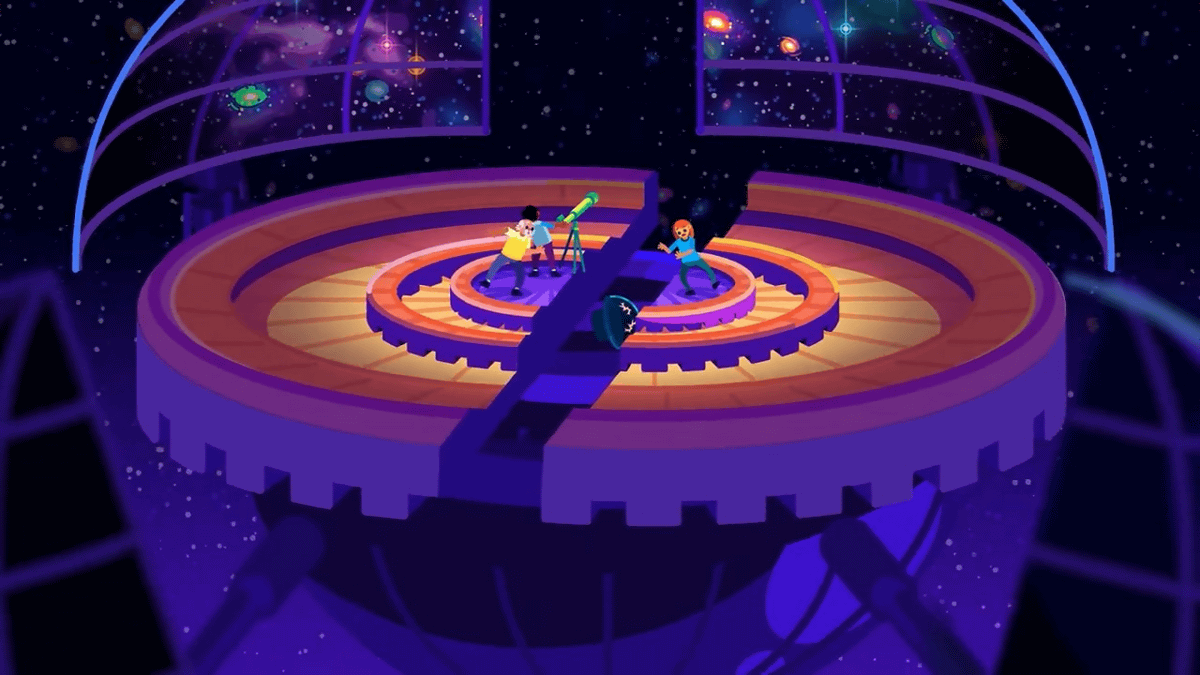
However, these problems do not mean 'failure' in science, as science has always been paused and revised as new challenges arise.
Kurzgesagt argues that science operates in cycles, with periods of calm followed by sudden crises: experiments begin to produce results that don't align with existing theories, confusion grows, and strange theories emerge.
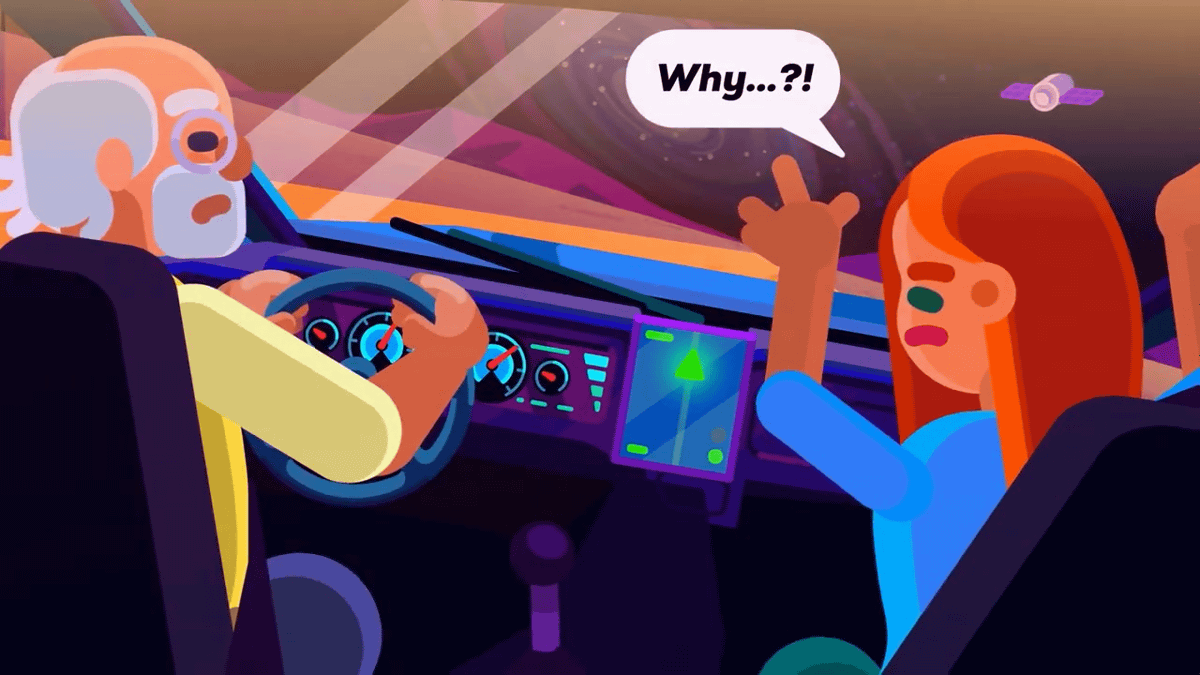
Ultimately, a revolution occurs that overturns previous thinking and allows us to arrive at a deeper truth.
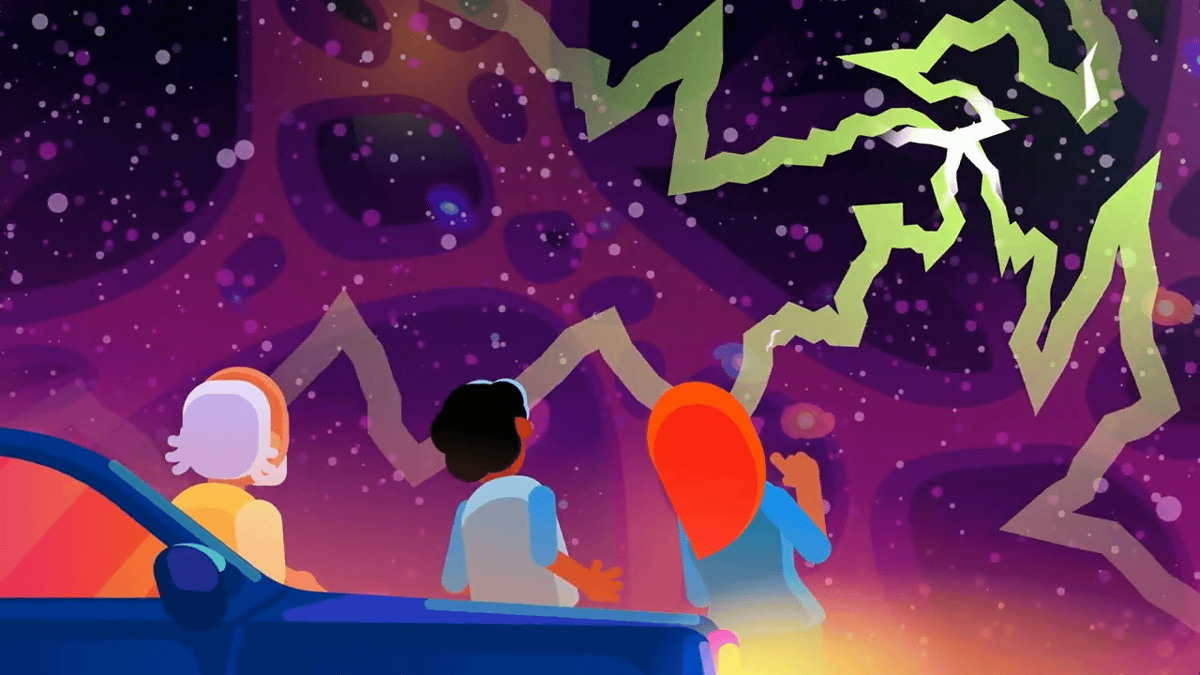
'The universe is crying out that our story is unfinished,' Kurzgesagt concluded. 'One thing is for sure: it's only going to get more interesting from here on out.'
Related Posts: