Why are men struggling today, and what can be done to address gender inequality?

Richard Reeves, author of the book '
Male inequality, explained by an expert | Richard Reeves - YouTube
Reeves said that when he wrote 'Of Boys and Men,' many people warned him not to write it, as drawing attention to inequality among boys and men is such a sensitive and politically charged topic.
Reeves argues that in almost every developed country around the world, women are significantly outpacing men. One area where women are significantly ahead of men is education.

In the past, there was severe discrimination against women in the field of education. In order to eliminate discrimination against women in the field of education, people sought to expand rights with the aim of achieving gender equality.

Thanks to various efforts, mainly in the 1970s and 1980s, women's educational opportunities were on a par with men's, but no one could have foreseen the current situation, where gender inequality has resurfaced, with women outperforming men.

'When we talk about gender inequality, at least in the education sector, we're almost always talking about the advantages that women and girls have over men and boys,' Reeves said.

In the average American school district, girls are about a grade level ahead of boys in English and are catching up in math. About two-thirds of the top 10% of students with high school

The university enrollment rate for women in the 24-34 age group is more than 10% higher than that of men.

These gaps have also widened the gender gap in college degree attainment. In 1972, when the Act to Promote Gender Equality in Education was passed, men were 13 percentage points more likely to earn a college degree than women. Today, however, women are 15 percentage points more likely to earn a college degree than men. 'So, we see greater gender inequality in college today than we did 50 years ago, in fact the situation has reversed,' Reeves points out.

Reeves points to differences between the brains of boys and girls during development as the reason why inequality between men has become more apparent as a result of the promotion of gender equality. There is no evidence that there are significant differences between the brains of adult boys and girls, but the timing of brain development has not been discussed in detail. In general, girls' brains develop earlier than boys' brains, and the biggest difference occurs during adolescence.

During adolescence, the brain develops what neuroscientists call the prefrontal cortex, also known as the 'CEO of the brain,' and it's responsible for deciding things like 'doing your chemistry homework is better than going to a party,' 'prioritizing college and future goals,' and 'the value of maintaining a high GPA.'

The development of the prefrontal cortex generally occurs in girls about one to two years earlier than in boys. One reason for this is thought to be that girls enter puberty a little earlier than boys. This means that in an educational system that rewards abilities such as 'turning in homework,' 'doing assignments,' and 'caring about GPA,' groups whose brains develop structurally earlier tend to have an advantage, and this works to the advantage of girls on average.

'Now that those limits have largely been lifted, we can see that it's boys and men who are disadvantaged in the education system,' Reeves said.

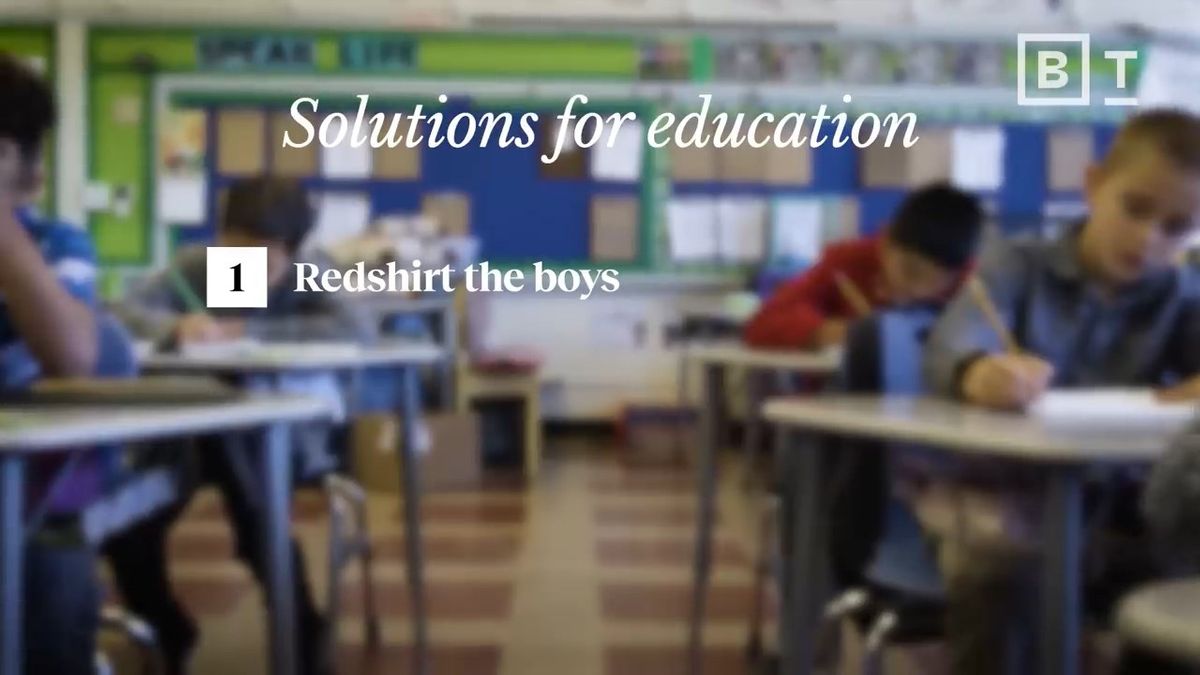
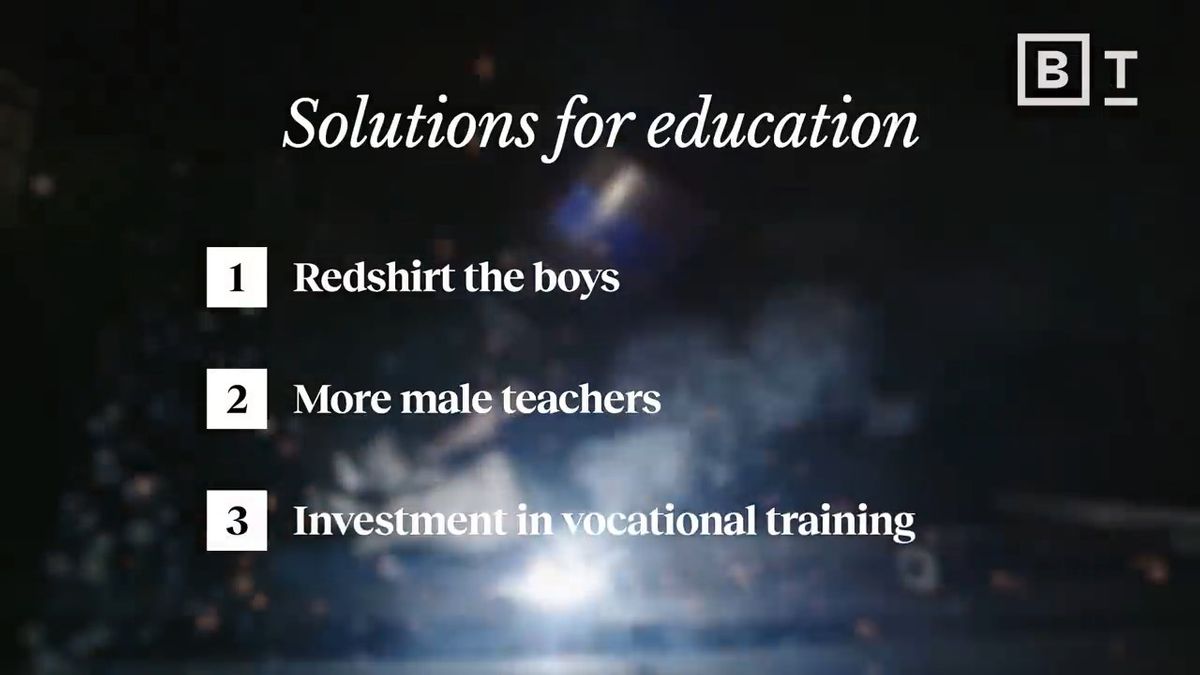
To improve this situation, Reeves suggests encouraging boys to start school a year later than girls. Because there are differences in brain development between boys and girls, delaying boys' enrollment by a year would allow them to study in the same classrooms as their male and female classmates in terms of brain development.
Reeves also argues that 'increasing the number of male teachers' is also an effective approach.
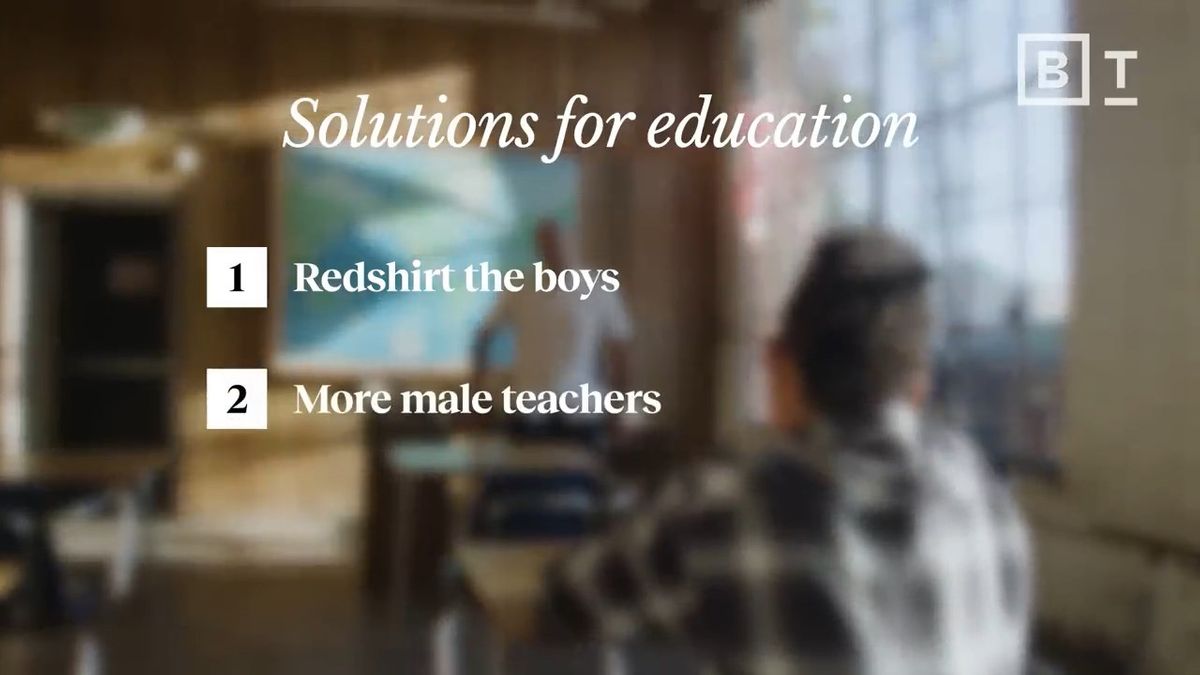
The percentage of women in the teaching profession has steadily increased over time. However, only 24% of teachers teaching students in grades 1 through 3 of high school are men, down from 33% in the 1980s. Fewer men are applying to teacher training programs each year, making education one of the most gender-biased workforces.

Having a high proportion of women in education can affect school ethos and how it treats men and women, so Reeves argued that 'a serious and deliberate effort is needed to get more men into the teaching profession.'
Third, Reeves suggests 'significantly increasing investment in vocational education and training.' While the United States has invested heavily in academic fields with narrow growth paths, it has underinvested in these areas that are important for many workers.
Reeves argued that investing in vocational training would be of great help to men and boys who face educational inequalities.

When talking about the inequalities faced by men and boys, it often doesn't resonate well with 'men and women with four-year college degrees, decent incomes, and economically privileged classes,' because the inequalities faced by men are less apparent in these higher social classes.
For working-class and lower-income men, however, these issues are personal. 'The reality for men further down the hierarchy is completely different,' Reeves said.
Another area where gender inequality is growing is the workplace.
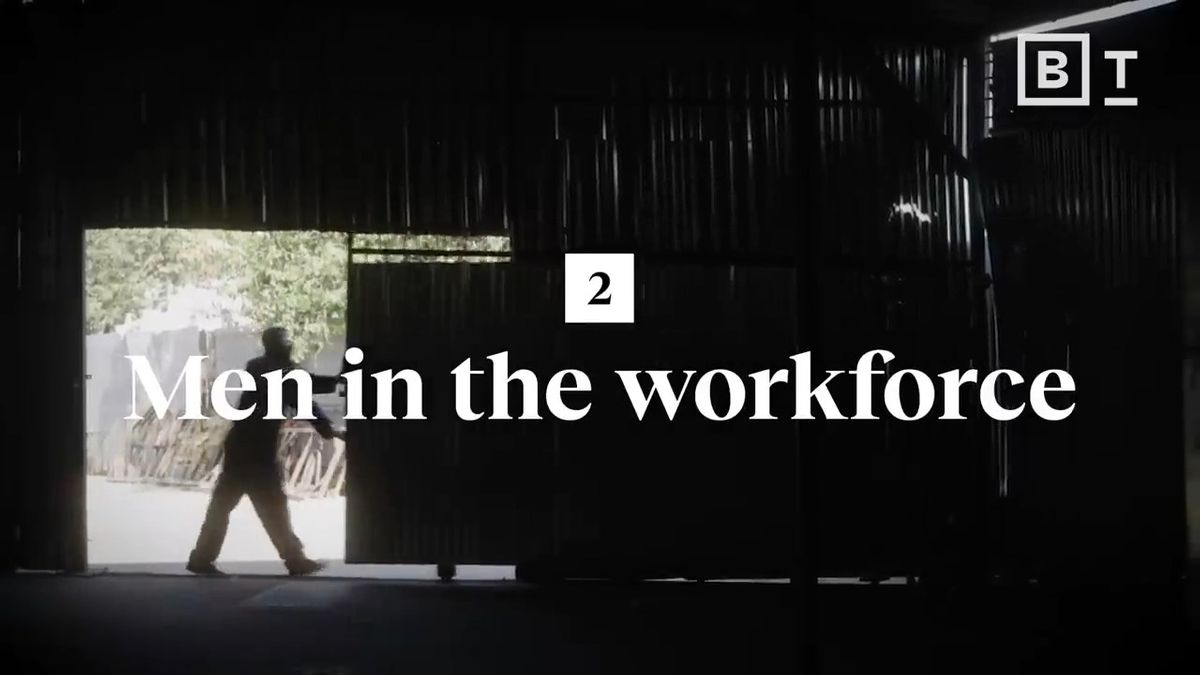
The working environment for men has been declining in many ways in recent years. One of these is wages: the majority of men in 2021 earn less, adjusted for inflation, than most men in 1979. The male labor force participation rate has also fallen by 8 percentage points since the 1980s, leaving many men unable to work.

'If boys aren't educated, if men don't have skills, they're going to struggle in the labor market. And in all of these areas, men's status has been declining over the last 40 or 50 years,' Reeves said.
While top men and women continue to excel, that is not the case for low-income and working-class men and boys, as well as black men and boys, who have been hit hard by social and economic changes.

Over the past few decades, society has been successful in encouraging more women into

On the other hand, Reeves points out that a more important area of work than STEM is 'HEAL,' which stands for 'Health, Education, Administration, and Literacy,' and many jobs fall into this category.

The health and education sectors, in particular, are the largest and fastest-growing sectors in the United States. Reeves estimates that for every job created in the STEM field by 2030, three jobs will be created in the HEAL field over the same period. This means that tapping into the large labor market in the HEAL field has the potential to solve men's labor issues.
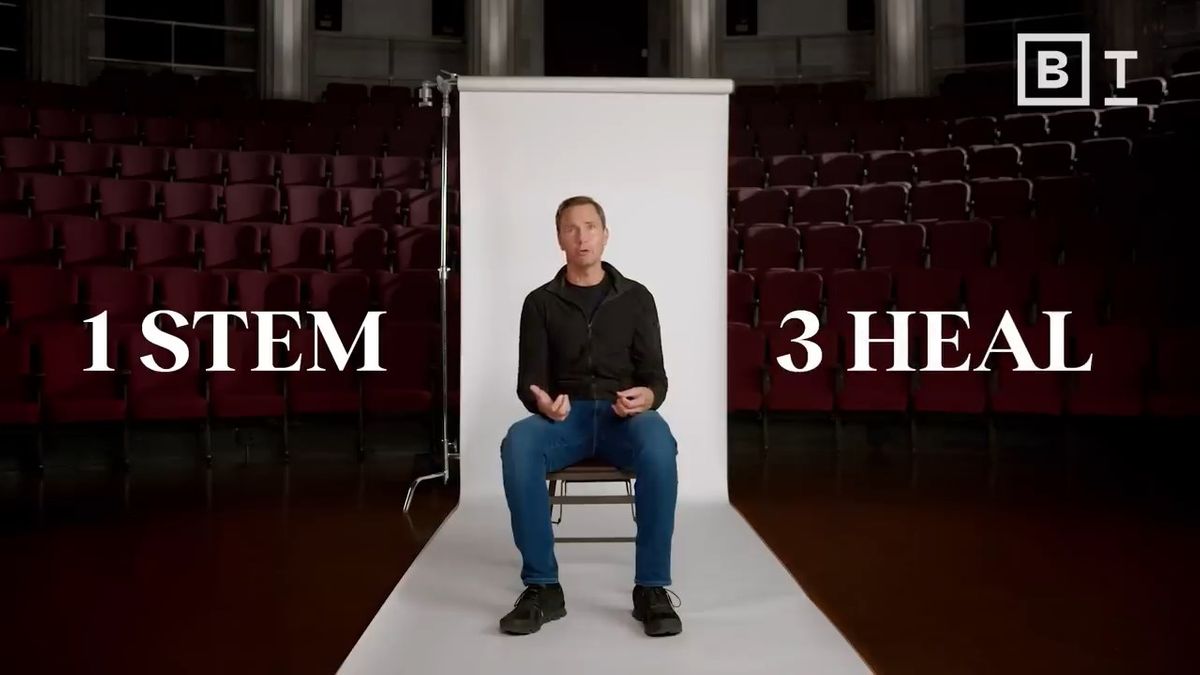
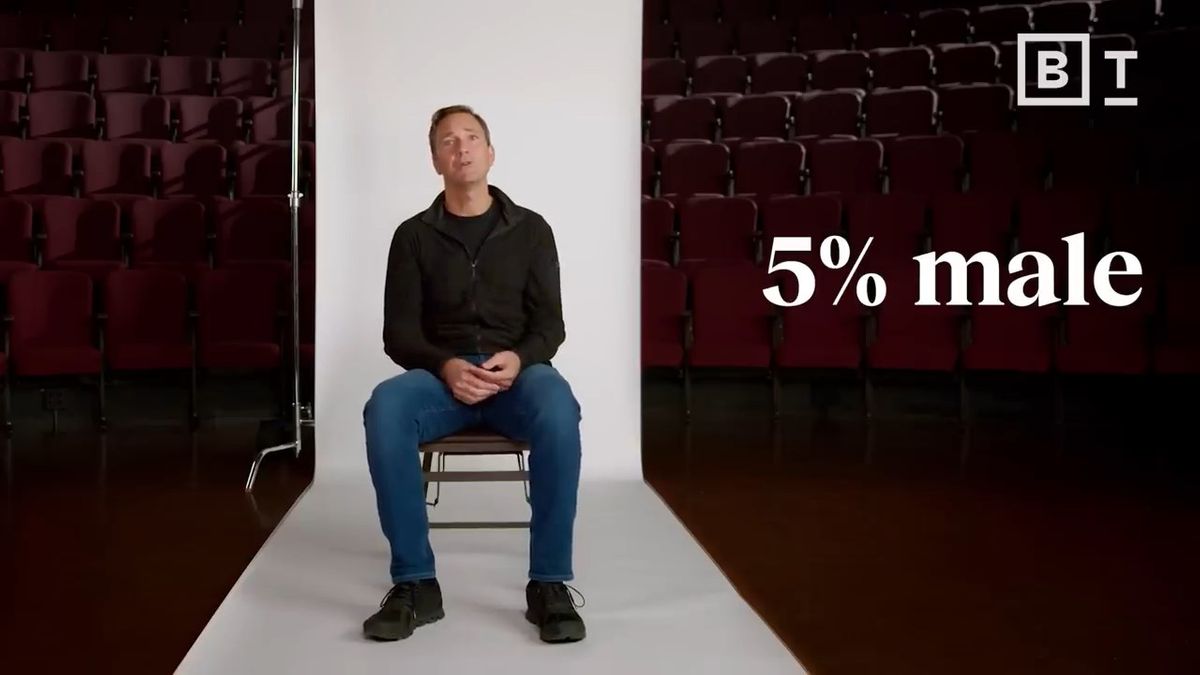
However, only 24% of workers in the HEAL field are male, and this percentage is declining year by year. The percentage of male psychologists is particularly low, with only 5% of psychologists under the age of 30 being male.
Because these jobs are so important to society, it would seem that gender diversity would be beneficial, but in reality, this is not the case. Reeves said, 'No effort has been made to get men into HEAL jobs. I believe that HEAL jobs have a future, and I believe we should support men in finding new jobs.'

The third problem men face is the disappearance of the 'father in the family.'
In the United States, when parents divorce, the mother often takes custody of the children, and one in four fathers do not live with their children. One in three children whose parents divorce do not see their father at all for several years after the parents separate.

When you take into account issues such as men's education and work, it seems that becoming a 'successful father' is a very difficult path for modern men.

Already, women are the primary breadwinner in two out of five American households, and 40% of American women earn more than the average man. While these are all positive developments, they also raise questions about the very existence of fatherhood.
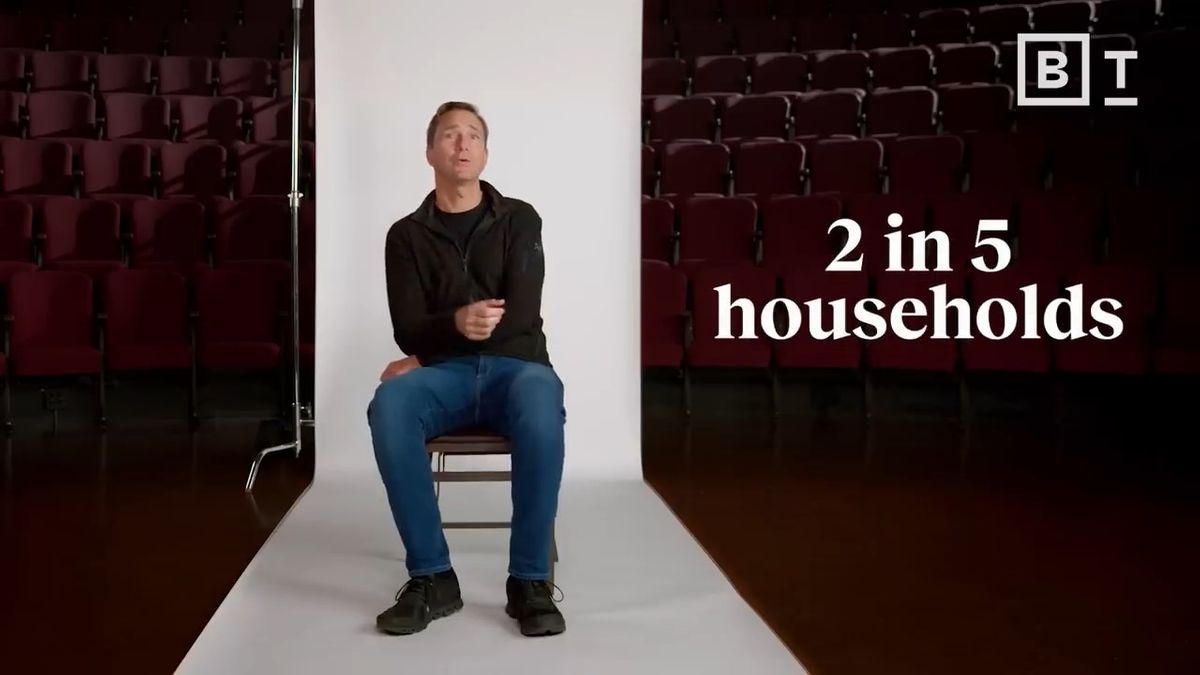
'Unless we move beyond the outdated model of the 'breadwinner father,' we will continue to see more and more men left out of family life,' Reeves said.

Furthermore, boys in fatherless families suffer more than girls in the same situation, and as a result, there is a risk that the disadvantageous situation for men will be reproduced across generations.

The very real challenges men face in education, work and family are alarming. In fact, so-called '

In a study of men who had committed suicide or attempted suicide, the last words they used to describe themselves were 'worthless' and 'useless.'

'If we create a society where so many men feel unwanted, it's no wonder some die of despair,' Reeves said. 'We as a society, men and women alike, have a cultural responsibility to help men and boys adapt to this new world.'
Related Posts: