EU plans to regulate child influencers
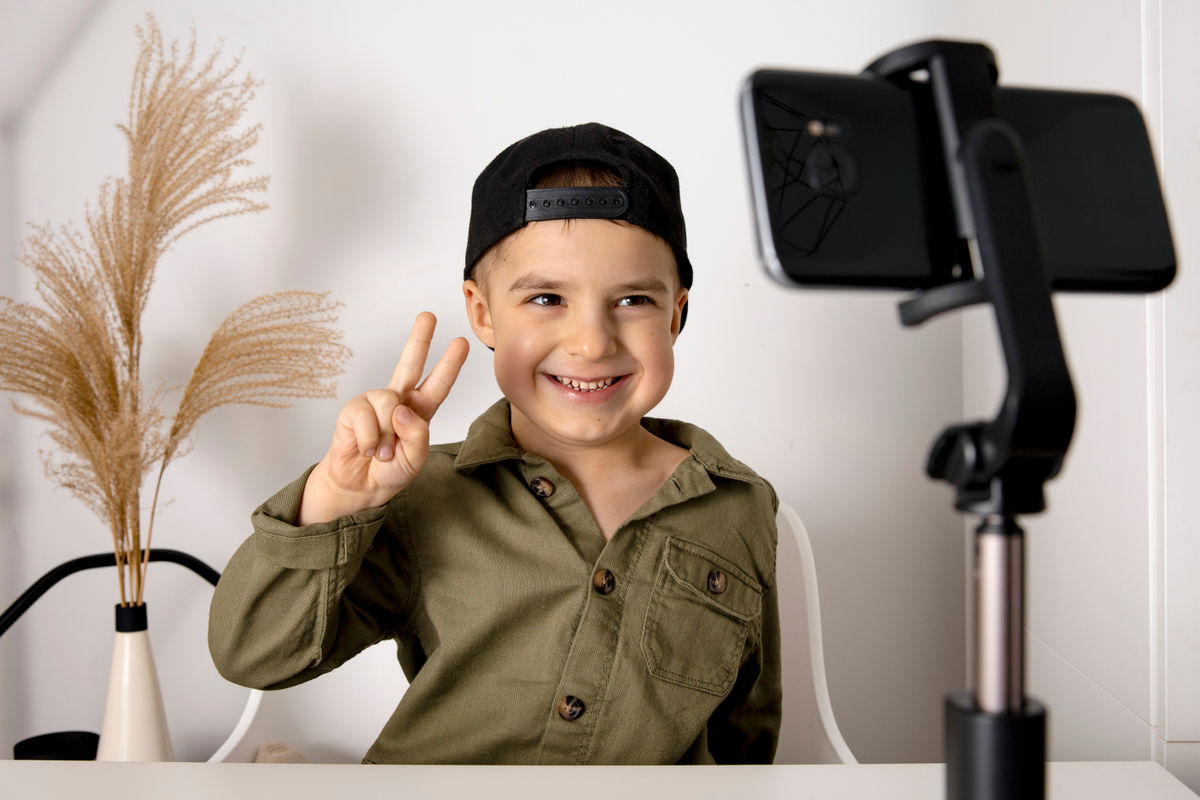
With the development of social media, even young children can become popular and earn money. However, there are many concerns about children who are too young to be influencers, and countries are beginning to regulate this.
REPORT on the protection of minors online | A10-0213/2025 | European Parliament
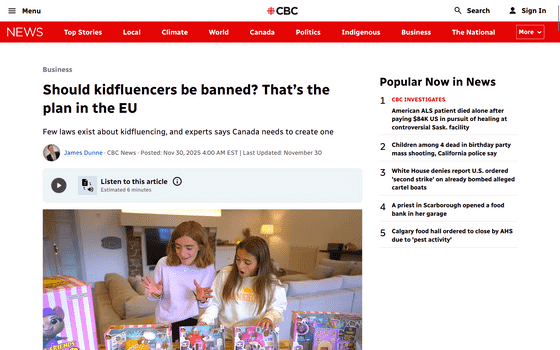
Should kidfluencers be banned? That's the plan in the EU | CBC News
https://www.cbc.ca/news/business/eu-kidfluencer-ban-9.6994957
The EU is actively working to protect minors online. In November 2025, it passed a proposal by a large majority to standardize the use of social media platforms to a minimum age of 16, and has begun considering strengthening regulations for children.

Part of this regulation calls for proposed restrictions on child influencers, with the EU seeking to ban social media platforms from paying child influencers, preventing parents from coercing their children into participating in these activities.
However, there are voices questioning such strict regulations. Canadian media outlet CBC introduced various voices questioning whether similar regulations are necessary in Canada.

Kara Brisson-Boivin, research director at the Ottawa-based nonprofit organization MediaSmarts, welcomes the restrictions, saying they help prevent children from being exploited for profit, but she questions a complete ban, saying it's not good to stifle children's creativity and independence.
'The ban is certainly welcome and should have been implemented 10 years ago,' said Samuel Dahan, a legal scholar at Queen's University. He also said the proposed ban is overly ambitious, however, because the definition of a child influencer is vague and difficult to determine, such as when a parent occasionally posts a child on camera.
Canada does not have specific legislation regarding child influencers, and the federal government's proposed Online Harms Act of 2024 did not target child influencers.
While the EU is considering banning child influencers and the US state of Minnesota has banned anyone under the age of 14 from acting as an influencer, there are other options to protect child influencers.
In 2020, France amended its labor law to give child influencers under the age of 16 the same protections as child actors and models in the country. The law includes restrictions on working hours, a requirement that most of their income be held in trust until they reach the age of 18, and a requirement for anyone filming children for sponsored posts to obtain government permission. This allows children to work as influencers, albeit with some restrictions.
In the US, Illinois, California and Utah have enacted laws to ensure parents save their children's income until they reach adulthood.
Dahan cited the EU's mandate to standardize charging connectors, which led to Apple abandoning Lightning and adopting USB Type-C. He added, 'If legislation is passed in the EU, it may require changes in other countries, and EU digital regulations tend to form global standards. Social media platforms may also choose to impose common regulations for children's influencers around the world.'
Related Posts:







in Note, Posted by log1p_kr