Solar energy is the world's cheapest source of electricity, cheaper than coal, gas and wind
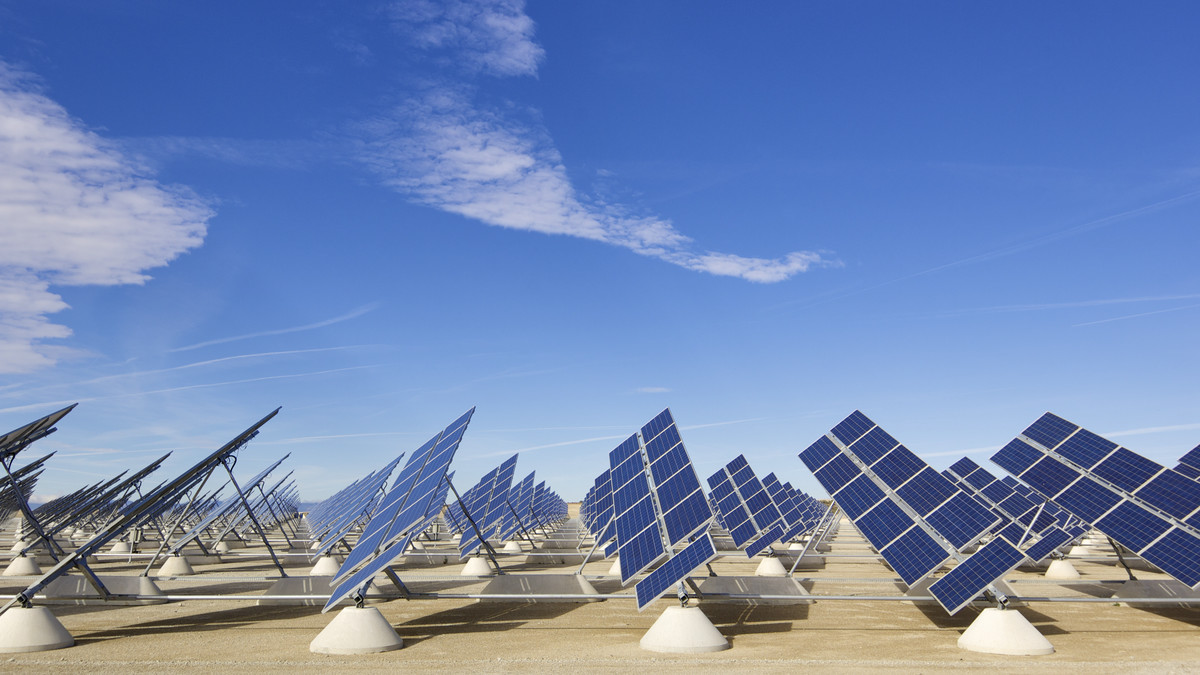
A study by the Advanced Technology Institute (ATI) at
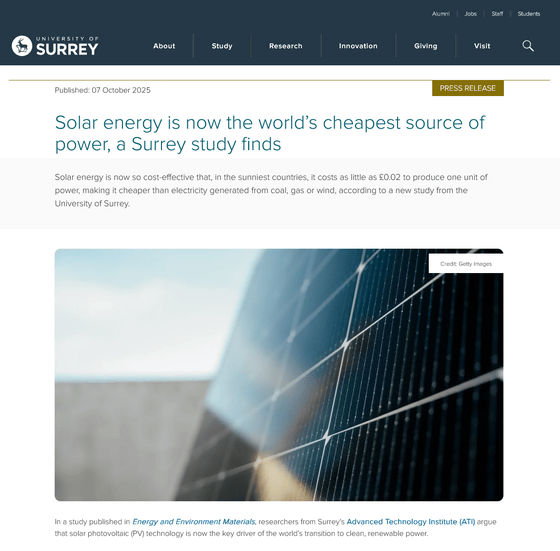
Solar energy is now the world's cheapest source of power, a Surrey study finds | University of Surrey
https://www.surrey.ac.uk/news/solar-energy-now-worlds-cheapest-source-power-surrey-study-finds
Solar Energy in 2025: Global Deployment, Cost Trends, and the Role of Energy Storage in Enabling a Resilient Smart Energy Infrastructure
https://www.authorea.com/users/960972/articles/1329770-solar-energy-in-2025-global-deployment-cost-trends-and-the-role-of-energy-storage-in-enabling-a-resilient-smart-energy-infrastructure
According to a research team led by Professor Ravi Silva, Director of the ATI at the University of Surrey, solar energy generation has become so cost-effective that in countries with the longest sunshine hours, the cost of producing electricity per unit of electricity is just 0.02 pounds (about 4 yen), making it cheaper than coal-fired, gas-fired, or wind-fired power generation.
Professor Silva noted that even in the UK, located at 50 degrees north latitude and not particularly suitable for solar power generation, solar power has become the cheapest option for large-scale power generation. Globally, solar power generation is expected to exceed 1.5 TW (terawatts) in 2024, double the amount generated in 2020, enough to power hundreds of millions of homes. Professor Silva said, 'Simply put, solar power is no longer a pipe dream; it's a fundamental element of the robust, low-carbon energy future we want to achieve.'
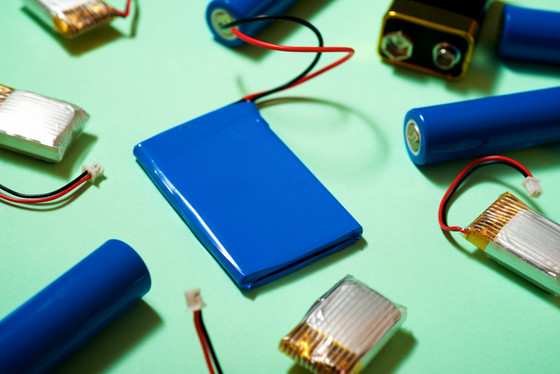
The research team also found that the price of lithium-ion batteries has fallen 89% since 2010, making hybrid solar power generation and storage systems as cost-effective as gas-fired power plants. Hybrid solar power systems have become standard in many regions, allowing solar energy to be stored and used when needed. These systems transform solar energy into a 'reliable, adjustable power source' that helps balance electricity demand.
While many aspects of the future of solar power are optimistic, the researchers point out the challenges of connecting large amounts of solar power to existing power grids. In fact, in some places, such as California and China, solar power is generating too much electricity, causing grid disruptions and wasting energy.
Dr. Ishan Rezai, one of the researchers involved in the research, said, 'Connecting expanding solar power generation to the power grid is one of the biggest challenges we face today. As the use of renewable energy increases, smart grids, artificial intelligence-based forecasting, and strong regional cooperation are essential to maintaining the stability of the power system.'
The integration of energy storage and smart grid technologies is making solar power more reliable, and materials innovations such as perovskite solar cells can increase energy output by up to 50% without increasing land use.
Professor Silva said that while solar power technology is a key driver in the world's transition to clean, renewable electricity, progress will require long-term policy support, which will require international cooperation and sustained efforts.
The research results have been published in the academic journal Energy and Environment Materials.
Solar Energy in 2025: Global Deployment, Cost Trends, and the Role of Energy Storage in Enabling a Resilient Smart Energy Infrastructure
https://www.authorea.com/users/960972/articles/1329770-solar-energy-in-2025-global-deployment-cost-trends-and-the-role-of-energy-storage-in-enabling-a-resilient-smart-energy-infrastructure
Related Posts:





in Note, Posted by logc_nt