By adjusting microorganisms, scientists succeed in making delicious chocolate.

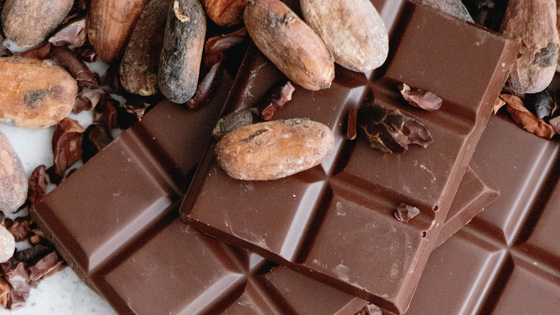
The complex and rich flavor of chocolate is largely determined by the fermentation process of cocoa beans, its main ingredient. An international research team led by the University of Nottingham in the UK has scientifically unraveled the mysteries of this fermentation process and has reported that by using a combination of specific microorganisms, they have succeeded in intentionally recreating the flavor of high-quality chocolate.
A defined microbial community reproduces attributes of fine flavor chocolate fermentation | Nature Microbiology
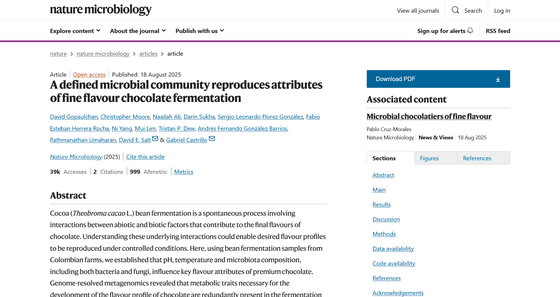
Why chocolate tastes so good: microbes that fine-tune its flavor
https://www.nature.com/articles/d41586-025-02659-8
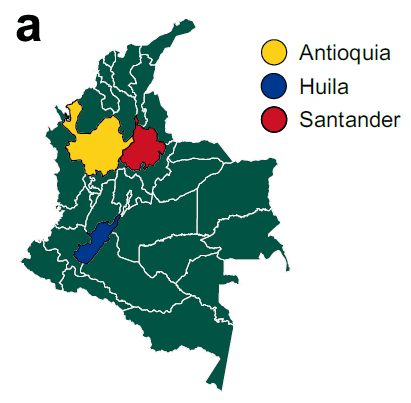
Traditionally, cocoa bean fermentation occurs naturally due to the diverse microorganisms present in the farm environment, which has led to issues such as unstable quality and flavor. To elucidate the fermentation process of cocoa beans, which had remained a black box, the research team conducted detailed surveys at farms in Colombia's major cocoa-producing regions, including Santander, Huila, and Antioquia.
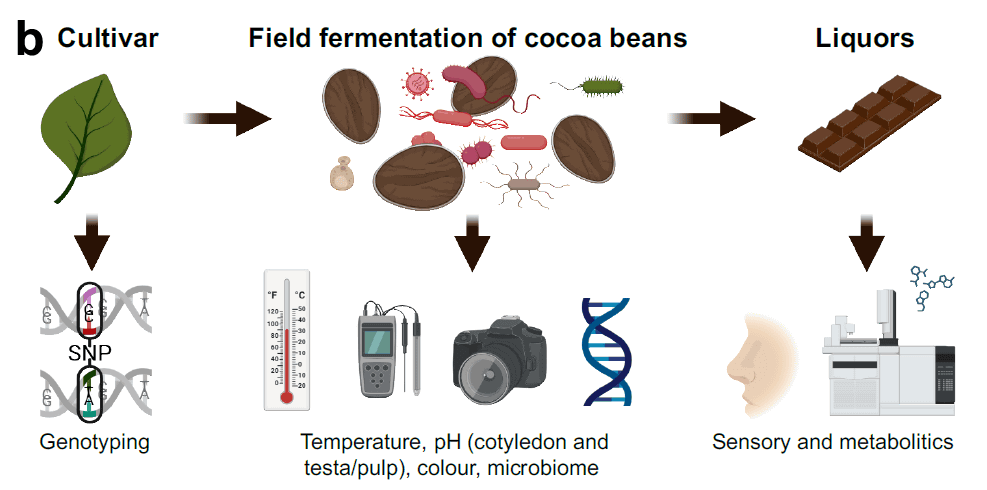
The research revealed that changes in pH and temperature during fermentation, as well as the composition of the microbial community (microbiota) that lives there, are important factors that determine the final chocolate flavor.
For example, cocoa beans from Santander and Huila had complex, pleasant flavors like roasted nuts, ripe berries, and coffee, while those from Antioquia had a simpler, more bitter flavor. Since there was little genetic difference between the cocoa beans themselves, it was concluded that this flavor difference was due to differences in the fermentation process.
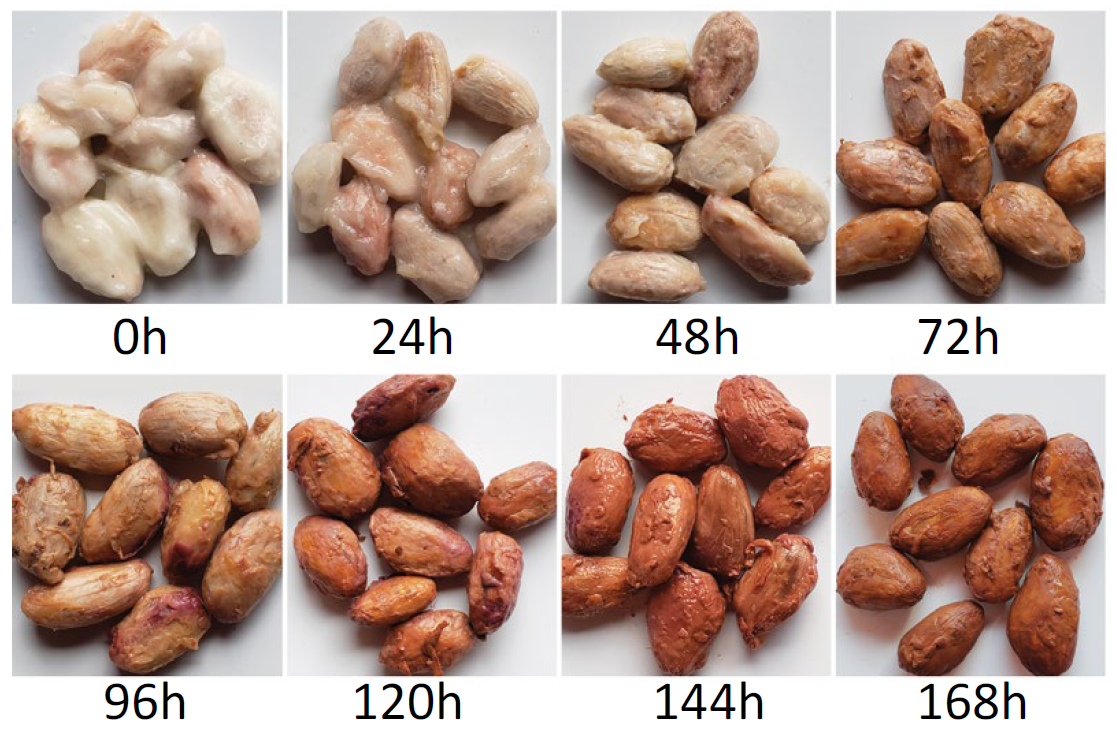
Below are photographs taken over time of the appearance changes during the fermentation process of cocoa beans. From 0 hours (at the start of fermentation) to 168 hours (7 days later), the changes in the cocoa beans are shown day by day, and as fermentation progresses, the color of the beans gradually changes from whitish to brown.
Furthermore, a comprehensive analysis of the genetic information of microorganisms using a technique called metagenomic analysis revealed that yeasts, particularly those from
Based on these findings, the research team selected nine microorganisms (five bacteria and four fungi) thought to be important for flavor development and designed a starter culture they called a 'synthetic microbial community (SYNCOM).' They then used this SYNCOM to ferment cocoa beans in a controlled laboratory environment, successfully replicating the pH changes and microbial dynamics that occur during natural fermentation. Expert tasters evaluated the resulting cocoa mass and confirmed that it possessed the same excellent flavor characteristics as high-quality natural chocolate from Santander and Huila.
'We hope that this research technique will one day lead to the development of new and exciting flavors for consumers,' said plant geneticist David Gopaulchan, co-author of the paper. 'Ultimately, our goal is to improve the quality of chocolate.'
Related Posts: