A textile scientist explains why clothes shrink when washed
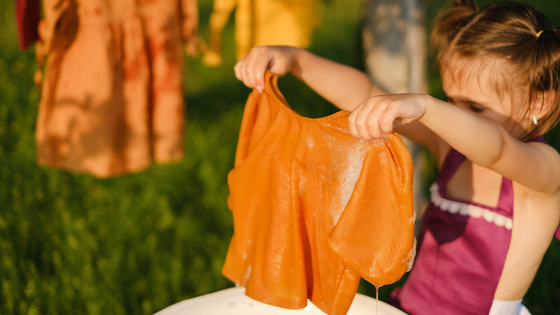
Many people have had the experience of washing their favorite clothes and finding them wrinkled, and no matter how much they hang out or iron them, they just don't go back to normal. Nisa Salim, a textile scientist at
Why do some clothes shrink in the wash? A textile scientist explains how to 'unshrink' them
https://theconversation.com/why-do-some-clothes-shrink-in-the-wash-a-textile-scientist-explains-how-to-unshrink-them-259388
The phenomenon of your favorite clothes shrinking in the wash has a lot to do with the chemical properties of fabrics.
The main reason why clothes shrink is because fibers have the tendency to return to their original state. Plant-based fibers like cotton and linen naturally have irregular curls. Inside the fibers, there are many coiled or spiral-shaped cellulose molecules, but during the textile manufacturing process, these fibers are mechanically stretched and processed into straight threads.
At this time, the fibers are fixed in a state of tension, but they remember their original, shrunken state, and when physical forces such as heat, moisture, or the agitation of a washing machine are applied, the tension is released and they try to return to their original state, which appears as shrinkage in the clothing.
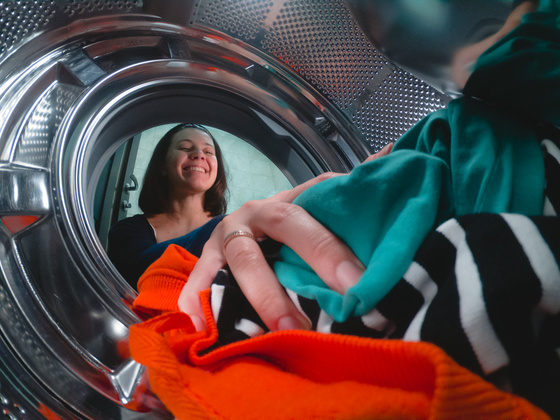
During the washing process, hot water first weakens the hydrogen bonds that hold the fibers together. Furthermore, because plant fibers have the property of absorbing water easily (hydrophilicity), water molecules penetrate the fibers, expanding and making them more mobile. The spinning and agitation of the washing machine then relaxes the fibers, allowing them to return to their natural crimped state.
Cold water can still cause shrinkage, though not as much as hot water, as fibers absorb water and expand. To minimize shrinkage, it's recommended to wash in cold water on the gentlest setting. Also, fabrics with tightly woven threads tend to shrink less than loosely knit fabrics, as the fibers have less movement.

The mechanism of shrinkage varies depending on the type of fiber. Wool is an animal-derived fiber whose surface is covered with scale-like cells called cuticles. During washing, these cuticles open and become entangled with adjacent fibers, causing a phenomenon known as 'felting,' which causes the entire fabric to become denser and shrink. On the other hand, synthetic fibers such as polyester and nylon are made from petroleum-derived polymers and have an extremely stable molecular structure, making them less likely to shrink.

If your clothes have shrunk, you can restore them to some extent by soaking them in lukewarm water with about a tablespoon of hair conditioner or baby shampoo. The cationic surfactants in the conditioner make the fibers temporarily slippery, making it easier to gently stretch them back to their original shape. Then, by drying flat or under gentle tension, you may be able to restore the size to some extent.
Related Posts:



in Science, Posted by log1i_yk