Analysis of the rapid spread of solar power generation systems
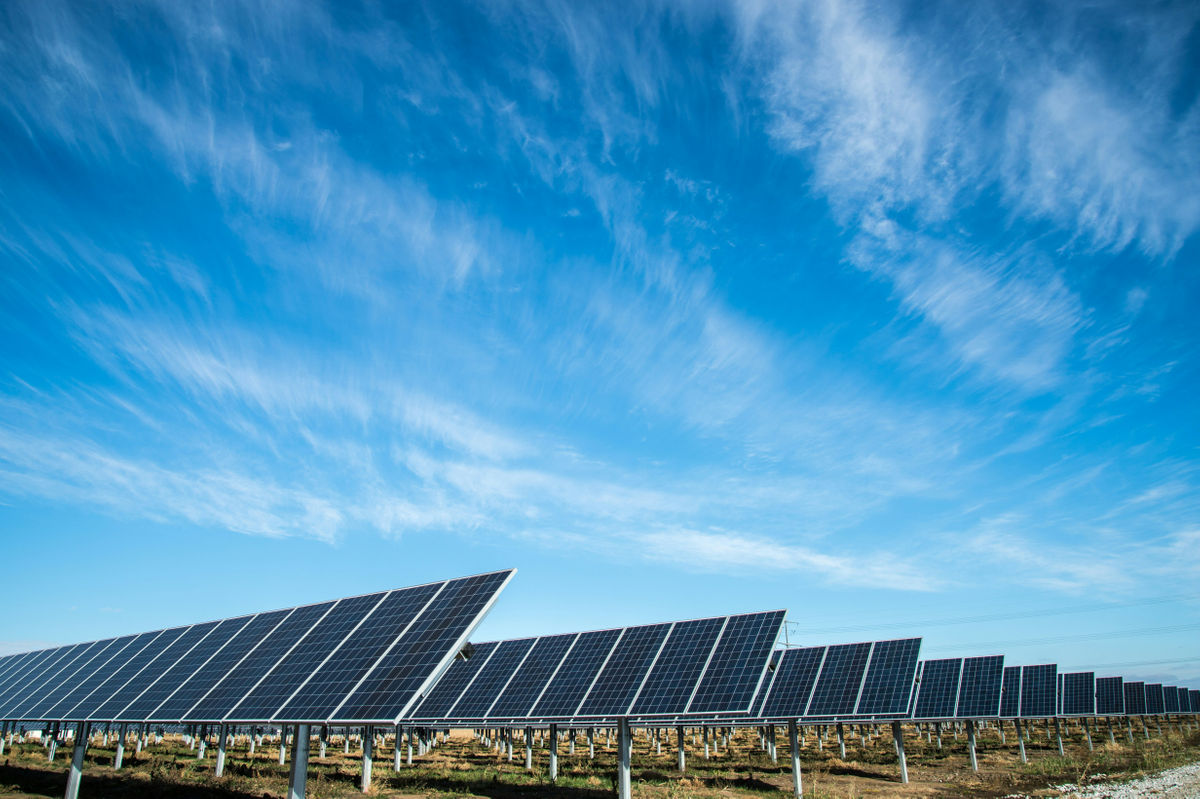
The popularity of solar power generation systems has been accelerating since the 2010s, and research and development is being carried out widely as a leading form of clean energy. Brian Potter, a building physics specialist, analyzes whether such solar power generation systems are actually practical and why they are becoming so popular so quickly.
Understanding Solar Energy - by Brian Potter
Solar power generation was invented in the 1950s, but it wasn't until the 2010s that it became widely used as a practical method of generating electricity. Although it is still a new industry, its development speed has been incredible, far surpassing other power generation methods. According to Potter, if you count the time it took to achieve a maximum power generation capacity of 100 TWh from the time it achieved a maximum power generation capacity of 1000 TWh, it took solar power only 8 years, compared to 12 years for wind and nuclear power, 28 years for natural gas, and 32 years for coal.
The world is looking to solar power generation, and in the United States in particular, about 50% of new power generation facilities planned are related to solar power generation systems. However, the absolute amount of power generation is still small, and as of 2023, solar power generation will account for about 4% of total electricity generation, and less than 1% in the United States.
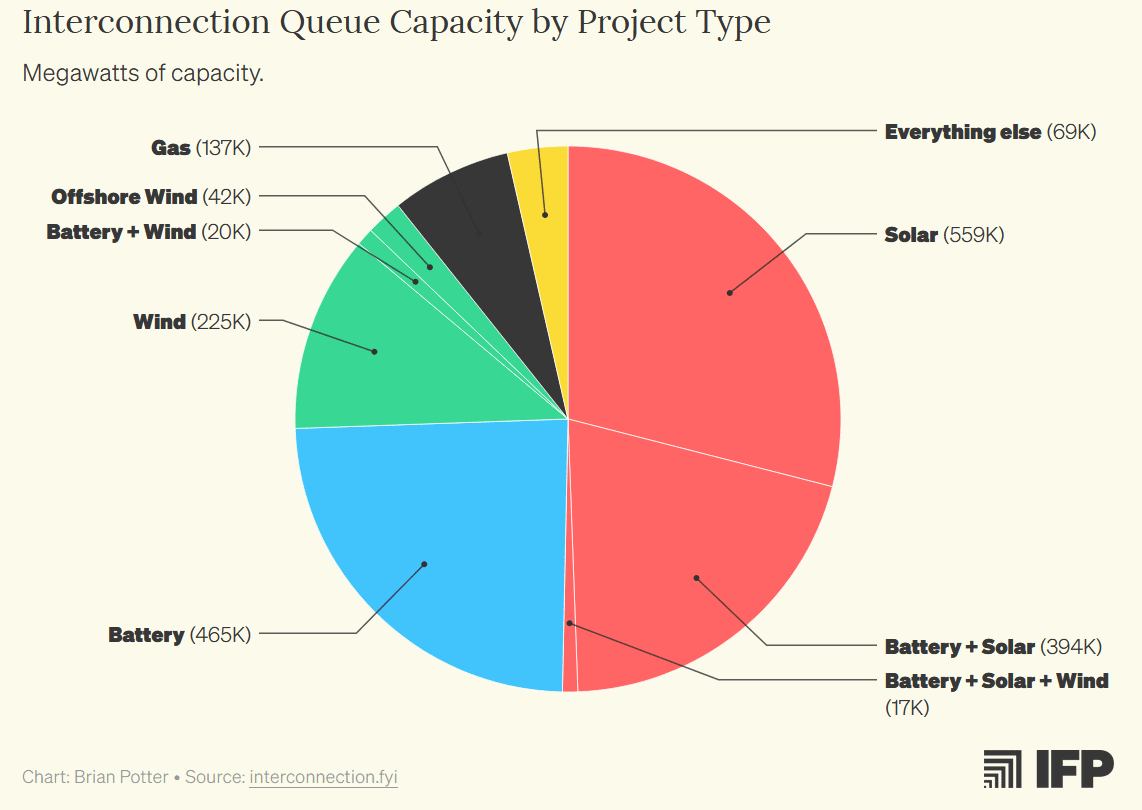
There are questions in the public's mind about how long the rapid growth of solar power can continue and how much energy it can efficiently supply. These questions can be answered by a few facts.
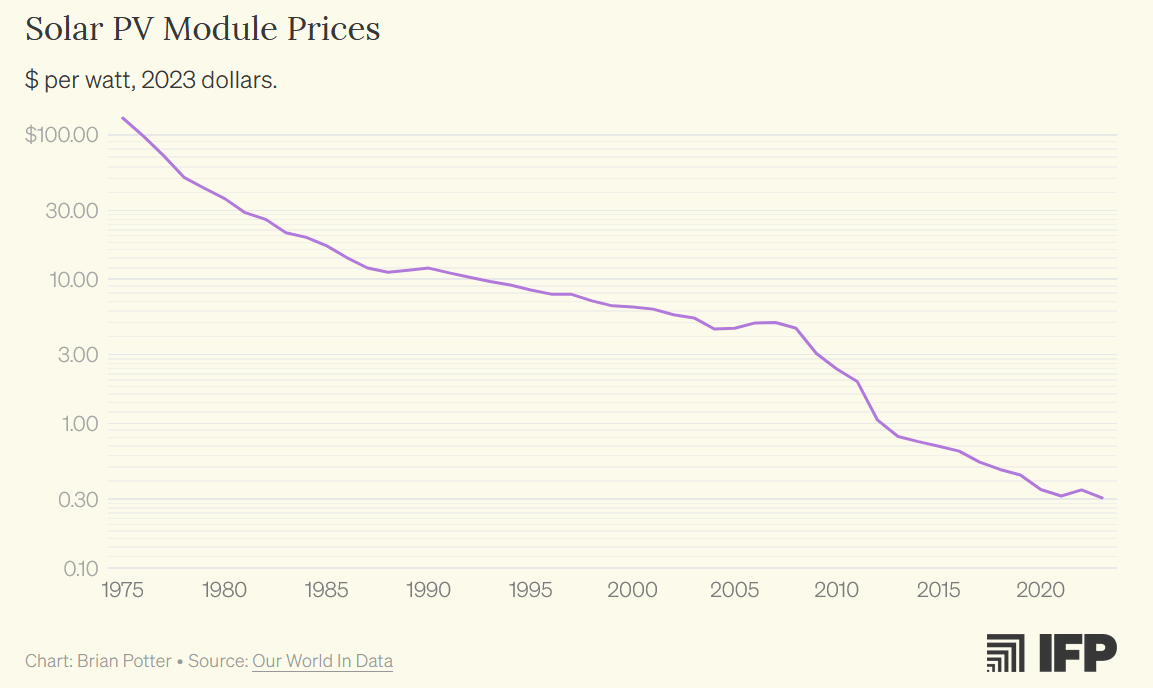
One is cost: Since its invention in the 1950s, the cost of solar power has fallen by nearly 10,000 times, and is expected to get even cheaper in the future, with prices dropping by nearly 50% in the 2010s and 2020s alone.
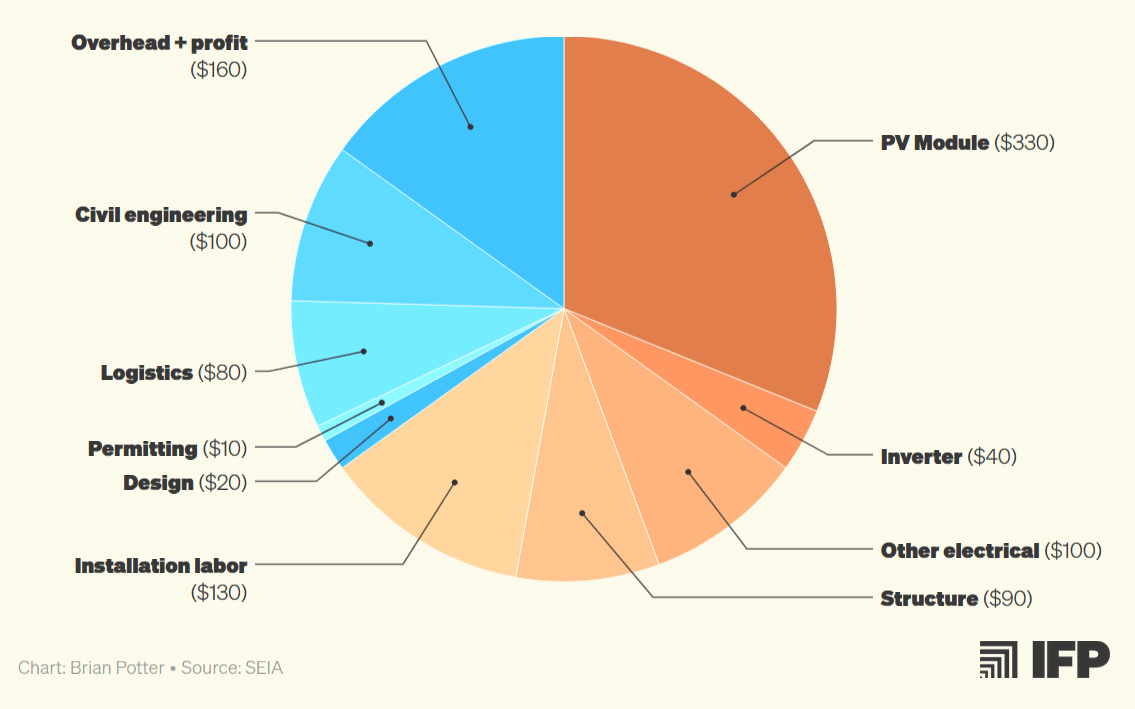
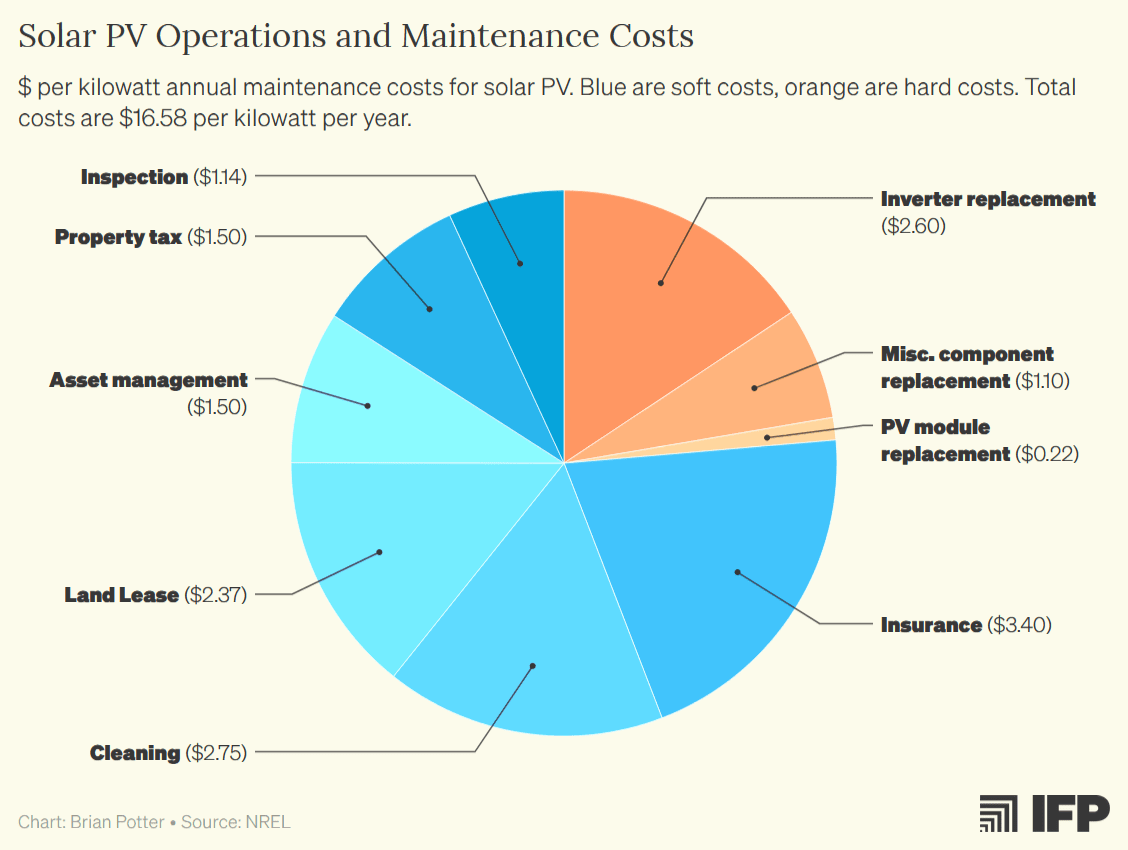
The costs of a solar power system can be divided into hard costs, soft costs, and operation and maintenance costs. Hard costs are the costs associated with the physical solar power system itself, such as the solar panels, inverters, mounting systems, and labor costs required for installation. Soft costs are those not directly related to building the physical system, such as design work, permitting, and developer overhead. Operation and maintenance costs are costs incurred during operation, such as insurance, leasing land, cleaning, and replacing damaged parts.
Below is a breakdown of the hard and soft costs of a typical solar power system in the United States. Orange indicates hard costs and blue indicates soft costs, with the total cost per kWh coming in at $1,060 (approximately 159,000 yen).
Operational and maintenance costs are low, at just $16.58 (about 2,500 yen) per kWh per year.
On the other hand, in addition to the important part of 'power generation,' a solar power generation system has another important element: the power storage system.
As the name suggests, solar power generation is a system that collects sunlight and converts it into electrical energy, but its efficiency drops when the sun is not out. Naturally, the power generation efficiency drops on rainy days, and the timing of power generation also changes because the hours of sunlight are different in summer and winter.
This is what energy storage systems are used for. With a storage system, energy can be stored on days when a large amount of electricity can be generated, and the stored electricity can be used as energy on days when electricity cannot be generated. There are various ways to store the stored energy, such as pumping water or synthesizing methane and burning it later, but the most commonly used method is large lithium-ion batteries. In addition to the costs of building, maintaining, and operating this storage system, there are also costs associated with building the infrastructure that connects the power generation system and the storage system.
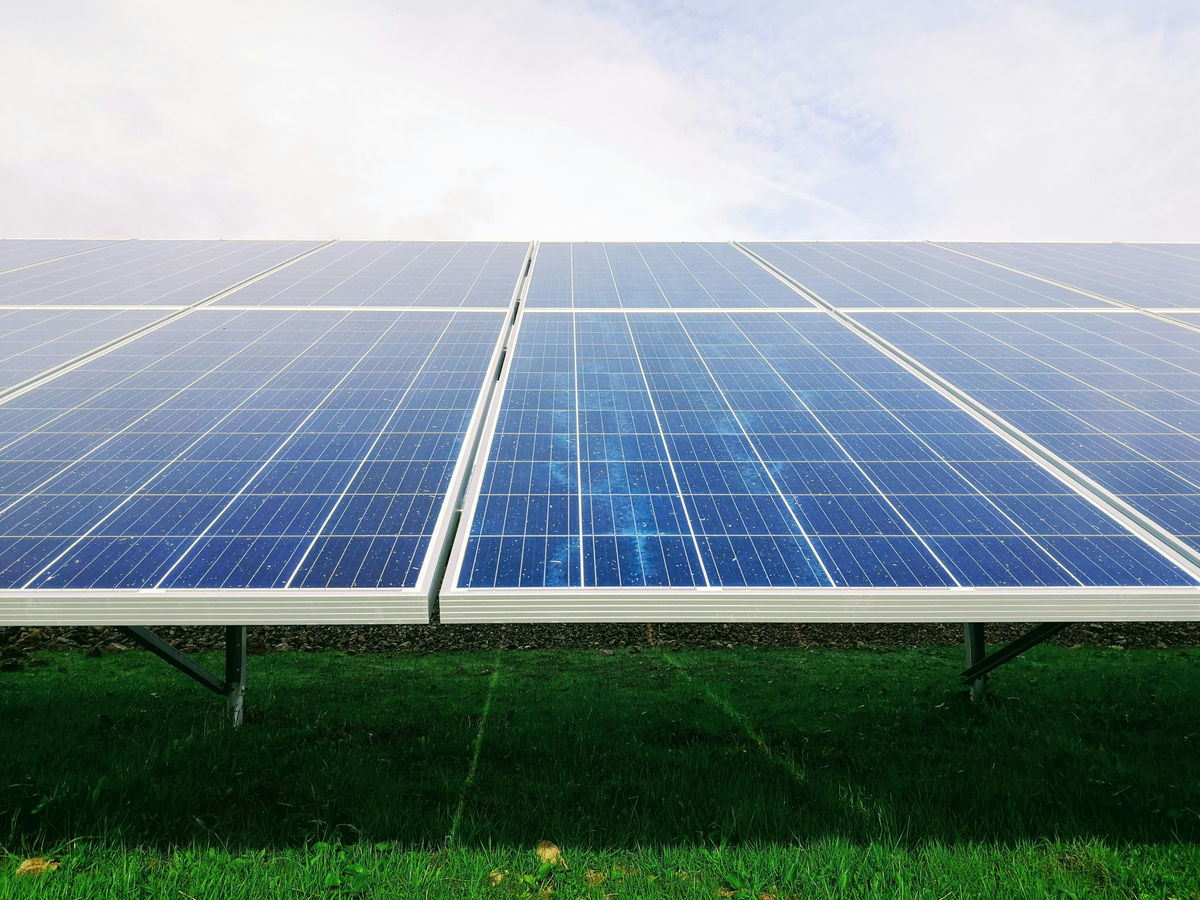
To summarise, we can calculate the electricity bill for a solar power generation + storage system when changing the ratio of electricity supplied. If you don't use any storage batteries and can use the solar power immediately without wasting it, the cost of this solar power generation system is about 5.7 cents (about 9 yen) per kWh. However, this cost rises rapidly as you scale up the system.
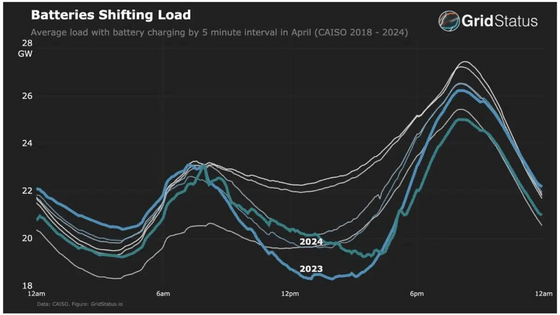
Another reason why solar power generation systems are being introduced is that the balance between power generation and storage is being achieved. Generally, peak electricity demand occurs in the early morning and evening, but the amount of solar power generation during those times is almost zero, and the increase in demand does not match the amount of power generation. This mismatch is shown on a graph and is commonly known as the 'duck curve,' but as the equipment becomes more stable, the balance is beginning to be achieved. Below is a graph showing the load on the storage system by hour, and in 2024 the valley is flattening.
Potter said, 'Apart from environmental considerations, the main advantage of solar power is its low cost. Solar cells require no fuel, have no moving parts, can be mass-produced in large factories, and require little maintenance. Just put a solar cell on the ground and it starts generating electricity. The main drawback is that you can't control when the sun shines. Day-night cycles, clouds, and seasonal changes in the position of the sun all reduce the power output of solar panels and make it difficult to generate a consistent amount of electricity. The larger the proportion of electricity supplied by solar power, the larger and more expensive the infrastructure needed to overcome this drawback will be. However, as the cost of solar power continues to fall, this drawback will become less of a concern.'
Related Posts:


in Posted by log1p_kr