Research shows that broken legs heal faster if you start walking sooner, and some say you should start walking within two weeks of breaking a leg if possible.
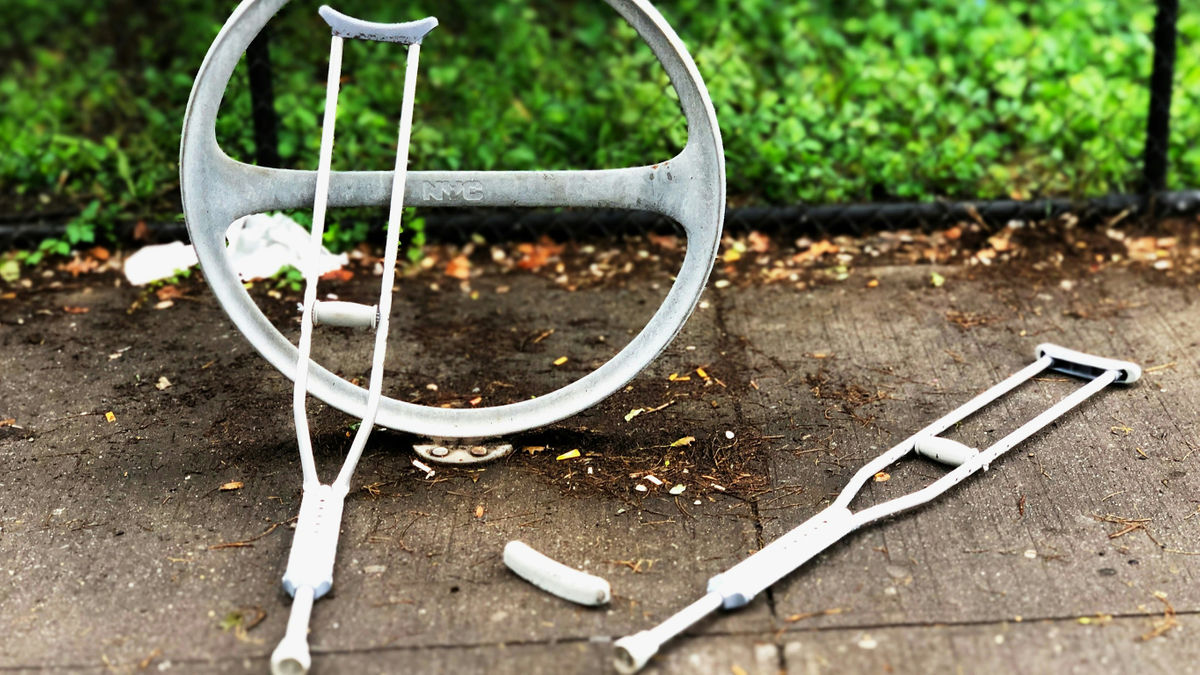
Generally, if you break a leg, including your ankle, it is recommended that you use crutches and not put any weight on it for at least six weeks. However, recent research has shown that if you break a leg, starting to walk and putting weight on it as soon as possible will help the fracture heal faster.
Broken Legs and Ankles Heal Better If You Walk on Them within Weeks | Scientific American
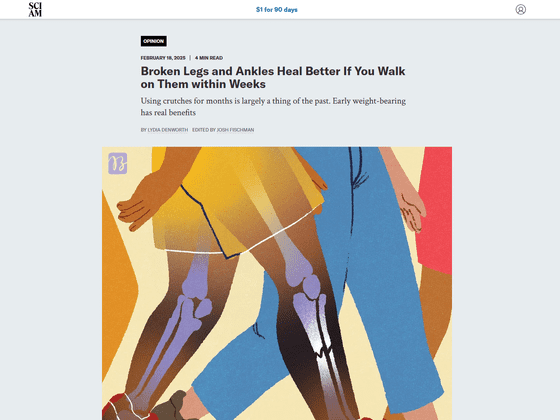
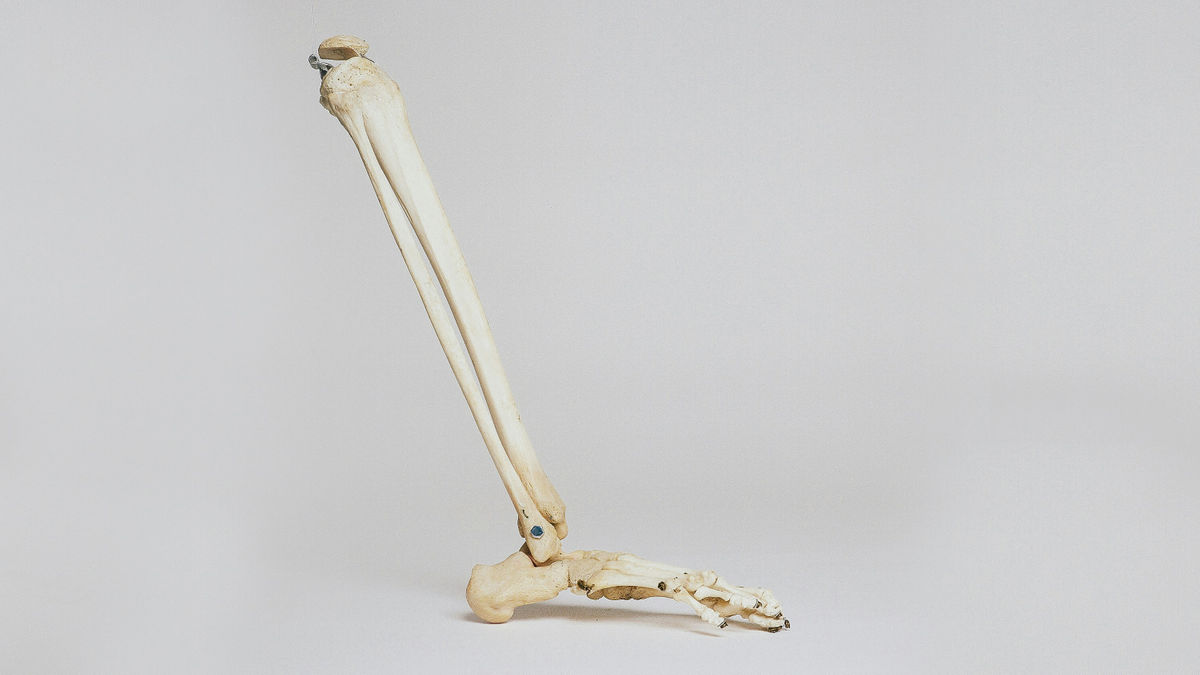
When you break a bone, doctors will generally first perform a 'fixation' to hold the broken bone in place to ensure stability, and depending on the severity of the fracture, surgery may be performed to implant bolts or plates.
In the gap created by a fracture, incomplete bone tissue called '
In addition, if a fractured leg is immobilized in a plaster cast and crutches are used for a long period of time, the muscles in the affected area will completely atrophy. 'Previous research has shown that muscle mass is lost much faster than muscle mass is gained, so it takes a long time to re-strengthen a leg that has been immobilized in a plaster cast for a long period of time,' said Alex Trompeter, an orthopedic surgeon at St. George's, University of London.
Like muscle mass, it is difficult to restore lost bone mass, and it has been found that astronauts who have stayed in space for a long time, where there is no need to exert force to support their weight, have a significant loss of bone mass, and it has been found that staying on the International Space Station (ISS) for six months will cause bone loss equivalent to about 20 years of aging. In order to prevent such loss of bone and muscle mass, astronauts staying on the ISS apparently exercise for several hours a day.

Furthermore, being bedridden due to a fracture can lead to serious complications, such as blood clots and lung collapse. A 2005 study found that about 9% of patients who became bedridden after a hip fracture died within 30 days of the fracture, and 30% died within a year.
On the other hand, recent studies suggest that early weight bearing reduces mortality from complications. A study of patients with hip fractures showed that patients who were asked to start walking again within two weeks of fracture had a lower incidence of complications than those who used crutches for six weeks.

In a 2024 study , 480 patients with broken ankles were split into two halves, with one group instructed to begin walking two weeks after the fracture while the other group was instructed to keep the ankle immobilized for six weeks. The results showed that the group who started walking early regained function six weeks after the fracture, while the group who kept the ankle immobilized for six weeks regained function four months after the fracture.
Professor Chris Bretherton, from the Blizzard Institute at Queen Mary, University of London, who led the research, said: 'Surgeons need the push to remove patients from casts sooner after a fracture and we hope these studies will give them that confidence.'
Related Posts:






in Science, Posted by log1r_ut